









The winter season is traditionally viewed through a lens of nostalgia and celebration—a period defined by familial gatherings, festive traditions, and the pursuit of restorative getaways. However, beneath the veneer of holiday cheer lies a complex economic landscape that can challenge even the most disciplined consumers. As the travel industry shifts into its peak season, the convergence of surging demand, dynamic pricing algorithms, and inflationary pressures creates a potential minefield for personal finances.
To maintain financial stability while fulfilling the desire for seasonal travel, consumers must transition from passive spending to strategic financial management. This report explores the current state of winter travel economics, provides a chronological framework for planning, and examines the long-term implications of travel-induced debt on credit health.
I. Main Facts: The Economic Realities of Seasonal Travel
Winter travel in the current economic climate is characterized by "premium-tier" pricing across almost all sectors of the hospitality and transportation industries. According to recent consumer price index (CPI) data, while general inflation may fluctuate, the cost of "travel-adjacent" services—including airfare, lodging, and motor fuels—often experiences localized spikes during the window between late November and early January.
Several key factors define the current winter travel market:
- Dynamic Pricing Dominance: Airlines and hotels now utilize sophisticated AI-driven algorithms that adjust prices in real-time based on search volume and remaining inventory. This makes "last-minute deals" increasingly rare during the winter months.
- The Rise of "Junk Fees": Beyond the base fare, travelers are increasingly confronted with ancillary costs, such as resort fees, seat selection charges, and baggage penalties, which can increase the total cost of a trip by 20% to 40%.
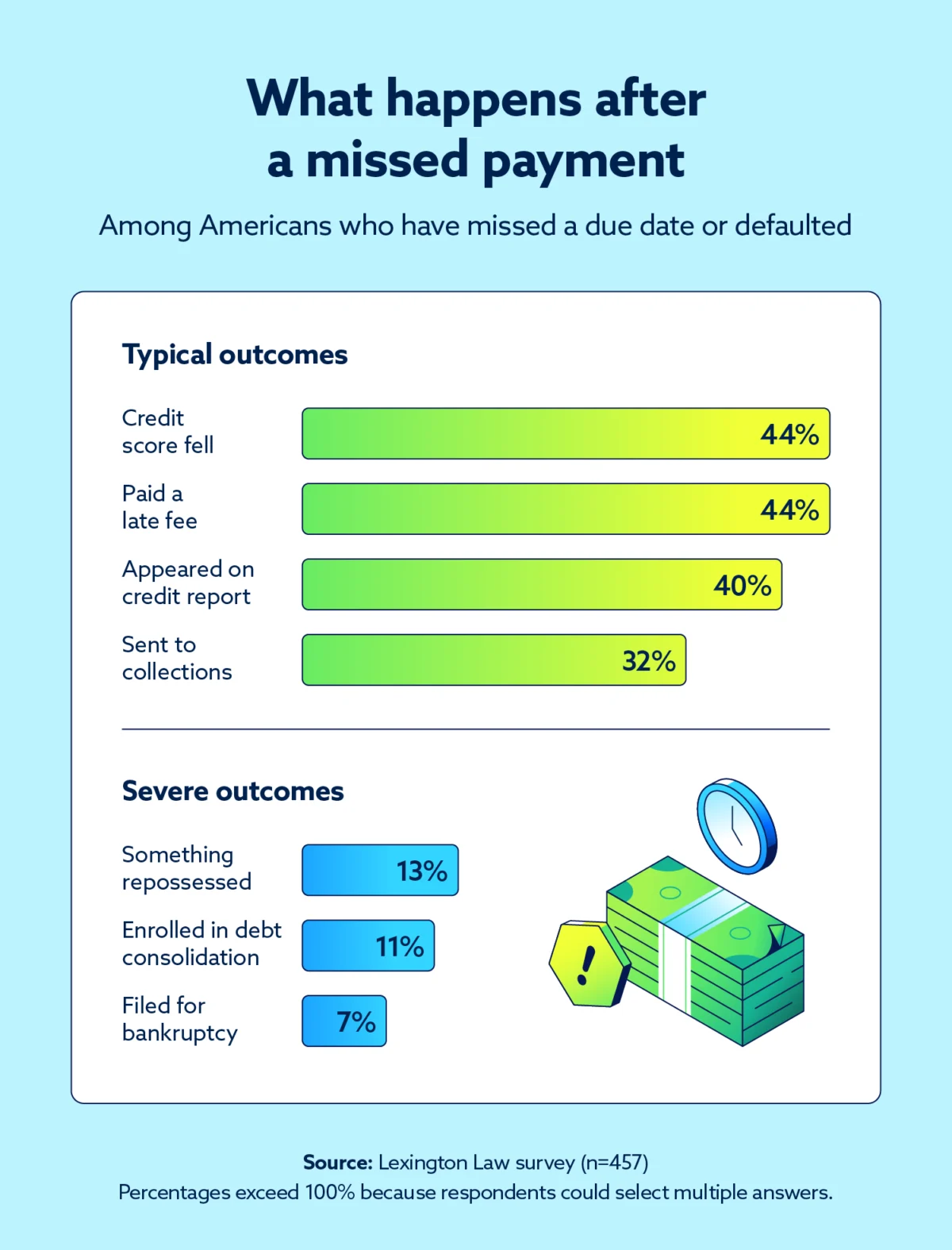
- Credit Utilization Spikes: Statistically, the period following the winter holidays sees the highest level of credit card delinquency and "revolving debt" as consumers struggle to pay off travel and gift expenses incurred in the fourth quarter.
For many, the "magic" of a winter vacation is frequently overshadowed by the "January Hangover"—the realization that a week of celebration has led to months of high-interest debt repayment.
II. Chronology: The Lifecycle of a Financially Sound Winter Trip
Successful winter travel is not an impulsive event; it is a multi-month financial project. To avoid the pitfalls of overspending, travelers should follow a structured chronological approach.
Phase 1: The Pre-Booking Analysis (3–6 Months Prior)
The most critical decisions are made before a single reservation is confirmed. This phase involves establishing a "Travel Sinking Fund." Rather than relying on future income or credit limits, savvy travelers set aside a fixed amount monthly. This is also the time to define the "Purpose of Travel." By identifying whether the goal is relaxation, family connection, or adventure, travelers can prioritize spending on the core objective while cutting superfluous costs.
Phase 2: The Strategic Booking Window (2–4 Months Prior)
During this window, the focus shifts to "Timing over Trend." While the week of December 25th is the most popular, data shows that traveling during the "dead weeks" of January or the first half of February can result in savings of up to 50% on lodging. This is the period to utilize price-tracking tools and set alerts for specific routes, ensuring that bookings are made at the nadir of the price curve.
Phase 3: The Execution and Monitoring (During the Trip)
Financial discipline often erodes during the trip itself due to "frictionless spending." The use of digital wallets and credit cards can decouple the joy of the purchase from the reality of the cost. Maintaining a daily "expense pulse check" helps ensure that "little" expenses—such as airport parking, premium dining, or spontaneous excursions—do not snowball into a budget deficit.
Phase 4: The Post-Trip Reconciliation (1 Month After)
The final stage occurs upon returning home. This involves auditing all credit card statements against original reservations to identify any erroneous "hidden fees" or fraudulent charges. It also involves executing a predetermined repayment strategy to ensure that any credit used is cleared within one billing cycle to avoid interest accumulation.
III. Supporting Data: The High Cost of Unplanned Getaways
Quantitative analysis of consumer behavior during the winter months highlights the risks of inadequate planning. According to financial industry reports:

- Average Holiday Debt: In recent years, the average American household has taken on over $1,200 in debt during the holiday and winter travel season.
- Interest Rate Impact: With the average credit card APR (Annual Percentage Rate) hovering near record highs of 20-25%, carrying a $3,000 travel balance for one year can cost the consumer an additional $750 in interest alone.
- The "Hidden Fee" Tax: A study of popular resort destinations found that "mandatory" fees not included in the initial search price added an average of $45 per night to the cost of stay, often catching travelers off guard at checkout.
These figures underscore the importance of the original article’s advice: a budget is not merely a suggestion; it is a defensive tool against the predatory pricing structures of the peak season.
IV. Official Responses and Expert Strategies
Financial advisors and credit experts, including those at Lexington Law, emphasize that "financial well-being doesn’t take a vacation." Their professional guidance centers on three pillars of travel management:
1. The "Kitchen Access" Strategy
Experts suggest that dining out represents the largest variable expense in travel. By choosing accommodations with kitchenettes or access to local grocery stores, a family of four can save upwards of $150 per day. This "official" recommendation moves the needle from a trip being a financial burden to a sustainable experience.
2. Advanced Credit Monitoring
Official advice from credit repair and protection agencies stresses the vulnerability of travelers to identity theft. Public Wi-Fi in airports and hotels, combined with the frequent use of cards at unfamiliar vendors, increases the risk of fraud. Experts recommend:
- Real-time Alerts: Enabling push notifications for every transaction.
- Virtual Cards: Using one-time-use card numbers for online bookings to protect the primary account.
- Credit Freezes: Keeping credit files frozen while traveling to prevent unauthorized new account openings.
3. Strategic Debt Management
If a traveler must use credit, experts advise using cards that offer travel insurance and consumer protections. However, the "official" stance remains firm: credit should be used for its convenience and rewards, not as a long-term loan for a lifestyle the consumer cannot yet afford.
V. Implications: The Long-Term Horizon of Credit Health
The implications of winter travel extend far beyond the return flight. The relationship between seasonal spending and long-term credit health is profound.
The Credit Utilization Ratio
One of the most significant factors in a credit score is the credit utilization ratio—the amount of debt you owe compared to your total credit limits. A lavish winter trip that maxes out credit cards can cause a sudden, sharp drop in credit scores, even if the traveler intends to pay it off eventually. This drop can have real-world consequences, such as higher interest rates on future auto loans or mortgages.
The Opportunity Cost of Interest
Every dollar spent on high-interest credit card debt from a past vacation is a dollar that cannot be invested in a 401(k), a home down payment, or an emergency fund. The long-term implication of "funding memories with debt" is a slower trajectory toward wealth accumulation and financial independence.
Psychological Well-being and Financial Stability
Finally, the implication for mental health cannot be ignored. A vacation is intended to reduce stress; however, if the trip results in financial instability, the net effect on the traveler’s well-being is negative. True "restorative" travel is only possible when the traveler returns to a stable financial foundation.
Conclusion: The Gift of Financial Stability
Winter travel remains a cherished part of the human experience, offering a break from the routine and a chance to connect with the world. However, as the economic landscape grows more complex, the burden of responsibility falls on the consumer to navigate these waters with precision.
By adhering to a realistic budget, choosing off-peak timing, accounting for hidden costs, and vigilantly protecting credit health, travelers can enjoy the magic of the season without compromising their future. As organizations like Lexington Law point out, credit health is the foundation of opportunity. Protecting that foundation during the winter months is perhaps the greatest gift a traveler can give themselves—a gift that ensures peace of mind long after the snow has melted and the spring has arrived.