






In the modern era of commercial aviation, the airport lounge has evolved from a simple waiting area with coffee and biscuits into a sanctuary of high-end hospitality. For the global traveler, these spaces serve as a vital buffer between the chaos of the terminal and the constraints of the cabin. While most lounges compete on the quality of their Wi-Fi, the comfort of their chairs, or the variety of their buffet spreads, a select few airlines have pushed the boundaries of the pre-flight experience to create truly iconic, world-class amenities.
This report explores the most unique, over-the-top, and culturally significant features found in the world’s elite airline lounges. We move beyond standard spa treatments and champagne bars to examine the specific innovations that define the pinnacle of luxury aviation.
1. The Cultural Integration: Finnair’s Finnish Sauna (Helsinki)
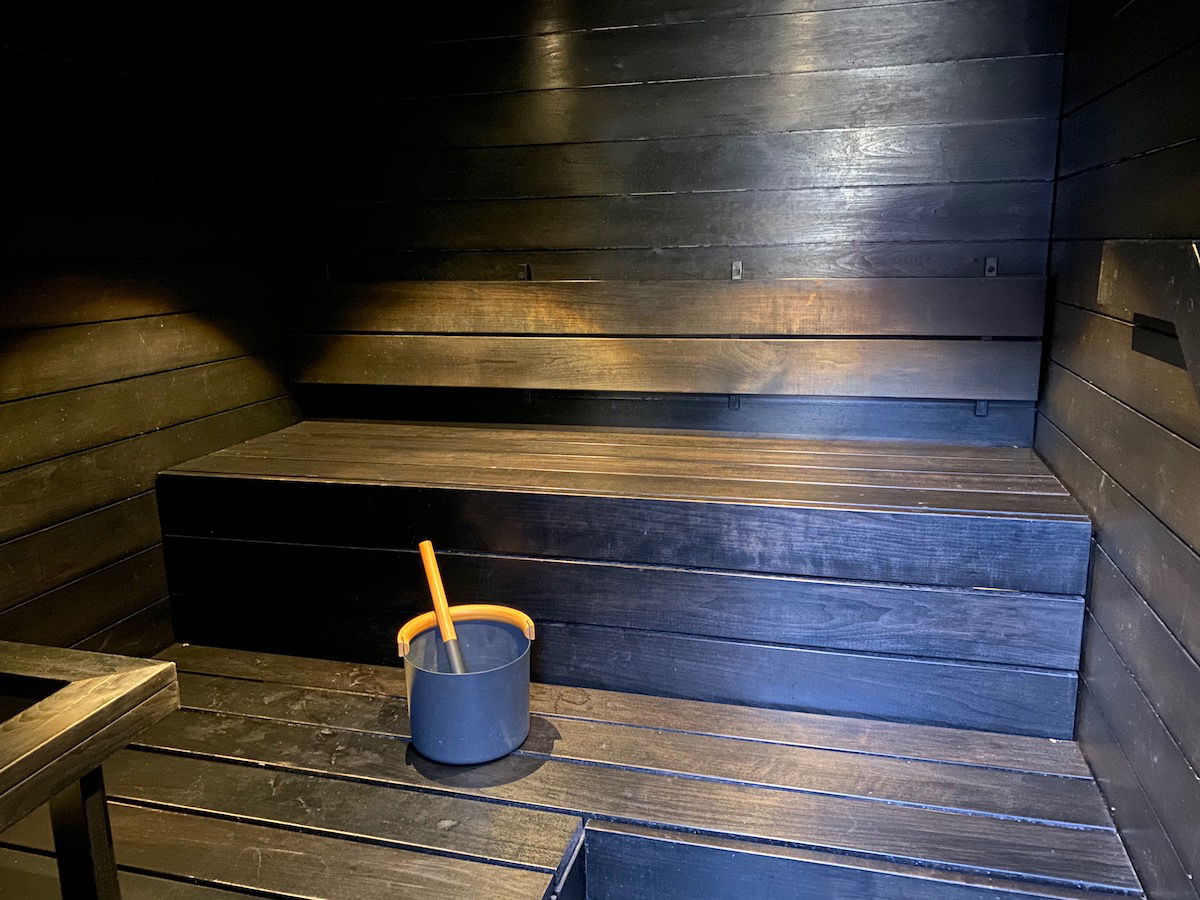
The Finnair Platinum Wing in Helsinki is a masterclass in regional branding. Recognizing that the sauna is the heartbeat of Finnish culture, the airline has integrated a full-scale, authentic wood-paneled sauna into its lounge facilities.
- The Experience: Passengers are invited to partake in a traditional sauna session before their flight. It is a sensory, restorative ritual that provides a stark contrast to the sterile environment of modern airports.
- The Significance: By embedding local customs into the lounge, Finnair transforms a standard transit wait into a genuine cultural immersion. While other lounges attempt to offer "wellness" through generic massage chairs, Finnair offers a slice of Northern European heritage, setting a benchmark for airlines seeking to reflect their national identity.
2. The Epitome of Comfort: SWISS First Class Bedrooms (Zurich)
While many international lounges offer "nap pods" or quiet rooms, the SWISS First Class Lounge in Zurich offers a private sanctuary that rivals five-star hotel suites.
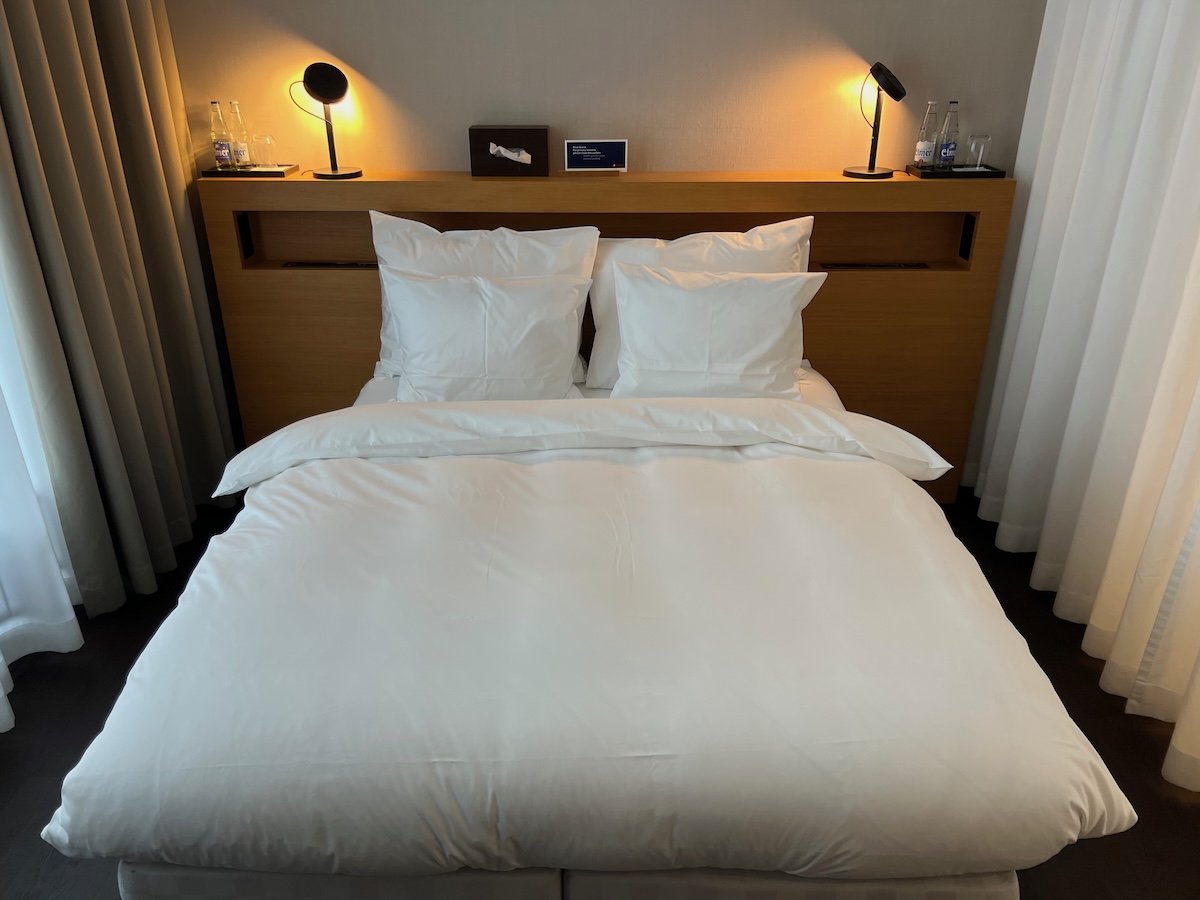
- The Amenities: The lounge features two dedicated private bedrooms equipped with Hästens beds—a brand synonymous with extreme luxury and comfort. With a private bathroom, rain shower, and sweeping views of the airfield, these rooms provide an environment that is, quite literally, designed to make one feel as though they are sleeping on a cloud.
- The Design Philosophy: The inclusion of an apron view from the bedroom allows the aviation enthusiast to watch the ground operations of the hub while maintaining complete privacy and serenity. It represents a rare intersection of "airport efficiency" and "total isolation."
3. Physical Wellness in Transit: Qatar Airways’ Unique Offerings (Doha)
Qatar Airways’ hub at Hamad International Airport is frequently cited as the best in the world, and its lounges are the primary reason why.
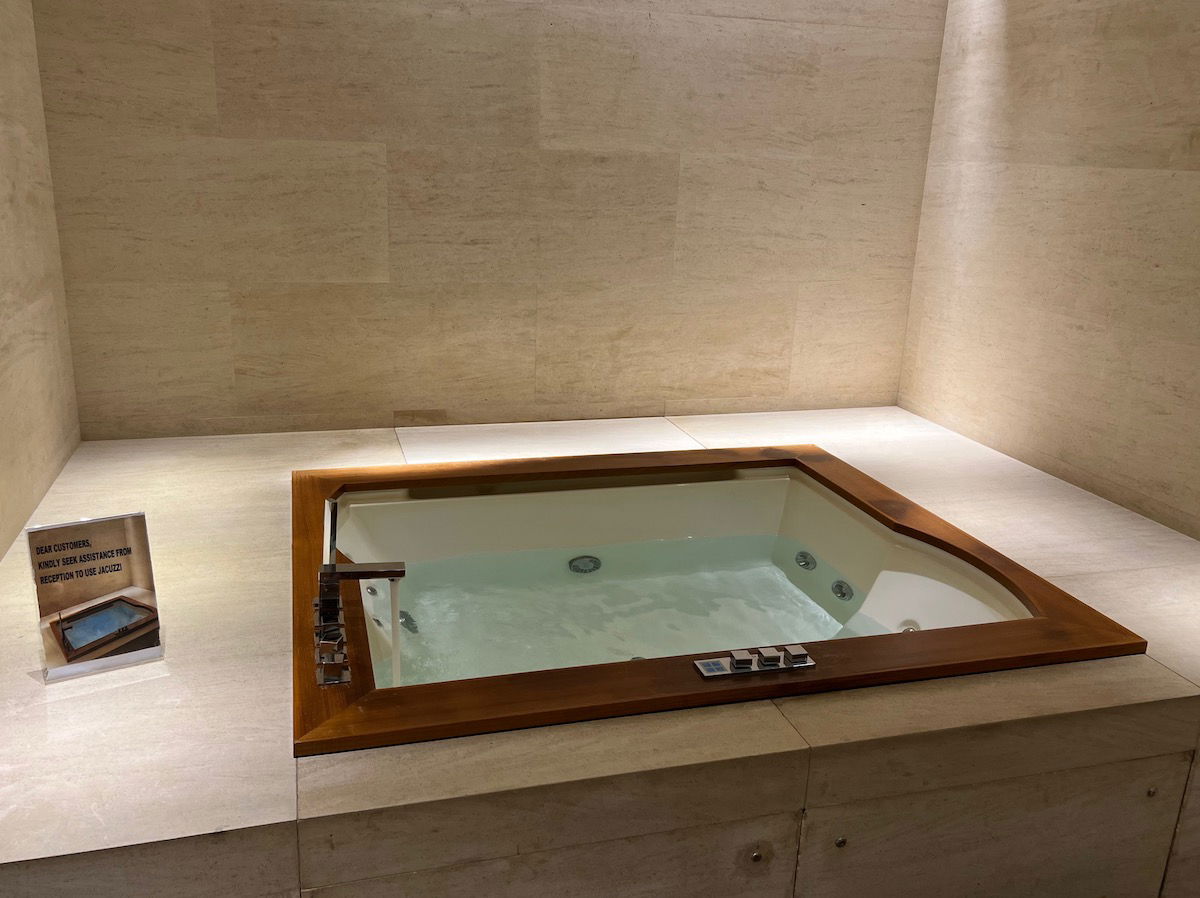
- The Al Safwa Hot Tub: The Al Safwa First Lounge features a stunning, minimalist hot tub. While some travelers express reservations regarding hygiene in shared facilities, the visual and physical impact of a full-sized hot tub in an airport is undeniably impressive.
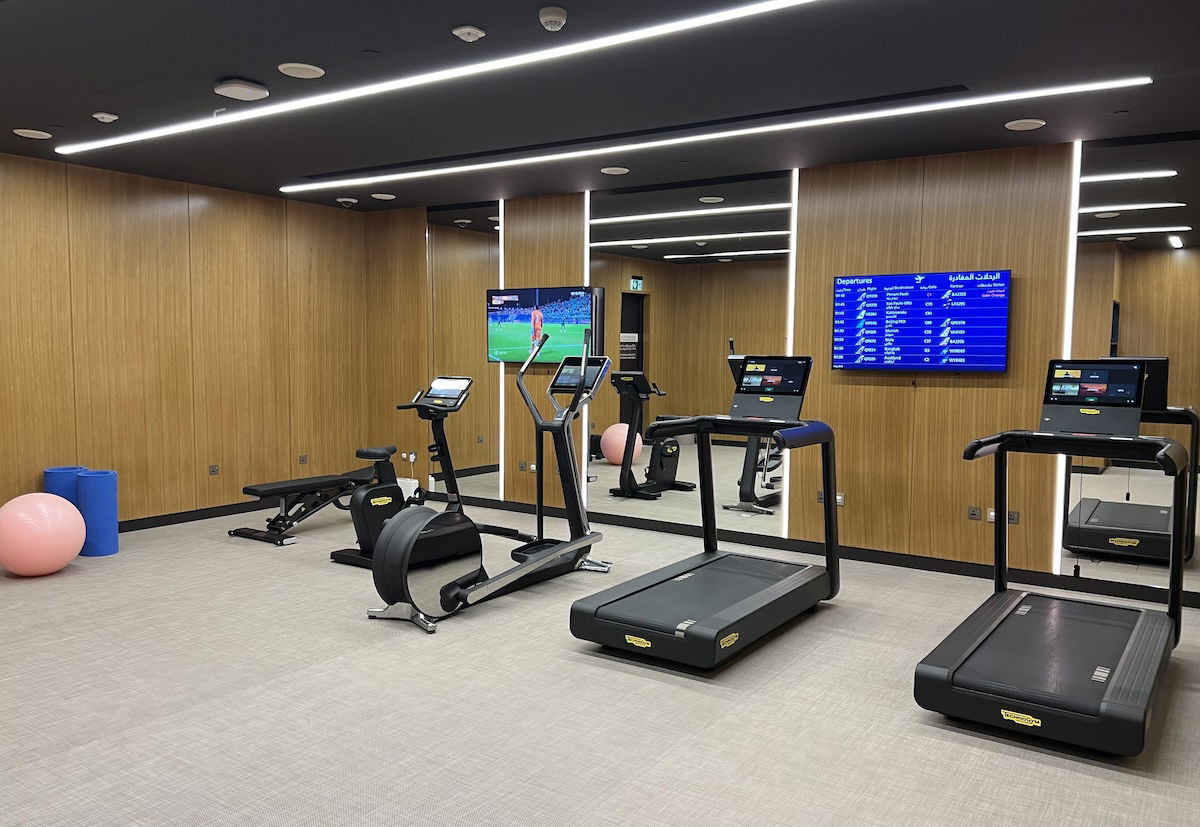
- The Al Mourjan Gym: The Al Mourjan Garden Business Lounge takes a different approach to wellness by providing a dedicated fitness center. Featuring high-end cardio equipment and a selection of free weights, it caters to the health-conscious business traveler who wishes to maintain their routine despite long-haul travel fatigue.
4. The Aviation Enthusiast’s Dream: SWISS Terrace (Zurich)
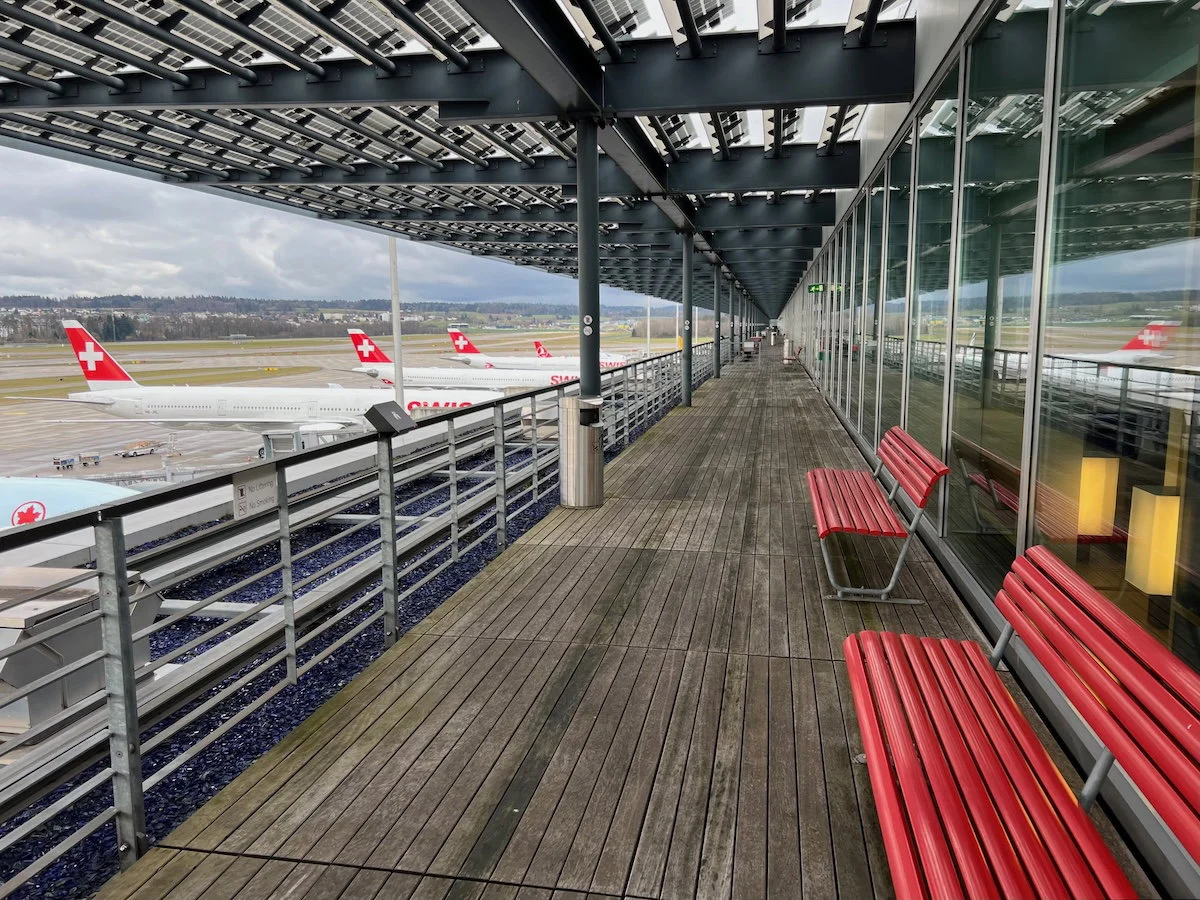
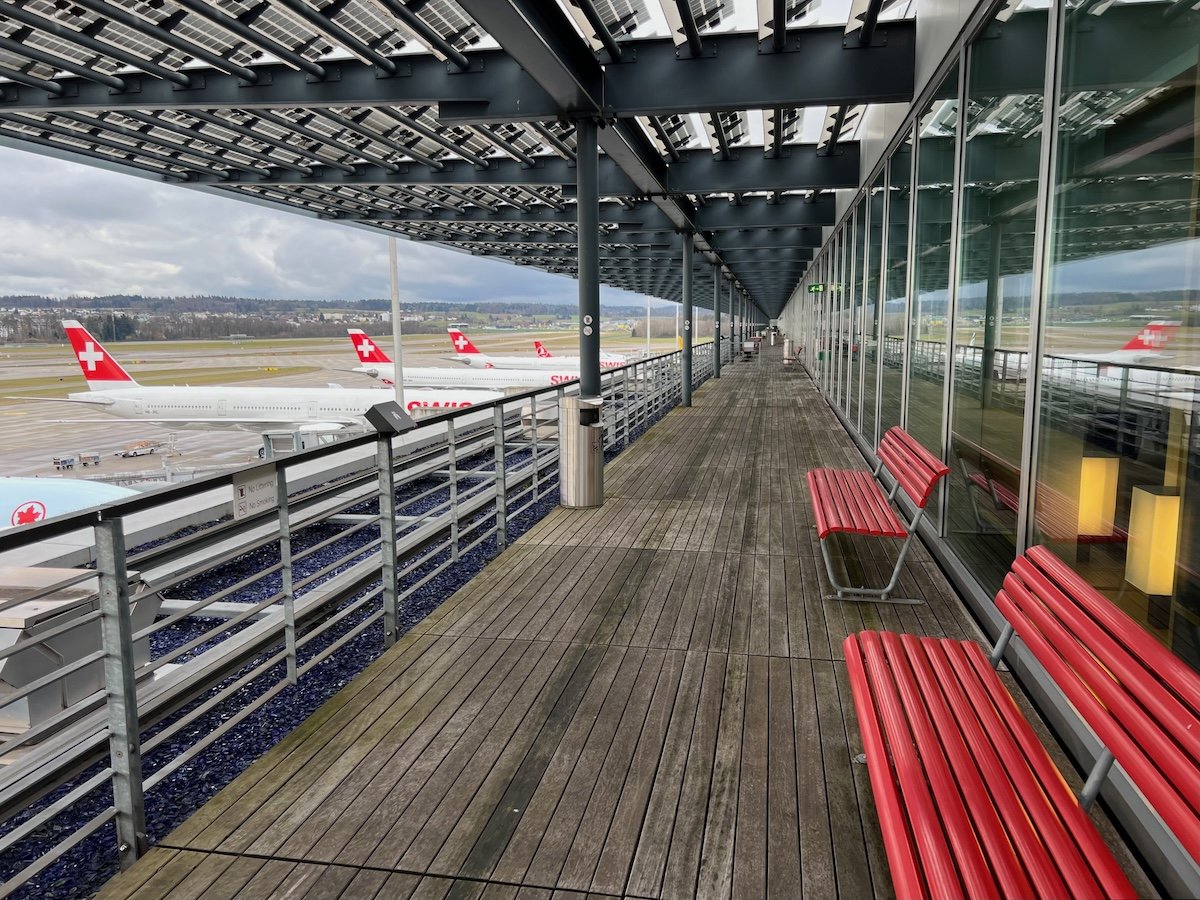
For the frequent flyer, the most frustrating aspect of air travel is the disconnect from the aircraft itself. The SWISS First Class Lounge terrace addresses this by providing an expansive, outdoor viewing area.
- Supporting Data: The terrace provides panoramic views of the runway and apron. During the summer months, the airline curates the space with seasonal offerings, such as artisanal ice cream, elevating the experience from a mere "balcony" to a genuine social venue.
- Implications: As terminal design moves toward larger, enclosed spaces, the ability to step outside and breathe fresh air while watching the mechanics of flight serves as a unique psychological relief for travelers.
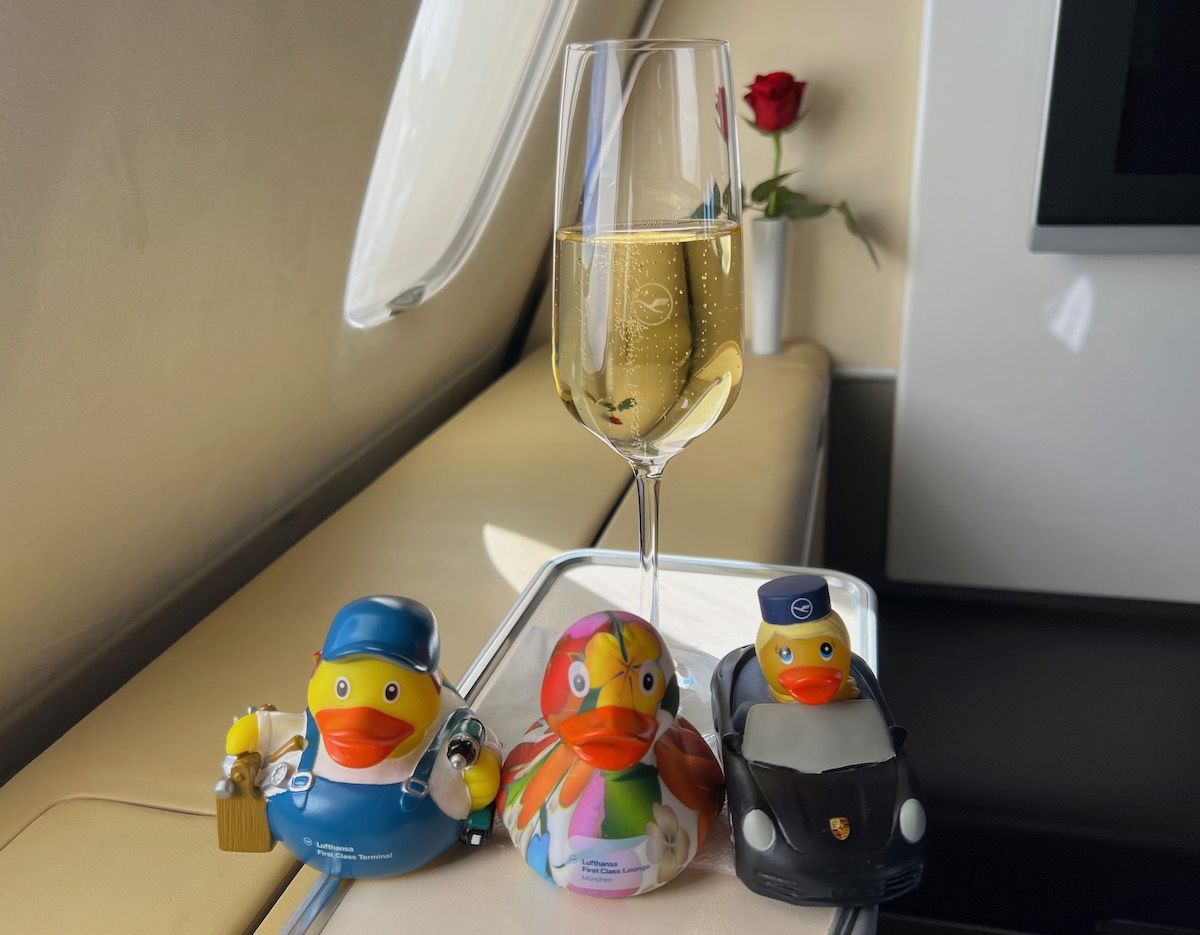
5. The Eccentric Tradition: Lufthansa’s Rubber Ducks
In the world of high-stakes corporate aviation, it is refreshing to find a sense of whimsy. Lufthansa’s rubber duck collection has become a legendary "secret" among elite frequent flyers.
- Chronology: What began as a simple, functional amenity—placing a rubber duck in the bathtubs of the First Class Terminal in Frankfurt—morphed into a cult phenomenon.
- The Collector’s Item: Over the years, the ducks have become seasonal, thematic, and highly collectible. They serve as a low-cost, high-impact branding tool that humanizes the Lufthansa First Class experience. It is a rare example of a quirky, minor amenity becoming a primary motivator for traveler loyalty.
6. Seamless Transit: Emirates and the "Direct Boarding" Concept
Emirates has effectively eliminated the "gate sprint" by designing its lounges at Dubai International Airport (Terminal A) to span the entire length of the concourse.
- The Mechanism: Passengers can board their aircraft directly from the lounge. This is not merely a convenience; it is a fundamental shift in the boarding process. It removes the stress of crowds, security lines, and terminal transit.
- Scale: This infrastructure requires massive investment and architectural coordination. While some outstation lounges for Emirates (such as those in Milan or New York) offer partial solutions, the Dubai facility remains the gold standard for seamless, stress-free boarding.
7. The British Airways "First Wing" and Security Efficiency
For many, the most stressful part of travel is the security checkpoint. The British Airways "First Wing" at London Heathrow is designed to mitigate this anxiety through exclusivity and flow.
- The Workflow: By providing a private security checkpoint that deposits the passenger directly into the Galleries First lounge, British Airways has turned a mandatory inconvenience into an elegant process.
- Market Positioning: This feature is arguably the most practical amenity on this list. It signals to the traveler that their time is respected, providing a tangible benefit to the oneworld Emerald status holder that is immediately felt upon entering the airport.
8. The Gold Standard: Air France’s La Première Immigration
The pinnacle of the luxury ground experience is currently held by Air France at Paris-Charles de Gaulle.
- The Process: Upon arrival, guests are met planeside and driven via private limousine to a dedicated customs and immigration process that occurs without the guest ever leaving the vehicle.
- The Implications: This is the closest a commercial passenger can get to the private jet experience. By removing the need to navigate the terminal, immigration queues, and baggage claim, Air France has redefined the arrivals process. It is a level of service that moves beyond "lounge amenities" and into the realm of high-end concierge logistics.
Conclusion and Industry Outlook
As the airline industry continues to recover and expand, the competition for the premium passenger has intensified. The amenities listed above—from the saunas of Helsinki to the limousine immigration in Paris—are not merely "perks." They are strategic investments in passenger experience.
However, the industry also faces a trend of "de-contenting." Many legacy amenities, such as the barber shops and gyms once offered by Etihad in Abu Dhabi, have been cut in favor of cost-efficiency. This makes the remaining bastions of luxury even more significant.
For the traveler, these features represent more than just comfort; they represent an acknowledgment of the stresses inherent in global travel. As we look to the future, it is clear that the most successful airlines will be those that continue to offer, as Finnair or SWISS have done, features that feel personal, culturally relevant, and physically restorative. The next evolution of the lounge will likely focus on even greater levels of personalization and digital integration, but for now, the physical luxuries—the bed, the terrace, and the seamless transition—remain the ultimate markers of elite air travel.