







By Editorial Staff
In an incident that has sent shockwaves through the aviation industry and prompted a stern internal investigation, a British Airways flight from Bridgetown, Barbados, to London Heathrow was forced to cancel its passenger operations after several crew members became incapacitated due to excessive alcohol consumption. The spectacle, which reportedly involved public intoxication, physical collapse, and an arrogant dismissal of complaints from fellow resort guests, has left hundreds of passengers stranded and the airline facing a massive financial bill.
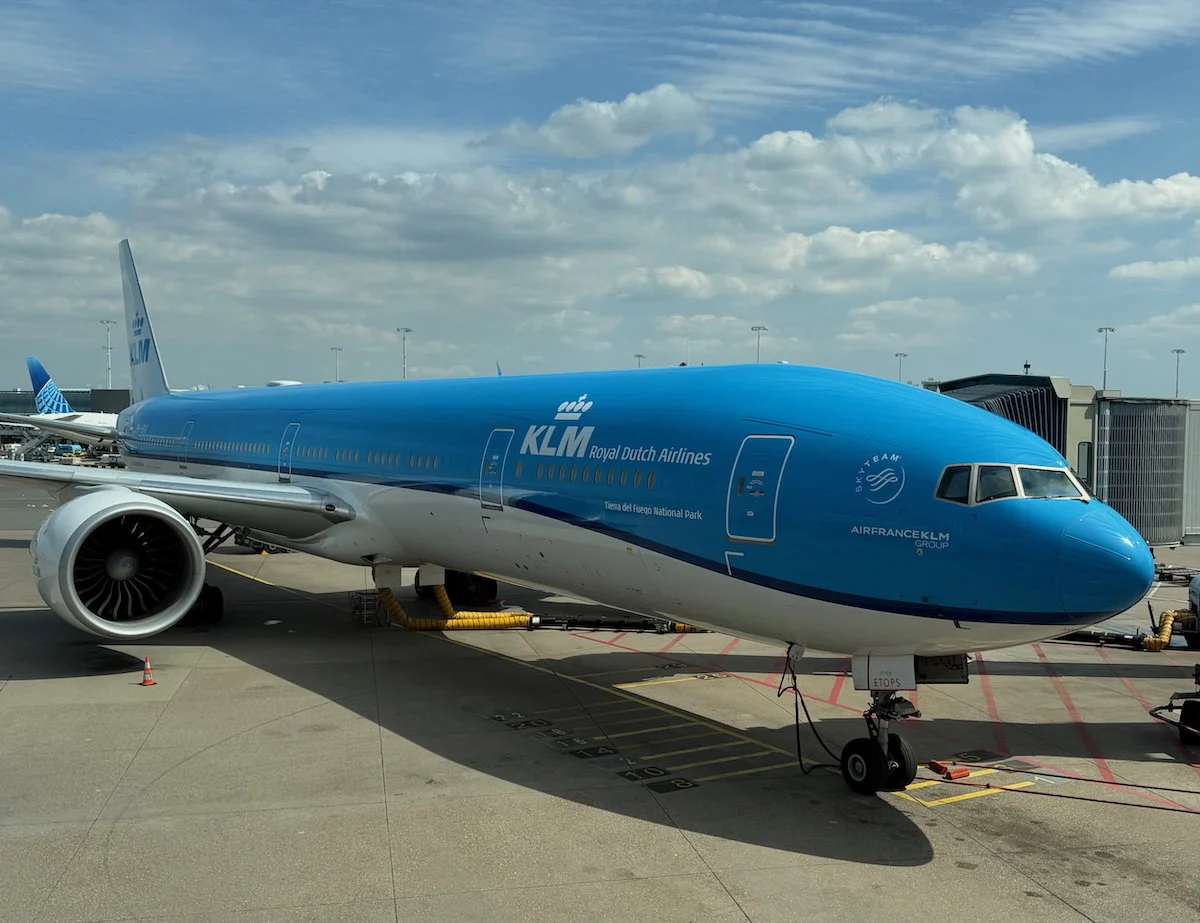
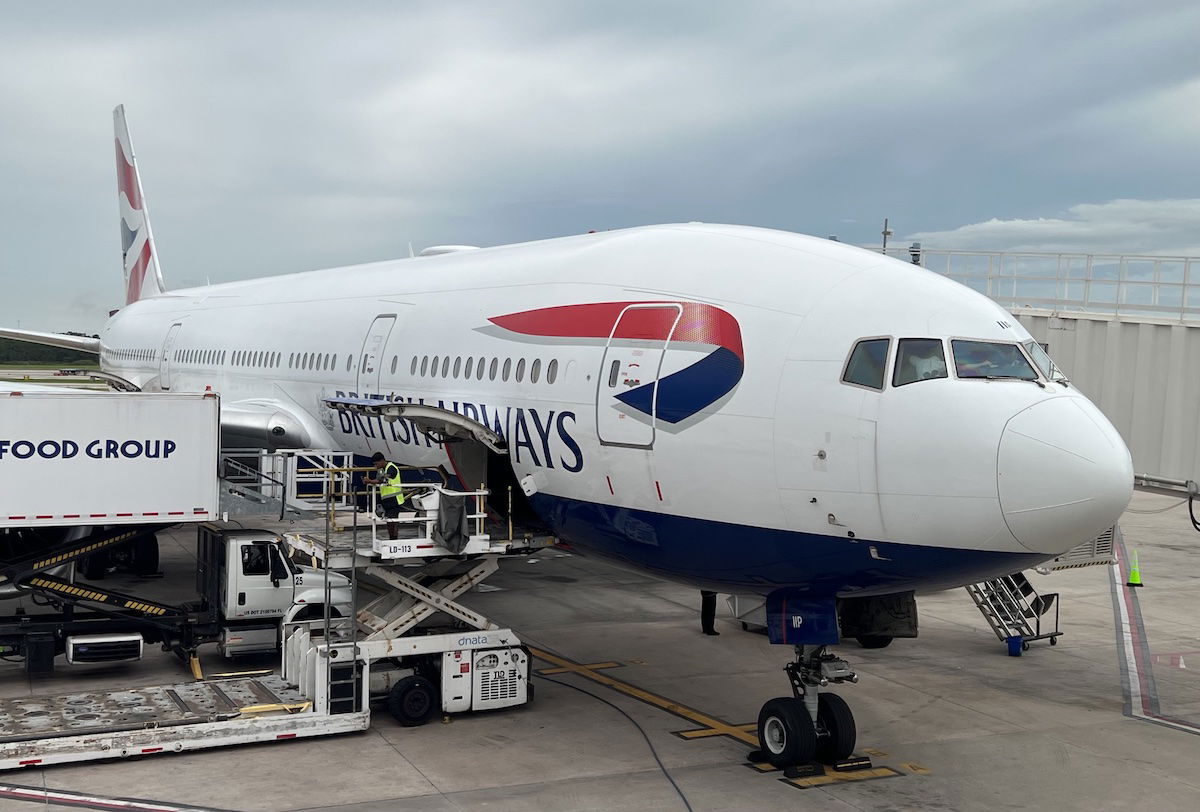
The incident occurred on July 5, 2026, involving British Airways flight BA254, which was scheduled to be operated by a 29-year-old Boeing 777-200ER (registration G-VIIA). Instead of facilitating a routine transatlantic crossing, the aircraft was forced to operate as a ferry flight under a new designation, BA9156, departing hours behind schedule with an empty cabin.
The Chronology of a Collapse
The events unfolded at an all-inclusive resort in Barbados, where British Airways typically houses its long-haul flight crews during their layovers. While rest is the primary objective of any layover, the unlimited beverage packages provided by the resort proved too great a temptation for some members of the cabin crew.
According to reports from eyewitnesses and guests at the resort, the situation escalated rapidly throughout the day. What began as an afternoon of drinking devolved into a scene of public disorder. Witnesses reported seeing flight attendants engaging in unruly behavior, culminating in one crew member suffering from severe vomiting and another physically collapsing, requiring them to be carried back to their quarters by colleagues.
When other guests, disturbed by the rowdy conduct, confronted the group, the flight attendants allegedly responded with an alarming sense of entitlement, purportedly shouting, “We’re British Airways crew, what of it?”
The following morning, the reality of the situation hit the tarmac. To legally operate a commercial flight, an airline must meet strict regulatory minimums regarding the number of cabin crew members on board. Because several staff members were in no condition to perform safety-critical duties, the airline found itself unable to staff flight BA254. With no reserve crew available on the island, the airline had no choice but to cancel the passenger-carrying flight. The pilots were ordered to fly the aircraft back to London empty, with the intoxicated crew members relegated to "deadheading"—a term used when off-duty staff occupy passenger seats to be repositioned.
The Regulatory and Financial Fallout
The operational decision to fly the Boeing 777 empty was not only a logistical nightmare but a significant financial blow to the airline. Under the United Kingdom’s civil aviation regulations (specifically UK261), passengers are entitled to substantial compensation for delays or cancellations caused by factors within the airline’s control.
Given that the flight was canceled due to the conduct of the crew, it falls squarely under the category of “controllable” circumstances. Passengers who reached their destination at least four hours behind schedule are entitled to up to £520 ($696) per person in statutory compensation. When combined with the costs of providing hotel accommodation, meals, and rebooking services for approximately 240 passengers, industry analysts estimate the total cost of the incident to British Airways will likely exceed $200,000.
This financial impact is compounded by the opportunity cost of an empty aircraft. The fuel, maintenance, and landing fees associated with the ferry flight were effectively burned to rectify a problem that was entirely preventable.
Official Responses and Internal Discipline
British Airways has confirmed that it has suspended four flight attendants pending a comprehensive internal investigation. In a brief statement issued shortly after the incident, the airline noted, “We expect the highest standards of our crew and are urgently investigating this matter.”
The suspension of four individuals at once is a significant move for a major carrier, signaling that the company views the breach of conduct as a severe violation of its corporate policy. Aviation industry experts suggest that the investigation will focus not only on the intoxication itself but on whether the crew violated "duty time" regulations—which dictate the period before a flight during which crew members must remain abstinent from alcohol.
The Broader Implications for Airline Culture
This incident has reignited a long-standing debate regarding the logistics of long-haul layovers. While the use of all-inclusive resorts is often marketed as a benefit to attract talent, the "unlimited" nature of these stays presents a unique risk management challenge.
The "Duty of Care" vs. Personal Responsibility
At the heart of the issue is the boundary between a crew member’s private life and their professional obligations. While employees are entitled to enjoy their downtime, the nature of aviation safety requires a "constant state of readiness." Unlike many other professions, a flight attendant’s primary role is that of a safety officer trained to handle medical emergencies, fires, and evacuations. Being in a state of intoxication renders a crew member unable to fulfill these duties, placing the safety of the entire aircraft in jeopardy.
The Question of Punitive Measures
The incident has raised questions about whether the four suspended employees should face termination. Opinion remains divided:
- The Case for Termination: Proponents argue that the brand damage, the financial loss to the company, and the disregard for passenger experience constitute gross misconduct. They argue that termination is necessary to uphold the professional reputation of the airline and to serve as a deterrent to other staff who might view a layover as a vacation.
- The Case for Rehabilitation: Others, noting the potential for human error in high-pressure jobs, suggest that if the individuals involved are seasoned staff with otherwise clean records, the airline might consider a "last chance" agreement involving mandatory counseling and rigorous probationary monitoring.
However, the specific behavior reported—the public arrogance and the "don’t you know who I am" attitude toward other guests—suggests a cultural issue that may require more than just individual discipline.
A Reputation Under Pressure
This is not the first time British Airways has faced scrutiny over the conduct of its staff during layovers. The airline, which prides itself on a legacy of premium service and high professional standards, has struggled in recent years to balance the demands of a post-pandemic workforce with the rigid requirements of international flight operations.
The incident in Barbados serves as a stark reminder of how fragile the logistics of commercial aviation can be. A single "night out" gone wrong has the power to disrupt the travel plans of hundreds, tarnish a global brand, and trigger a six-figure financial loss.
As the investigation into the July 5th incident continues, the aviation community will be watching closely to see if British Airways implements stricter policies regarding layover accommodations or if it chooses to rely on the current system, trusting its staff to exercise the level of judgment required of those responsible for the safety of the skies.
For the passengers who were left in Barbados, the incident remains a frustrating example of how their travel plans were derailed by the very people meant to ensure their safety and comfort. Whether the airline’s response will be sufficient to restore public confidence in its cabin operations remains to be seen. For now, the "All-Inclusive" perks once synonymous with the glamorous life of a flight attendant may face a period of rigorous re-evaluation by management at Waterside, the airline’s headquarters.