







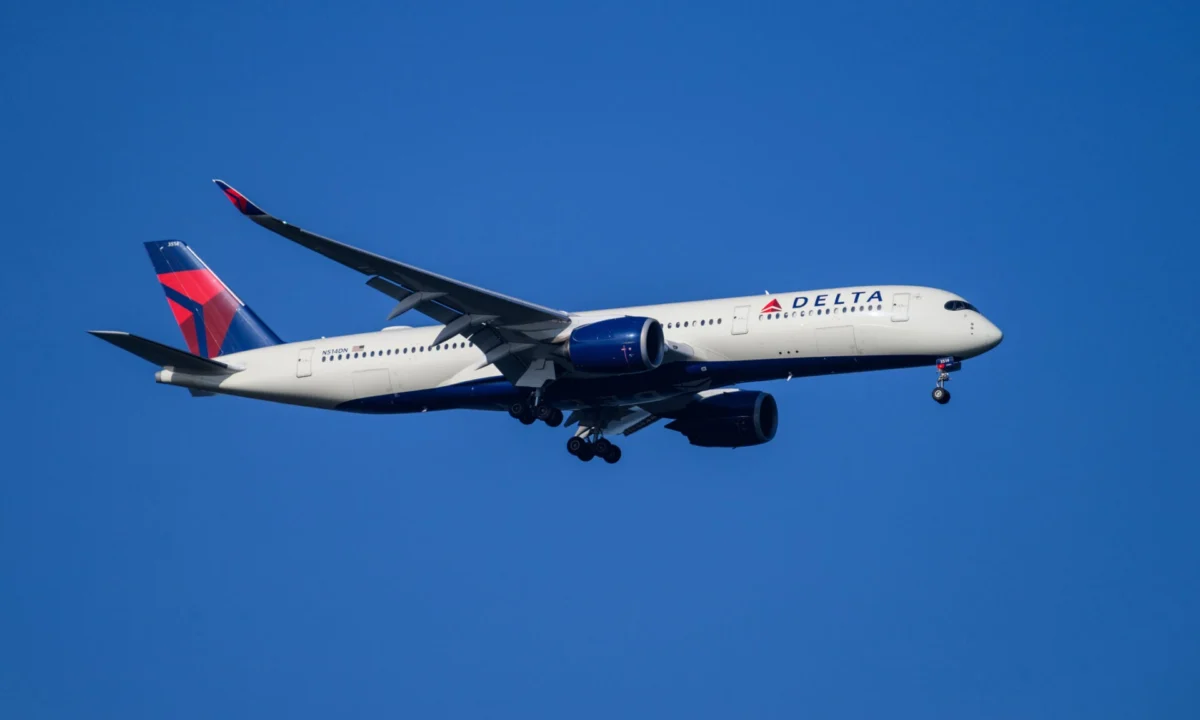
Atlanta, GA – Delta Air Lines is significantly altering its pricing structure, extending its "basic fare" model into premium cabins, a move that promises greater choice for some travelers but potentially diminishes the value proposition for others accustomed to inclusive premium experiences. Effective immediately, passengers can now opt for discounted fares in First Class, Premium Select, and Delta One, but this comes at the cost of several formerly standard perks. This strategic shift, which Delta executives frame as offering greater customer choice, represents a full embrace of the unbundling trend that has reshaped the airline industry in recent years.
Previously, Delta had established basic fare options for its economy products, namely Main Cabin and Comfort+. The extension of this strategy to its higher-tier offerings – Premium Select, First Class, and Delta One – signifies a comprehensive adoption of a la carte pricing for premium travel. This means that instead of a bundled fare that automatically includes a suite of amenities, passengers will now need to pay extra for specific benefits that were once considered inherent to flying in these elevated classes. This change could be met with frustration by frequent flyers who have come to expect certain perks as standard, and it opens the door for Delta to potentially increase the standalone prices of these benefits in the future.
The Evolution of Premium Travel: Unbundling Takes Center Stage
For years, the airline industry has been moving towards a model of unbundling services, a strategy that allows carriers to offer lower base fares while charging separately for amenities such as checked baggage, seat selection, and in-flight meals. Delta’s recent announcement marks a significant escalation of this trend, bringing it directly into its premium cabins. This strategic pivot is designed to cater to a broader spectrum of travelers, from those seeking the most economical way to experience a premium seat to those willing to pay for the full suite of benefits.
The core of Delta’s new approach is the introduction of three distinct "basic" fare types within its premium cabin categories: Delta First Basic, Delta Premium Select Basic, and Basic Business (applicable to Delta One flights). These new fare classes mirror the restrictions already in place for their economy counterparts, Main Cabin Basic and Comfort+ Basic. The overarching principle is that a lower price point is achieved by stripping away certain amenities.
What Delta’s New Basic Restrictions Entail
Passengers opting for these new basic premium fares will encounter a common set of restrictions that significantly alter the traditional premium travel experience. These limitations are designed to create a more streamlined, lower-cost offering for a specific segment of the market.
- Loss of Complimentary Seat Selection: While booking a premium cabin historically granted passengers the flexibility to select their preferred seat without an additional charge, this perk is being eliminated for basic fare bookings. Travelers will likely be assigned seats at check-in or will have to pay a fee to select a specific seat. This change directly impacts passenger comfort and control over their travel arrangements.
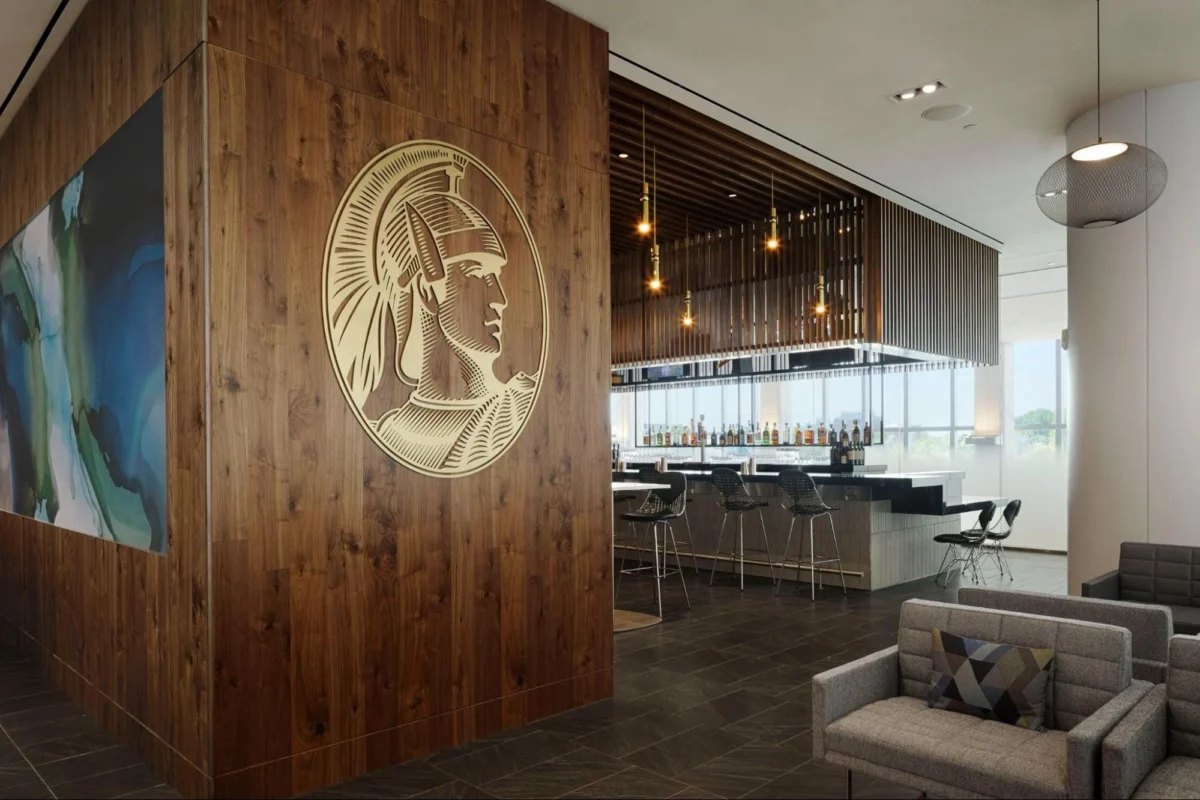
- No Lounge Access: A cornerstone of the premium travel experience has been access to exclusive airport lounges, offering a tranquil escape from the crowded terminals. Under the new basic fares, this amenity is being removed. Passengers flying in Delta First Basic, Delta Premium Select Basic, or Basic Business will no longer automatically qualify for entry into Delta Sky Clubs. This is a significant departure from previous policies, where certain elite status tiers or specific premium cabin bookings would grant lounge access.
- Reduced Checked Baggage Allowance: The generosity of checked baggage allowances is also being curtailed for basic premium fares. While specific details on the exact reduction may vary, it is expected that passengers will receive fewer free checked bags compared to standard premium cabin fares. This could lead to increased costs for travelers who typically check multiple pieces of luggage.
- No Priority Boarding: The expedited boarding process, which allows premium passengers to board the aircraft before general boarding, is also being removed for basic fare holders. This means that those flying on basic premium fares will likely board with the general passenger population, potentially impacting their ability to secure overhead bin space for carry-on luggage.
- No Changes or Refunds: A critical restriction of basic fares, now extended to premium cabins, is the limitation on changes and refunds. Passengers booking these fares will likely find them to be non-changeable and non-refundable, or subject to significant fees for any modifications. This significantly reduces flexibility for travelers whose plans may be subject to change.
Joe Esposito, Delta’s Executive Vice President and Chief Commercial Officer, articulated the airline’s perspective, stating, "This expansion gives customers more ways to choose the Delta experience that best fits their trip, and a new way to access our premium-tier products." He emphasized the airline’s commitment to providing options that cater to diverse travel needs and budgets.
An important distinction for travelers to note is the method of booking. While Delta’s basic economy fares (Main Cabin Basic) can be booked using award miles, the new basic premium fares will only be available for cash bookings. This means that travelers looking to redeem loyalty points for a discounted premium seat will not be able to utilize these new basic options.
Basic Business Tickets to See Significant Ground Benefit Reductions
Perhaps one of the most impactful changes for those considering premium travel is the erosion of ground benefits associated with the Basic Business fare, which applies to Delta One flights. Historically, Delta One has been synonymous with a seamless and luxurious experience, extending beyond the aircraft itself.
Effective January 19, 2027, travelers who purchase a Basic Business ticket will no longer have access to Delta One’s exclusive ground amenities. This includes entry into the premium check-in areas at airports and the highly sought-after Delta One Lounges at select locations. For passengers who value the comprehensive premium experience, including the convenience and exclusivity of ground services, this represents a significant downgrade. To retain these ground benefits, travelers will need to opt for a higher fare class, such as Delta One Classic or Delta One Extra.
It is important to note that the onboard experience within Delta One will largely remain consistent, regardless of the fare purchased. Passengers will still experience the lie-flat seats, elevated dining, and premium amenities expected in Delta One. However, the ability to select a seat for free will be a casualty of the Basic Business fare, mirroring the restriction in other basic fare categories.
Basic Flyers Will Lose Automatic Lounge Access Across Premium Cabins
The removal of automatic lounge access is not confined to Delta One. Passengers flying on Delta First Basic and Delta Premium Select Basic tickets will also be subject to these new restrictions. Currently, Delta Sky Club access is available to travelers with Delta Gold Medallion status or higher when flying in these premium cabins on eligible routes. This new policy effectively removes this perk for basic fare ticket holders, regardless of their elite status, unless they purchase a separate lounge membership or day pass.
This move aligns with a broader trend in the airline industry where lounge access is becoming increasingly restricted or tied to specific fare types and elite tiers, rather than being an automatic entitlement of premium cabin travel.
What This Means for Flyers: A Shift in Value Proposition
The introduction of basic fares in premium cabins signifies a fundamental shift in the value proposition of flying Delta. For decades, premium cabins offered a bundled package of comfort, convenience, and exclusivity. Now, travelers must carefully dissect the components of that package and decide which elements are most important to them, and how much they are willing to pay for each.
For flyers who prioritize the ground experience – including lounge access, complimentary seat selection, and extra baggage – the new basic fares represent a significant loss of previously standard benefits. While these basic fares might appear cheaper upfront, they could ultimately lead to increased out-of-pocket expenses if travelers choose to purchase individual amenities that were once included.
A key concern for consumers is the potential for this unbundling strategy to serve as a veiled price increase. While Delta may tout the availability of lower-priced premium seats, it remains to be seen whether the total cost for a fully featured premium experience will truly be less than what was offered before the introduction of basic fares. The airline’s ability to charge more for standalone benefits could offset any initial savings from the basic fare itself.
Delta’s strategic move is not an isolated incident. The airline industry is increasingly adopting this unbundling approach. United Airlines, for instance, was an early adopter, introducing basic fare categories for its premium products with similarly pared-back perks. This suggests a growing industry-wide consensus on the profitability and customer segmentation potential of such strategies.
For travelers aiming to maximize their premium experience:
- Choose Wisely: If you are booking a premium fare and wish to enjoy all the associated benefits, including lounge access and free seat selection, it is crucial to book a Delta One Classic or Delta One Extra fare, or their equivalents in First Class and Premium Select, rather than the "Basic" options.
- Understand the Trade-offs: If you opt for a basic premium fare, be acutely aware of the limitations and be prepared for the potential additional costs or inconveniences associated with the removed perks.
- Consider Elite Status: While basic fares strip away many benefits, Delta’s elite Medallion members may still retain some privileges, though lounge access specifically tied to cabin class is being significantly curtailed for basic fares.
How to Maximize Your Rewards and Navigate the New Landscape
In this evolving landscape, savvy travelers will need to be more strategic than ever in how they book and utilize their rewards. Understanding the nuances of Delta’s fare structure is paramount to getting the most value from your travel budget.
- Loyalty Program Engagement: For frequent Delta flyers, maintaining or improving Medallion status could become even more critical. While lounge access is being restricted for basic fares, elite status often confers other benefits like priority boarding, upgrades, and bonus miles, which can still enhance the travel experience.
- Credit Card Benefits: Certain travel-focused credit cards offer benefits that can partially offset the loss of premium perks. For example, some cards provide complimentary lounge access, statement credits for baggage fees, or priority boarding. Thoroughly reviewing the benefits of your credit cards is essential.
- Comparison Shopping: Before booking, it is advisable to compare the total cost of a "basic" premium fare plus any desired add-ons against the price of a standard premium fare. This will help determine which option offers the best value for your specific needs.
- Flexibility: For those who historically booked premium cabins for flexibility, the non-changeable and non-refundable nature of basic fares requires a reassessment of travel planning. Building in buffer time and ensuring travel plans are firm is crucial.
- Advocacy and Feedback: While airlines often implement these changes with the backing of data, consumer feedback can influence future adjustments. Engaging with Delta through surveys or customer service channels to express concerns or preferences can be valuable.
Delta’s move to introduce basic fares in its premium cabins is a bold step that reflects a broader industry trend towards personalized pricing and unbundling. While it offers the promise of greater accessibility to premium seats for a wider range of travelers, it simultaneously redefines what it means to fly in luxury. For consumers, this necessitates a more informed and deliberate approach to booking, ensuring that the chosen fare aligns with their expectations and budget. The era of the all-inclusive premium cabin experience, at least as a default offering, is clearly evolving.