








On July 1, 2026, the landscape of American graduate and professional education will undergo its most significant transformation in decades. The federal government is set to sunset the Grad PLUS loan program, which has historically allowed students to borrow up to the total cost of attendance for their chosen programs. In its place, a new, rigid framework of federal loan caps will be implemented, fundamentally altering how students finance their futures and how universities structure their curricula.
This pivot marks a departure from a long-standing federal policy of providing near-unlimited liquidity to graduate students, shifting the burden of high-cost education toward private lenders and individual financial planning. For the incoming cohort of graduate students, this represents an immediate financial hurdle; for current students, it creates a high-stakes environment where every enrollment decision could be the difference between completing a degree and facing an unexpected funding shortfall.
The New Financial Reality: Hard Caps Defined
Beginning July 1, 2026, the era of borrowing for full tuition, books, and living expenses through the federal Grad PLUS program concludes. The Department of Education will replace this flexibility with strict annual and lifetime limits. These caps are binary, categorized by whether a student is enrolled in a standard graduate program or a designated "professional" track.
The 2026 Loan Cap Structure
| Loan Type | Graduate (Standard) | Professional (Select Fields) |
|---|---|---|
| Annual Federal Cap | $20,500 | $50,000 |
| Aggregate Grad/Prof Cap | $100,000 | $200,000 |
| Combined Lifetime Cap | $257,500 | $257,500 |
Crucially, the definition of a "professional" degree is narrow. While medicine, dentistry, law, veterinary medicine, and chiropractic programs generally fall under the higher $50,000 annual threshold, many other high-cost, high-utility fields—such as physician assistant (PA), physical therapy (PT), and nurse practitioner programs—are categorized as standard graduate programs. These students will face a $20,500 annual limit, a figure that is often insufficient to cover even a single semester’s tuition at many private institutions, leaving a massive funding gap that must be filled by private credit.
Chronology of the Policy Shift
The transition is not an overnight event, but a carefully managed—though potentially disruptive—regulatory shift.
- Pre-July 1, 2026: Students who have a Direct Loan disbursed for their current program prior to this date are eligible for "grandfathering" under the existing rules.
- July 1, 2026: The new annual and lifetime caps take effect for all new borrowers and new program enrollees.
- The Three-Year Window: For students grandfathered into the old rules, access to Grad PLUS continues for a maximum of three academic years or until degree completion, provided they maintain continuous enrollment.
- Post-2026: The Repayment Assistance Plan (RAP) becomes the primary vehicle for income-driven repayment, with a 30-year forgiveness horizon for private-sector borrowers, signaling a shift toward long-term debt management rather than quick repayment.
The "Grandfathered" Exception: A Fragile Safety Net
For students currently in the middle of their studies, the grandfather clause is a critical lifeline. However, it is a fragile one. The policy dictates that any break in enrollment—whether a formal leave of absence, a withdrawal, or a gap between terms—effectively voids the grandfathered status.
Students who pause their education after July 2026 will lose their access to the legacy borrowing rules. When they return, they will be subject to the new, lower federal caps. For a second-year dental student who has already accrued $150,000 in debt, losing access to federal funding mid-stream could be catastrophic. This reality mandates that students currently enrolled must exercise extreme caution regarding any changes to their academic standing. A voluntary leave of absence, once considered a standard tool for managing burnout, now carries a profound financial penalty.
Implications for Students and Private Lending
The sudden reduction in federal liquidity creates a vacuum that the private student loan market is currently ill-equipped to fill.
The Underwriting Gap
Historically, the private student loan market has been dominated by undergraduate lending, where a parent cosigner provides a safety net. Graduate and professional students, however, represent a unique profile: high future earning potential, but currently low liquidity and significant existing debt. Lenders are still calibrating their risk models. Consequently, we anticipate a volatile first year.
Some lenders will likely adopt conservative stances, requiring cosigners even for students in high-income fields. Others may aggressively court these students, leading to a wide disparity in interest rates and terms. For the borrower, this necessitates a departure from the "set it and forget it" mentality of federal loans. Students must now become sophisticated shoppers, comparing:
- Interest Rates: Fixed vs. variable.
- Cosigner Release: How and when a cosigner can be removed.
- Residency/Fellowship Deferral: Essential for medical and dental students who have years of low-income training ahead.
- Repayment Terms: Balancing monthly affordability against the total cost of interest over 15 to 20 years.
Institutional Pressure: A Reckoning for Higher Education
The availability of unlimited Grad PLUS loans essentially acted as a federal subsidy for tuition inflation. Schools were able to raise prices knowing that the federal government would cover the cost of attendance for any student admitted.
With that backstop removed, the market is poised for a correction. Programs with high costs and poor employment outcomes—specifically those in the "standard graduate" category capped at $20,500—will face immense pressure. We expect to see:
- Cost Containment: Universities may be forced to streamline curricula to reduce tuition.
- Institutional Aid: A pivot toward merit-based and need-based scholarships as schools realize that students can no longer afford the "sticker price."
- Program Closures: Mid-tier programs that cannot demonstrate a high return on investment (ROI) are likely to face consolidation or closure. The era of "easy money" for specialized master’s degrees is drawing to a close.
Preparing for the 2026 Horizon: A Strategic Framework
Preparation must be tailored to the student’s current position in their academic career.
For Prospective Students
If you are planning to enter a graduate program in or after 2026, do not assume federal aid will cover your costs.
- Calculate the Gap: Determine the total cost of attendance minus the federal cap.
- Evaluate ROI: If your projected post-graduation income cannot comfortably support the necessary private loans, reconsider the program or the institution.
- Build Your Credit: As private loans become necessary, your personal credit score becomes a primary financial asset.
For Current Students
- Audit Your Status: Confirm your enrollment status and ensure you do not inadvertently trigger a break in attendance.
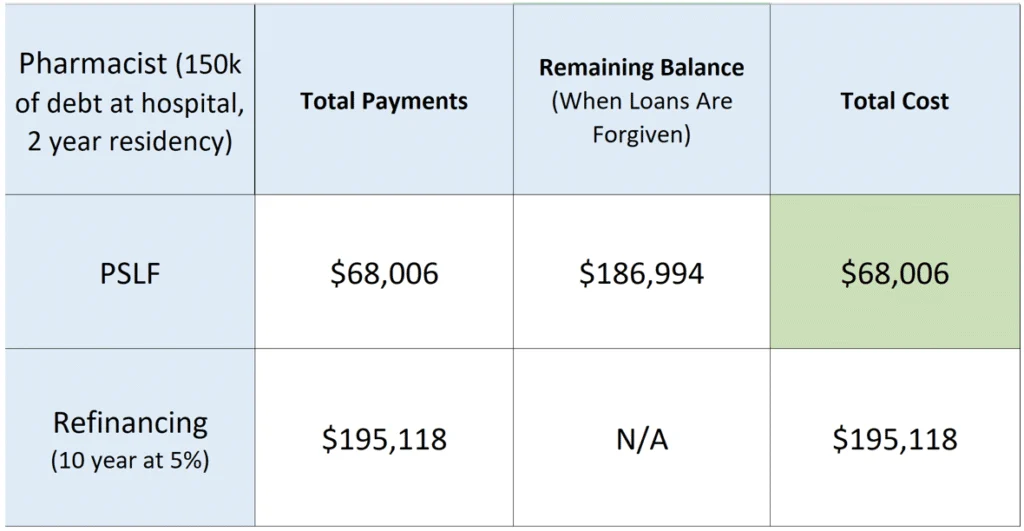
- Plan the Endgame: For those graduating after 2026, the transition to the Repayment Assistance Plan (RAP) is imminent. Understand that if you are in the private sector, you are looking at a 30-year repayment horizon. If you are pursuing Public Service Loan Forgiveness (PSLF), you have a 10-year path, but it requires strict adherence to employer eligibility.
Frequently Asked Questions (FAQ)
Q: If I start my program in the fall of 2025, am I grandfathered?
A: Yes, provided you have a Direct Loan disbursed for that program before July 1, 2026, and you remain continuously enrolled.
Q: Why are Physician Assistants and Physical Therapists capped at $20,500?
A: Under the new law, "professional" status is reserved for specific clinical and legal tracks. Unfortunately, the current legislative language does not include PA or PT programs in the higher-cap category.
Q: Is forgiveness still a viable strategy?
A: Yes, but the timeline has changed for many. The new Repayment Assistance Plan (RAP) extends the forgiveness timeline to 30 years for those not in public service. Borrowers must run the numbers to see if paying the loan off aggressively is more cost-effective than waiting for a 30-year forgiveness event.
Q: What should I do if I cannot afford my program after 2026?
A: Consult with a financial advisor or a student loan specialist. You may need to look at refinancing, private loan options, or potentially transferring to a program with a lower cost structure.
Conclusion
The 2026 Grad PLUS changes represent a fundamental shift in the American higher education ecosystem. While the goal of the policy is to curb runaway tuition inflation and limit taxpayer exposure, the immediate effect is a transfer of risk from the federal government to the student. Navigating this change requires foresight, fiscal discipline, and a clear-eyed assessment of one’s professional ROI. For the next generation of graduate students, financial literacy is no longer an elective—it is a prerequisite for graduation.