





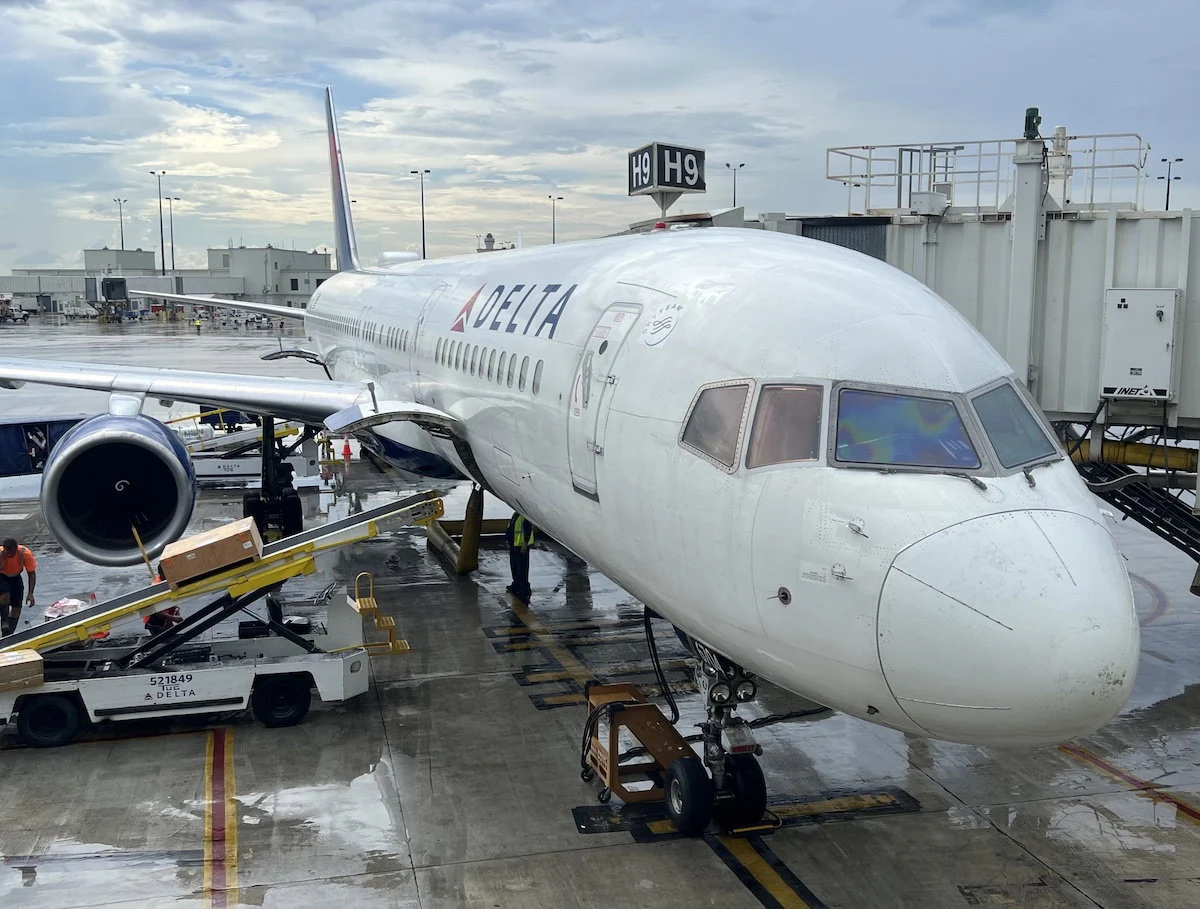
In the wake of global geopolitical volatility and a shifting economic landscape, air travelers have faced a sobering reality: the cost of flying has surged. Over the past five months, average airfare in the United States has climbed by approximately 30%, a steep increase that has left many passengers wondering if the era of affordable air travel is drawing to a close. While industry analysts initially pointed to the skyrocketing price of jet fuel—exacerbated by the ongoing conflict involving Iran—as the primary culprit, a more complex narrative is emerging.
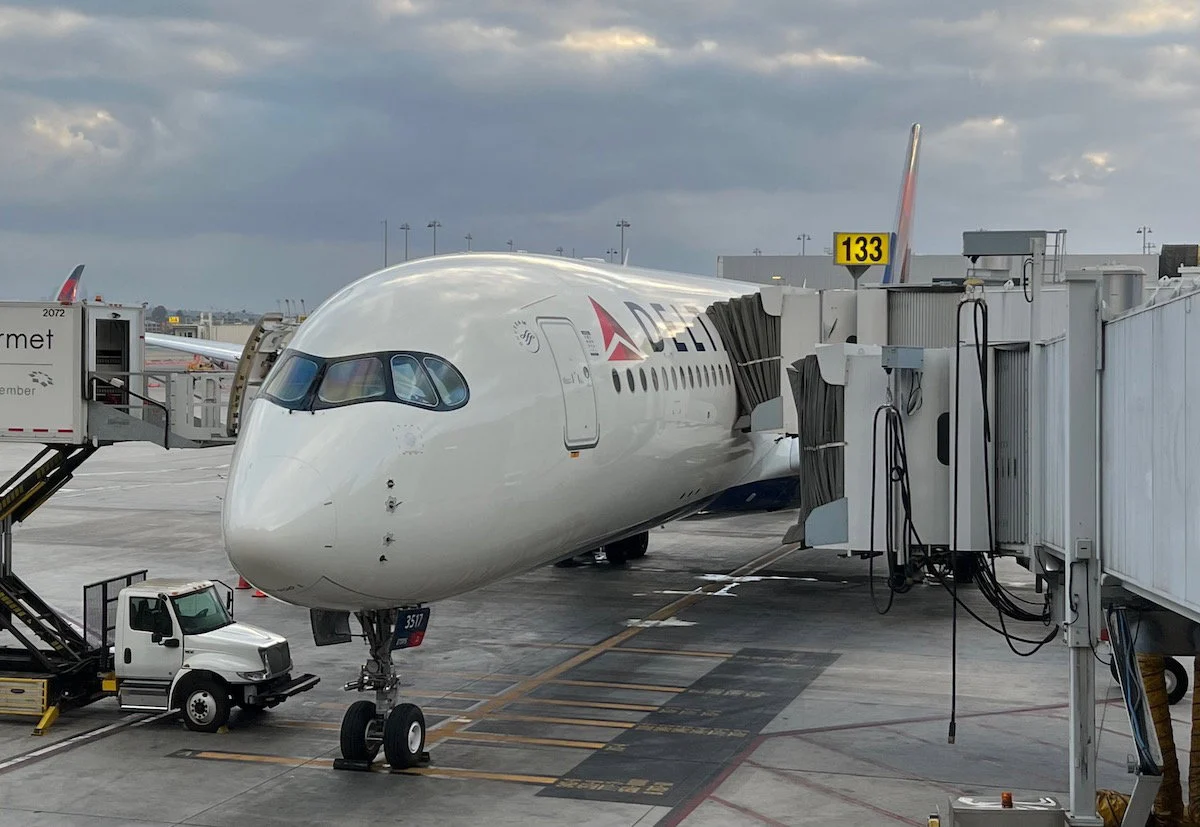
Airlines are no longer viewing these price hikes as temporary emergency measures. Instead, major carriers are treating this period of inflation as a fundamental reset of their business models. Delta Air Lines, the most profitable carrier in the U.S. market, has signaled to investors that it intends to maintain these elevated price levels indefinitely. This shift represents a permanent structural change in how the industry approaches profitability, signaling that passengers should prepare for a long-term "new normal" in air travel costs.
Chronology of a Market Shift
The trajectory of airfare in 2026 has been marked by a transition from reactive pricing to strategic market positioning. Following the initial shocks to the global oil market caused by regional conflicts, airlines were forced to raise ticket prices to cover the immediate, ballooning cost of fuel.
However, as the months progressed, the industry observed a surprising trend: demand remained remarkably resilient. Despite the significant uptick in ticket prices, travelers continued to book flights at high volumes. By April 2026, Delta CEO Ed Bastian began hinting that fares might not retract even if oil prices were to stabilize or drop.
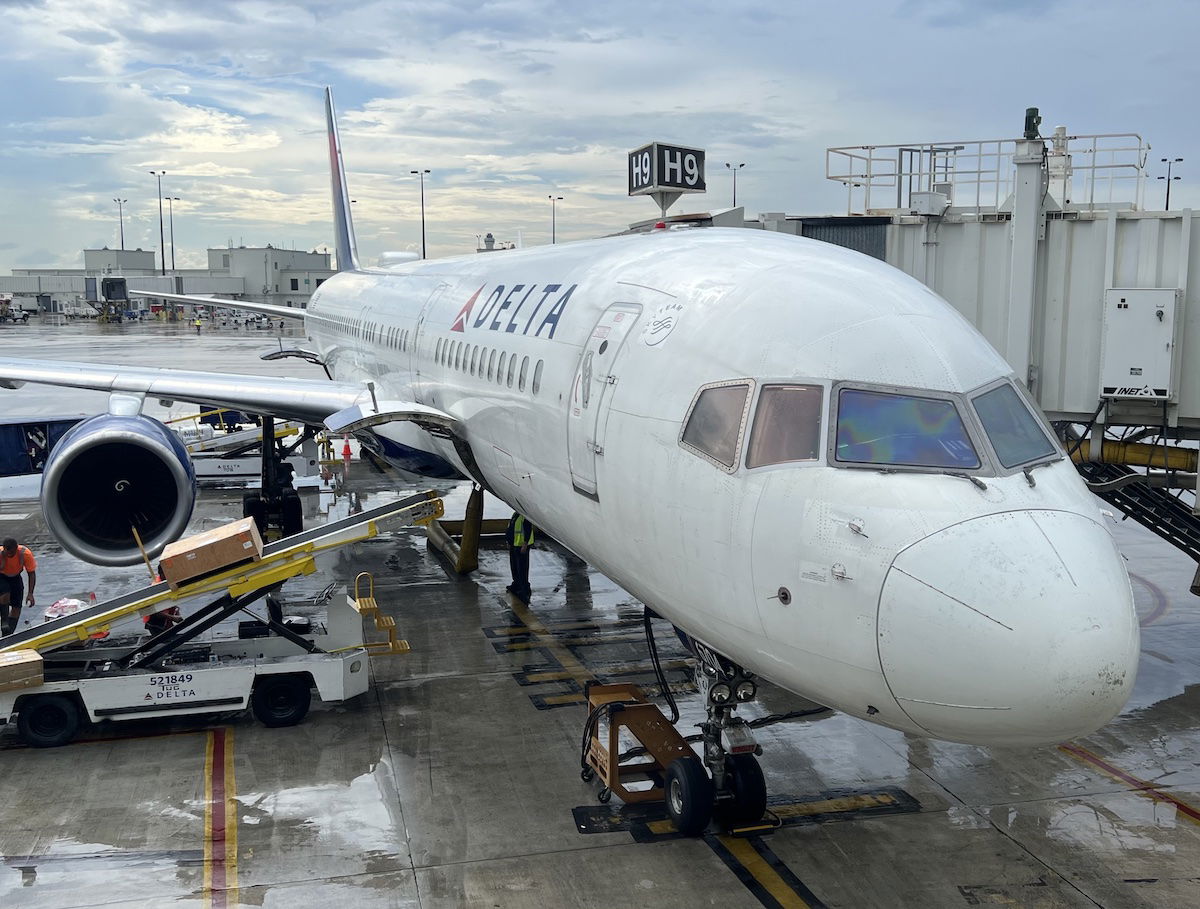
This sentiment was echoed by other industry leaders, including executives at United Airlines, who suggested that the industry had found a new equilibrium. The recently released Q2 2026 earnings reports provide the definitive data to back this up. For Delta, the second quarter resulted in a 14% revenue increase compared to the same period last year, despite capacity growing by only 1%. This indicates that the revenue gains were driven almost exclusively by pricing power, not by an expansion of service.
Supporting Data: Profitability Through Pricing Power
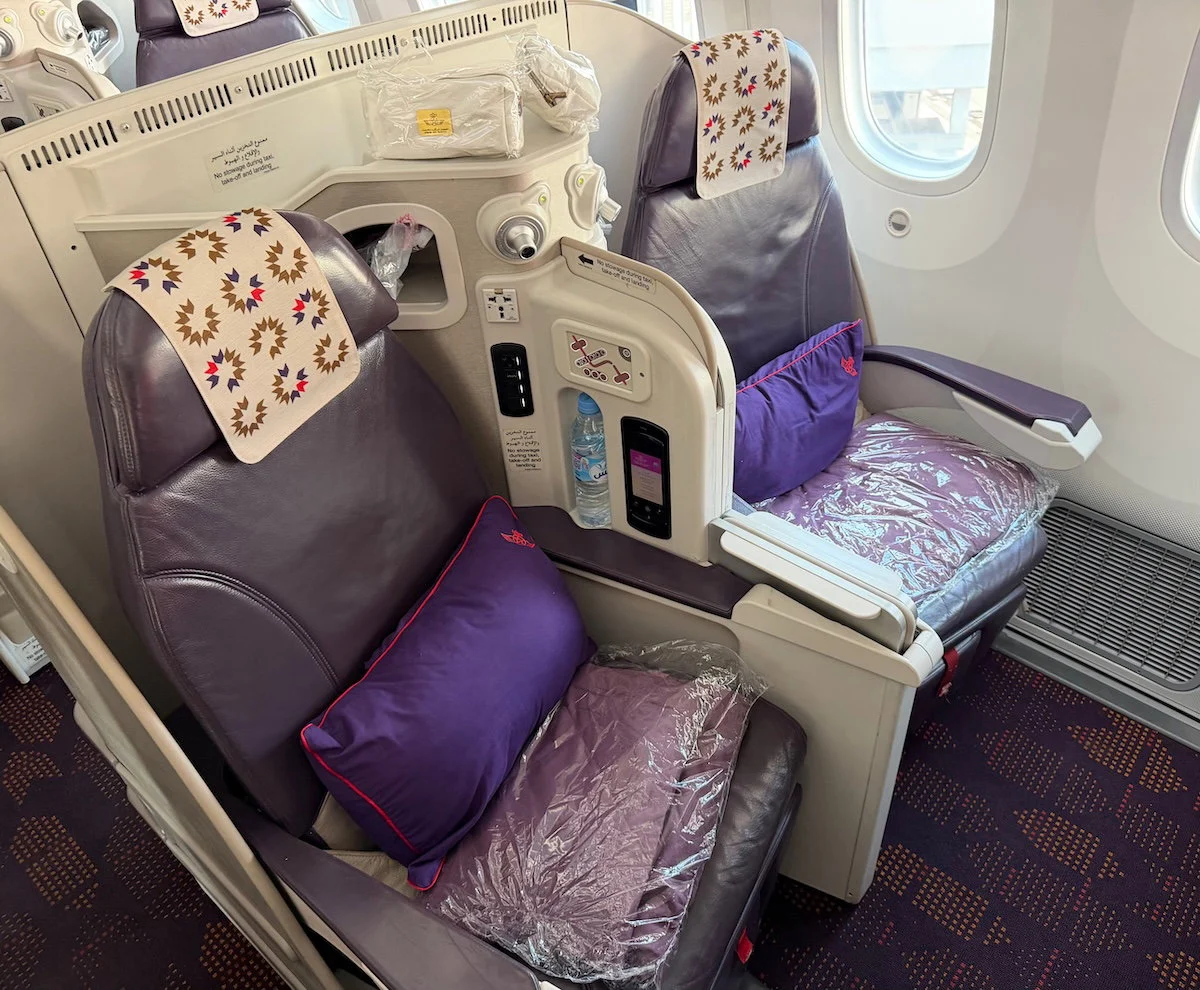
The financial results released by Delta provide a granular look at how successfully the industry has passed costs—and added margins—onto the consumer. A 17% increase in premium revenue and an 8% increase in economy revenue demonstrate that the appetite for travel remains strong across all tiers of the flying public.
Historically, economy revenue has been the most volatile segment, highly sensitive to even minor fluctuations in price. The fact that airlines have sustained an 8% growth in this segment suggests a major shift in consumer behavior: travelers have accepted higher prices as a baseline reality.
When analyzing these figures, one must consider the concept of "cost of capital." For years, the U.S. airline industry struggled to generate sustainable returns, often trailing inflation in their pricing strategies. According to Bastian, the recent fuel cost spikes acted as a "powerful catalyst for change." By resetting the pricing floor during a period of high inflation, airlines have successfully recalibrated their revenue models. The data suggests that this is not merely a pass-through of fuel costs; it is a long-term recovery of industry health.
Official Responses and Executive Strategy
The rhetoric coming from the C-suite of major carriers is remarkably consistent. Ed Bastian’s comments during the Q2 earnings call were candid: "We believe current revenue momentum should remain sustainable even if fuel prices moderate."
This statement is pivotal. It effectively disconnects the price of a ticket from the price of a barrel of oil. For years, the industry operated under the assumption that if fuel costs dropped, competition would naturally drive fares back down. Executives are now arguing that "structural change" has occurred. This change is characterized by a more disciplined approach to capacity and a newfound ability to command higher prices even among price-sensitive demographics.
While Bastian previously blamed air traffic control inefficiencies for high fares, the broader narrative now leans heavily on "earning sustainable returns." The message to shareholders is clear: the industry has moved past the era of aggressive undercutting and has entered a phase of disciplined, higher-margin operations.
The "Nudge Nudge" Market Dynamic
One of the most debated aspects of this trend is whether the current market environment is a result of conscious or unconscious coordination. While there is no evidence of illegal collusion, the behavior of major carriers exhibits a "wink, wink, nudge, nudge" consistency.
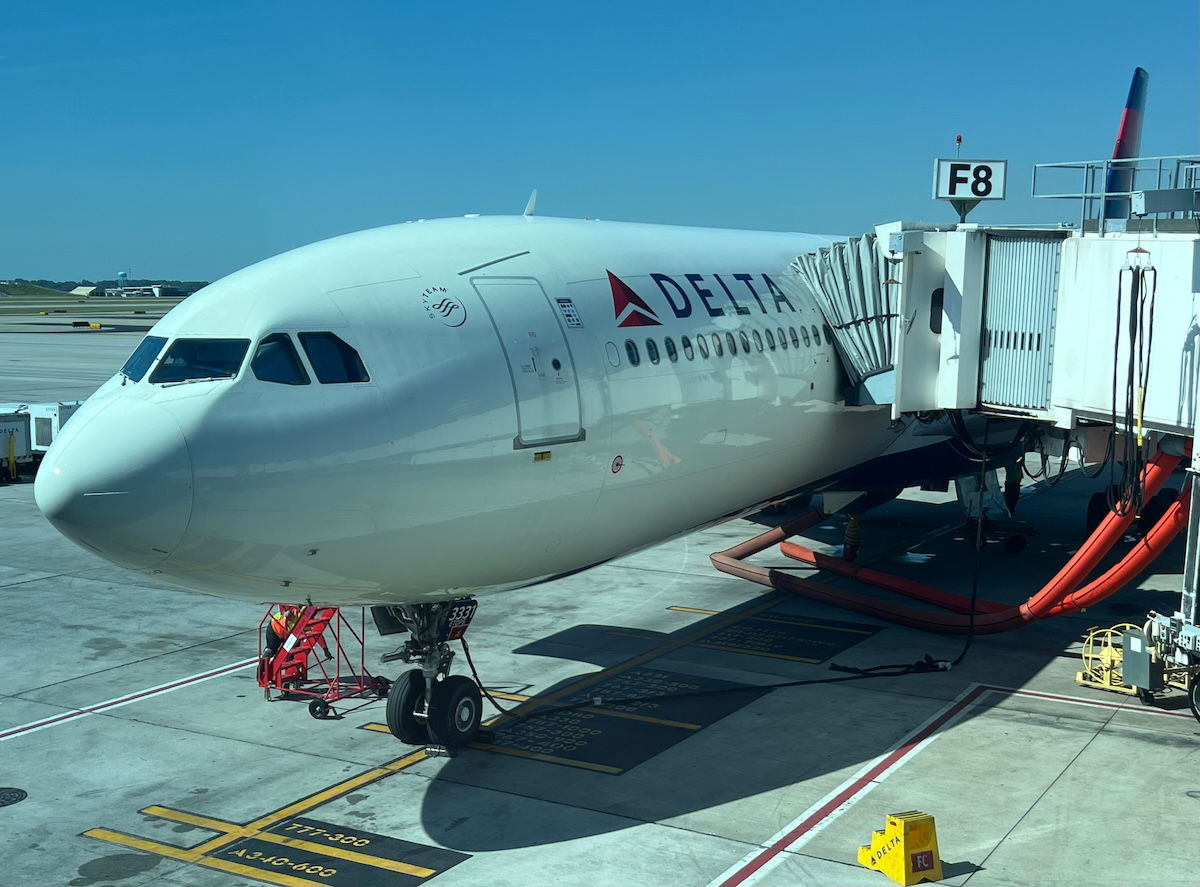
Capacity in the U.S. market has not seen significant decreases, yet competition has remained surprisingly muted. Instead of the "race to the bottom" that characterized the industry for decades, we are seeing a "race to the top" in terms of fare stability. This suggests that airlines have realized that flooding the market with cheap seats is a losing strategy in an era where labor costs, airport fees, and technology investments are rising.
Implications for the Future of Travel
What does this mean for the average traveler? The implications are profound:
- The End of "Cheap" Travel: The days of frequent, ultra-low-cost domestic flights may be numbered. If major carriers succeed in holding these price floors, consumers will need to adjust their travel budgets permanently.
- The Role of Low-Cost Carriers: The only wildcard remains the discount sector. Airlines like Frontier or Allegiant have traditionally acted as a check on the pricing power of major carriers. If these smaller airlines continue to struggle with profitability and are forced to reduce their own capacity, the downward pressure on fares will evaporate. Conversely, if a budget carrier decides to aggressively undercut the majors to gain market share, it could force a correction.
- Consumer Expectations: As noted by industry observers, the public often views air travel as a commodity that should always be cheap, ignoring the massive operational, fuel, and security costs associated with flight. The industry’s shift suggests they are no longer willing to subsidize the traveler’s expectation of low-cost flights at the expense of their own financial health.
Conclusion: A Delicate Balance
Delta’s Q2 2026 performance is a testament to the effectiveness of the industry’s new pricing strategy. By leveraging the initial shock of fuel costs, airlines have fundamentally altered the landscape of airfare. Whether this momentum is truly sustainable depends on several factors: the resilience of the consumer, the competitive strategy of budget airlines, and the willingness of the traveling public to accept that the "golden age" of cheap airfare may have reached its natural conclusion.
The airline industry is a notoriously difficult business. It is capital-intensive, highly regulated, and exposed to global political risks. While the current high-fare environment may be painful for the average passenger, executives argue it is a necessary evolution to ensure the longevity and stability of the sector.
As we look toward the remainder of 2026 and beyond, the central question is not when prices will go down, but whether the consumer will continue to pay the price for this new era of airline profitability. The market is currently saying "yes," but in an industry defined by volatility, that answer could change in an instant. For now, passengers should expect the current high-fare reality to be the standard rather than the exception.