









The United States remains the premier destination for international scholars seeking world-class education. According to the Open Doors Report, the U.S. hosts over one million international students annually. However, behind the prestige of an American degree lies a complex financial reality. For non-U.S. citizens, the path to funding higher education is fraught with systemic hurdles, limited access to federal safety nets, and a reliance on a private lending market that often feels impenetrable.
Understanding how to finance an American degree requires more than just academic ambition; it requires a strategic financial roadmap. Whether you are an undergraduate or pursuing a graduate degree, navigating the nuances of international student lending is the first step toward securing your future.
The Landscape of Higher Education Finance
Why International Students Face Unique Hurdles
The primary challenge for international students is the "citizenship gap" inherent in the U.S. financial aid system. Federal student aid, administered by the U.S. Department of Education, is designed primarily for U.S. citizens and eligible noncitizens—a category that excludes the vast majority of those on F-1, J-1, or M-1 student visas.
1. Ineligibility for Federal Financial Aid
The cornerstone of U.S. college financing is the Free Application for Federal Student Aid (FAFSA). For a U.S. student, the FAFSA opens the door to subsidized and unsubsidized Stafford loans, PLUS loans, and federal grants. International students are categorically ineligible for these programs. Even DACA (Deferred Action for Childhood Arrivals) recipients, who live and work in the U.S., generally do not qualify for federal financial aid, forcing these students to rely exclusively on private capital or personal savings.
2. The Absence of a U.S. Credit History
The U.S. private lending market relies heavily on FICO scores—a metric built on a history of domestic credit usage. International students, having recently arrived, possess a "thin" or nonexistent credit file. Without a history of paying credit card bills, utility payments, or previous loans within the U.S. banking system, private lenders view them as high-risk borrowers.
3. The "Flight Risk" Factor
From a risk-management perspective, lenders often categorize international students as a "flight risk." Because these students may return to their home countries after graduation, lenders face the challenge of cross-border debt collection. This uncertainty leads many institutions to restrict loan offerings or demand stringent cosigner requirements to mitigate potential losses.

Chronology of the Loan Application Process
Securing funding is a process that should ideally begin at least six to nine months before the start of the academic year. Following a structured timeline can significantly improve your chances of approval.
- Months 1-2: Research and Assessment. Determine your total cost of attendance (tuition, room, board, and fees). Assess your personal savings versus the "funding gap" you need to bridge.
- Months 3-4: Identifying Potential Cosigners. If your chosen lender requires a cosigner, begin conversations early. A U.S. cosigner must be a permanent resident or citizen with an established credit history.
- Months 5-6: Application and Documentation. Prepare your I-20 form, proof of enrollment, financial statements, and visa documentation. Apply to multiple lenders to compare APRs and loan terms.
- Month 7: Approval and Disbursement. Once approved, coordinate with your university’s financial aid office. Most private loans are disbursed directly to the school to cover tuition before remaining funds are released to the student.
Supporting Data: The Private Lending Sector
While federal options are closed, the private market has evolved to fill the void. Specialized lenders have emerged that leverage non-traditional data points—such as future earning potential, academic performance, and career trajectory—to assess creditworthiness.
Comparative Analysis of Key Lenders
| Lender | Target Audience | Cosigner Required? | Special Feature |
|---|---|---|---|
| Ascent | International/DACA | Yes (usually) | Cosigner release after 24 payments |
| MPOWER | All Int’l Students | No | Focus on school/internship quality |
| Prodigy Finance | Graduate Students | No | Global assessment of potential |
| Sallie Mae | DACA/Permanent Residents | Yes | Large-scale lending infrastructure |
Official Perspectives: The Role of Educational Institutions
Most universities in the U.S. have dedicated offices for International Student Services (ISS). Their official stance is usually a hybrid of caution and guidance. While universities do not lend money directly, they provide the necessary "Certification of Enrollment" required by private lenders to release funds.
Financial aid officers emphasize that while private loans are an option, they should be a "last resort." They strongly encourage international students to explore:
- University-Funded Scholarships: Many institutions offer merit-based aid that is agnostic of citizenship status.
- Assistantships and On-Campus Employment: Federal regulations allow F-1 students to work on campus for up to 20 hours per week, which can provide essential living expense coverage.
- Home-Country Government Loans: Many countries offer low-interest loans specifically for citizens studying abroad.
Implications of Borrowing: Managing Long-Term Debt
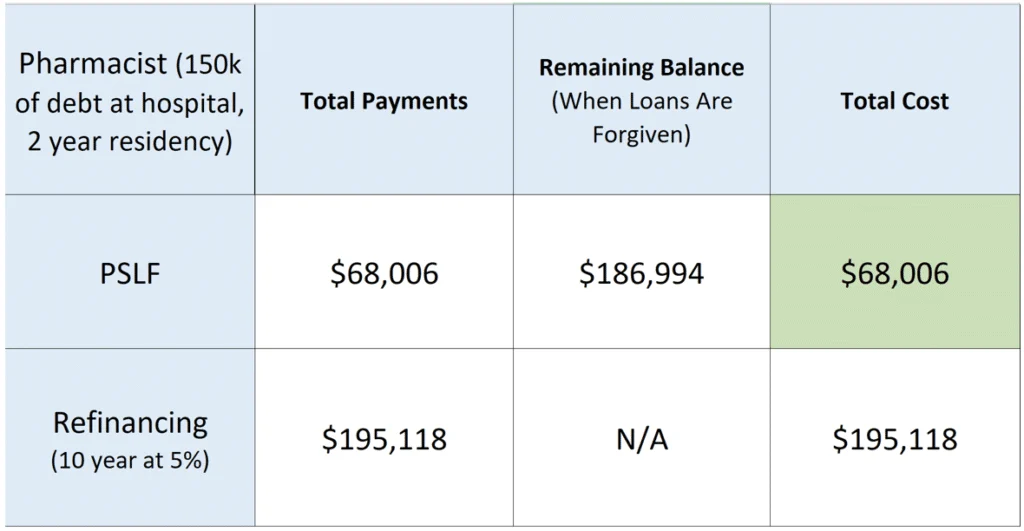
Choosing to finance an education through private loans has profound implications for a student’s post-graduation life. Unlike federal loans, which offer Income-Driven Repayment (IDR) plans and potential Public Service Loan Forgiveness (PSLF), private loans are rigid contracts.
1. Interest Rate Volatility
Many private loans for international students are variable-rate loans. This means that as global interest rates fluctuate, your monthly payment could rise significantly. It is imperative to understand the "cap" on variable rates before signing.

2. The Impact of Cosigner Release
If you use a cosigner, your goal should be to achieve "cosigner release" as quickly as possible. This removes your friend or family member from the liability, protecting their credit if you face financial hardship. Most lenders require a history of on-time payments and proof of U.S. permanent residency to qualify for this release.
3. Refinancing Opportunities
Once you graduate and secure a job in the U.S., your financial profile changes. With a U.S. income and a growing credit history, you may qualify for student loan refinancing. This allows you to pay off your high-interest private loans with a new loan at a lower rate, potentially saving thousands of dollars over the life of the debt.
Expert Recommendations: Strategies for Approval
To maximize your chances of approval, consider the following expert-vetted strategies:
- Maintain Academic Excellence: Lenders like MPOWER and Prodigy Finance look closely at your GPA and the reputation of your university. A strong academic record is a proxy for future employment success.
- Choose the Right Major: Lenders favor fields of study with high market demand—such as STEM (Science, Technology, Engineering, and Mathematics) or MBA programs. If you are in a high-demand field, emphasize this in your application.
- Build a U.S. Credit History Early: Even as an international student, you can apply for a "secured" credit card. By using it sparingly and paying it off in full every month, you can establish a FICO score within a year, which may remove the need for a cosigner for subsequent years of study.
- Vet the Lender: Always review the fine print regarding fees. Some lenders charge "origination fees" that are deducted from the loan amount before you receive it. Ensure you are borrowing enough to cover your actual needs after these fees are subtracted.
Conclusion: A Path Forward
The dream of studying in the United States is attainable, but it requires a high degree of financial literacy. By moving beyond the reliance on federal systems and engaging with the private lending market—while simultaneously leveraging university resources and personal credit-building strategies—international students can effectively manage the costs of their education.
As you embark on this journey, treat your loan application as you would a job application: be thorough, be prepared, and be proactive. Your U.S. degree is an investment in your future; managing the debt associated with it is simply the first professional test of your career.
Disclaimer: This article is for informational purposes only and does not constitute financial advice. Always consult with your university’s financial aid office and a qualified financial advisor before making significant borrowing decisions.