









Student loan debt remains one of the most significant financial burdens for millions of Americans. With interest accruing daily, many borrowers find themselves in a cycle where the majority of their monthly payments are consumed by interest rather than chipping away at the principal balance. For those struggling under the weight of high-interest debt, refinancing presents a viable path to financial relief. By securing a lower interest rate, borrowers can accelerate their journey toward debt freedom and potentially save thousands of dollars over the life of their loans.
While many borrowers rely on a cosigner—a parent or spouse with strong credit—to secure a competitive refinancing package, it is entirely possible to qualify independently. Navigating the path to independent refinancing requires a strategic approach to your financial profile. This guide outlines the essential steps to qualifying for a private student loan refinance without a cosigner, the implications of such a move, and how to position yourself for long-term success.
The Core Pillars of Independent Qualification
Refinancing is fundamentally a risk-assessment process for lenders. When you apply without a cosigner, the lender is looking for objective evidence that you have both the willingness and the capacity to repay the new loan. To secure approval, you must satisfy several key criteria.
1. Strengthening Your Credit Profile
Your credit score is the primary metric lenders use to gauge your financial reliability. While requirements vary by institution, most private lenders look for a FICO score of at least 660.
The Mechanics of Credit Health:
- Credit Reports: Regularly monitor your credit reports from the three major bureaus: Experian, Equifax, and TransUnion. You are entitled to a free report every 12 months via AnnualCreditReport.com.
- Disputing Errors: An incorrect mark on your report can unfairly suppress your score. If you identify discrepancies, initiate a dispute immediately through the Consumer Financial Protection Bureau (CFPB).
- Payment History: Your history of on-time payments is the most significant component of your score. Even a single late payment can have a lingering negative impact.
2. Managing Your Debt-to-Income (DTI) Ratio
Lenders analyze your DTI to determine if you are overextended. This ratio compares your total monthly debt payments to your gross monthly income.
Calculating Your Standing:
If you earn $4,000 per month and have $1,000 in combined monthly debt payments (including credit cards, car notes, and existing loans), your DTI is 25%. Generally, lenders prefer a DTI of 50% or lower. If your ratio exceeds this, consider strategies to pay down revolving debt or increase your income before applying for a refinance.
3. Demonstrating Employment Stability
Lenders want to see consistent cash flow. W-2 employees typically have an easier time proving this stability. If you are self-employed or a business owner, be prepared to provide two years of tax returns to demonstrate the viability and consistency of your income. If you have recently changed careers or are currently between jobs, it is often advisable to wait until you have at least six to twelve months of tenure in your new role to present a more attractive application to underwriters.
Chronology of the Refinancing Process
For the borrower looking to refinance, the process follows a structured timeline designed to ensure optimal results.
- Phase One: Assessment (Months 1–2): Review your current federal and private loans. Calculate your total interest costs and assess whether you are currently utilizing any federal benefits (such as Income-Driven Repayment plans) that you would lose upon refinancing.
- Phase Two: Credit Optimization (Months 2–4): Pay down credit card balances to lower your utilization rate. Set up autopay on all current accounts to ensure no late payments occur during the window leading up to your application.
- Phase Three: Market Research (Month 5): Use comparison tools to review lenders. Look beyond the advertised interest rates; consider origination fees, repayment terms (fixed vs. variable), and the availability of cosigner release programs.
- Phase Four: Application and Approval (Month 6): Submit your applications. Many lenders allow for a "soft pull" of your credit initially, which provides an estimate without impacting your credit score. Only proceed with a "hard pull" when you have identified your top choice.
Supporting Data: The Impact of Interest Rates
The difference between a 7% interest rate and a 4% interest rate on a $50,000 loan over 10 years is staggering. At 7%, you would pay roughly $20,000 in interest. At 4%, that cost drops to approximately $11,000.
Furthermore, many private lenders offer a small interest rate reduction (typically 0.25%) for enrolling in automatic payments. While seemingly minor, this discount compounds over the life of a loan, illustrating the importance of small, tactical decisions in debt management.
Official Perspectives and Regulatory Considerations
Financial experts and the CFPB emphasize that refinancing is not a "one-size-fits-all" solution. The decision to move debt from the federal system to the private sector carries significant implications.
The Federal vs. Private Divide
When you refinance federal student loans with a private lender, you effectively "privatize" your debt. This means:
- Loss of Protections: You forfeit access to federal income-driven repayment (IDR) plans, which cap payments based on your discretionary income.
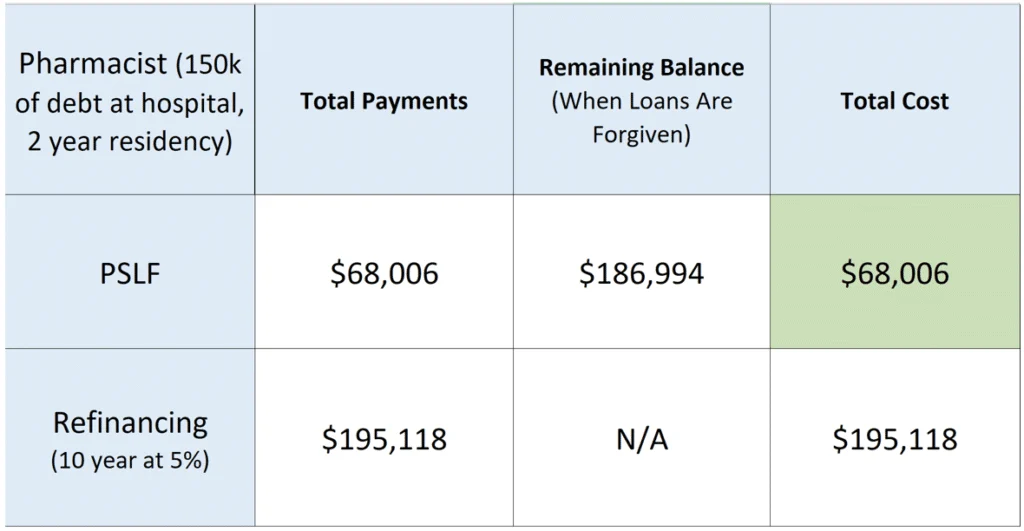
- Forgiveness Programs: You lose eligibility for Public Service Loan Forgiveness (PSLF). For those employed in the non-profit or government sectors, this is a critical trade-off that often makes refinancing a poor financial choice.
- Hardship Options: Federal loans offer robust deferment and forbearance options during times of economic hardship. Private lenders are generally less flexible and are not required to provide these same safety nets.
Official Stance on Cosigner Release
For those who currently have a cosigner and wish to remove them, it is vital to understand that this is a specific administrative process. Many private lenders allow for "cosigner release" after a set number of consecutive, on-time payments—often 24 to 36 months. If your current lender does not offer this, refinancing with a new lender is the only way to remove the cosigner’s liability from your loan.
Implications of Independent Refinancing
Choosing to refinance without a cosigner is a milestone in personal finance, signifying that your personal credit history and income are strong enough to stand on their own. However, the implications extend beyond just the interest rate.
The Psychological Benefit of Autonomy
Removing a cosigner provides a sense of financial independence. It eliminates the risk of your debt affecting a parent or family member’s credit or financial stability, which can alleviate significant emotional pressure on both parties.
Managing Variable vs. Fixed Rates
When refinancing solo, you must choose between fixed and variable rates. A fixed rate provides peace of mind, as your payment will never change. A variable rate may offer a lower starting point but exposes you to market fluctuations. If you intend to pay off the loan aggressively in a short time frame, a variable rate may be beneficial. If you plan to carry the loan for the full 10- or 15-year term, a fixed rate is usually the safer, more conservative choice.
Conclusion: Is Refinancing Right for You?
Refinancing is a powerful tool, but it should be approached with caution. Before finalizing your decision, consider your long-term career goals and the potential for future financial volatility. If you are early in your career and expect significant income growth, refinancing can accelerate your path to debt-free living.
Always conduct a thorough analysis of your budget. If you find the decision overwhelming, utilize professional resources, such as student loan calculators and personalized financial quizzes, to help determine whether you should stick with federal repayment plans or transition to private refinancing. By ensuring your credit is robust, your DTI is low, and your employment is stable, you position yourself to secure the best possible terms—empowering you to take control of your financial future on your own terms.