








Introduction: The Architecture of Isolation
In the vast, shifting landscape of global aviation, few hubs capture the imagination—or baffle the senses—quite like Ashgabat International Airport (ASB) in Turkmenistan. For the intrepid traveler, transiting through this Central Asian gateway is less of a logistical process and more of a venture into a surrealist, high-budget art installation.

Designed with an aesthetic that balances grandiosity with an eerie lack of human activity, the terminal serves as a physical manifestation of the nation’s isolationist policies and its ambitious, if underutilized, infrastructure projects. Recent reports from aviation enthusiasts and travelers highlight a paradox: a world-class, billion-dollar facility that operates with the ghostly atmosphere of an abandoned space station, punctuated by the persistent presence of stoic security personnel.

Chronology of a Transit: The 3:40 AM "Rush Hour"
To understand the logistical reality of ASB, one must look at the transit experience in real-time. Arriving at 3:40 AM—the designated "rush hour" where as many as three flights may converge—reveals the true nature of the facility.

The Security Void
Upon arrival, the transit process begins with a mandatory security screening. In most international hubs, this is a high-stress, high-precision environment. At Ashgabat, however, the process is decentralized and largely performative. Travelers are funneled through X-ray machines that remain unstaffed. Passengers walk through metal detectors and pass bags through scanners while the machines emit warning beeps that go unaddressed by any authority. The lack of active personnel suggests a system built for a volume of traffic that simply does not exist.

The Search for Amenities
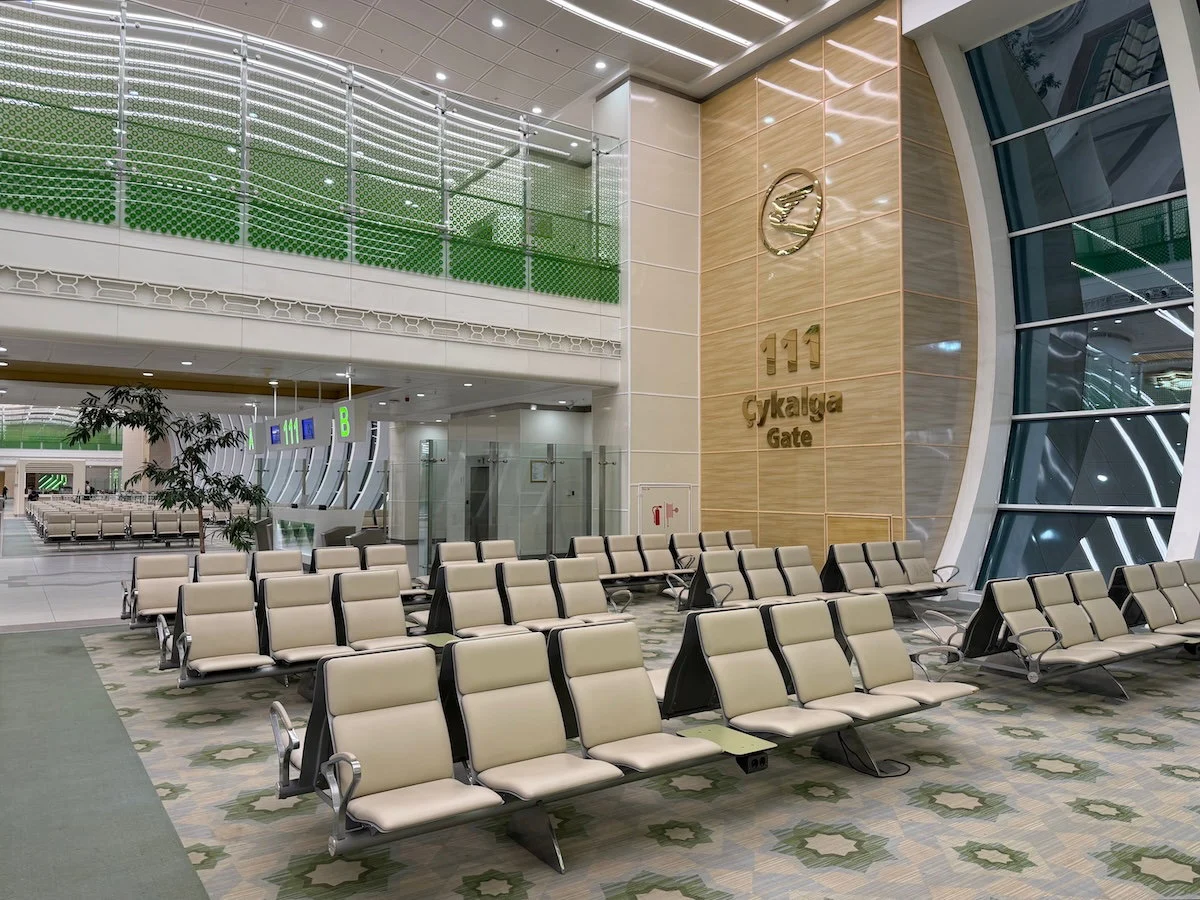
The terminal, a gleaming expanse of polished stone and glass, stretches into an endless corridor of quietude. For the weary transit passenger, the promise of amenities—an airport hotel, an internet café, or a business class lounge—often ends in a labyrinthine goose chase. Navigating toward the upper levels, one encounters a series of closed doors. The transit hotel, the internet café, and the primary business lounge are frequently shuttered, leaving travelers to wonder if these facilities were ever fully operational or if they exist merely as aesthetic placeholders.

The Lounge Experience: Surrealism in Sound and Space
When a lounge is finally located, the experience remains consistent with the terminal’s theme of "delightful strangeness." Entering the business class lounge at 4:00 AM, visitors are greeted not by the ambient jazz common in global hubs, but by high-energy, thumping club music. The front desk often sits abandoned, with staff opting to remain in the shadows of the lounge’s interior, only emerging to conduct a cursory glance at boarding passes.

The buffet selection remains basic and sparse, often raising questions about the longevity of the food items on display. While the lounge does offer a reprieve from the cavernous main terminal, it serves as a stark reminder of the airport’s disconnection from the standard international expectations of hospitality.

Supporting Data: Infrastructure vs. Utilization
The core issue at ASB is the immense disparity between capacity and throughput. The government of Turkmenistan invested heavily in the airport, commissioning a bird-shaped terminal building intended to symbolize the nation’s progress. However, the resulting infrastructure far exceeds the current demand of the national carrier, Turkmenistan Airlines.

- Capacity: The terminal was designed to handle approximately 1,600 passengers per hour, totaling millions of passengers annually.
- Operational Reality: Daily flight movements remain significantly lower, often resulting in a staff-to-passenger ratio that feels skewed toward security rather than service.
- Connectivity: The digital divide is absolute. Standard airport Wi-Fi is inaccessible to international travelers without a local phone number, and even when a connection is established, the national firewall restricts access to most global VPNs and social media platforms.
Official Responses and Strategic Intent
While official statements from the Turkmen government emphasize the airport’s role as a "crossroads of the Great Silk Road," the operational reality suggests a different priority: security and controlled access. The overwhelming presence of security personnel, many of whom are stationed at every moving walkway, serves to maintain a rigid environment.

Interviews with staff, often hampered by language barriers, reveal little regarding the long-term plans for the closed commercial facilities. The prevailing theory among industry observers is that the airport is designed to project an image of modernity and state capability rather than to serve as a high-functioning, competitive hub for international transit. It is a prestige project that serves the state’s domestic narrative more than the global aviation market.

Implications for International Aviation
The experience at Ashgabat holds significant implications for the future of aviation in Central Asia. As a transit point, it is currently "exotic" rather than "efficient."

The "Turkish Airlines" Confusion
A common theme among transit passengers is the mistaken belief that they are flying a major global carrier, such as Turkish Airlines, due to the similar-sounding name of the national carrier. When these passengers realize they are in Ashgabat rather than Istanbul, the disorientation is palpable. This lack of brand clarity, combined with the lack of terminal amenities, creates a challenging environment for international transit.

The Human Cost
Beyond the logistics, there is an underlying human element. The security guards, stationed in an empty terminal for hours on end, represent the bureaucratic reality of the state. The monotony of their daily lives, standing at attention in a vast, silent hall, contrasts sharply with the vibrant, fast-paced world of international air travel elsewhere. It is a sobering reminder that for all the modernization of the terminal, the human experience remains static.

Conclusion: A Window into a Closed World
Ashgabat International Airport is a fascinating case study in architectural and operational dissonance. It is a place where one can experience a high-tech facility that feels disconnected from the modern world. For the traveler, it offers a glimpse into a society that remains largely enigmatic.

While it is unlikely to become a major hub in the traditional sense, ASB remains a mandatory stop for those seeking to understand the unique, often bewildering, path that Turkmenistan is carving for itself. It is not just an airport; it is an experience—one that is as isolating as it is memorable. Whether it will ever evolve to match its structural grandeur remains a question for the future, but for now, it stands as the world’s most fascinating, and strangest, transit ghost town.