








In the increasingly complex world of airline revenue management, travelers are accustomed to dynamic pricing that feels more like a stock market ticker than a service menu. Airlines have perfected the art of monetizing premium cabins, often bypassing their own elite loyalty members to sell business class seats for cash as departure dates approach. However, a recent incident involving a Delta Air Lines passenger has shattered all expectations, setting what is likely an all-time record for the most undervalued cabin upgrade in commercial aviation history.
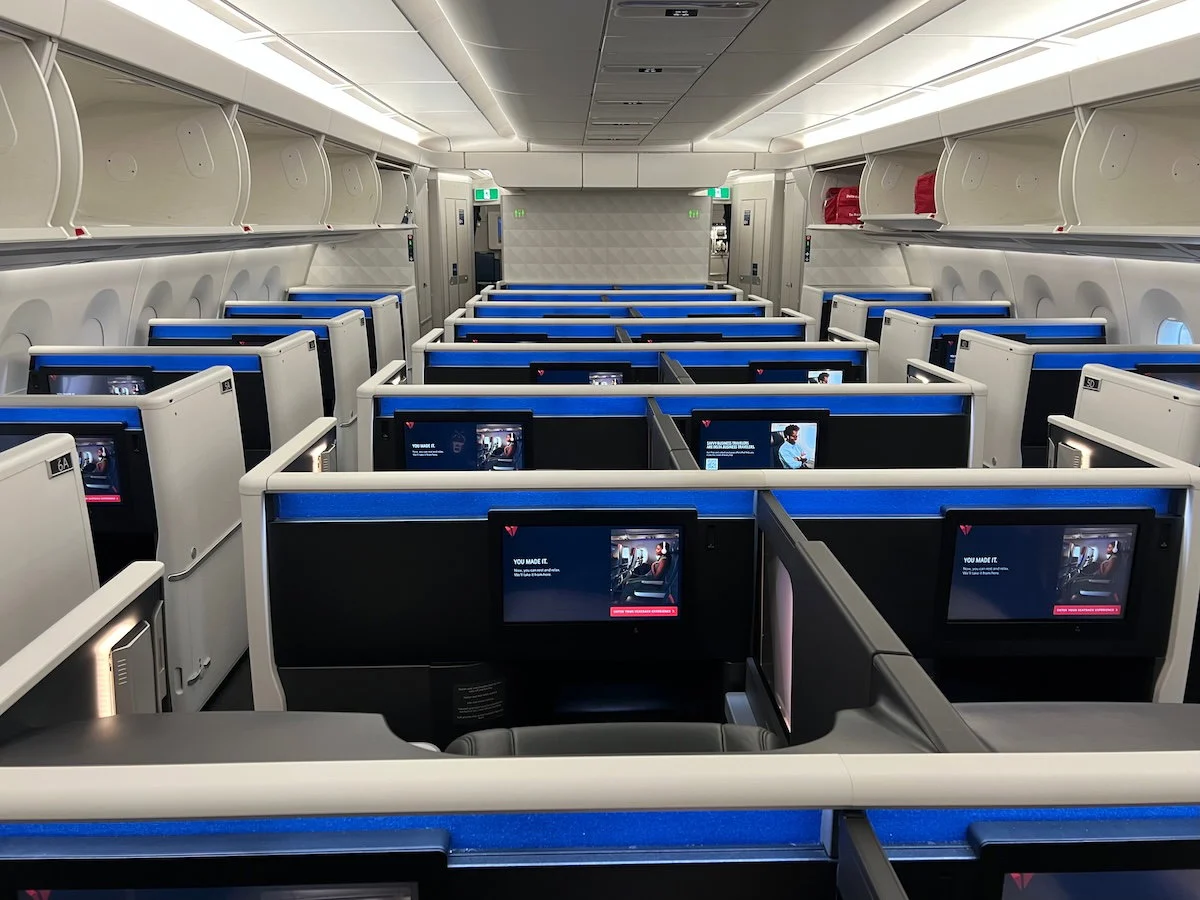
A Reddit user recently documented their experience securing an upgrade from Premium Select (premium economy) to Delta One (business class) on a transpacific flight from Atlanta (ATL) to Seoul Incheon (ICN)—a journey spanning over 15 hours—for the astonishing price of just $17.34. This incident has ignited a firestorm of discussion across travel forums, raising questions about the stability of airline pricing algorithms and the potential for "fat-finger" errors or system glitches in the digital age.
The Chronology of an Unlikely Bargain
To understand how a nearly $1,700 upgrade fee evaporated overnight, one must look at the specific trajectory of the traveler’s booking. The passenger’s itinerary was subject to multiple changes, which often complicates how automated systems calculate "buy-up" offers.
The journey began with a complex multi-leg ticket: LGA to ICN via Atlanta, with a return leg from Hong Kong (HKG) to JFK via Los Angeles. According to the passenger’s account, the saga began on May 28, 2026. Initially, the upgrade pricing hovered in the realm of reality, quoted at $2,390. By mid-July, the volatility began. On July 13, the price surged to $2,661, only to plummet to $1,812 the very next day.
The critical turning point occurred on the evening of July 14. The passenger opted to modify their return flight to include a specific Korean Air Boeing 747 service, which necessitated a re-ticketing process. This change shifted the underlying booking codes—a move that effectively "reset" the logic the airline’s software used to price the remaining segments. Following this adjustment, the upgrade offer for the ATL-ICN leg dropped to $1,671.
The passenger monitored this price, hoping for a more reasonable "sweet spot" in the neighborhood of $699. However, at 8:13 a.m. the following morning, the system displayed a price that defied logic: $17.34. Recognizing that such a figure was almost certainly a computational anomaly, the passenger bypassed the urge to refresh the page and immediately committed to the purchase. The transaction cleared, and the confirmation was secured, turning a long-haul journey into a luxury experience for the price of an airport meal.
Understanding the "Black Box" of Airline Revenue Management
How does a major legacy carrier’s system drop an upgrade price by 99% in a matter of hours? While Delta does not disclose the specific algorithms powering their "Upgrades for Cash" program, industry experts generally agree that these systems rely on a sophisticated tapestry of data points.
Key Factors Influencing Upgrade Pricing:
- Inventory Management: The system constantly monitors "fare buckets." If a high-revenue fare class in business becomes stagnant, the system may lower the cost of an upgrade to encourage conversion.
- Original Fare Paid: In many cases, the price of an upgrade is inversely proportional to what the passenger originally paid for their seat. If a passenger paid a premium for their economy ticket, the "gap" to bridge the difference to business class is smaller.
- Customer Profile: Loyalty status, historical booking patterns, and even the passenger’s likelihood of purchasing an upgrade are factored in.
- Time to Departure: Usually, as a flight approaches, prices rise. However, if a flight is significantly undersold, algorithms may trigger "fire-sale" pricing to recoup some revenue.
The $17.34 price point suggests a "logic break." It is highly probable that when the passenger re-booked their return flight, the system failed to correctly link the fare basis of the outbound flight, resulting in a calculation error where the system subtracted the cost of the existing ticket from a value that had been zeroed out or improperly indexed.
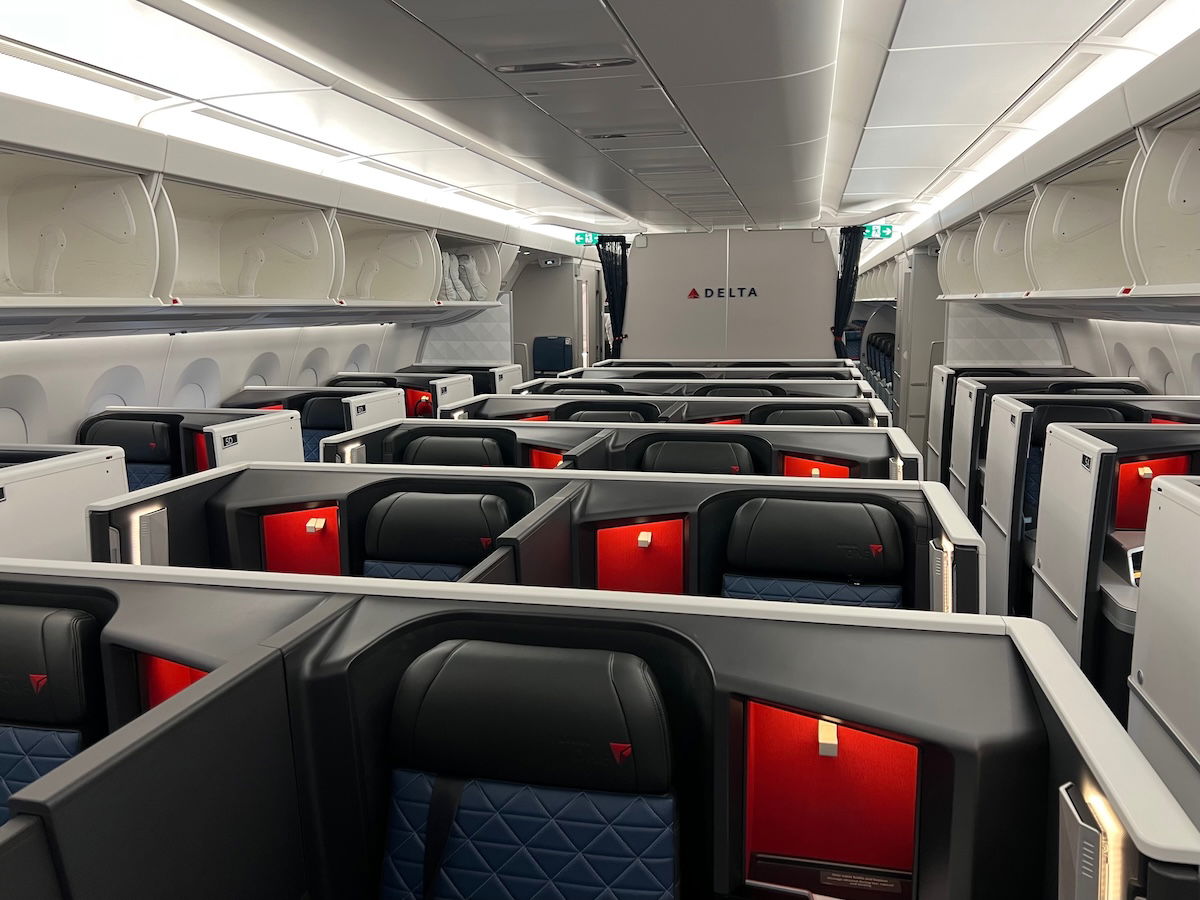
The Implications for Travelers and Airlines
This incident serves as a double-edged sword for both parties. For the traveler, it is a triumph of persistence and timing. For the airline, it represents a cautionary tale regarding the reliance on automated pricing engines.
The "Glitch" vs. "Strategy" Debate
There is a persistent debate in the frequent flyer community regarding whether such anomalies are true technical glitches or the result of a system attempting to optimize revenue in real-time. If an algorithm detects a massive inventory surplus on a long-haul flight, it may theoretically lower prices to the floor. However, a price point below $20 for a 15-hour lie-flat bed is effectively an operational loss, given the cost of catering, fuel, and service associated with that seat.
Most experts conclude that this was a technical malfunction—a "glitch" where the software, confused by the multi-city itinerary changes, produced a value that no human revenue manager would have authorized.
The Precedent of Honoring Errors
In the past, airlines have been notoriously litigious or unyielding when it comes to "mistake fares." There have been instances where carriers have canceled bookings and refunded passengers after selling tickets for significantly less than their value. However, in the case of a post-purchase upgrade, the precedent is different. Once the transaction is finalized and the upgrade is confirmed, the airline is usually inclined to honor the purchase to maintain customer goodwill. By allowing the passenger to fly in Delta One for $17.34, Delta avoids the PR nightmare of stripping the upgrade away after the fact.
Strategic Lessons for the Modern Traveler
For the average passenger, the "Delta Miracle" offers three vital takeaways:
- Monitor Your Itinerary Constantly: The volatility of upgrade pricing is real. Even if you aren’t planning to purchase, checking the "Upgrade" tab in your airline’s mobile app daily—or even multiple times a day—can reveal sudden, drastic price fluctuations.
- Beware of Itinerary Changes: As seen in this case, making changes to an existing booking can trigger a re-calculation of all segments. While it may lead to a higher price, it can also, on rare occasions, reset the algorithm to your favor.
- Act Decisively: When you see a price that seems too good to be true, the window of opportunity is often measured in minutes. Automated systems are constantly updated by background processes; waiting an hour to "think it over" often results in the price returning to its baseline.
Conclusion: A Rare Win in a Rigid System
The $17.34 upgrade from Atlanta to Seoul stands as a legendary anecdote in the aviation community. It reminds us that despite the cold, clinical nature of airline pricing algorithms, they are still prone to the occasional spectacular failure.
For the passenger involved, the experience is a once-in-a-lifetime victory. For the rest of the traveling public, it serves as a reminder to keep a watchful eye on their booking portals. While most of us will likely never see a sub-$20 upgrade for a long-haul international flight, the mere possibility that such a glitch exists is enough to keep travelers checking their apps, hoping that the next time they hit "refresh," they too will encounter the bargain of a lifetime.
As airlines continue to rely more heavily on AI and machine learning to manage cabin inventory, these incidents may become more common—or, conversely, the airlines may implement "sanity checks" to prevent these massive, unintended discounts. Until then, the story of the $17.34 Delta One seat remains a testament to the unpredictable, often whimsical nature of modern air travel.