








The landscape of consumer goods is undergoing a profound transformation. Driven by rapid technological integration, a heightened sense of environmental responsibility, and an uncompromising demand for personalized health solutions, the way products are conceived, manufactured, and sold has reached an inflection point. For businesses and consumers alike, understanding these shifts is no longer a competitive advantage—it is a prerequisite for survival.
As we move through 2026, seven distinct trends have emerged as the primary catalysts for change. From the rise of AI-driven supply chains to the mainstream adoption of functional nutrition, these developments are rewriting the rules of the marketplace.
Main Facts: The Pillars of Modern Consumption
At the core of the current market evolution is a shift toward value-based purchasing. Data indicates that 68% of modern consumers are now willing to pay a premium for brands that demonstrate clear alignment with their personal values—particularly regarding sustainability and transparency.

Furthermore, the integration of Artificial Intelligence (AI) has moved beyond novelty, becoming the backbone of operational efficiency. With over a third of consumers engaging with AI-powered shopping tools in the past year, the industry is seeing a total shift in how product discovery and purchasing occur. Finally, the $2 trillion global wellness sector has shifted from "nice-to-have" luxury items to "must-have" functional essentials, fundamentally changing the composition of the modern consumer’s shopping basket.
Chronology: The Evolution of the 2026 Marketplace
The journey to the current market state did not happen overnight. The following timeline outlines the progression of these trends:
- 2023–2024: The Digital Pivot: Following global supply chain disruptions, retailers began aggressively investing in IoT and blockchain for inventory transparency.
- 2025: The Rise of Gen-AI in Retail: As Generative AI tools matured, businesses moved from basic chatbots to sophisticated predictive analytics, allowing for hyper-personalized marketing and R&D acceleration.
- Early 2026: The Sustainability Mandate: With 32% of new startups launching with sustainability as their primary "north star," eco-friendly packaging and circular economy practices shifted from niche initiatives to industry standards.
- Mid-2026 (Present): The Wellness Convergence: The integration of wearable health data with functional food purchases marks the current era, where "health-as-a-service" dominates consumer spending.
Supporting Data: Why These Trends Matter
The numbers underscore a significant shift in power dynamics between retailers and consumers.

Sustainability and Demographic Shifts
Younger generations, specifically Gen Z and Millennials, are 27% more likely to favor brands that provide verifiable proof of sustainable initiatives. This is not merely a preference for aesthetics; it is an economic driver. Brands that fail to adopt transparent sourcing and eco-friendly packaging, such as bioplastics or compostable materials, risk losing significant market share as the eco-friendly packaging market is projected to reach $500 billion by the end of 2026.
The AI Advantage
The efficiency gap between AI-adopters and traditional firms is widening.
- Personalization: 31% of consumers now report that they rely heavily on personalized AI recommendations to inform their buying decisions.
- Engagement: 67% of consumers admit to being influenced by AI-powered advertisements while browsing retailer sites.
- Research: Millennials and Gen Z are leading the charge in using AI-driven search tools for pre-purchase research, with adoption rates in these demographics climbing steadily.
Official Responses and Strategic Implications
Industry leaders, ranging from retail giants to agile startups like Scoutbee and Everstream Analytics, are responding by overhauling their logistical architectures. The prevailing strategy among successful firms is the adoption of "Real-Time Agility."

Operational Efficiency Through Tech
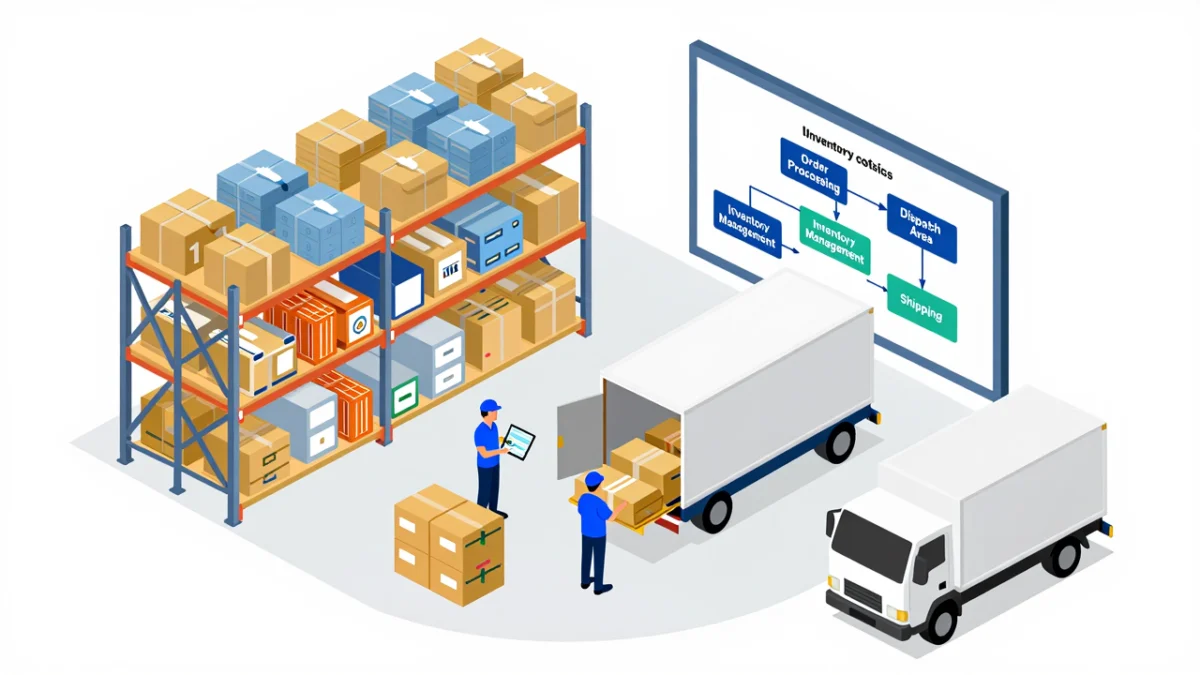
Retailers are now demanding deeper collaboration with their consumer packaged goods (CPG) partners. Approximately 88% of major retailers are seeking integrated data sharing to combat market volatility. By leveraging AI forecasting and IoT-enabled supply chains, these firms are reducing the "bullwhip effect"—a common inefficiency where minor fluctuations in demand cause massive disruptions in the supply chain.
Speeding Up Innovation
The traditional product development cycle is effectively dead. Companies like Mattel have demonstrated that AI-driven R&D platforms can reduce design-to-market time from weeks to mere days. This speed allows for rapid iteration based on real-time consumer feedback, ensuring that companies aren’t just reacting to trends, but creating them.
Implications: A New Era for Businesses and Consumers
What does this mean for the future of your strategy? The implications are three-fold:

1. From SEO to AEO (AI Engine Optimization)
Traditional Search Engine Optimization is being superseded by AI Engine Optimization. Businesses must ensure their data is "AI-readable" so that LLMs and predictive search engines can accurately index and recommend their products. Authentic engagement is the key; AI systems prioritize high-quality, transparent content over keyword-stuffed pages.
2. The Rise of the "Functional" Consumer
The demand for health products is no longer limited to vitamins. Consumers now seek "functional foods"—products that serve a dual purpose, such as improving sleep, recovery, or cognitive function. The convergence of wearables and nutrition means that consumers are increasingly looking for products that "talk" to their health trackers.
3. The Omnichannel Necessity
The distinction between "online" and "offline" has blurred. Modern consumers expect a seamless experience. Whether a customer is using a virtual try-on tool at home or scanning a product in-store to see its carbon footprint, the data must be consistent. Omnichannel retailing is no longer just about having a website and a storefront; it is about providing a continuous, data-informed journey across all touchpoints.

Frequently Asked Questions (FAQ)
What are the "7 O’s" of consumer behavior?
The "7 O’s" provide a framework for analyzing customer interaction: Observation (gathering data), Orientation (evaluating brand trust), Opinion (social proof), Overt Behavior (the act of purchasing), Outcome (the post-purchase experience), Optimization (using feedback to improve), and Ongoing Loyalty (retention).
How can small businesses compete with larger corporations?
Small businesses have the advantage of agility. By adopting AI-driven research tools, small firms can identify niche market demands faster than large, bureaucratic corporations. Focusing on local sourcing and community-based sustainability can also build a level of brand trust that large, faceless conglomerates often struggle to achieve.
Why is predictive analytics crucial for 2026?
Predictive analytics allows for optimized inventory management. Instead of stocking based on historical sales (which may be irrelevant in a changing climate), predictive models analyze social media trends, weather patterns, and economic data to forecast demand with high accuracy, reducing waste and increasing profit margins.

Conclusion: The Path Forward
The consumer goods landscape of 2026 is defined by a relentless drive toward efficiency, transparency, and personalization. To remain relevant, stakeholders must move beyond legacy systems.
Your next steps should be clear:
- Audit your supply chain: Are you using AI and IoT to maintain real-time visibility?
- Verify your sustainability claims: Modern consumers demand transparency; greenwashing will no longer pass the scrutiny of a data-savvy audience.
- Invest in AEO: Ensure your digital presence is optimized for the AI era.
- Prioritize wellness: If your product line doesn’t offer a health-conscious angle, consider how you can pivot to meet the growing demand for functional, wellness-oriented solutions.
The era of passive consumption is over. We have entered the age of intentional, tech-enabled, and health-focused commerce. By embracing these seven key trends, you can ensure that your business—or your personal purchasing habits—remains ahead of the curve in an increasingly complex and exciting marketplace.