








For millions of Americans, the Biden-era "Saving on a Valuable Education" (SAVE) plan represented a beacon of financial relief. Designed to lower monthly payments and accelerate the path to forgiveness, the plan was the centerpiece of a broader federal effort to address the ballooning student debt crisis. However, following two years of intense legal scrutiny and a series of court-ordered mandates, the program is officially being dismantled.
As of July 2026, the Department of Education (ED) has begun the complex, staggered process of transitioning over seven million borrowers out of the SAVE plan and into alternative repayment options. For many, this transition period is marked by confusion, uncertainty, and the looming threat of "payment shock."
The Core Facts: What You Need to Know
The fundamental reality for SAVE enrollees is that the plan is no longer a viable long-term option. Following a March 2026 court order that vacated the regulations underpinning the SAVE plan, the Department of Education is legally required to move all participants to other income-driven repayment (IDR) plans.
If you are currently enrolled in or applied for the SAVE plan, your participation in the program is ending. The Department has issued a 90-day window for affected borrowers to select an alternative plan. Failure to take proactive action will result in automatic enrollment in a Standard Repayment Plan—a move that could significantly increase monthly obligations and, in most cases, disqualify those months from counting toward Public Service Loan Forgiveness (PSLF) or other IDR forgiveness tracks.
A Chronology of the SAVE Plan’s Demise
The decline of the SAVE plan was not a sudden event, but rather the culmination of a protracted legal battle that played out across federal courts.
- 2023: The Department of Education officially launches the SAVE plan, promising lower payments and shorter timelines for forgiveness for millions of borrowers.
- 2024–2025: The program becomes the subject of intense litigation as a coalition of states challenges the authority of the Education Department to implement such sweeping changes to IDR regulations.
- Summer 2025: Congress passes legislation that sets a formal phase-out schedule for the SAVE plan, aiming for a total sunset by July 2028.
- March 10, 2026: The Eighth Circuit Court of Appeals orders a federal district court to effectuate a settlement agreement, effectively invalidating the July 2023 rule that authorized the SAVE plan.
- July 2026: The Department of Education updates its official guidance and begins the process of notifying millions of borrowers that they have 90 days to switch plans.
- September 2026: The earliest date a borrower will be required to transition off the SAVE plan, according to court filings.
The Logistics of the Transition
The Department of Education has clarified that the transition will not occur for all seven million borrowers at once. Instead, the process will be "staggered in tranches." This approach is designed to prevent a total collapse of the student loan servicing infrastructure, which is already under significant strain.
The 90-Day Requirement
The 90-day notification period is the most critical component of this transition. Borrowers will receive official communication via email or mail detailing their specific deadline. Once this notice is received, the clock begins ticking.
However, there is a significant discrepancy between the "urgent" tone of general ED emails and the practical timelines provided by individual servicers. For instance, Nelnet—one of the largest federal student loan servicers—has indicated that its notification process will extend from July 2026 through March 2027. Consequently, some borrowers may have until mid-2027 to finalize their new repayment plan, providing a much-needed buffer for those struggling to adjust their budgets.
The Risk of Automatic Enrollment
The Department has made it clear that "inaction is not an option." Borrowers who do not manually select an alternative IDR plan—such as Income-Based Repayment (IBR) or Pay As You Earn (PAYE)—will be placed into a Standard Repayment Plan by their servicer.
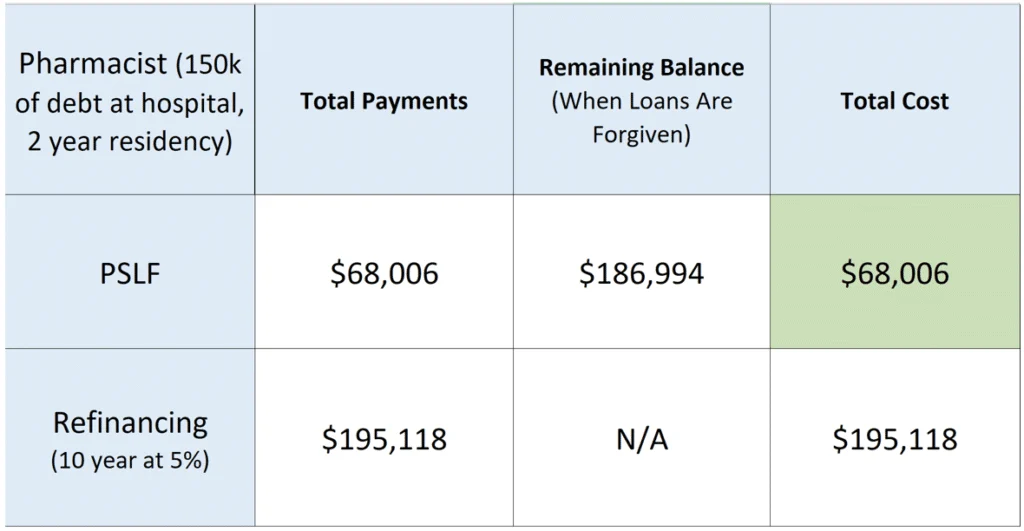
This is a dangerous trap for many borrowers. The Standard Repayment Plan typically requires higher, fixed monthly payments that are calculated based on the total loan balance rather than discretionary income. Furthermore, because these payments are not income-driven, they generally do not count toward the progress needed for PSLF or the long-term forgiveness timelines associated with other IDR programs.
Navigating Your Options: Strategic Considerations
Deciding which plan to switch to is a high-stakes decision. The National Consumer Law Center (NCLC) and other experts advise that borrowers weigh their options carefully before taking action.
When to Switch Immediately
If you have the financial capacity to afford a higher monthly payment and wish to maintain your progress toward PSLF or other forgiveness milestones, switching as soon as possible may be the most logical path. By proactively choosing a plan like IBR or PAYE, you ensure that your payment history remains uninterrupted and that your loan forgiveness timeline stays on track.
When to Wait
Conversely, some borrowers may be better served by waiting until their specific 90-day window is closer to closing. This is particularly true for those who:
- Cannot afford current alternative plans: If the jump to an IBR or PAYE payment is too steep, delaying the switch allows for more time to prepare financially.
- Are waiting for new options: New repayment programs (such as potential replacements or specialized plans) may become available as the regulatory landscape shifts.
- Need time for financial planning: The sudden loss of the SAVE plan is a major shock to household budgets. Taking the full 90-day window can provide necessary time to reallocate savings or seek professional financial guidance.
Official Responses and Legal Context
The Department of Education has maintained a firm stance throughout the litigation. In updated guidance released on July 1, 2026, the Department stated: "The most recent court action requires that borrowers who have loans in forbearance because they enrolled in or applied for the SAVE Plan must select a new repayment plan and begin repaying their loans."
Legal experts, such as Attorney Adam S. Minsky, have pointed out that the government is essentially operating under duress. The courts have left the Department with little room to maneuver, forcing the hand of federal administrators to dismantle a program that was once touted as the gold standard of student loan reform.
For the borrower, the legal maneuvering is secondary to the practical reality: the federal government is no longer capable of offering the SAVE plan, and the legal order to vacate the program is final.
Long-Term Implications for Borrowers
The end of the SAVE plan signals a shift in the landscape of student loan repayment in the United States. For years, the federal government leaned toward expansive, borrower-friendly IDR plans. Now, the landscape is becoming more fragmented and potentially more expensive.
Increased "Payment Shock"
The most immediate implication is the potential for widespread payment shock. Millions of borrowers who were paying $0 or nominal amounts under the SAVE plan will soon see their monthly bills rise significantly. This could lead to a spike in delinquency rates if borrowers are not adequately informed about their options.
The Importance of Proactive Management
The lesson from the SAVE plan’s downfall is clear: federal student loan policies are subject to the volatility of the court system. Borrowers can no longer assume that the repayment plan they choose today will be the one they stay on for the life of their loan.
To navigate this period, experts recommend:
- Monitoring communications: Check your student loan servicer’s portal regularly and ensure your contact information is up to date.
- Evaluating alternatives: Use official calculators to compare the monthly payments and total cost of IBR, PAYE, and other available plans.
- Consulting professionals: Given the complexity of the rules, those with high debt-to-income ratios may benefit from speaking with a student loan specialist or financial advisor.
Conclusion
The demise of the SAVE plan is a significant setback for borrowers who were relying on its benefits to manage their education debt. While the transition process is fraught with uncertainty and administrative challenges, the path forward requires deliberate action. By staying informed, monitoring your specific 90-day notification window, and carefully selecting an alternative plan, you can mitigate the impact of this change and ensure your path to financial stability—and eventual loan forgiveness—remains intact.
For those feeling overwhelmed, remember that there is no one-size-fits-all solution. Every borrower’s financial profile is unique, and the best strategy is one tailored to your specific income, loan balance, and professional goals. Stay vigilant, act within your designated timeframe, and prioritize your long-term financial health in this evolving landscape.