






The delicate dance of aviation safety relies on a foundation of mutual trust and precise communication between the cockpit and the control tower. However, on the morning of Sunday, September 13, 2026, that foundation cracked at Hartsfield-Jackson Atlanta International Airport (ATL). What began as a routine departure sequence for American Airlines flight AA1428 escalated into a heated verbal exchange between a seasoned air traffic controller and an airline pilot, highlighting the fragile nature of professional collaboration in one of the world’s busiest hubs.
The Sequence of Events: A Chronology of Escalation
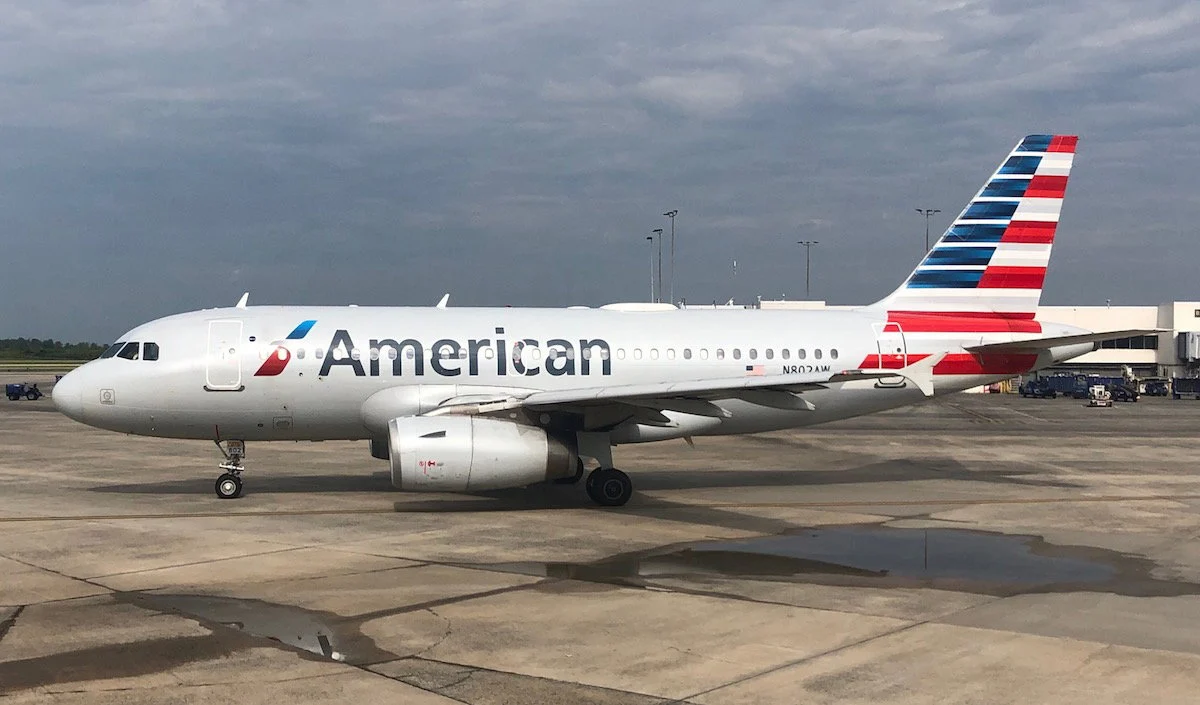
The incident involved American Airlines flight AA1428, an Airbus A319 (registration N812AW) scheduled for service from Atlanta to Philadelphia (PHL). The morning commute at ATL is notoriously complex, requiring controllers to sequence aircraft with surgical precision to maintain flow while adhering to strict safety separation standards.
According to audio logs and incident reports, the conflict unfolded in the following sequence:
- The Setup: The American Airlines flight was instructed to "line up and wait" on runway 27R, positioned directly behind a Delta Air Lines Boeing 757 that was preparing for departure.
- The Clearance: The tower controller issued takeoff clearance to the American Airbus.
- The Intervention: Before initiating the takeoff roll, the American pilot requested additional separation from the preceding 757, citing concerns regarding wake turbulence.
- The Retaliation: The controller, appearing frustrated by the late request, immediately canceled the takeoff clearance and instructed the American crew to vacate the runway. The controller then directed a waiting Frontier Airlines flight to taxi onto the runway, effectively bumping the American flight to the back of the queue.
- The Verbal Confrontation: A terse exchange followed. The controller admonished the American crew, stating, "Next time you need more than standard separation, you need to notify us prior to taking the runway."
- The Rebuttal: A second pilot—presumably the captain—interjected, noting that the flight deck does not carry the controller’s internal separation manuals and asserting that the assigned gap behind a 757 was insufficient for safety.
- The "Deviance" Threat: The controller firmly maintained that no wake turbulence separation was required under the current conditions and issued a phone number to the pilot, a common procedural step when a controller intends to report a "pilot deviation."
- The Third-Party Intervention: Adding a layer of bizarre interpersonal friction to the incident, the crew of the waiting Frontier flight chimed in over the frequency to compliment the controller’s handling of the situation. The controller, emboldened by the support, remarked, "I’ve been doing this for 26 years; I don’t need some pilot telling me how to do my job."
The Science of Wake Turbulence: A Point of Contention
At the heart of this dispute lies the concept of "wake turbulence." When a heavy aircraft like a Boeing 757 takes off, it generates powerful, swirling vortices of air—"wingtip vortices"—that can linger in the air long after the plane has departed. For a lighter aircraft, such as an Airbus A319, these vortices can pose a significant flight safety hazard, potentially causing a loss of control if encountered during the critical takeoff or climb-out phase.
The Federal Aviation Administration (FAA) maintains rigorous standards for wake turbulence separation, which are determined by the weight categories of the aircraft involved. Pilots are trained to be the ultimate authority regarding the safety of their vessel; if a captain feels that the environmental conditions—such as wind speed and direction—warrant a wider buffer than the absolute minimum required by regulation, they are generally encouraged to advocate for their safety.
However, the controller’s frustration is rooted in the operational reality of ATL. In a high-volume environment, every second of runway occupancy is calculated. Late requests for additional separation can cause a "ripple effect" of delays across the entire airport. The controller’s insistence that the pilot should have communicated the need for extra spacing prior to reaching the runway reflects the operational pressure to keep the machine running.
Professionalism and the "Culture of Deference"
The incident raises significant questions regarding the evolving culture within the National Airspace System. Historically, the relationship between pilots and controllers has been one of high-functioning professional respect. The inclusion of a third party—the Frontier crew—in the middle of a conflict is a rare and arguably unprofessional departure from standard radio etiquette.
In aviation, the "sterile cockpit" rule and professional radio decorum are intended to prevent exactly this type of emotional spillover. When a pilot and a controller move from discussing safety parameters to discussing their resumes and personal grievances, the focus shifts away from the safe operation of the aircraft.
By offering a phone number for a potential pilot deviation, the controller signaled an intent to escalate the matter through official channels. This "punitive" use of radio communication can often serve as a catalyst for further conflict, as it transforms a technical disagreement into an adversarial legalistic battle.
Implications for Safety and Oversight
What are the long-term consequences of such a public display of frustration?
1. The Chilling Effect on Safety Reporting
If pilots fear that requesting extra safety margins will result in being "sent to the back of the line" or subjected to threats of professional discipline, they may become hesitant to voice concerns. This is a dangerous outcome for aviation safety. The "Pilot in Command" (PIC) authority must remain absolute.
2. Controller Fatigue and Operational Pressure
Atlanta is one of the most stressful environments for air traffic control. The controller’s comment, "I’ve been doing this for 26 years," suggests a level of burnout or a belief that experience grants immunity from the necessity of collaborative communication. When the stress of the job overrides the professional duty to provide service, the entire safety net suffers.
3. The Need for Better Conflict Resolution
The FAA’s procedures for handling pilot-controller disputes generally involve reporting the incident for review by management. However, these reviews often happen days or weeks after the fact. There is a lack of real-time conflict de-escalation training for personnel who operate in high-pressure environments.
Conclusion: A Lesson in Airmanship
While it is impossible to fully adjudicate the technical merits of the separation without the specific meteorological data and the precise wording of the takeoff clearance, the incident serves as a cautionary tale.
The American Airlines pilot was correct to advocate for the safety of his aircraft, as no pilot should feel pressured to take off under conditions they deem unsafe. Conversely, the controller was correct that operational flow requires proactive communication. However, both parties failed in their duty to maintain professional composure.
The incident at Hartsfield-Jackson was not just a debate over wake turbulence; it was a breakdown in communication. In an industry where the margin for error is measured in feet and seconds, the most important tool on the flight deck and in the tower is not the radar, the navigation system, or the manuals—it is the professional, calm, and collaborative exchange of information. When that breaks down, the entire system is diminished. As the FAA investigates this incident, the focus should not merely be on who was "right" or "wrong," but on how to ensure that the cockpit and the tower remain focused on their primary objective: the safe, efficient movement of passengers.