







For years, economic analysts have been bracing for a "breaking point." With household debt in the United States ballooning to a record-breaking $18.8 trillion, the prevailing narrative suggests that American consumers are teetering on the edge of a fiscal cliff. High interest rates, persistent inflation, and the exhaustion of pandemic-era savings were expected to drive widespread defaults and financial distress.
However, a new, comprehensive survey of 1,028 U.S. adults conducted by Lexington Law reveals a startlingly different reality. The American consumer is not necessarily defaulting; they are, in fact, remarkably disciplined. Yet, despite this widespread financial vigilance, millions of households find themselves stuck in a "stagnation trap"—paying their bills on time while seeing no progress on their debt balances.
The data suggests that the struggle for financial freedom in today’s economy is no longer just about discipline—it is about the hidden mechanics of credit reports and the structural difficulty of moving the needle on debt in a high-interest environment.
The Myth of the Defaulting Consumer
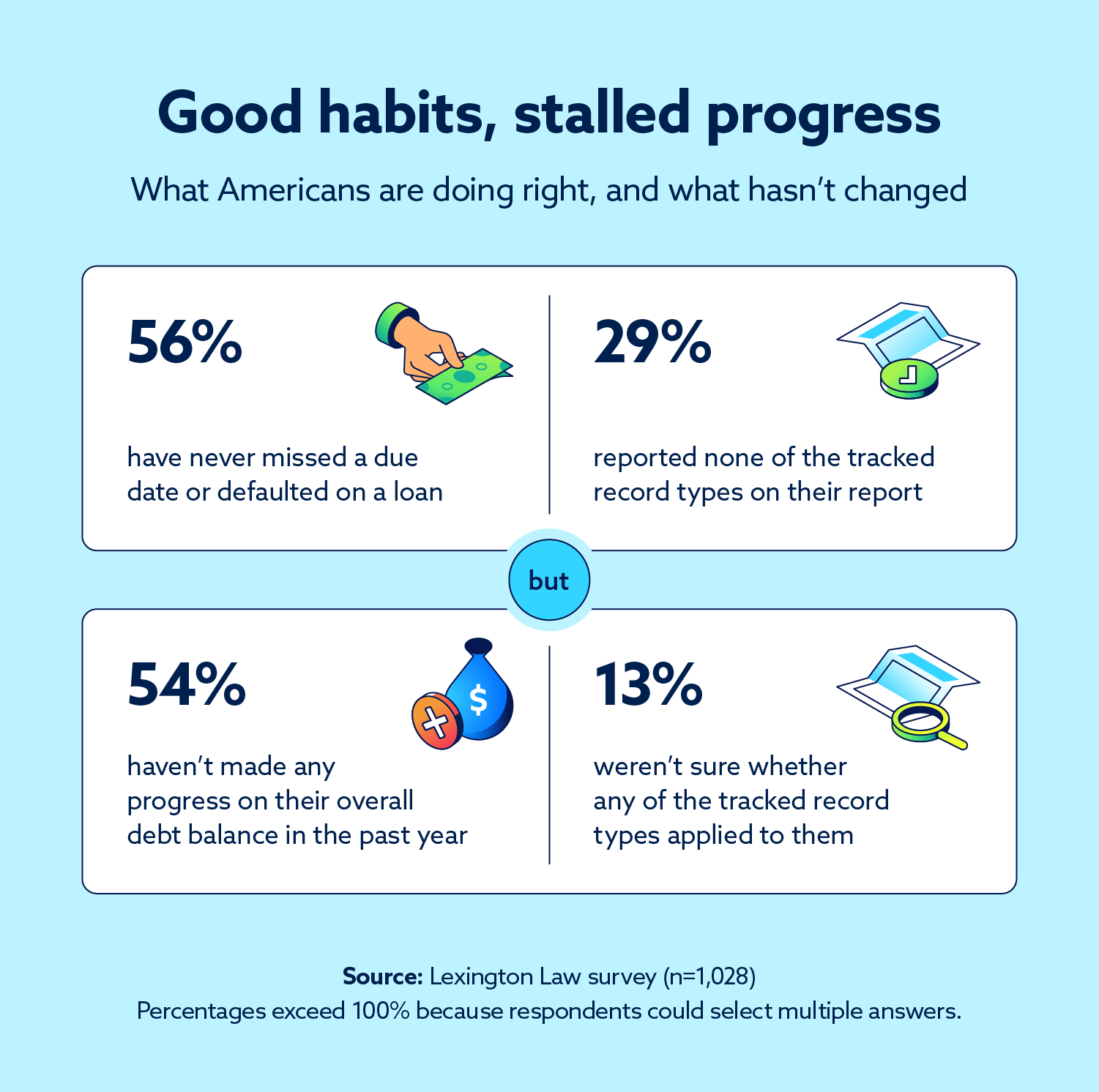
The most striking finding from the survey is the degree to which Americans are successfully maintaining their financial obligations. Contrary to the narrative of widespread insolvency, 56% of respondents have never missed a payment or defaulted on a loan. Furthermore, 29% reported that their credit reports were entirely free of derogatory marks, such as collections or bankruptcies.
These figures indicate a high level of consumer conscientiousness. Most Americans are not ignoring their debt; they are managing it with laser-like focus. However, the survey exposes a painful paradox: keeping up is not the same as getting ahead.
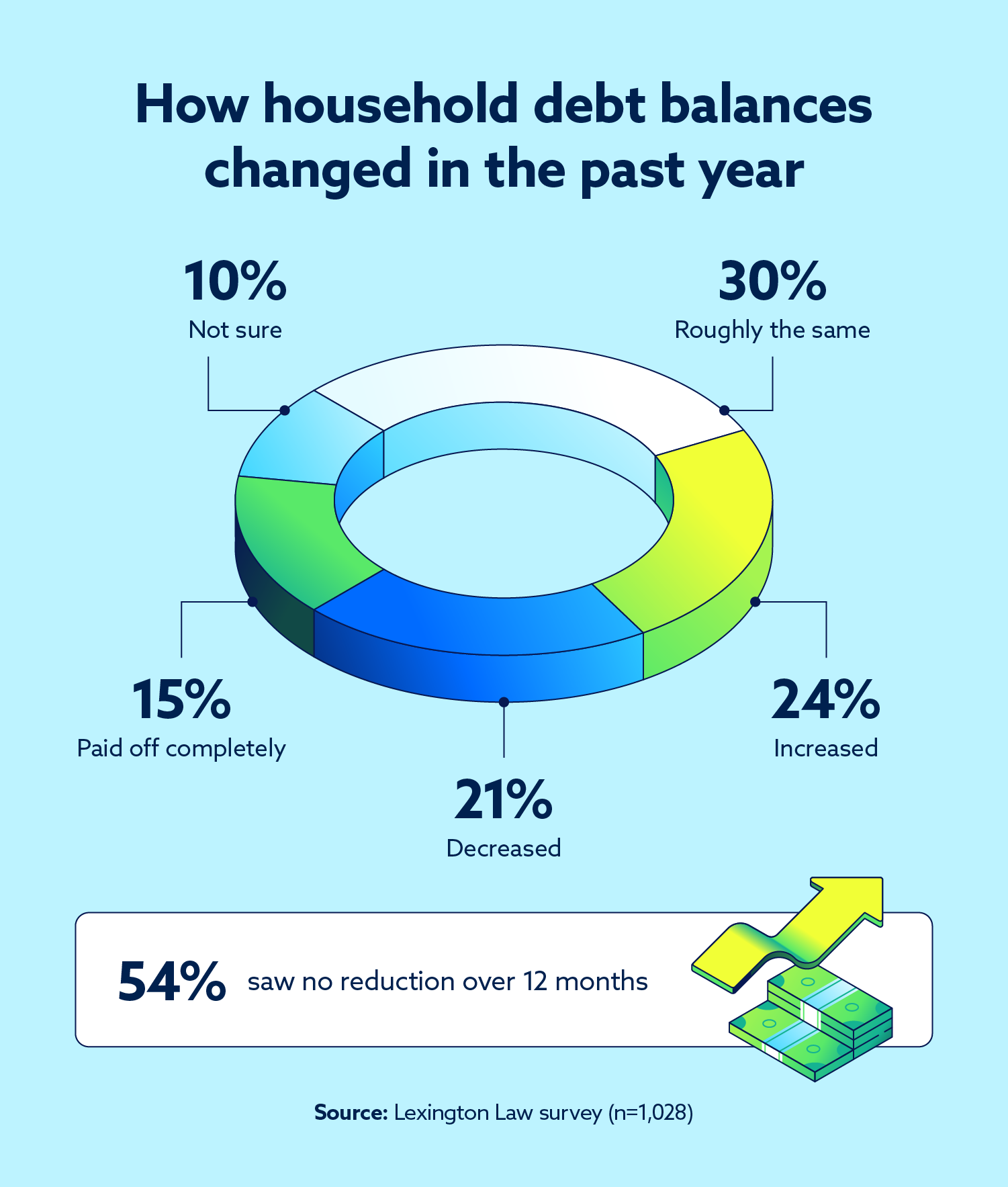
While the majority are avoiding the catastrophic consequences of default, 54% of respondents reported that their overall debt balance has remained unchanged over the last 12 months. For these individuals, the "financial discipline" they exercise—making monthly minimums and avoiding late fees—is essentially keeping them treading water. They are neither sinking into bankruptcy nor rising toward debt-free stability.
Chronology of a Financial Squeeze: How Debt Becomes Chronic
To understand how a household moves from stability to stagnation, one must look at the hierarchy of modern debt. The survey highlights a clear, concerning distribution:
- Credit Cards (43%): The most common form of debt, and also the most dangerous due to high, variable interest rates.
- Mortgages (27%): While significant, these are secured by real estate, offering some stability.
- Auto Loans (22%): A necessary expense for most Americans, but a fixed burden that limits cash flow.
- Personal Loans (19%): Often used for debt consolidation, these unsecured debts can carry heavy interest burdens.
The trend is clear: the most prevalent debt types are the ones with the fewest protections and the highest costs.
The 12-Month Stagnation Period
For more than half of the surveyed population, the past year has been a cycle of payment without progress.
- 24% of respondents saw their debt increase over the last year.
- 30% reported that their debt stayed roughly the same.
- Only 21% managed to reduce their balance, and a mere 15% succeeded in paying it off entirely.
This represents a "stagnation threshold." When a household spends 12 months making regular, on-time payments only to find their principal balance largely untouched, it is rarely due to a lack of effort. Instead, it is the mathematical reality of current interest rates, where a significant portion of every payment is consumed by interest rather than principal reduction.

When Discipline Isn’t Enough: The Credit Report Blind Spot
Financial discipline is a virtue, but it does not guarantee financial accuracy. A significant portion of the population is operating in the dark. Thirteen percent of survey respondents admitted they were unsure if their credit report contained any negative or inaccurate items.
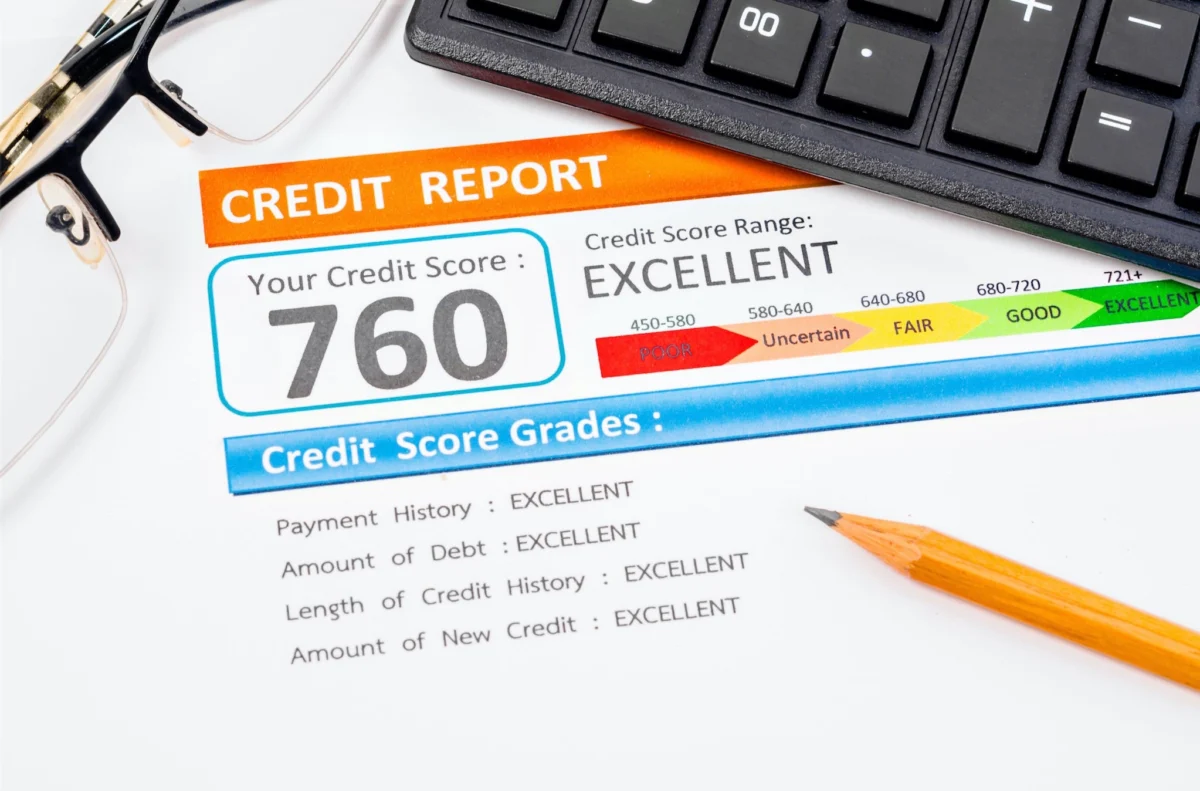
This creates a critical "blind spot." A consumer may be diligently paying down their credit card debt, thinking they are on the path to financial health, while an undiscovered or inaccurate derogatory mark—such as a medical collection or a misreported late payment—is actively dragging down their credit score.
A high credit score is the gatekeeper to lower interest rates. If a consumer is paying high interest on their debt, but their credit report contains errors, they are effectively paying a "tax" on their financial reputation that they don’t even know exists.
The Downward Spiral: From One Missed Payment to Crisis
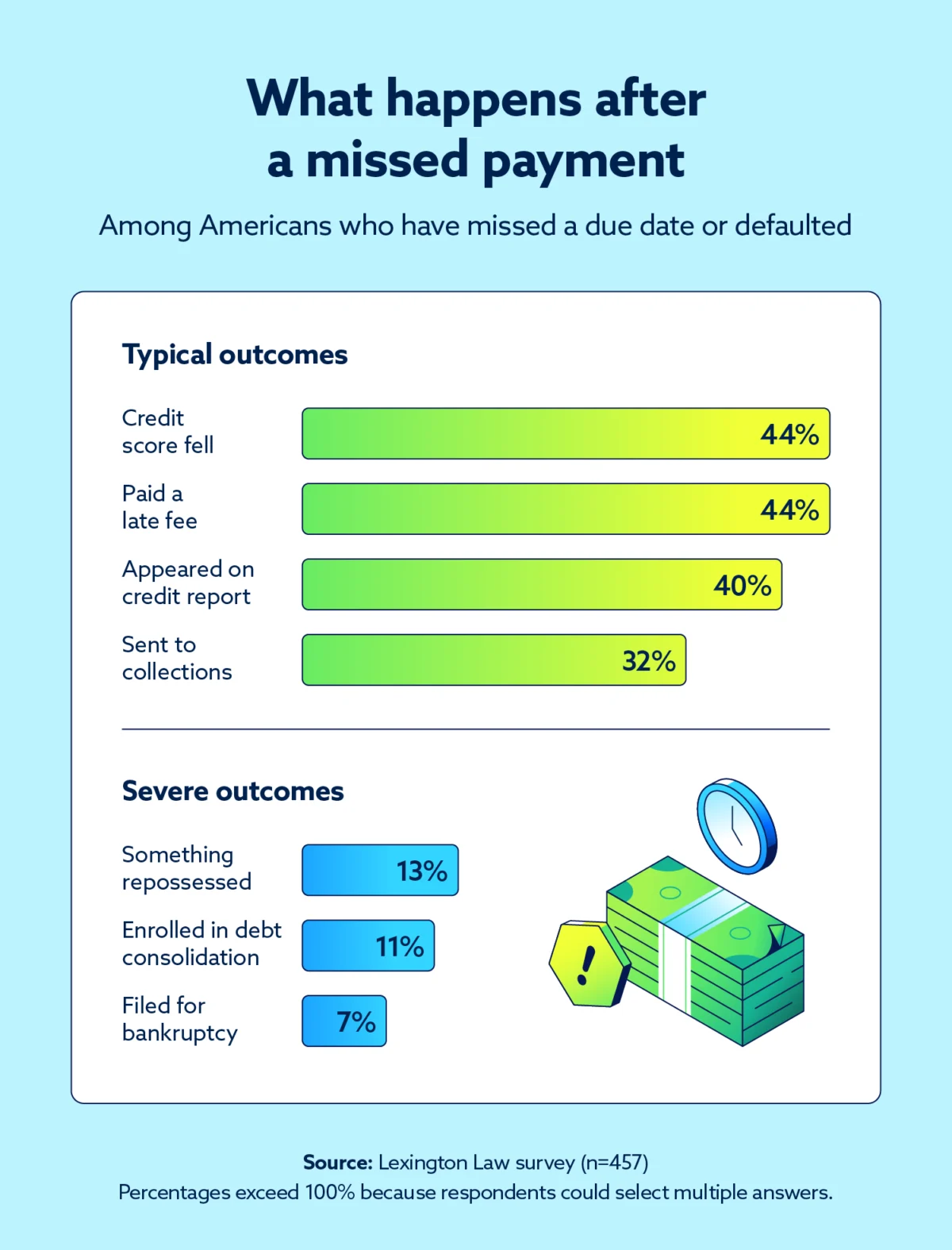
While the majority of Americans are keeping their heads above water, the survey provides a stark warning for those who do falter. For the 45% of respondents who have missed a due date or defaulted, the consequences are often swift and long-lasting:
- Immediate Impact: 44% saw their credit score drop, and 44% were hit with late fees.
- The Reporting Cycle: 40% saw the incident appear on their credit report, a mark that can persist for years.
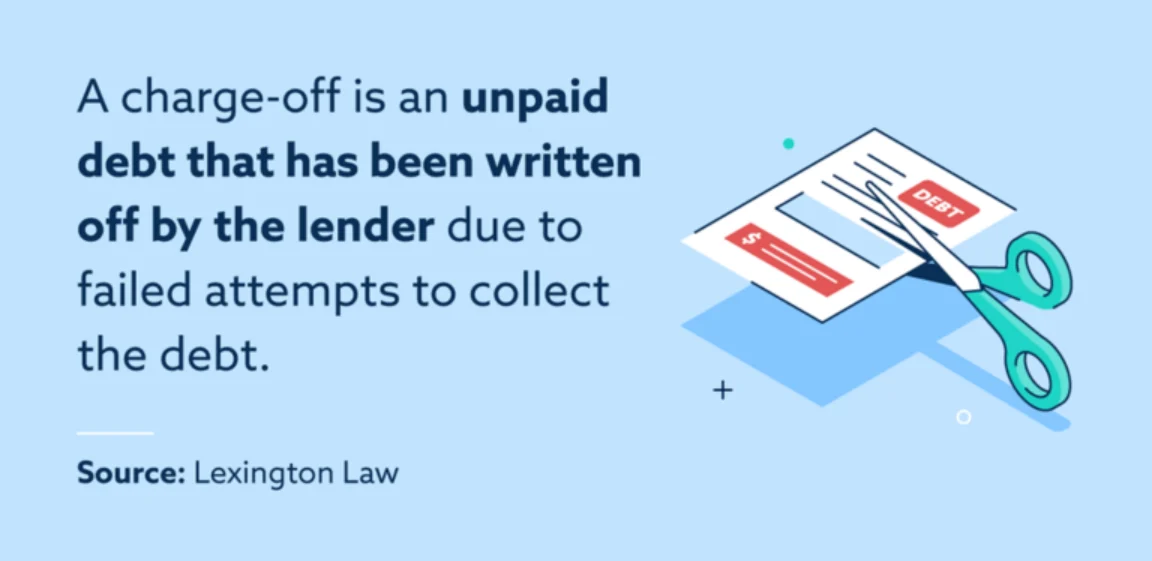
- Escalation: 32% of those who missed payments eventually saw their debt sent to collections.
Most concerning is the lack of proactive intervention. Only 17% of respondents reached out to their lenders to negotiate after missing a payment. Many consumers mistakenly believe that once a mistake is made, they must simply "take the hit." However, as legal experts point out, this is a dangerous misconception. Negotiating with creditors or disputing inaccurate reports can fundamentally alter the long-term impact of a financial slip-up.
The Middle-Income Anxiety Gap
Perhaps the most surprising takeaway from the survey is where the greatest anxiety lives. It is not the lowest-earning households or those with the worst credit that feel the most pressure—it is the middle-income bracket ($50,000–$99,999).
These individuals have enough assets and obligations to be deeply concerned about their credit standing, yet they lack the "margin" required to absorb a sudden financial shock.
- Credit Anxiety: 31% of middle-income households reported growing concern over their credit health, compared to 20% of those earning over $100,000.
- The "Fair Credit" Trap: Among those with "fair" credit, 39% report growing concern. This group is also the most likely to hold "Buy Now, Pay Later" (BNPL) balances, indicating that they are turning to short-term, often high-risk financing to bridge the gap between their income and their monthly expenses.
Official Perspectives: Navigating the System
When asked about the path forward, legal professionals emphasize that consumer rights are a powerful, yet underutilized, tool. Moriah Beaver, an attorney at Lexington Law Firm, notes that the Fair Credit Reporting Act (FCRA) provides consumers with the legal right to challenge inaccurate information.
"Consumers have the right to dispute information they believe is inaccurate or incomplete," Beaver states. "The credit reporting agencies have a corresponding responsibility to investigate those disputes."
However, the survey indicates that most Americans are intimidated by the process. The administrative burden of documenting accounts, tracking dates, and navigating the dispute process at all three major credit bureaus is a hurdle that keeps many from taking action.
Recommendations for Consumers:
- Regular Audits: Pull your credit reports from all three bureaus via annualcreditreport.com at least once a quarter.
- Documentation: If an error is spotted, do not simply ignore it. Maintain a file containing the account details, the reported status, and copies of all correspondence.
- Proactive Negotiation: If you know you are going to miss a payment, contact the lender immediately. Many creditors have hardship programs that are vastly preferable to allowing a payment to go into default.
- Seek Professional Review: If the complexity of the report or the severity of the marks exceeds your capacity, consider an attorney-led review to ensure your legal rights are protected.
Implications: The Road Ahead
The Lexington Law survey paints a portrait of a resilient but exhausted American middle class. We are a nation of people who are "doing it right"—paying on time, avoiding obvious pitfalls, and trying to manage household budgets in a high-inflation environment.
Yet, the fact that over half of Americans see no progress in their debt reduction suggests that individual discipline is hitting a systemic wall. When the cost of living and the cost of debt service remain high, personal willpower alone may not be enough to break the cycle.
The primary takeaway for the American consumer is clear: financial health is no longer a passive pursuit. You must be an active manager of your credit, a diligent auditor of your reports, and an advocate for your own financial future. The "stagnation trap" is real, but it is not necessarily permanent for those who take the time to understand exactly what is happening in their financial profile.
Methodology Note: The survey was conducted by Centiment for Lexington Law Firm, featuring 1,028 U.S. adults, aged 18 or older. Fielded between August 12 and August 17, 2026, the data carries a margin of error of +/- 3% at a 95% confidence level.