






Executive Summary: A Legacy Carrier’s Modernization Woes
In the competitive landscape of international aviation, where major carriers are locked in a relentless arms race to offer lie-flat beds, gourmet dining, and seamless connectivity, Air Algérie stands as a stark outlier. Recently, the airline has embarked on a fleet modernization program, integrating factory-fresh Airbus A330-900neo aircraft into its long-haul operations. However, a recent journey from Montreal (YUL) to Algiers (ALG) reveals that while the hardware may be shifting toward the 21st century, the passenger experience—specifically the "soft product"—remains mired in deep systemic inefficiency.

Despite high business class fares that often rival those of premium global airlines, the experience offered by the Algerian national carrier is defined by a lack of amenities, inconsistent service, and a complete absence of the personalized attention expected in premium cabins. For frequent travelers, this flight serves as a cautionary tale of how brand-new aircraft cannot compensate for a fundamentally flawed service culture.

Chronology of an Underwhelming Journey
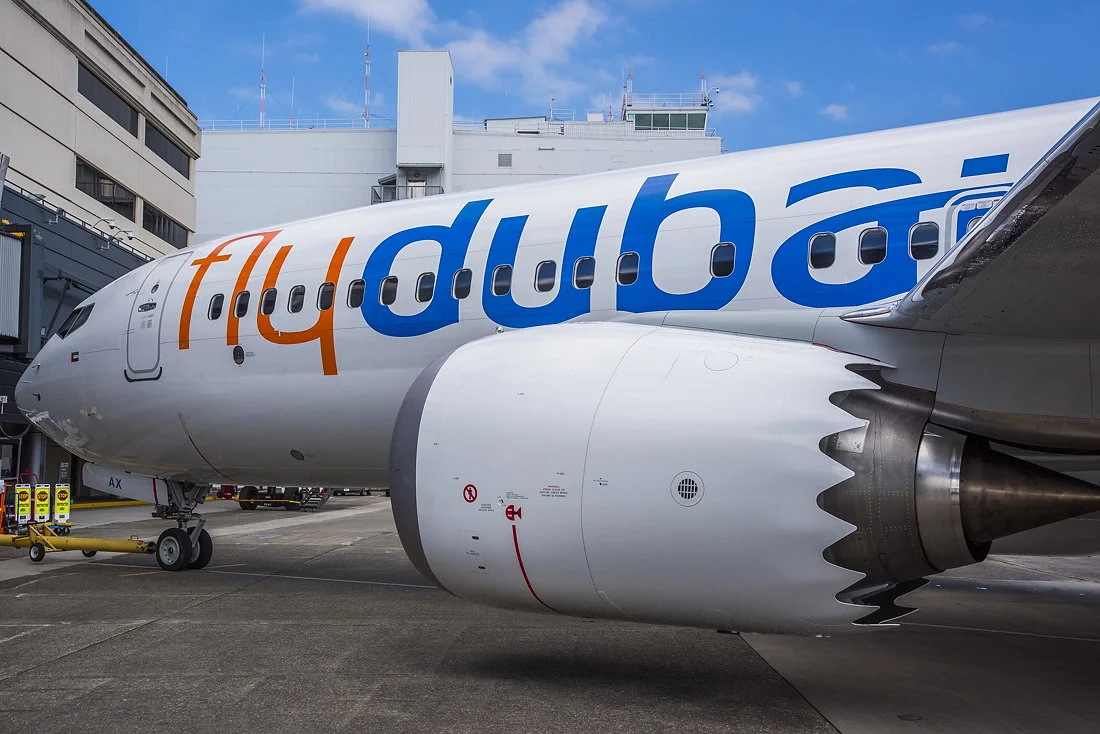
The 6-hour and 50-minute flight began with the promise of a modern Airbus A330-900neo. While the exterior of the aircraft, adorned in a striking special livery, provided a fleeting moment of optimism, the interior told a different story.

Pre-Flight and Boarding
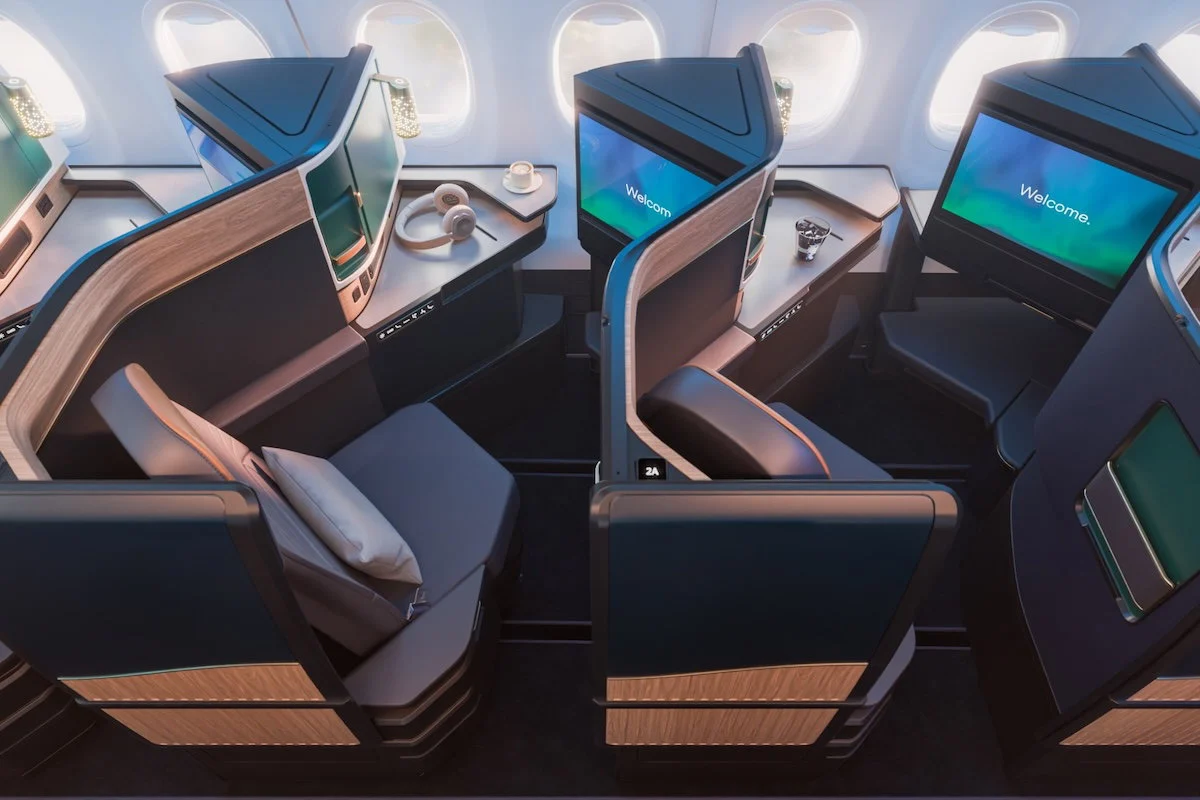
The cabin itself was not, in fact, a factory-fresh installation. It was an inherited interior from an ex-Air Belgium fleet. Air Algérie’s failure to rebrand or customize the cabin resulted in an identity-less environment, leaving passengers in an interior clearly designed for a different carrier. While the staggered seat configuration offered decent privacy and a comfortable "true" window seat, the physical condition of the cabin was disheartening. Worn panels and scuffed surfaces suggested a maintenance schedule that has been largely neglected.

The In-Flight Experience
As the flight progressed, the service gaps became glaring:

- Zero Amenities: The absence of amenity kits, menus, or basic comfort items like slippers was notable for a long-haul overnight flight.
- The Headphone Policy: Passengers were provided with low-quality, non-noise-canceling headphones, which were distributed only 20 minutes after takeoff and collected well before landing—a practice that felt more like a security measure than a premium service.
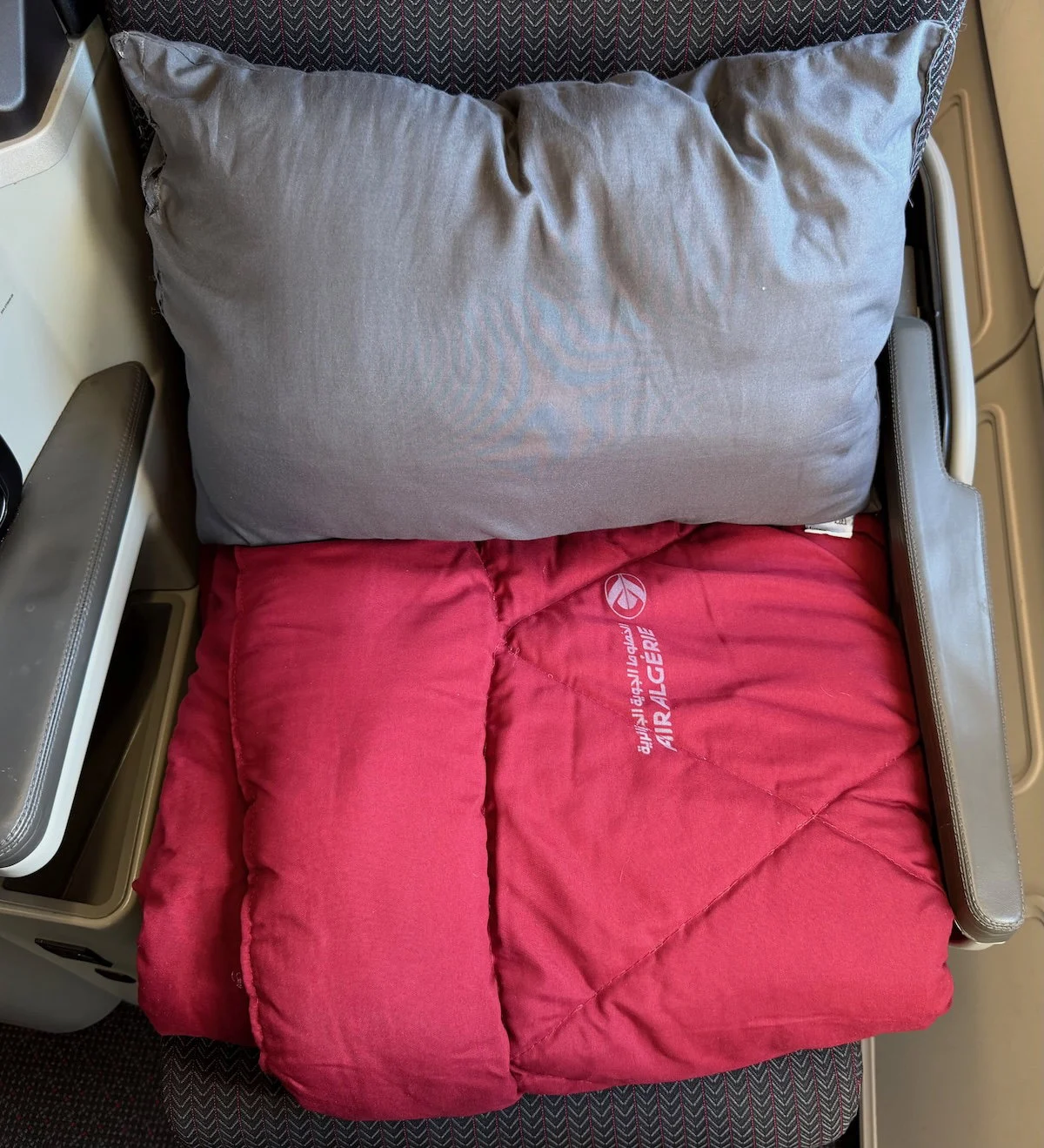
- Environmental Control: The cabin temperature was uncomfortably warm, exacerbated by the lack of individual air nozzles. While the airline provided a thick blanket and a substantial pillow, these were ill-suited for the stifling environment, leaving passengers in a state of thermal discomfort.
Supporting Data: Service and Culinary Deficiencies
The most significant detractor from the experience was the inconsistent and poorly executed meal service.

The "Mystery" Dining Experience
Air Algérie currently operates without a published menu. Passengers are not offered a choice of meals; instead, a singular, pre-determined tray is placed in front of them without explanation. On this flight, the service flow was disjointed:

- Appetizers: The starter, a portion of smoked salmon, lacked freshness and suffered from poor presentation.
- Main Course: The main, a fish dish that appeared to be overcooked swordfish, lacked seasoning and texture.
- Randomized Courses: A cheese course was followed by a "fruit course" consisting of two whole, unpeeled apples—an odd choice that proved difficult to consume with standard cutlery.
- Service Flow: The lack of synchronization was profound. At one point, the cheese course was served, followed ten minutes later by the bread meant to accompany it. Furthermore, the crew failed to remove previous courses, leading to a cluttered, unhygienic tray environment.
The Beverage Desert
Air Algérie has effectively become a "dry" airline, with no alcohol service provided. While this is a choice made by several carriers, the lack of alternatives was shocking. There were no diet sodas or sugar-free options available, and the service was so sparse that one passenger’s glass remained empty for over two hours despite requests for refills.

Inefficiency in Crew Engagement
The flight crew, while polite in demeanor, appeared entirely disengaged from the passenger experience. The language barrier was a significant hurdle, as the primary attendant in the business class cabin lacked English proficiency. When challenged with simple requests—such as inquiring about beverage options—the interactions devolved into confusion.

The lack of coordination was best exemplified during the breakfast service, where trays were distributed 15 minutes before any beverages were offered. This lack of professional polish creates a perception of an airline that has not yet trained its staff to meet international business class standards.

Official Stance and Market Realities
It is important to view Air Algérie’s current operational model through the lens of its target demographic. The airline is heavily focused on the domestic Algerian market and the diaspora. As a national carrier operating within a country that does not prioritize international tourism and maintains rigorous visa requirements, Air Algérie faces less pressure to compete with global heavyweights like Emirates or Turkish Airlines.

To date, there have been no official responses from the carrier regarding the critiques of its soft product, nor has there been any indication that a shift toward a more service-oriented culture is imminent. The slogan "Always caring for you," emblazoned on the refreshing towels provided during the flight, stands in ironic contrast to the actual service level experienced by passengers.

Implications for the Future of the Carrier
The experience on Air Algérie raises fundamental questions about the role of the national flag carrier in the modern era. Investing in new Airbus A330neos is a significant capital expenditure, yet without a corresponding investment in service training, catering quality, and cabin maintenance, these investments are largely wasted on the passenger.

Key Takeaways for Management:
- Standardization: The airline must move away from "inherited" cabin experiences and establish a distinct, branded passenger journey.
- Service Protocols: Implementing a structured service flow, including menus, beverage choices, and proactive cabin management, is essential.
- Cultural Shift: The airline’s management must decide whether it intends to be a utility transport provider or a premium international carrier. Currently, it occupies a middle ground that satisfies neither.
For the traveler, Air Algérie currently represents a "last resort" in the business class market. Until the airline addresses the systemic incompetence in its service delivery, it will continue to struggle to capture the loyalty of frequent international flyers. While the airline may be "good enough" for its current captive market, it remains a cautionary example of how modern hardware cannot camouflage a legacy of service neglect.