






Main Facts: The Launch of the Roughrider Coin Infrastructure
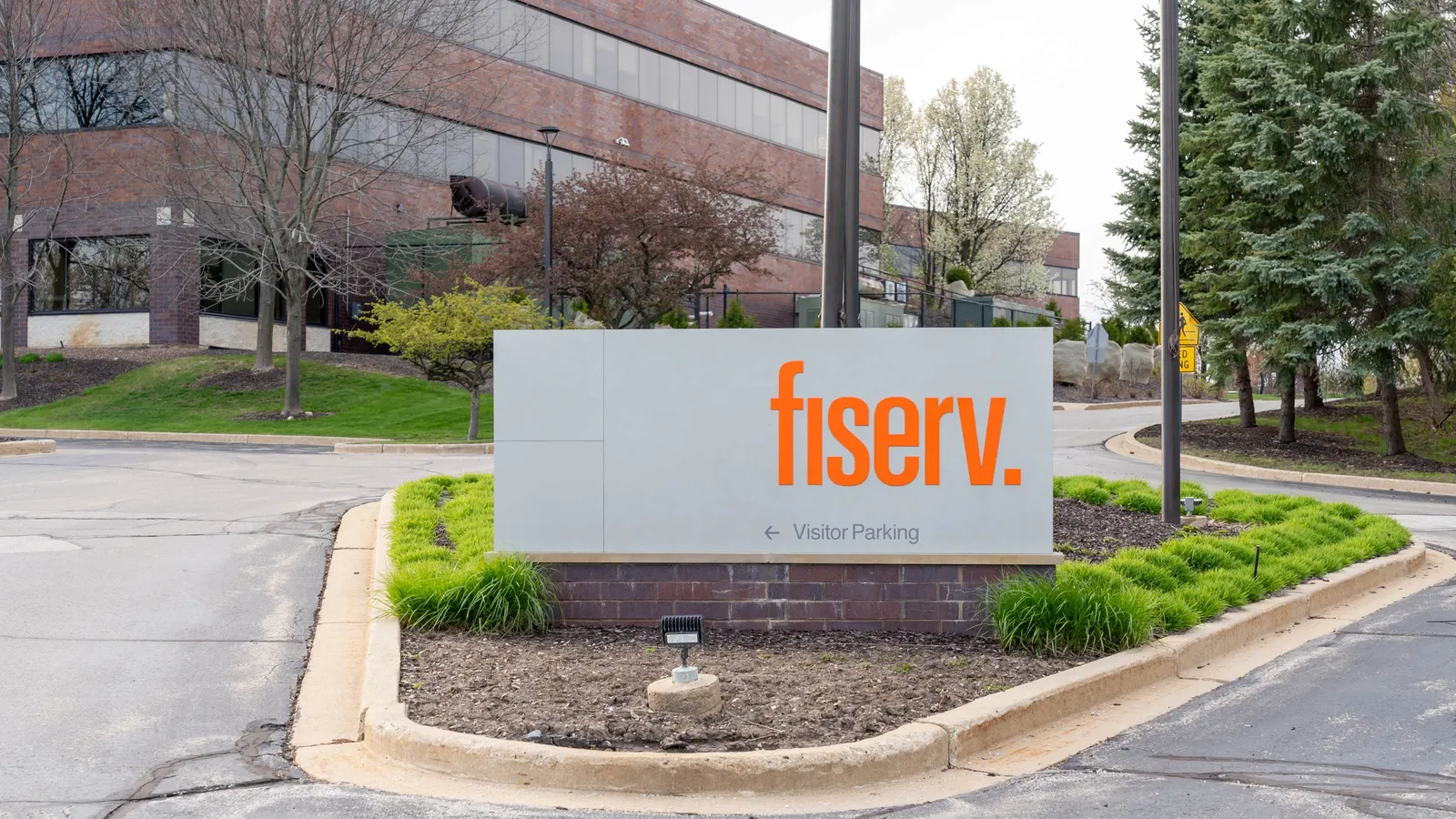
In a strategic pivot toward the future of decentralized finance, Milwaukee-based payments giant Fiserv has officially gone live with its proprietary digital asset platform. This landmark launch centers on the deployment of the "Roughrider Coin," a stablecoin backed by the Bank of North Dakota. The project represents a sophisticated collaboration between industry leaders: VersaBank serves as the issuing digital asset bank, Fireblocks provides the robust infrastructure for asset security, and the high-speed Solana blockchain facilitates the underlying transaction settlements.
The initiative is designed to revolutionize money movement within the state’s interbank network. By leveraging stablecoin technology—digital assets pegged to a stable value, typically the U.S. dollar, to mitigate the extreme volatility associated with cryptocurrencies like Bitcoin—Fiserv aims to modernize how financial institutions interact. The platform will support not only the Roughrider Coin but also tokenized deposits, automated treasury management, and currency exchange services, providing a versatile toolkit for fintechs, online marketplaces, and traditional banking entities.
Chronology: The Road to Modernization
The journey to this week’s launch has been marked by a series of legislative and corporate milestones that have reshaped the American financial landscape.
- 2021: Nebraska lays the groundwork for digital asset integration with its Financial Innovation Act, establishing a new charter for digital asset depository institutions.
- June 2024: Fiserv announces its intention to launch a proprietary stablecoin, "FIUSD," signaling its ambition to integrate digital assets across its vast network of 10,000 financial institutions and six million merchant locations.
- August 2025: Wyoming makes history as the first state to launch its own digital currency, the "Frontier Stable Token," following the passage of federal legislation.
- July 2025: Congress passes the "Genius Act," creating a long-awaited federal regulatory framework for stablecoins, providing the legal certainty necessary for institutional adoption.
- October 2025: The Bank of North Dakota announces the development of the Roughrider Coin, named in honor of Theodore Roosevelt’s legendary militia, positioning the state as a leader in state-backed digital finance.
- February 2026: Fiserv officially activates its digital asset platform, transitioning from concept to production with the deployment of the Roughrider Coin.
Supporting Data and Technical Architecture
The technical foundation of the Fiserv platform is built to satisfy the stringent requirements of the modern financial sector. By assuming the roles of issuer, reserve manager, and custodian, Fiserv has centralized the security protocols that historically hampered mainstream crypto adoption.
The Role of Infrastructure Partners:
- Fireblocks: Provides the multi-party computation (MPC) and wallet infrastructure that ensures institutional-grade security for digital assets.
- Solana: Chosen for its high throughput and low transaction costs, enabling near-instantaneous settlement for interbank transfers.
- The Bank of North Dakota: Serving as the sovereign anchor, the bank provides the reserve backing that ensures the Roughrider Coin maintains a 1:1 parity with the U.S. dollar.
For North Dakota, the implications are significant. Roughly 90 financial institutions will now have access to this digital rail, allowing for frictionless bank-to-bank transfers. This move is expected to streamline state-level liquidity and provide merchants with an alternative, highly efficient payment rail that bypasses legacy clearing systems.
Official Responses and Corporate Strategy
Sunil Sachdev, Head of Embedded Finance and Digital Assets at Fiserv, emphasized that the launch represents a critical bridge between legacy banking and the digital economy. "By moving from concept to production with leading institutions, we are helping clients unlock new efficiencies in banking and payments while maintaining the trust, security and regulatory standards they expect," Sachdev noted in the company’s press release.
However, the corporate narrative surrounding Fiserv is complex. The company is currently navigating a period of internal volatility. Under pressure from activist investor Jana Partners, the company is facing demands to divest non-core business segments to sharpen its focus and improve stock performance. Furthermore, the arrival of new CEO Takis Georgakopoulos has intensified the spotlight on Fiserv’s growth strategy, which has struggled to meet market expectations over the past year.
Notably, while Fiserv had previously announced plans for its own FIUSD stablecoin, the recent announcement was conspicuously silent on the project’s status. When questioned, Fiserv representatives declined to provide an update, suggesting that the company is currently prioritizing the implementation of client-facing infrastructure—such as the North Dakota project—over the launch of its own branded token.
Implications for the Financial Sector
The launch of the Fiserv platform carries profound implications for the broader financial services industry. It signals a shift from "crypto-as-speculation" to "crypto-as-utility."
1. The Rise of "State-Backed" Digital Assets
North Dakota is demonstrating that states can act as laboratories for financial innovation. By providing a stable, state-sanctioned digital medium of exchange, the Bank of North Dakota is effectively reducing the cost of capital and settlement times for local businesses. If successful, this could spark a trend of "state-coins" across the U.S., potentially creating a fragmented but efficient layer of regional digital currencies.
2. Embedded Finance and Treasury Automation
Fiserv’s platform does not just facilitate payments; it enables automation. Corporate treasury departments can now utilize smart contracts to automate liquidity management, essentially allowing funds to move in response to programmable triggers. This is a game-changer for businesses that operate across multiple jurisdictions or deal with high-volume, low-margin transactions.
3. Regulatory Maturation
The success of the "Genius Act" framework provides a clear path for banks to enter the digital asset space without fear of regulatory reprisal. By aligning with established banking charters, Fiserv is helping to legitimize stablecoins as a core component of the global payment infrastructure.
4. Pressure on Legacy Systems
The traditional correspondent banking system, often criticized for its slow, multi-day settlement cycles, now faces a direct technological competitor. When a transaction can be settled in seconds on the Solana blockchain with institutional-grade security, the demand for legacy clearinghouses may decrease. Fiserv, by positioning itself at the center of this shift, is attempting to future-proof its business model against the very disruption it is helping to facilitate.
Conclusion: A Pivot to Profitability?
As Fiserv integrates these digital asset capabilities into its massive ecosystem, the company faces a dual mandate: prove that its technology can drive actual revenue growth and satisfy the demands of vocal activist investors. The shift toward digital asset infrastructure is a high-stakes gamble. If the Roughrider Coin becomes the blueprint for other state and corporate partnerships, Fiserv could cement its role as the backbone of the next generation of finance.
However, the lack of transparency regarding the FIUSD project suggests that leadership remains cautious about the pace of adoption. For now, Fiserv is betting that by building the "pipes" for others to use, it can generate steady, fee-based revenue while minimizing the risks associated with token issuance. The coming fiscal quarters will reveal whether this strategy is sufficient to satisfy shareholders and solidify Fiserv’s position in the rapidly evolving landscape of digital finance.