







That crisp, official-looking book of checks arriving in your mailbox from a credit card issuer may feel like a financial windfall—a secret stash of emergency funds or a convenient way to cover an unexpected expense. However, financial experts warn that treating these "convenience checks" as a standard financial tool is a precarious mistake. While they offer a way to tap into your credit limit without using a plastic card, they function more like a high-interest cash advance than a traditional purchase.
Using them without a comprehensive strategy can lead to a cycle of debt that is difficult to escape. To navigate these instruments, consumers must understand the mechanical differences between a standard purchase and a convenience check, the long-term impact on their credit score, and why these tools often represent one of the most expensive ways to borrow money.
Understanding the Mechanics: Why Checks Are Not Purchases
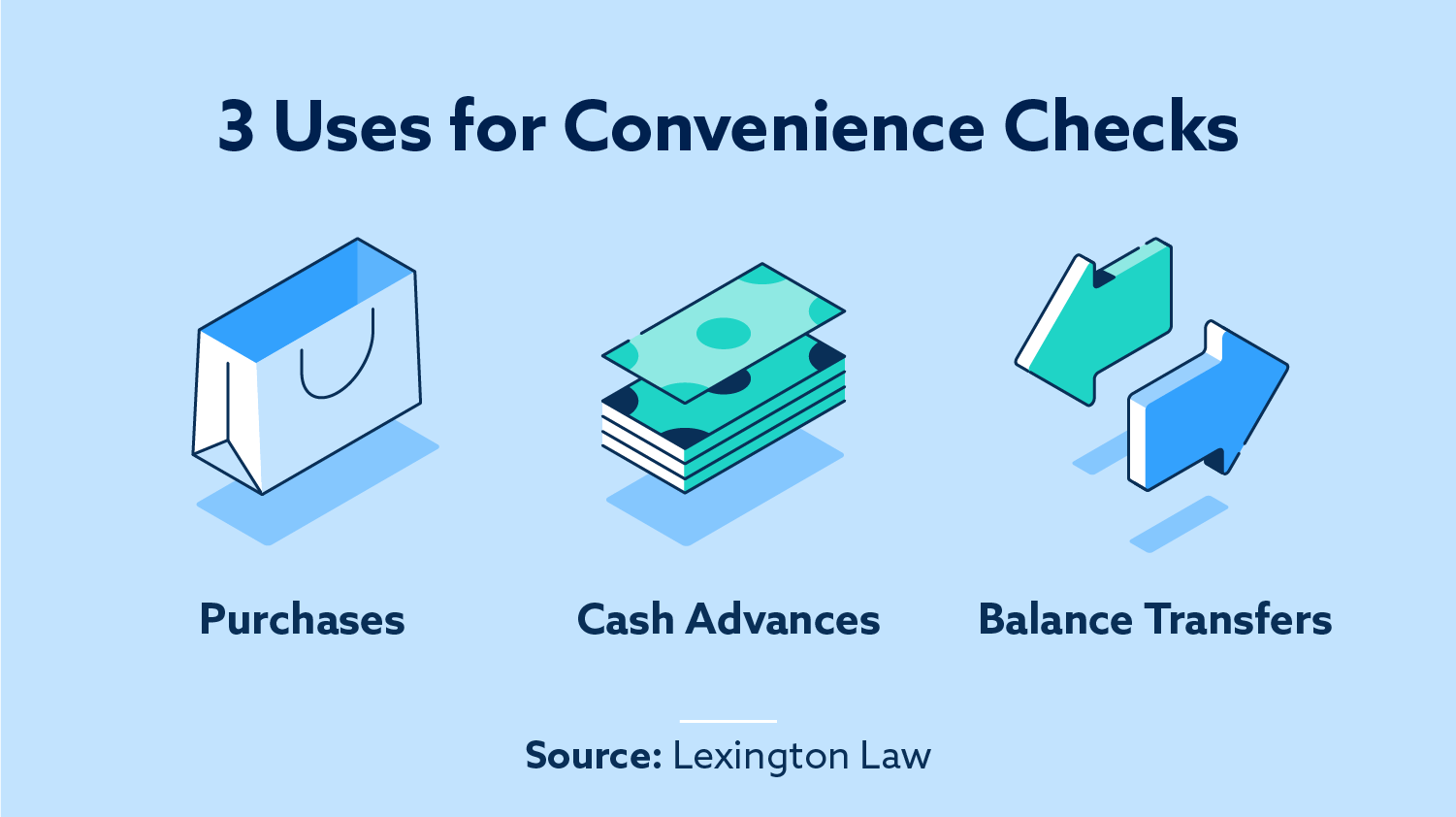
At its core, a convenience check is a paper instrument issued by a credit card company that allows a cardholder to access their available credit line. When you sign one of these checks, you are essentially borrowing against your credit limit. However, the critical distinction—and the one that catches most consumers off guard—is that these transactions are almost universally processed as cash advances.
Unlike a standard credit card swipe, which typically grants a "grace period" (a 21-to-25-day window where no interest accrues if the balance is paid in full), convenience checks rarely offer such protection. Interest begins to accrue the moment the check clears your account. Furthermore, the interest rates associated with cash advances are often significantly higher than those applied to standard purchases.

The Cost Breakdown: Fees and APR
When you write a convenience check, you are likely subject to two immediate financial burdens:
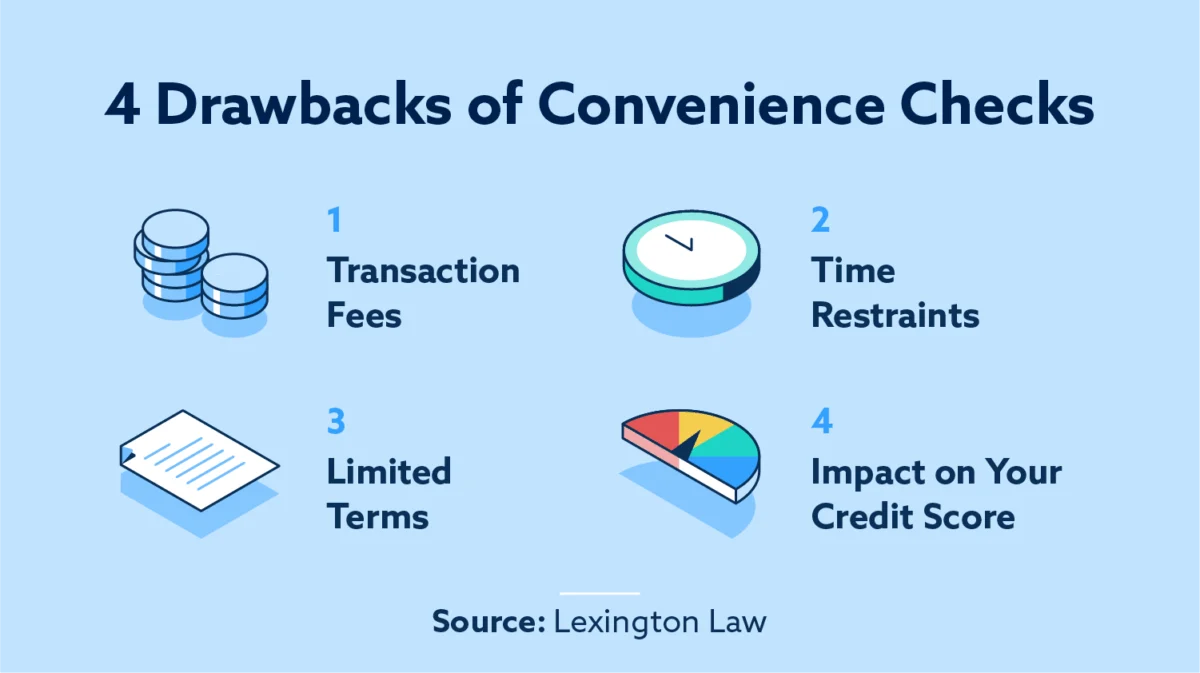
- Transaction Fees: Most issuers charge a fee ranging from 3% to 5% of the check’s total value. If you write a check for $1,000, you may be charged $50 immediately, meaning your balance starts at $1,050 before you have even spent a dollar of the actual funds.
- Elevated Interest Rates: While a standard purchase might have an APR of 18%, the cash advance APR for the same card could be 25% or higher. Because this interest compounds daily from the moment of transaction, the cost of the loan grows exponentially with each passing day.
A Chronological Perspective: From Arrival to Debt Trap
To understand the danger, it is helpful to look at the lifecycle of a convenience check transaction.
- The Solicitation: Issuers often send these checks as promotional tools, sometimes offering "0% APR" for a limited time to entice usage.
- The Execution: A consumer, facing a need for cash or a debt they cannot pay via card, signs the check.
- The Clearing: The check hits the banking system. The issuer immediately assesses a transaction fee and begins calculating interest.
- The Statement Period: The consumer receives their monthly statement. They see the transaction fee and the interest charges, which may be significantly higher than expected.
- The Trap: Because of the way payments are applied, if a consumer only pays the "minimum payment," their payment is often applied to the lowest-interest debt first. This leaves the high-interest cash advance balance lingering on the account, accruing more interest every month.
Supporting Data: The Impact on Credit Utilization
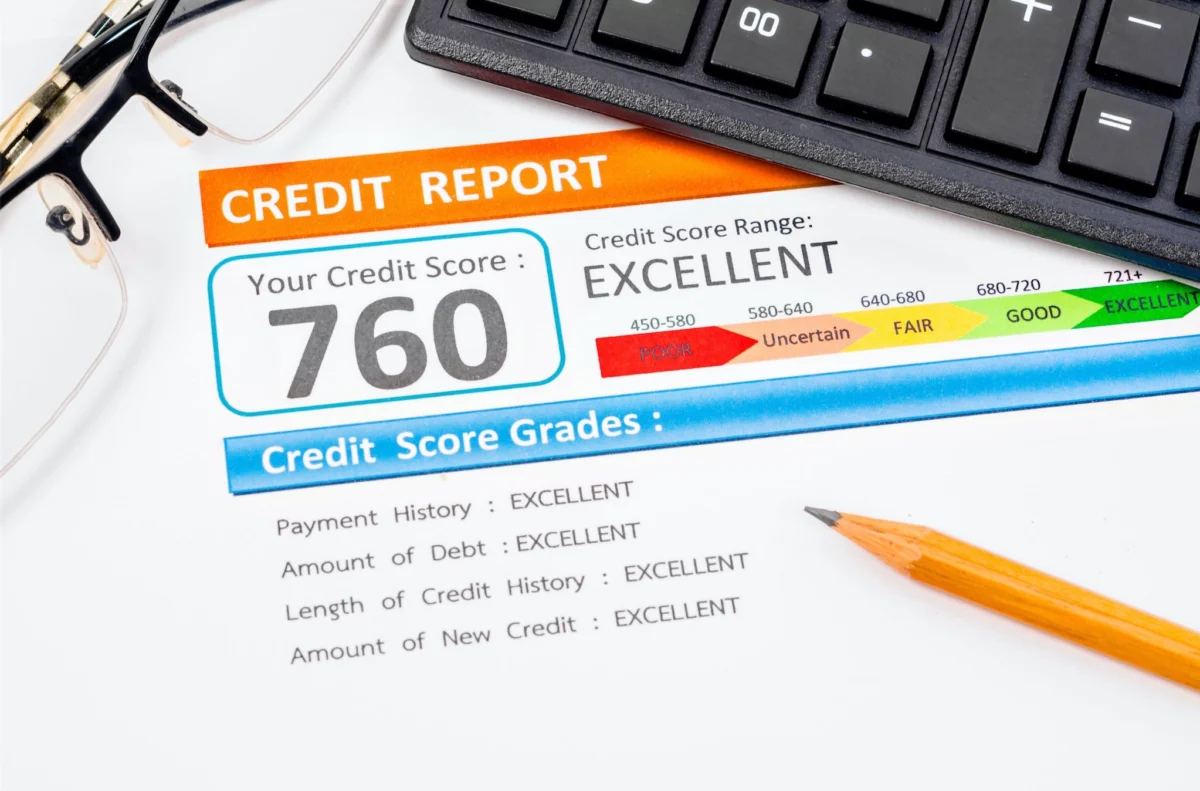
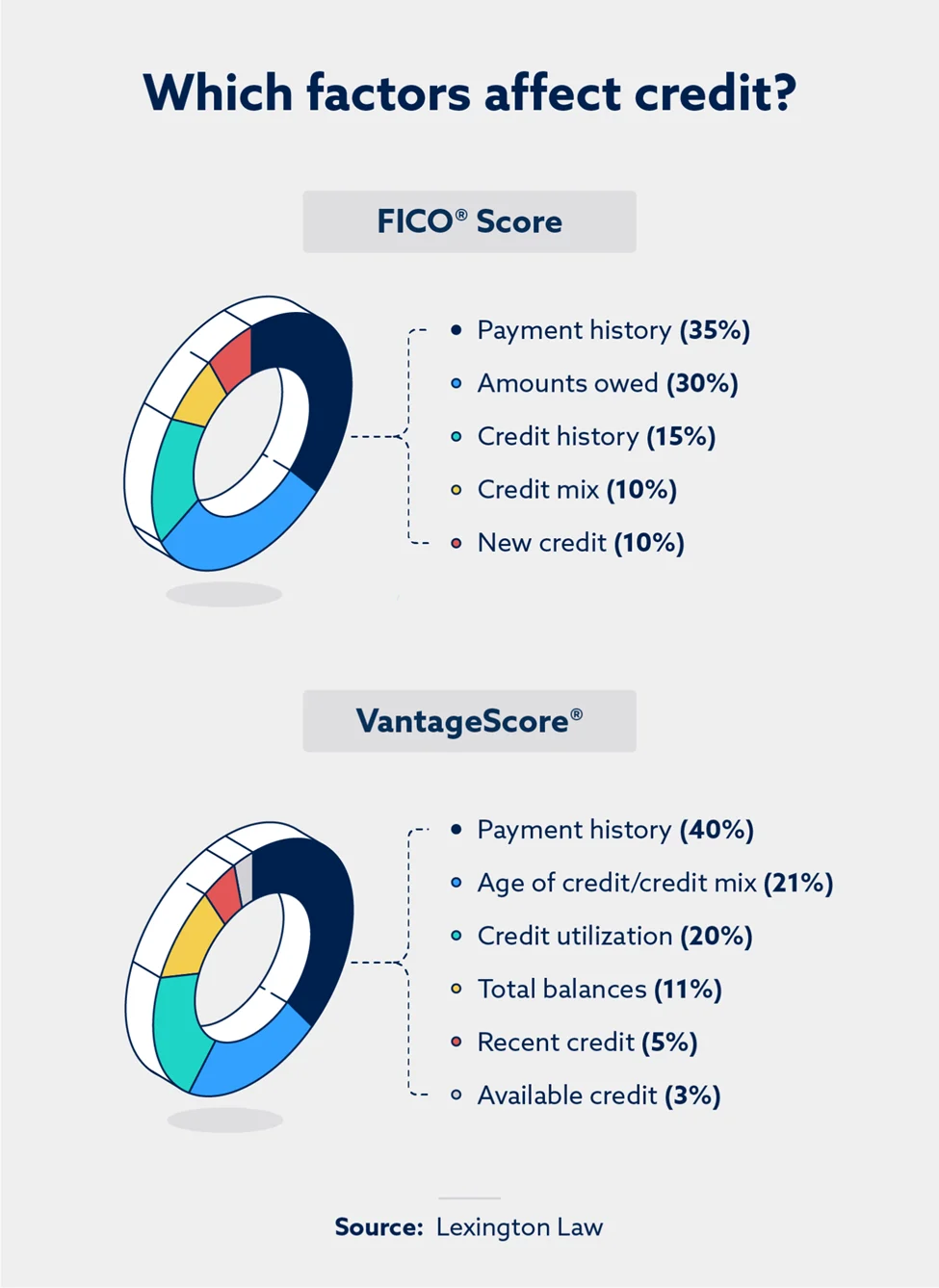
Perhaps the most overlooked consequence of using convenience checks is the damage to your credit score. Credit scoring models—such as FICO—rely heavily on your credit utilization ratio, which compares your total outstanding credit card balances against your total available credit limits.
Utilization accounts for roughly 30% of your total FICO score. If you have a credit card with a $10,000 limit and you write a $5,000 convenience check, your utilization on that card jumps to 50%. Even if your total credit across all accounts is higher, individual card utilization spikes are viewed negatively by lenders. A sudden shift in utilization can cause your credit score to drop by dozens of points in a single month. Unlike a missed payment, which eventually falls off your report, a high utilization ratio will keep your score suppressed until the balance is paid down.

Strategic Use Cases: When Is It Ever Justified?
While the risks are significant, there are rare scenarios where a convenience check might serve a strategic purpose.
1. The Low-Interest Balance Transfer
If you receive a genuine 0% APR offer—and it is truly 0% interest and not "deferred interest"—you might use a check to pay off a high-interest debt on a different account. Before doing this, you must run the math:
- Calculate the 3%–5% upfront fee.
- Compare that fee to the total interest you would have paid on the original high-interest debt over the same period.
- If the fee is lower than the projected interest savings, the check may be a net benefit.
2. Emergency Access to Liquid Capital
In rare instances of extreme financial emergency, where a vendor strictly requires paper checks or a bank transfer that the card cannot process, a convenience check acts as a bridge. However, this should be viewed as a "break glass in case of emergency" option, not a routine financial strategy.
The Danger of Deferred Interest
A critical warning for all consumers: read the fine print regarding "deferred interest." Some promotional offers are structured so that if you do not pay off the entire balance by the end of the promotional period, the interest that would have accumulated during that time is retroactively applied to your account. This can lead to a "bill shock" of hundreds or even thousands of dollars if a small balance remains on the final day of the offer.

Implications: The Lack of Consumer Protections
When you use a credit card for a purchase, you are protected by the Fair Credit Billing Act (FCBA). If a merchant fails to deliver goods or provides a defective service, you have the right to dispute the charge.
Convenience checks offer no such protection. Once the check clears, the money is gone. If you use a convenience check to pay a home contractor who then abandons the job, you have virtually no recourse through your credit card issuer to claw back those funds. You are left with the debt, the interest, and the broken service.
Security Risks: The Physical Liability
Because these checks are physical paper, they are susceptible to interception. A lost or stolen checkbook containing your account number and signature is an open invitation for identity theft.
Best Practices for Unused Checks:
- Do not discard: Never throw unused convenience checks in the trash.
- Shred: Use a cross-cut shredder to destroy the checks immediately.
- Opt-out: Contact your credit card issuer and explicitly request that they stop sending convenience checks to your address. This is the single most effective way to prevent unauthorized use.
Conclusion: Navigate with Caution
Convenience checks are a financial product designed for the benefit of the issuer, not the borrower. They prioritize speed and accessibility at the expense of high fees, immediate interest, and increased risk.
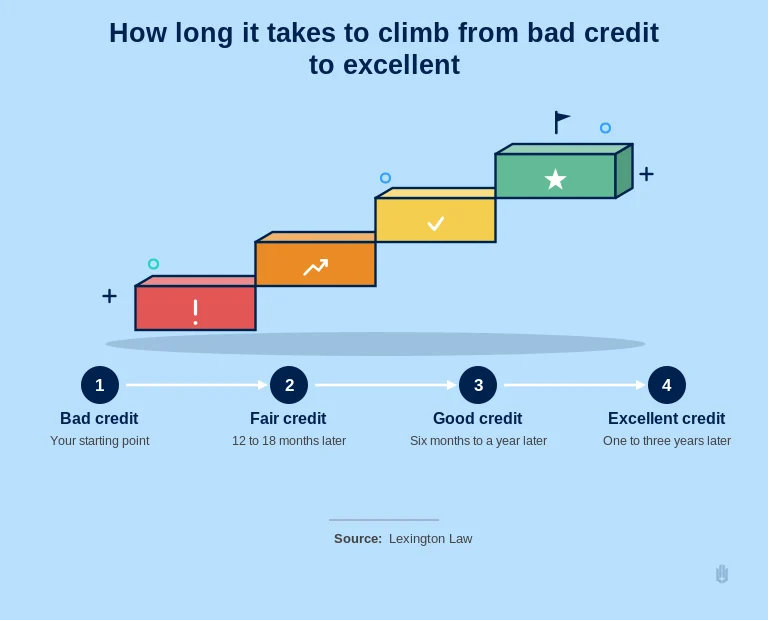
For those looking to rebuild their credit, the volatility caused by high utilization and the potential for mounting debt make these checks a tool to be avoided. If your financial situation requires a consistent, low-cost way to borrow, consider a personal loan or a dedicated credit line with a fixed interest rate.
If you are already struggling with high utilization or confusing interest structures, it may be time to consult with professionals who can help you audit your credit report. Organizations like Lexington Law Firm provide advocacy and assistance in identifying inaccuracies and managing the complex factors that determine your credit health. By understanding these instruments, you can stop viewing your mail as an opportunity to borrow and start viewing it as a reminder to maintain control over your financial future.
Disclaimer: The information provided in this article is for educational purposes only and does not constitute financial, legal, or credit advice. Always review your specific credit card agreement and consult with a qualified financial advisor before making significant debt decisions.