








By [Your Name/Journalistic Staff]
October 9, 2026
Introduction: The Governance Vacuum
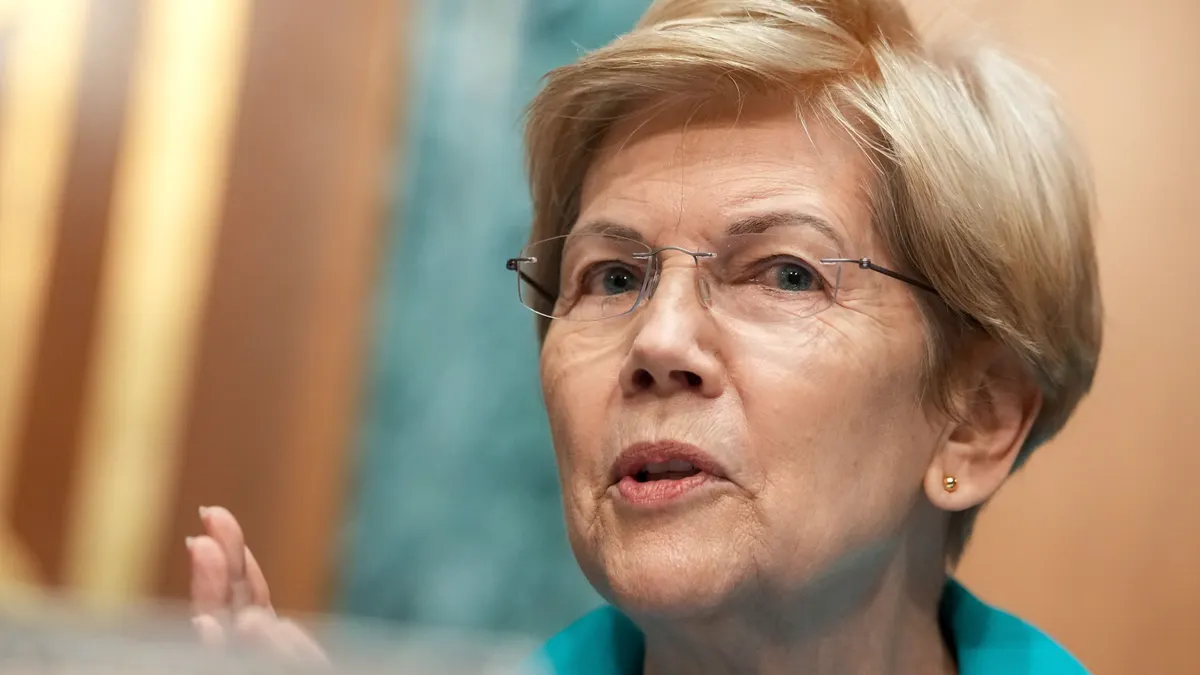
For a period of 17 days this past August, the National Credit Union Administration (NCUA)—the federal agency tasked with overseeing the stability of the nation’s $2 trillion credit union industry—faced an unprecedented governance crisis. From August 7 to August 24, 2026, the agency’s three-member board sat entirely vacant. This complete lack of leadership at the helm of a critical financial regulator has prompted a stern inquiry from Senator Elizabeth Warren (D-MA), who is now demanding transparency regarding how the agency maintained its statutory duties during what she termed a "concerning" lapse in oversight.
In a formal letter addressed to Marta Erceg, the NCUA’s acting inspector general, Senator Warren questioned the legitimacy of the agency’s operations during the mid-August window. The inquiry centers on a fundamental question of accountability: When the board is empty, who holds the reins of power at a federal financial regulator?
Chronology of the Lapse
The administrative vacancy was the culmination of a series of personnel changes that left the NCUA without a quorum—and eventually, without a single member.
- April 2025: The NCUA board saw a significant shift when two Democratic members were removed from their positions, leaving the board understaffed and setting the stage for future volatility.
- August 7, 2026: Former NCUA Chair Kyle Hauptman departed the agency, officially leaving all three board seats empty.
- August 7–August 24, 2026: The agency entered an unprecedented period of "governance by delegation," relying entirely on career staff to navigate daily operations.
- August 24, 2026: The vacancy finally concluded with the swearing-in of Chair John Crews.
The 17-day gap has been described by legal observers and government watchdogs as having "no obvious modern precedent" among federal financial regulators. Warren’s letter highlights that while the agency attempted to function through career staff and existing delegated authorities, the absence of politically appointed leadership leaves significant room for ambiguity regarding the legality of high-level policy decisions made during that timeframe.
The Stakes: Supervision and Consumer Protection
The NCUA is not merely an administrative body; it is a primary bulwark against financial instability for millions of Americans. Its mandate includes the oversight of credit unions to ensure they operate in a "safe and sound manner," the enforcement of fair lending laws, and, most importantly, the protection of member deposits through the National Credit Union Share Insurance Fund (NCUSIF).
Senator Warren’s letter emphasizes that the risks associated with this leadership vacuum are not abstract. "The NCUA conducts a number of critical functions," Warren wrote. "A lapse in fulfilling those responsibilities could be devastating for consumers, small businesses, and communities that rely on credit unions to meet their financial services needs."
The concern is that without board-level oversight, the agency’s ability to respond to emerging threats—be they cybersecurity breaches, liquidity crises, or predatory lending practices—is severely compromised. The board serves as the final decision-making authority for enforcement actions, budget approvals, and regulatory policy. When that authority is absent, the "check and balance" mechanism inherent in the federal regulatory structure effectively vanishes.
The Case of African Diaspora Federal Credit Union
The timing of the vacancy was particularly problematic due to the ongoing liquidation of the Saint Ann, Missouri-based African Diaspora Federal Credit Union. Just four days before Chair Hauptman’s departure, the NCUA had initiated formal proceedings to shutter the institution, citing insolvency and flagrant violations of federal credit union laws.
The liquidation of a credit union is a complex, high-stakes legal process. Under federal statute, the NCUA is required to make payments to insured depositors "as soon as possible." Warren’s letter specifically questions whether the leadership vacuum hindered the staff’s ability to process these payments or resolve the liquidation efficiently.

"It is unclear whether the vacuum of leadership at the board in August constrained or delayed staff’s ability to make timely payments to affected depositors," Warren noted. The situation is further complicated by the fact that the institution itself appears to have ceased all communication; phone lines and email addresses associated with the African Diaspora Federal Credit Union are currently disconnected, leaving depositors in a state of uncertainty that only a functioning, authoritative regulator can rectify.
Congressional Inquiry: Demanding Accountability
In her correspondence to Inspector General Erceg, Senator Warren outlined a series of pointed questions that go to the heart of administrative law and government continuity:
- Statutory Authority: Under what specific legal framework did the NCUA operate during the 17-day vacancy? Who, if anyone, was legally empowered to make final decisions on enforcement actions or emergency liquidity support?
- The 17-Day Delay: Why was there a nearly three-week gap between the confirmation of Chair John Crews and his actual swearing-in?
- Continuity Planning: What steps, if any, were taken by the White House or the agency itself to ensure a seamless transition of leadership to prevent such a lapse?
- Depositor Protection: Have the insured depositors of the African Diaspora Federal Credit Union been made whole, and did the board vacancy cause any measurable delay in their recovery process?
Warren is seeking documentation that details the specific decision-making hierarchy that was in place from August 7 to August 24, as well as a full accounting of any major actions taken by the agency during that period.
Official Silence and Broader Implications
As of the publication of this report, spokespeople for both the NCUA and the Office of the Inspector General (OIG) have remained silent, providing no response to inquiries regarding the senator’s letter or the internal mechanics of the August transition.
This silence is unlikely to satisfy members of Congress or the public. The episode has reignited a broader debate about the vulnerability of independent federal agencies to political stagnation. When appointments are treated as political bargaining chips, the resulting "hollowing out" of these institutions risks the stability of the entire financial system.

Industry analysts suggest that the "run on career staff" model may be sustainable for routine administrative tasks, but it is insufficient for the existential pressures faced by a regulator overseeing a $2 trillion sector. The ability to issue subpoenas, declare insolvency, or change capital requirements requires the weight of a presidential appointee—a weight that was absent for over two weeks.
Conclusion: A Precedent to Avoid
The NCUA board vacancy serves as a cautionary tale for the federal government. While the agency eventually returned to a functioning state with the arrival of Chair John Crews, the period of uncertainty has left a stain on the agency’s record of reliability.
Senator Warren’s intervention is a clear signal that the legislature will not allow the "delegated authority" workaround to become a standard operating procedure. As the investigation proceeds, the focus will remain on whether the NCUA prioritized the needs of the consumer or the convenience of political maneuvering. For now, the credit union industry—and the millions of members who rely on it—are left waiting for the IG’s response to ensure that such a lapse never occurs again.
This report will be updated as more information becomes available from the NCUA Inspector General’s office.