







For many consumers, the quest for a high credit score is a relentless pursuit centered on two primary pillars: paying bills on time and maintaining low balances. While these habits are undoubtedly the bedrock of financial health, they are not the only factors influencing your standing with lenders. Hidden within the complex algorithms of FICO® and VantageScore® lies a component that often confuses borrowers: credit mix.
Understanding credit mix is not merely about accumulating accounts; it is about demonstrating a sophisticated ability to manage different financial obligations. As credit reporting agencies continue to refine their scoring models, mastering the nuances of your "mix" can be the deciding factor between a good credit score and an excellent one.
Main Facts: What Is Credit Mix?
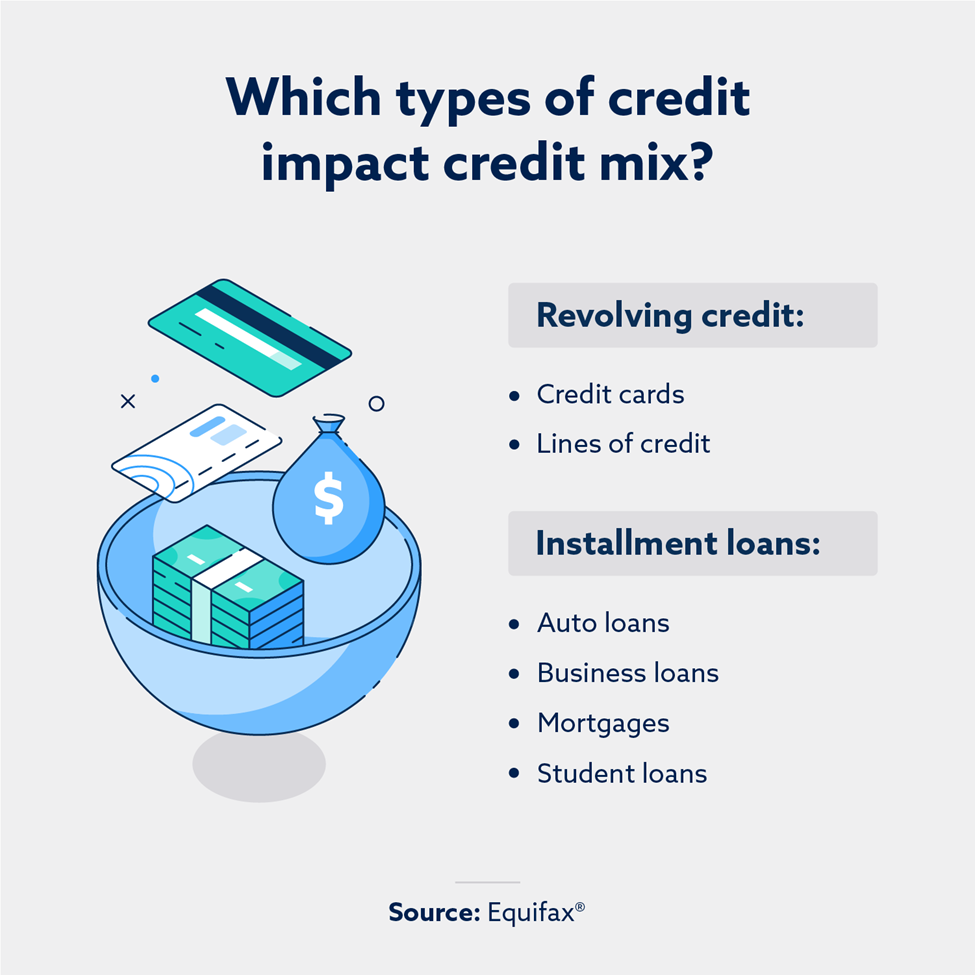
At its simplest, credit mix refers to the variety of credit accounts appearing on your credit report. Scoring models categorize these accounts into two primary buckets: revolving credit and installment credit.
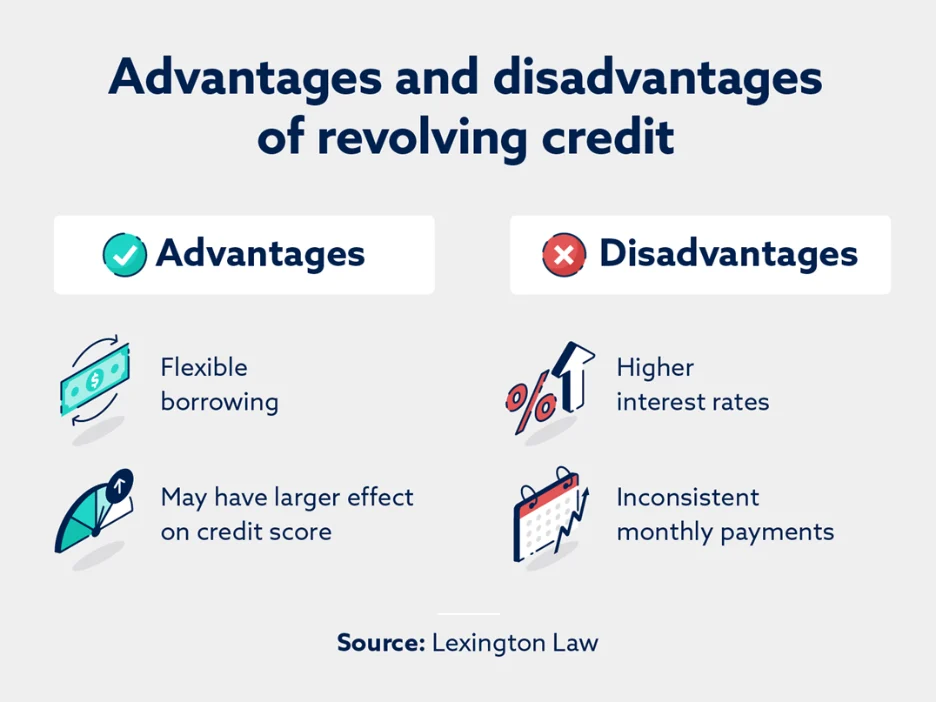
- Revolving Credit: These are accounts that allow you to borrow repeatedly up to a preset limit. Examples include credit cards, retail store cards, and home equity lines of credit (HELOCs). Your balance fluctuates based on your usage, and you have the flexibility to pay the balance in full or carry a portion over to the next month, typically with interest.
- Installment Credit: These are loans for a fixed amount that you repay over a predetermined schedule with fixed monthly payments. Common examples include auto loans, student loans, and mortgages.
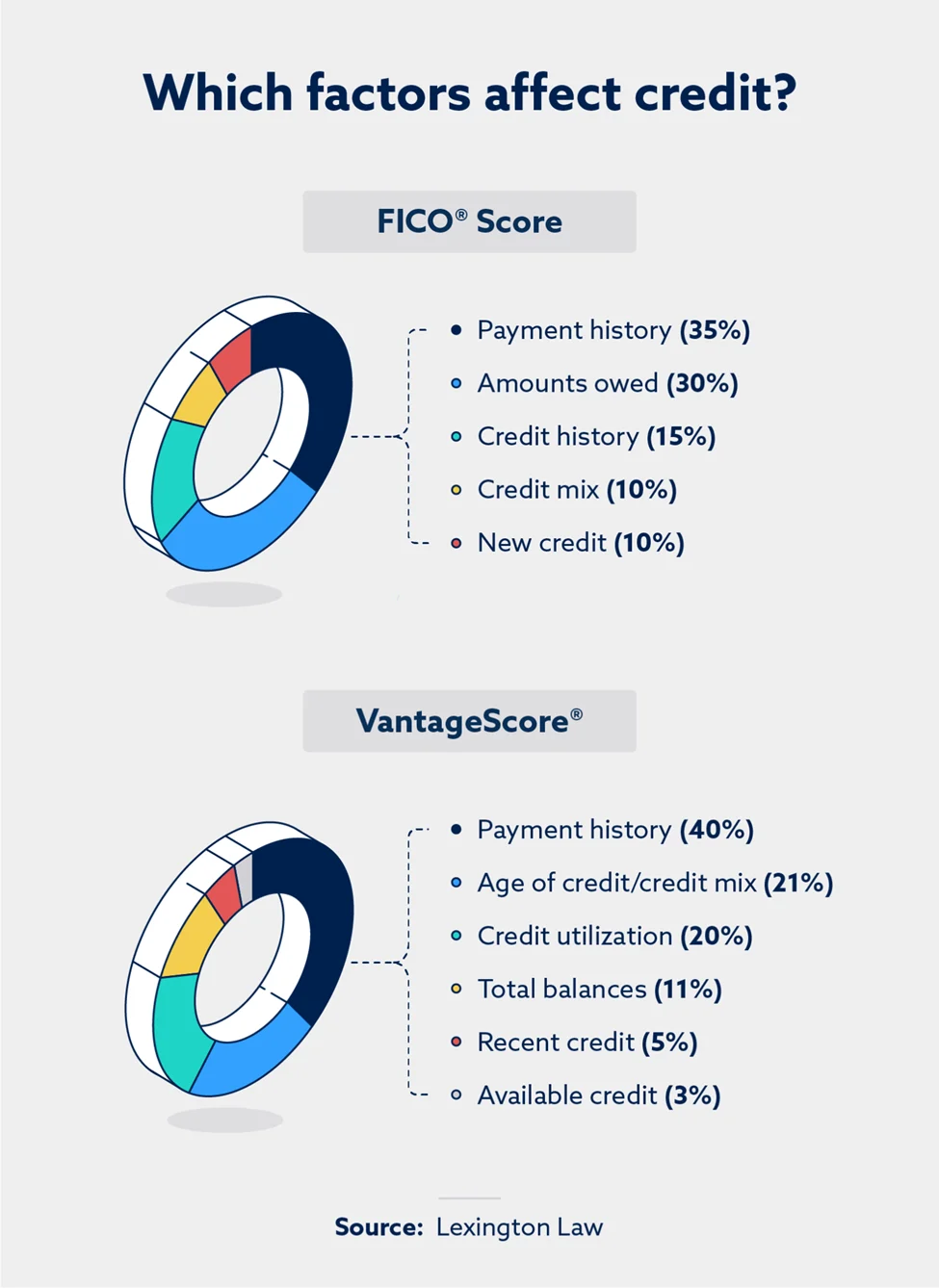
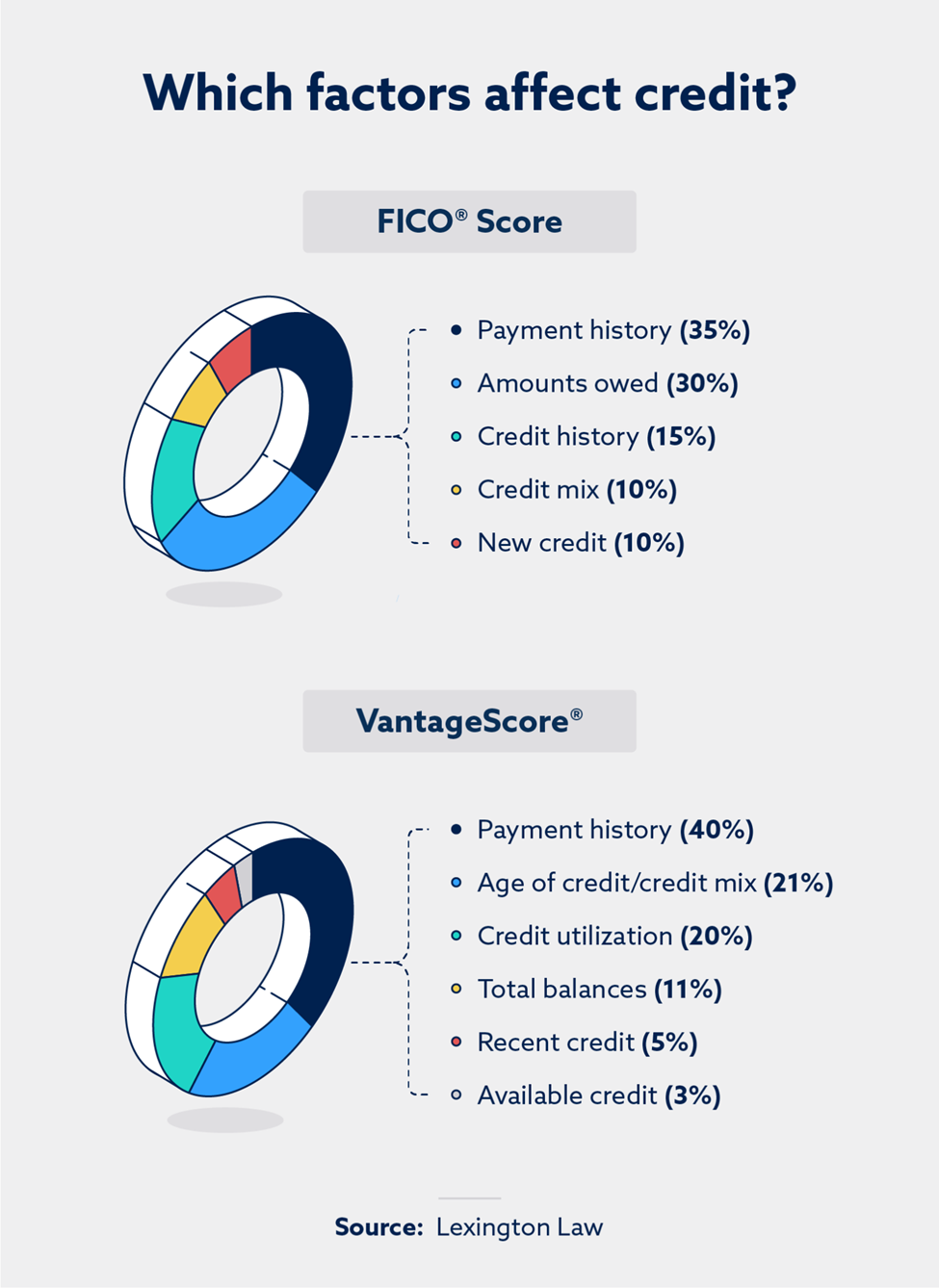
Credit mix accounts for approximately 10 percent of your total FICO® score. While it is a smaller piece of the pie compared to payment history (35 percent) and credit utilization (30 percent), it functions as a "tie-breaker" for lenders. A borrower who successfully manages both a mortgage and a credit card is viewed as a more seasoned, lower-risk candidate than a borrower who has only ever held one type of credit.

Chronology: The Evolution of Credit Scoring
The concept of "credit mix" was not always a standardized metric. In the early days of consumer lending, banks relied heavily on manual underwriting, where a loan officer reviewed a borrower’s character and assets personally. As the industry moved toward automation in the late 20th century, the Fair Isaac Corporation (FICO) revolutionized the market by introducing a standardized, objective score.
The Shift to Automated Risk Assessment
In the 1990s and early 2000s, as consumer credit became more accessible, scoring models needed to distinguish between "convenience users" (who pay cards off monthly) and "installment borrowers" (who commit to long-term debt). The inclusion of credit mix was designed to provide a more holistic view of a borrower’s financial maturity. By tracking whether a consumer could handle the rigid structure of an installment loan alongside the fluid management required for revolving credit, lenders could better predict default risk.
Today, with the advent of VantageScore® (a competitor to FICO developed by the three major credit bureaus), the emphasis on "diversity of credit" has become even more pronounced, rewarding consumers who exhibit a balanced financial footprint.
Supporting Data: Why Variety Matters
Lenders view your credit report as a resume. If you have only held one credit card for ten years, you have a one-dimensional resume. If you have successfully paid off a car loan, maintained a healthy credit card balance, and are currently paying down a mortgage, your "resume" shows that you are comfortable with various types of debt instruments.

The Impact of Credit Utilization vs. Mix
It is a common misconception that opening multiple accounts will boost your score simply by increasing your "mix." Data shows that the opposite is often true. According to industry experts, the "Credit Utilization" factor (30 percent of your score) is far more sensitive. If you open a new account to "fix" your mix but fail to pay off your existing revolving balances, the hit to your score from high utilization will likely dwarf any minor gain from a more diverse credit mix.
What Does Not Count?
A persistent myth in credit building is that paying utility bills, rent, or phone bills improves your credit mix. While there are now services that allow you to report these payments to credit bureaus to build a "thin" file, they are generally categorized differently than traditional credit accounts. These are considered "alternative credit data" and do not function the same way as a traditional bank-issued loan or credit card. They will not provide the same scoring boost as a traditional installment loan.
Official Perspectives: Navigating the Scoring Models
Both FICO and VantageScore maintain that a "good" mix is not about the quantity of accounts, but rather the quality of the variety.
The "Goldilocks" Approach
Financial institutions, including major credit bureaus like Equifax®, suggest that a "healthy" profile usually contains a mix of revolving and installment accounts. However, they explicitly warn against "credit gardening"—the practice of opening unnecessary accounts just to fill a perceived void in your profile.

Official Guidance for Consumers:
- Don’t seek debt for the sake of the score: Never take out a loan or open a card you do not need simply to "round out" your mix. The cost of interest and the potential for late payments far outweigh the marginal benefit to your score.
- The "One of Each" Rule: Most experts agree that having at least one active revolving account and one active installment account is sufficient to satisfy the credit mix requirement.
- Manage, Don’t Accumulate: A single credit card and a single auto loan, managed perfectly, will always result in a higher score than a dozen accounts managed poorly.
Implications: The Long-Term Consequences
If you ignore your credit mix, you are not necessarily dooming yourself to a low score. However, you may find that you hit a "ceiling." A borrower with a limited credit mix might struggle to qualify for the most competitive interest rates on a mortgage or a large personal loan. Lenders looking at a "thin" or "limited" report may view you as an unproven quantity.
The Risks of Over-Diversification
The primary implication of trying to force a better credit mix is the "Hard Inquiry" trap. Every time you apply for a new credit product, the lender performs a hard inquiry, which typically knocks a few points off your score. If you open several accounts in a short period to "diversify," you lower your average account age and increase your number of inquiries—both of which can cause your score to drop significantly in the short term.
When to Take Action
You should only focus on improving your credit mix once your fundamentals are perfect. If you have:
- Zero late payments in the last 24 months.
- Credit utilization below 10 percent.
- A stable income.
…then, and only then, should you consider if your credit mix is the reason your score is not reaching the "Exceptional" (800+) range.
Expert Insights: Disputes and Maintenance
Even with a perfect understanding of credit mix, you may find your score lagging due to errors. Credit reports are managed by humans and algorithms, both of which are prone to mistakes. A closed installment loan might be reported as "open," or a revolving account might show an inaccurate limit.
If you suspect your credit profile is being misrepresented, the process of disputing those errors is vital. A discrepancy in your credit mix could be dragging down your score unnecessarily. Professional services, such as those offered by Lexington Law, provide the advocacy necessary to challenge these inaccuracies with the major bureaus. By ensuring your credit report accurately reflects your actual history, you allow your "mix" to speak for itself without being hindered by administrative errors.
Final Thoughts
Credit mix is the subtle art of financial management. It is not a race to see how many types of debt you can acquire; it is a testament to your reliability across different financial structures. By focusing on responsible, long-term habits and ensuring the information on your credit report is accurate, you can build a robust, diverse, and healthy credit profile that serves you for years to come.
Disclaimer: The information provided in this article is for educational purposes only and does not constitute financial, legal, or credit advice. Always consult with a qualified professional before making significant financial decisions.