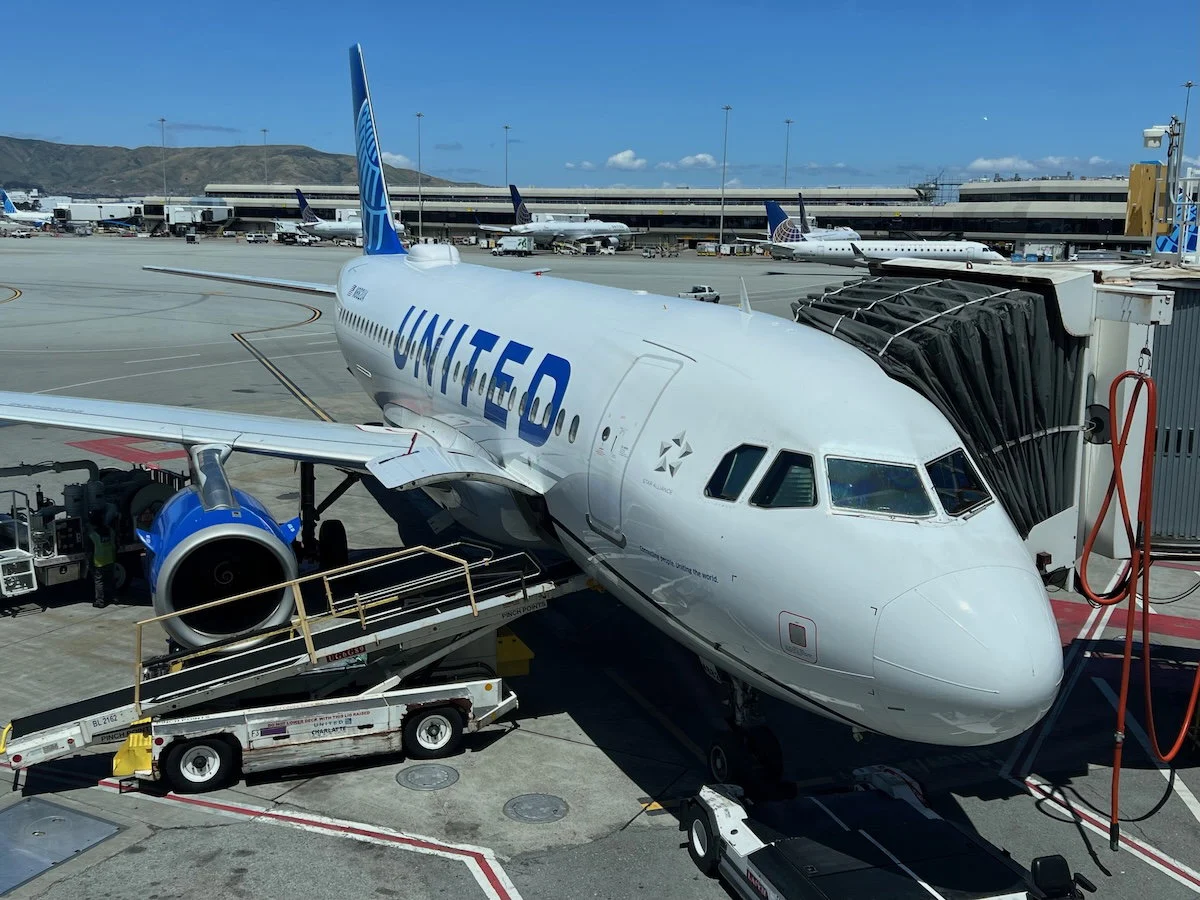









In the high-stakes world of international aviation, few battlegrounds are as fiercely contested as the transpacific market. For years, United Airlines has maintained a dominant grip on routes connecting the United States to Asia, leveraging its massive hub at San Francisco International Airport (SFO). Recently, however, Delta Air Lines signaled a strategic pivot, publicly declaring its intention to challenge United’s supremacy in the region.
While Delta remains arguably the most profitable airline in the United States, its recent financial performance across the Pacific tells a sobering story. According to data from the third quarter of 2026, Delta’s aggressive expansion efforts are currently hitting a wall, with metrics suggesting that the airline is struggling to balance capacity growth with sustainable yields. As investors and industry analysts parse the latest "Big Three" earnings reports, a critical question emerges: Is Delta’s current underperformance a temporary growing pain, or a symptom of a fundamental structural disadvantage?
The Current State of the Transpacific Market: Key Financial Realities
To understand the scope of the challenge, one must examine the raw data. Following the release of Q3 2026 earnings for American, Delta, and United, the divergence in performance has become starkly apparent.
In the airline industry, success is often measured by the relationship between capacity—measured in Available Seat Miles (ASMs)—and yield, which reflects the average fare paid per mile by passengers. A healthy growth strategy generally sees yield increases either outperforming or keeping pace with capacity expansion.
Delta, however, has become an outlier. During the third quarter, Delta increased its Pacific capacity by 8%, yet its yield growth remained stagnant at just 7%. This inverse relationship, where capacity growth exceeds yield, typically signals that an airline is flooding a market with seats that it cannot fill at premium prices, thereby diluting its overall revenue per available seat mile (PRASM).
Comparative Q3 2026 Metrics
- American Airlines: Yield +14.8% | PRASM +11.3% | Capacity +6.6%
- United Airlines: Yield +10.8% | PRASM +10.9% | Capacity +5.0%
- Delta Air Lines: Yield +7.0% | PRASM +5.0% | Capacity +8.0%
The contrast is striking. While American and United are successfully managing their capacity to boost profitability, Delta’s aggressive footprint expansion is currently exerting downward pressure on its financial results in the region.
A Chronology of Declining Returns: Q2 vs. Q3 2026
The problems currently facing Delta are not merely a one-quarter phenomenon. When comparing the Q3 data to the Q2 2026 results, the trend line appears to be worsening.
In the second quarter of 2026, Delta also served as the negative outlier. During that period, while competitors were seeing double-digit yield growth, Delta’s yield was stalled at 7%. Furthermore, the airline saw its load factor—a measure of how full its planes are—decline by 1.0 percentage points in Q2 and further erode by 2.0 percentage points in Q3.
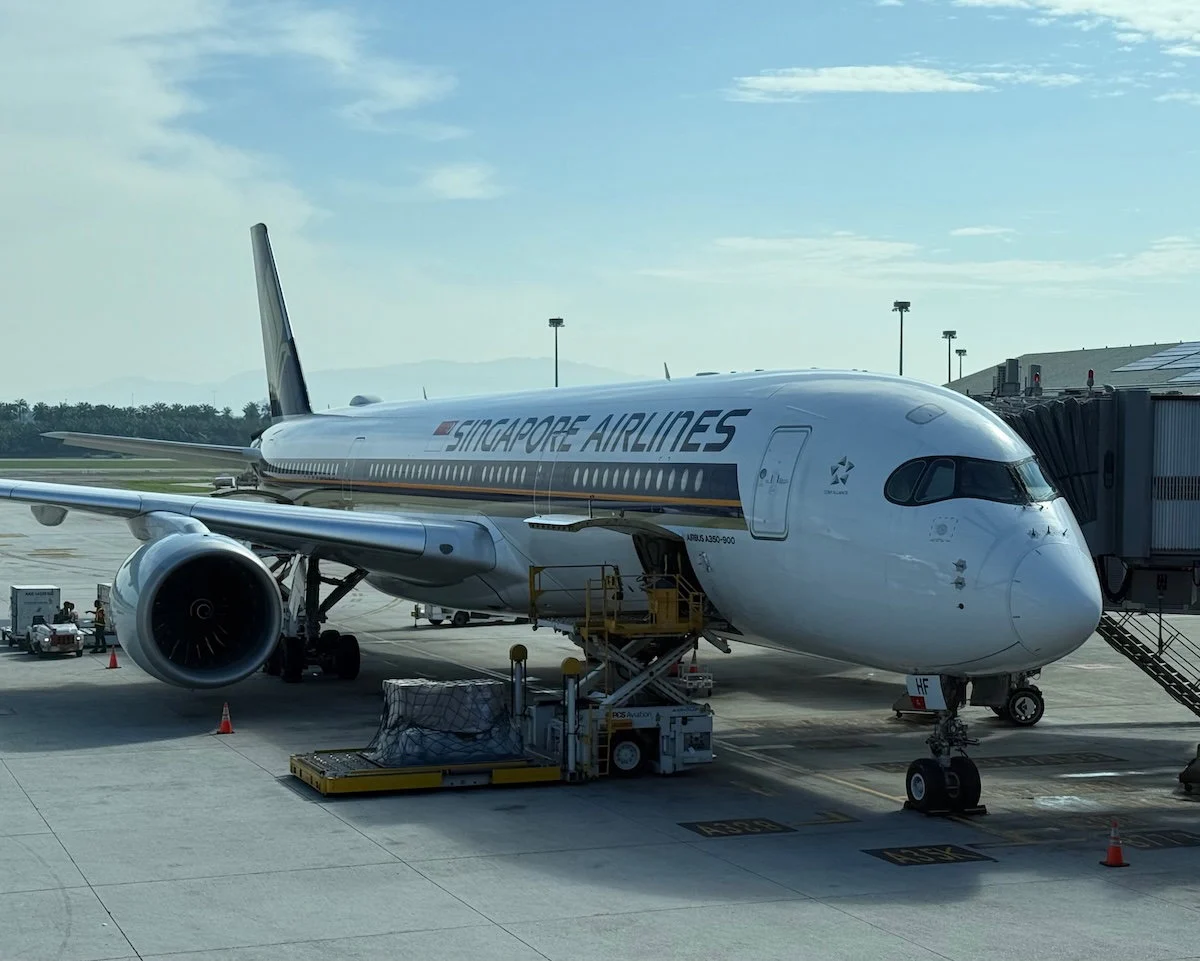
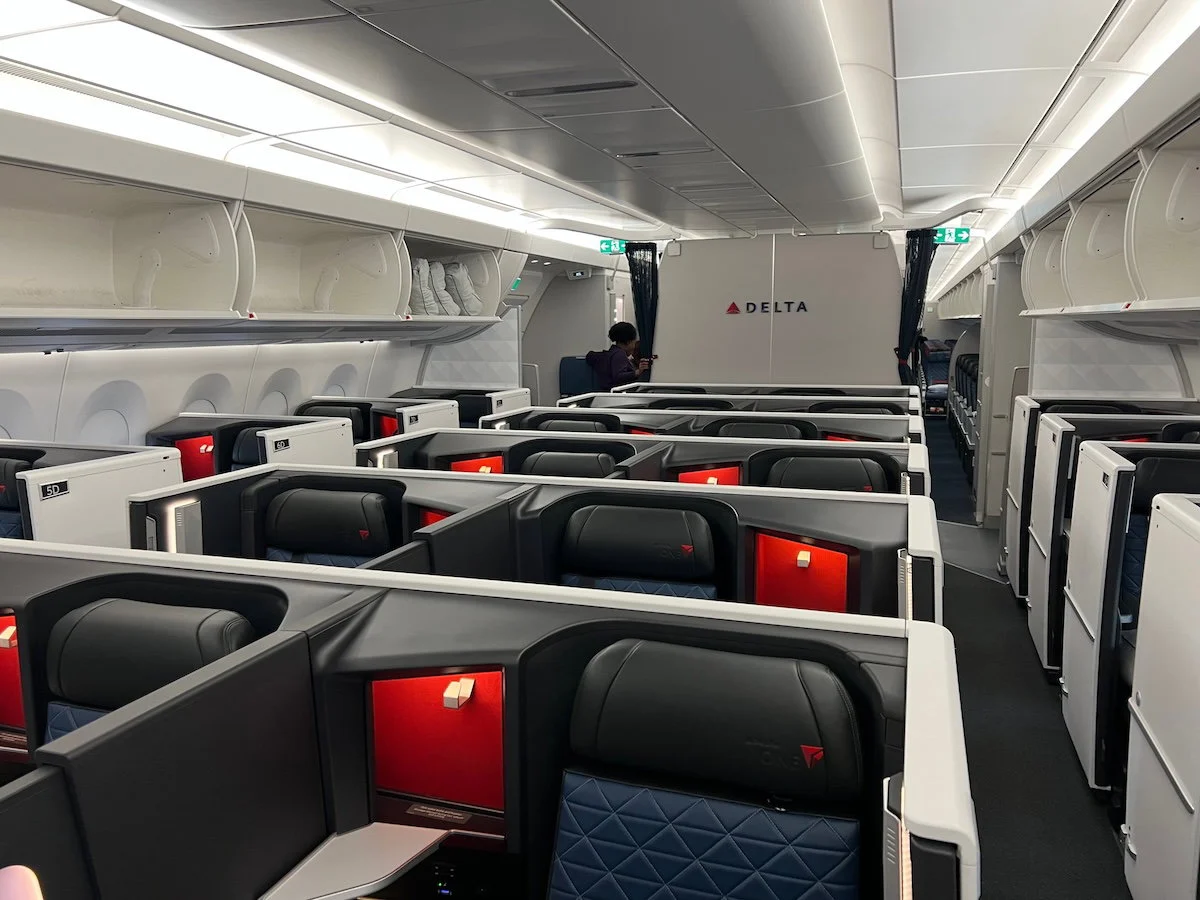
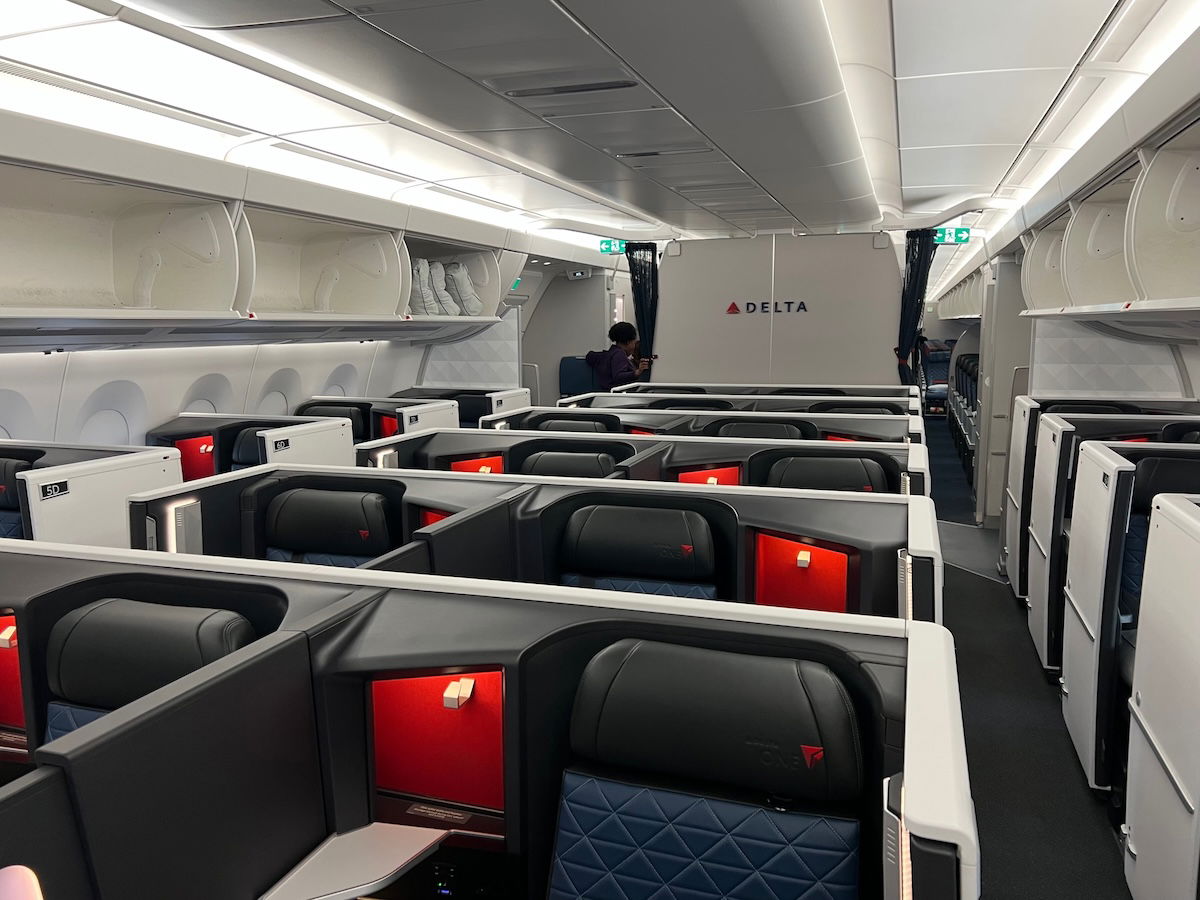
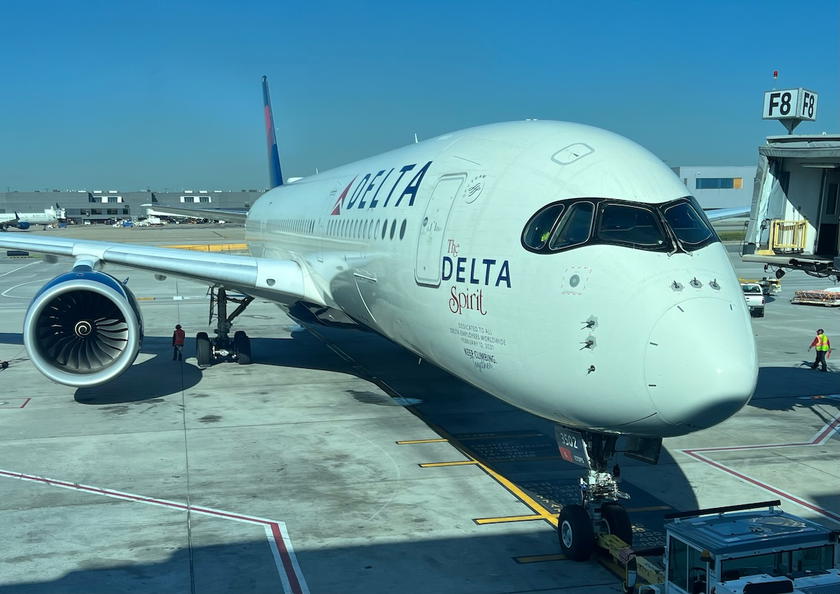
This steady degradation suggests that Delta’s Pacific strategy is not yet gaining the traction the airline’s executives likely envisioned. While United saw its load factor increase by 0.1 points in Q3, demonstrating its ability to absorb capacity, Delta’s declining load factor indicates that it is struggling to attract enough passengers to fill its expanding fleet of widebody jets, such as the Airbus A350-900.
Structural Disadvantages and Strategic Hurdles
Beyond the numbers, industry observers point to a potential structural misalignment that may be hindering Delta’s progress. Delta’s Pacific strategy relies heavily on a "split hub" model, with connectivity flowing through Los Angeles (LAX) and Seattle (SEA). While both are vital markets, they lack the singular, concentrated power of United’s SFO hub.
The Hub Dynamics
United’s San Francisco hub acts as a vacuum for transpacific traffic. It benefits from a superior geographic position for Asian connections, a massive local corporate base, and decades of accumulated brand loyalty. For passengers traveling from the U.S. interior to major Asian financial hubs, SFO is often the most logical and efficient transit point.
Conversely, Delta’s reliance on Seattle and Los Angeles requires a more complex coordination effort. While Seattle is a strong hub for Asia, it lacks the sheer volume of connecting traffic that SFO provides for United. When Delta attempts to layer on new, ambitious routes—such as its recent expansion into Hong Kong—it is effectively entering a market where United already offers four daily frequencies. Competing against such frequency, particularly when United possesses a more entrenched network, is a daunting task.
Official Responses and Industry Skepticism
The rivalry between Delta and United has become increasingly public. United CEO Scott Kirby, known for his direct and often confrontational approach to competitive analysis, has previously mocked Delta’s transpacific growth. Kirby’s stance is rooted in the belief that "capacity discipline" is the bedrock of airline profitability. By adding flights before the demand is fully proven, Delta is perceived by some critics as violating the core tenet of post-pandemic airline management: focus on the most profitable routes rather than market share expansion for its own sake.
Delta’s leadership, however, maintains that the long-term vision requires patience. Developing a new route, especially in a competitive international market, often involves a "gestation period" where profitability is suppressed by marketing costs, introductory pricing, and the need to build brand awareness. Whether this is a legitimate long-term play or an expensive miscalculation remains the central debate on Wall Street.
Implications for the Future of Delta’s Pacific Network
As we look toward the final quarter of 2026 and into 2027, the implications of these financial results are significant.
- Pressure on Management: If the trend of capacity growth outpacing yield persists, Delta’s leadership may face mounting pressure from shareholders to rationalize their transpacific network. This could mean cutting underperforming routes or slowing the pace of growth.
- Increased Competition: As Delta fights for market share, it may be forced to engage in fare wars, further depressing yields for all carriers involved. This "race to the bottom" in pricing is rarely beneficial for the long-term health of the carriers.
- Strategic Re-evaluation: If the structural disadvantages of the SEA/LAX model prove insurmountable, Delta might be forced to reconsider its reliance on these hubs, potentially seeking new partnerships or shifting its focus toward different regions where it maintains a stronger, more defensible competitive moat.
Conclusion: A Test of Strategic Resolve
Delta Air Lines is, by all accounts, an exceptionally well-run company. Its track record of profitability and operational reliability in the domestic and transatlantic markets is the envy of the industry. However, the transpacific theater is a different beast entirely.
The current data suggests that Delta is in the midst of a difficult, perhaps painful, transition. While the company has the resources to weather the current underperformance, the numbers do not lie: the "math" of their expansion is currently unfavorable. Whether this represents the "early innings" of a successful long-term strategy or a structural mismatch with market demand will likely be determined by the airline’s willingness to pivot.
For now, the Pacific remains United’s to lose. Delta’s quest to unseat them has been marked by ambition, but until the carrier can demonstrate that its capacity additions are driving proportional yield growth, the skeptics—led by the likes of Scott Kirby—will continue to hold the upper hand in the narrative of this high-stakes airline rivalry. The coming months will be critical in determining whether Delta’s Pacific gamble pays off or if it serves as a cautionary tale of the dangers of over-expansion in a mature, highly competitive market.