








For the average air traveler, the transition from late October to early November or from late March to early April is often marked by little more than the biannual adjustment of clocks for Daylight Savings Time. However, beneath the surface of the global aviation industry, these same dates represent a seismic shift in operations. They mark the transition between the International Air Transport Association (IATA) summer and winter seasons—a rigid, standardized framework that governs how the world’s airlines organize, schedule, and execute millions of flights annually.
While passengers may simply view these changes as a fluctuation in flight times or the sudden appearance of a seasonal holiday route, the reality is a complex, data-driven orchestration involving thousands of stakeholders, ranging from slot coordinators and airport authorities to ground handling crews and international regulators.
The Foundation: Why IATA Seasons Matter
The IATA, the trade association for the world’s airlines, represents some 330 airlines or 80% of total air traffic. To maintain order in an industry that operates across time zones, borders, and varying regulatory environments, the IATA established a global standard for scheduling. This system divides the year into two distinct halves:
- The IATA Summer Season: Beginning on the last Sunday of March and running until the last Saturday of October. This period captures the peak travel demand in the Northern Hemisphere, characterized by longer daylight hours and the robust summer vacation market.
- The IATA Winter Season: Beginning on the last Sunday of October and running until the last Saturday of March. This period focuses on shifting demand patterns, including the holiday season, winter sports travel, and the migration of travelers toward warmer climates.
These seasons act as the "heartbeat" of the aviation world. By standardizing these dates, the industry creates a predictable cadence for network planning, allowing airlines to adjust their capacity—the number of seats and frequencies offered—to match the cyclical nature of global travel demand.
The Chronology of Change: A Biannual Transformation
The transition between these seasons is not a gradual drift but a definitive "flip" that occurs overnight. For instance, as we enter the IATA winter season, airports worldwide simultaneously update their digital departure and arrival boards to reflect new operational realities.
The Spring Transition (Late March)
As the Northern Hemisphere warms, airlines pivot their strategies toward the high-demand summer months. This involves:
- The Resumption of Transatlantic Routes: Airlines ramp up frequencies on routes that were dormant during the winter, such as direct flights to secondary European cities.
- Fleet Reallocation: Long-haul aircraft that were perhaps utilized on shorter, high-density regional routes during the winter are pulled back to service premium, long-range summer routes.
- Daylight Optimization: As European daylight savings shifts, flight paths and takeoff/landing windows are recalibrated to maximize aircraft utilization across the 24-hour cycle.
The Autumn Transition (Late October)
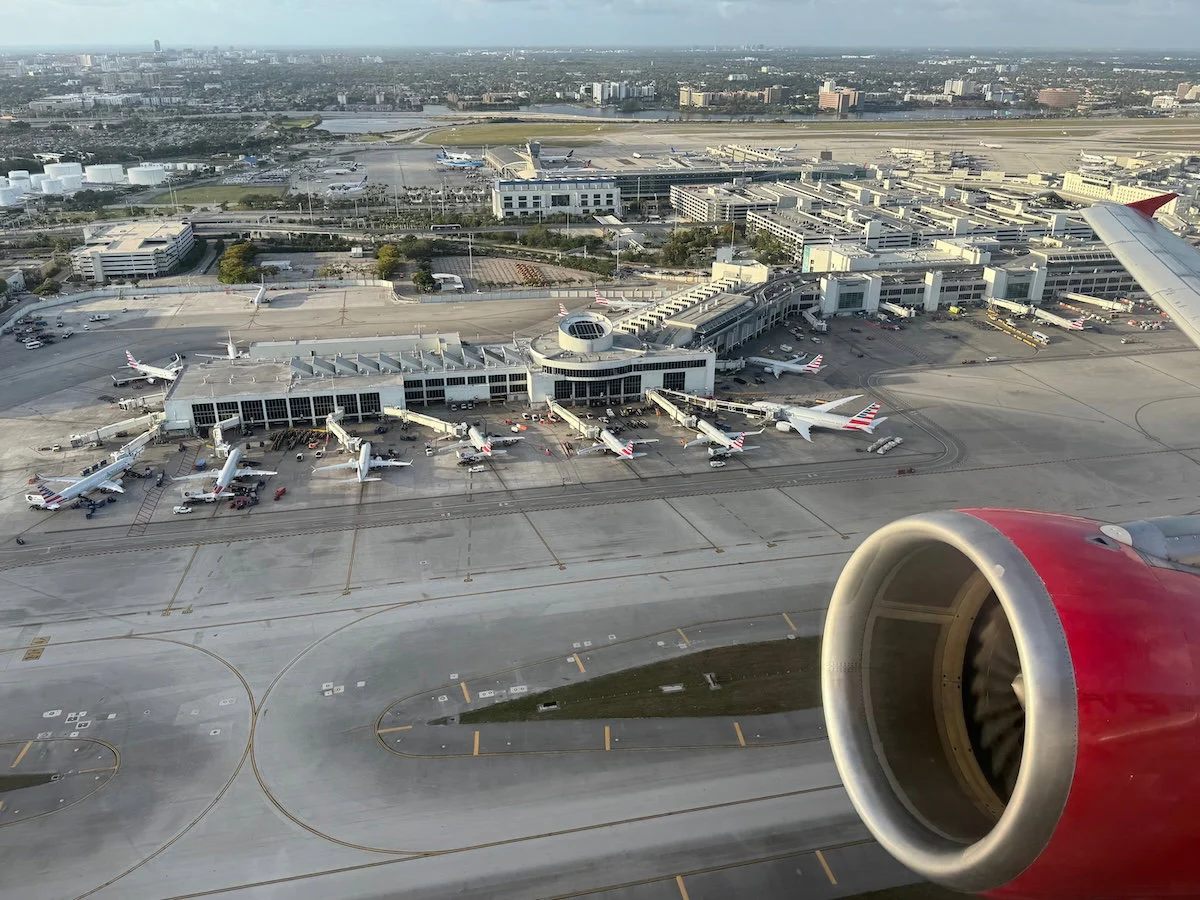
As winter descends, the focus shifts to efficiency and demand-specific routing. This period sees the termination of purely seasonal summer routes—such as vacation-heavy flights to Mediterranean or Caribbean hubs—and the introduction of winter-specific services. Airports in the Sun Belt of the United States, such as Miami International (MIA) or Phoenix Sky Harbor (PHX), begin to see a surge in international arrivals as Northern Europeans and Canadians seek warmer climates, leading to an increase in wide-body aircraft usage at these facilities.

The Regulatory Mechanism: The "Slot" Economy
One of the most critical reasons for the existence of IATA seasons is the administration of airport slots. In many of the world’s busiest airports—such as London Heathrow, Tokyo Haneda, or New York JFK—demand for takeoff and landing times far exceeds supply.
These "slots" are not permanent; they are allocated by independent coordinators on a seasonal basis. Airlines must demonstrate that they have utilized their assigned slots at least 80% of the time during the previous season to retain them for the next. This "use it or lose it" rule is the primary driver behind the massive schedule adjustments observed twice a year. If an airline decides that a route is no longer profitable for the coming season, they must relinquish those slots or face the risk of losing them to competitors. Consequently, the start of a new season is the moment when these slots are legally redistributed, leading to a cascade of changes in the global flight network.
The Complexity of Network Planning: A Jigsaw Puzzle
Airline network planning is arguably one of the most sophisticated logistical challenges in modern business. It is a balancing act that accounts for:
- Demand Forecasting: Analyzing historical booking data, economic trends, and seasonal interest.
- Fleet Constraints: Ensuring the right aircraft type is available for the right route (e.g., ensuring a Boeing 787 is available for a long-haul route while a Boeing 737 handles a short-haul connection).
- Crew Scheduling: Aligning pilot and flight attendant rosters with the new flight schedules, which must strictly adhere to international safety and labor regulations regarding rest periods and duty hours.
- Maintenance Cycles: Heavy maintenance checks are often scheduled during the transitions between seasons when the aircraft is not needed for high-demand periods.
Because every flight is connected to a network—where passengers often transfer through a hub—a change to one flight’s timing can have a "ripple effect" on hundreds of others. By forcing these massive adjustments to occur only twice a year, the IATA system prevents the chaos that would ensue if every airline changed its schedule at will throughout the year.
Supporting Data: Real-World Impacts
The impact of these seasonal shifts is most visible in major international hubs. For example, in Miami, the start of the IATA winter season acts as a catalyst for a massive influx of international connectivity.
Recent data from the start of the winter season confirms this trend:
- Level (Barcelona): Reintroduces seasonal frequency to meet demand for South Florida cruise tourism.
- Scandinavian Airlines (Copenhagen): Resumes direct flights, catering to Nordic travelers escaping the Baltic winter.
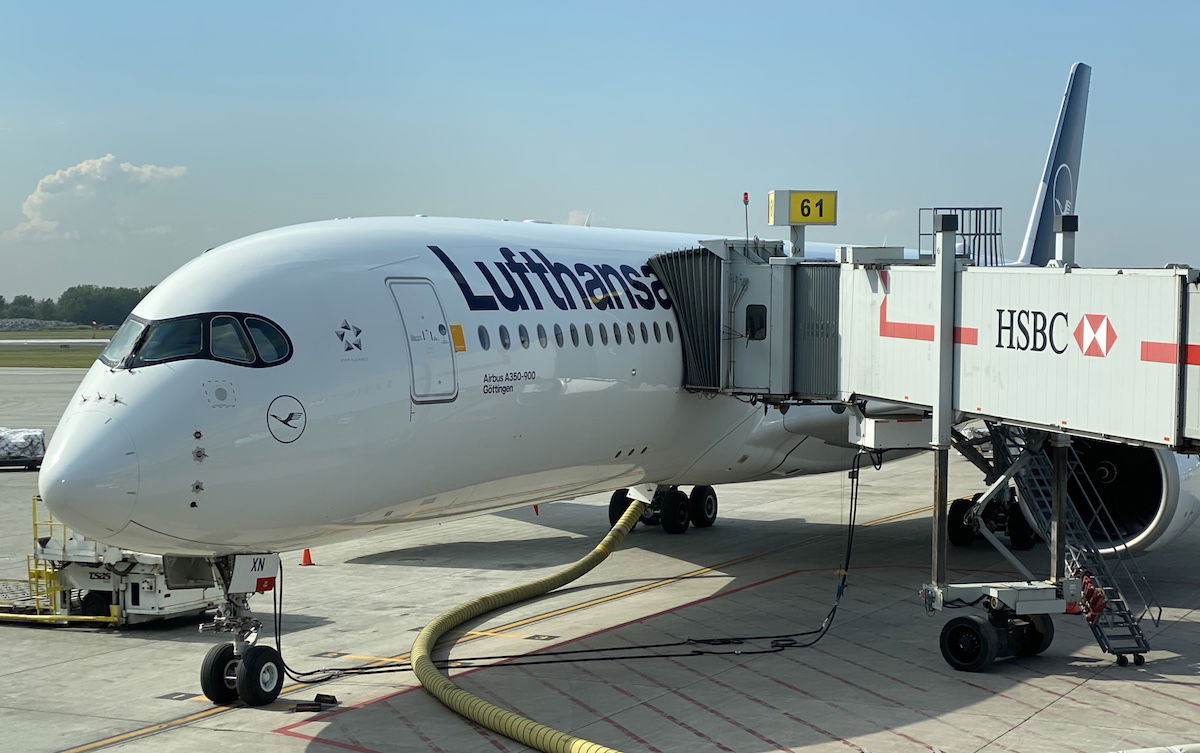
- Lufthansa (Munich): Shifts aircraft types to larger, higher-capacity wide-bodies to handle the increased load factor of winter travelers.
These are not isolated events. When an airline introduces a new route or upgrades an aircraft in October, it is the result of planning that began 12 to 18 months prior. The IATA season provides the legal and logistical framework that makes this international coordination possible.
Official Industry Perspectives
IATA officials frequently emphasize that these seasonal schedules are essential for global connectivity. Without this standardization, the "interlining" system—where a passenger can book a single ticket that connects flights from multiple different airlines—would be virtually impossible.
"The seasonal schedule process is the foundation upon which global air travel is built," notes a spokesperson for an international aviation consultancy. "It allows for the synchronization of ground services, air traffic control capacity, and security resources at a global scale. It is the invisible thread that keeps the global aviation system from fracturing under the weight of its own complexity."
Implications for the Modern Traveler
For the consumer, the IATA seasonal change is a reminder of the volatility of air travel. Travelers who rely on specific non-stop routes should be aware that these services are often "seasonal," meaning they exist only within the window of the IATA schedule.
Furthermore, the "flip" often results in minor adjustments to arrival and departure times. A flight that departs at 10:00 AM in the summer might shift to 10:15 AM in the winter to accommodate changes in airport slot availability or to maintain connecting traffic flow through a hub.
Key Takeaways for Travelers:
- Check Your Booking: If you are booking a flight near the end of March or the end of October, be aware that your flight schedule is subject to the seasonal transition.
- Watch for "Seasonal" Routes: If you love a specific direct flight to a summer holiday destination, realize it will likely disappear from the schedule once the IATA winter season commences.
- Expect Adjustments: If your recurring travel dates are affected by the shift, double-check your departure times, as the "flip" often results in slight schedule deviations.
Conclusion
The IATA summer and winter schedules are far more than just calendar markers; they are the gears of a global machine that moves billions of people annually. By providing a standardized structure for the world’s airlines to compete, cooperate, and coordinate, these biannual transitions ensure that the sky remains an organized, if complex, space. While the average traveler may never need to know the intricacies of slot allocations or network planning, the next time you board a flight in November or April, remember that you are participating in a global event that has been meticulously planned to align with the rhythms of the planet and the demands of the global economy.