








In a move that signals the beginning of a new era for aviation in the Pacific, Alaska Air Group has officially announced a comprehensive fleet renewal strategy for its Hawaiian Airlines subsidiary. As the company moves toward full integration under a single operating certificate, the decision to retire the venerable Boeing 717 fleet in favor of Boeing 737-800 aircraft marks one of the most significant operational shifts in the history of Hawaiian aviation. This transition, set to begin in earnest in 2028, promises to modernize the passenger experience while addressing the logistical demands of one of the most grueling flight environments in the world.
The Strategic Shift: Replacing an Icon
For decades, the Boeing 717 has been the workhorse of the Hawaiian Islands. With its unique short-field performance and rugged design, the 717 was perfectly suited for the rapid, high-cycle nature of inter-island travel. However, as the fleet ages and maintenance costs climb, Alaska Air Group has sought a sustainable successor.
By transitioning to the Boeing 737-800—a staple of the Alaska Airlines fleet—the parent company is achieving two objectives simultaneously: harmonizing its fleet architecture and providing a significant capacity boost to meet rising local demand. While the 717 has served the state well, the 737-800 offers a modern suite of amenities that the older aircraft simply cannot match.
Chronology of the Transition
The integration of the 737 into the Hawaiian inter-island network is not an overnight process; it is a phased, multi-year strategy designed to ensure service continuity.
- October 2026: The first milestone in this transition occurs. Alaska Airlines will introduce Boeing 737 service on the route between Honolulu (HNL) and Maui (OGG). This initial deployment will feature three daily roundtrip flights operated under the Alaska brand, serving as a testbed for the operational transition and providing immediate relief to capacity constraints on this high-traffic corridor.
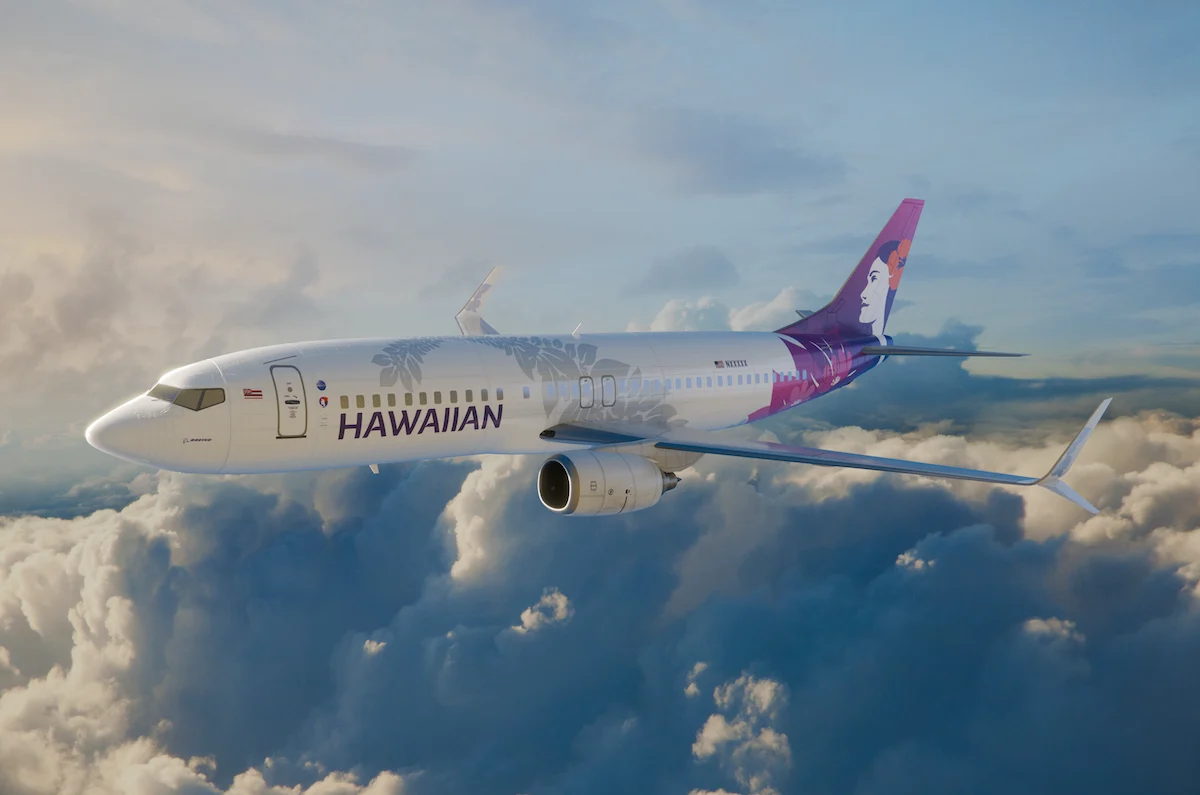
- 2028: This year marks the formal commencement of the fleet replacement program. Hawaiian Airlines will begin taking delivery of retired Alaska 737-800 airframes, which will be repainted in the iconic Hawaiian Airlines livery. These aircraft will be staffed by local crews, ensuring that the "Hawaiian" identity remains at the heart of the service.
- Post-2028: A rolling retirement of the Boeing 717 fleet will commence. As more 737s are phased into the inter-island network, the remaining 717s will be permanently retired, marking the end of a long and storied chapter for the manufacturer in Hawaii.
Technical Specifications and Passenger Experience
The transition from the 717 to the 737 represents a substantial upgrade in both hardware and service quality. The disparity between the two aircraft types is stark when looking at the hard product provided to the traveler.
Capacity and Comfort Comparison
The current Boeing 717 configuration features a total of 128 seats, split between 8 first-class and 120 economy seats. By contrast, the incoming 737-800s are configured with 161 seats, offering an increase of 33 seats per flight. This is not merely a quantitative change; it is a qualitative leap forward.
The new 737 cabin will feature:
- First Class Expansion: The number of premium seats will double from 8 to 16, catering to both premium travelers and locals who value comfort on even the shortest flights.
- Enhanced Economy: In addition to the 145 economy seats, the aircraft will feature "extra legroom" seating, providing a more tiered product offering.
- Connectivity: Perhaps the most anticipated feature is the integration of high-speed, free Starlink Wi-Fi. This will allow passengers to stay connected across the islands, a service that was largely absent on the legacy 717 fleet.
- Practical Amenities: The 737s are equipped with modern seat-back device holders and universal power outlets, addressing the needs of the modern traveler who relies heavily on mobile technology.
- Cargo Capacity: Given the unique nature of Hawaiian travel, where passengers frequently transport surfboards, musical instruments, and bulky personal effects, the 737’s larger cargo hold is a critical operational advantage.
The Logic Behind the Choice
Critics and industry analysts have long speculated about what would replace the 717. Suggestions ranged from the Airbus A220 to the Embraer E190-E2—aircraft designed specifically for regional operations. However, Alaska Air Group’s decision to utilize existing 737-800s is rooted in pragmatic economics and operational reality.

The "Cycles" Problem
Inter-island flying is uniquely punishing. Aircraft in this region perform a high number of "cycles"—the sequence of takeoff, short-duration flight, and landing—each day. This puts immense stress on airframes and landing gear. Furthermore, the tropical, salt-heavy, and humid environment accelerates corrosion and engine wear.
By utilizing existing 737-800s from the Alaska mainline fleet, the company is avoiding the massive capital expenditure of buying brand-new regional jets. These 737s, which have already proven their durability in other parts of the Alaska network, can be "cascaded" into the inter-island role. This minimizes fleet complexity, as the airline can leverage existing maintenance infrastructure, pilot training programs, and parts supply chains that are already optimized for the 737 family.
Market Implications and Competitive Landscape
The competitive landscape of Hawaii’s inter-island market has changed dramatically in recent years. The entry of Southwest Airlines, which utilizes a uniform fleet of Boeing 737-800s, has pressured fare structures and forced incumbents to rethink their cost basis.
By moving to a 737-based fleet, Hawaiian Airlines is essentially leveling the playing field. They will be operating an aircraft with similar seat capacity and fuel efficiency to their primary competitor, while maintaining their distinct brand loyalty and service culture. While the market has seen a softening of fares due to increased competition, this shift allows Hawaiian to maximize revenue per flight through increased seat counts and premium cabin offerings, effectively insulating the business against the downward pressure on ticket prices.
A Commitment to the State
Beyond the mechanics and the economics, this transition is being presented as a long-term commitment to Hawaii. There were significant concerns among the local populace and the airline’s workforce regarding the merger and what it might mean for the "Hawaiian" brand. By staffing these 737s with local crews and maintaining the distinctive livery, Alaska Air Group is making a public statement that the Hawaiian identity is not being absorbed, but rather empowered by the resources of a larger parent organization.
The expansion of capacity is also a vital service to the local community. As the islands continue to grow, the need for reliable, high-frequency transportation for medical appointments, inter-island commerce, and family travel remains paramount. By increasing capacity by approximately 25% per aircraft, the airline is ensuring that supply better meets the organic demand of the islands’ residents.
Conclusion
The decision to phase out the Boeing 717 in favor of the Boeing 737-800 is a masterclass in corporate fleet management. It balances the need for fiscal responsibility with the necessity of upgrading the passenger experience. While aviation enthusiasts may mourn the departure of the unique, T-tail 717, the shift toward a standardized, modernized fleet is a logical evolution.
For the residents of Hawaii and the millions of travelers who utilize these routes, 2028 represents a significant upgrade. With more legroom, modern connectivity, and a more reliable, high-capacity fleet, the inter-island experience is poised to become more seamless than ever. Alaska Air Group has effectively charted a course that honors the legacy of Hawaiian Airlines while securing its operational future in the highly competitive Pacific market. As the first 737s take to the skies over the Pacific in 2026, the industry will be watching closely to see how this transition sets a new benchmark for regional air travel.