







WASHINGTON, D.C. — In a move that highlights a deepening rift over the governance of the nation’s financial system, a coalition of eleven Democratic senators has issued a formal demand to the White House, urging the immediate nomination of Democratic members to vacant board seats across several key regulatory agencies.
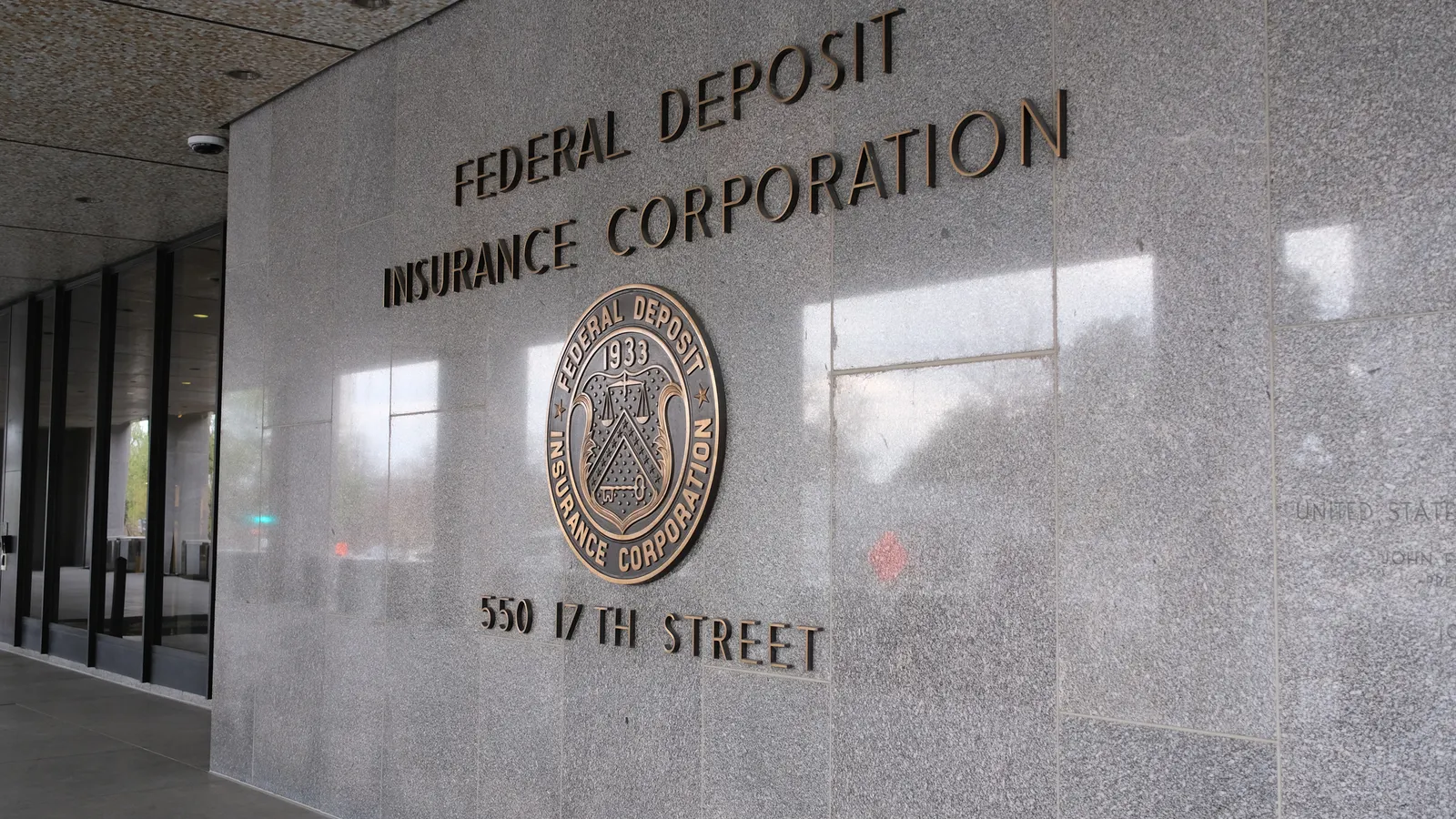
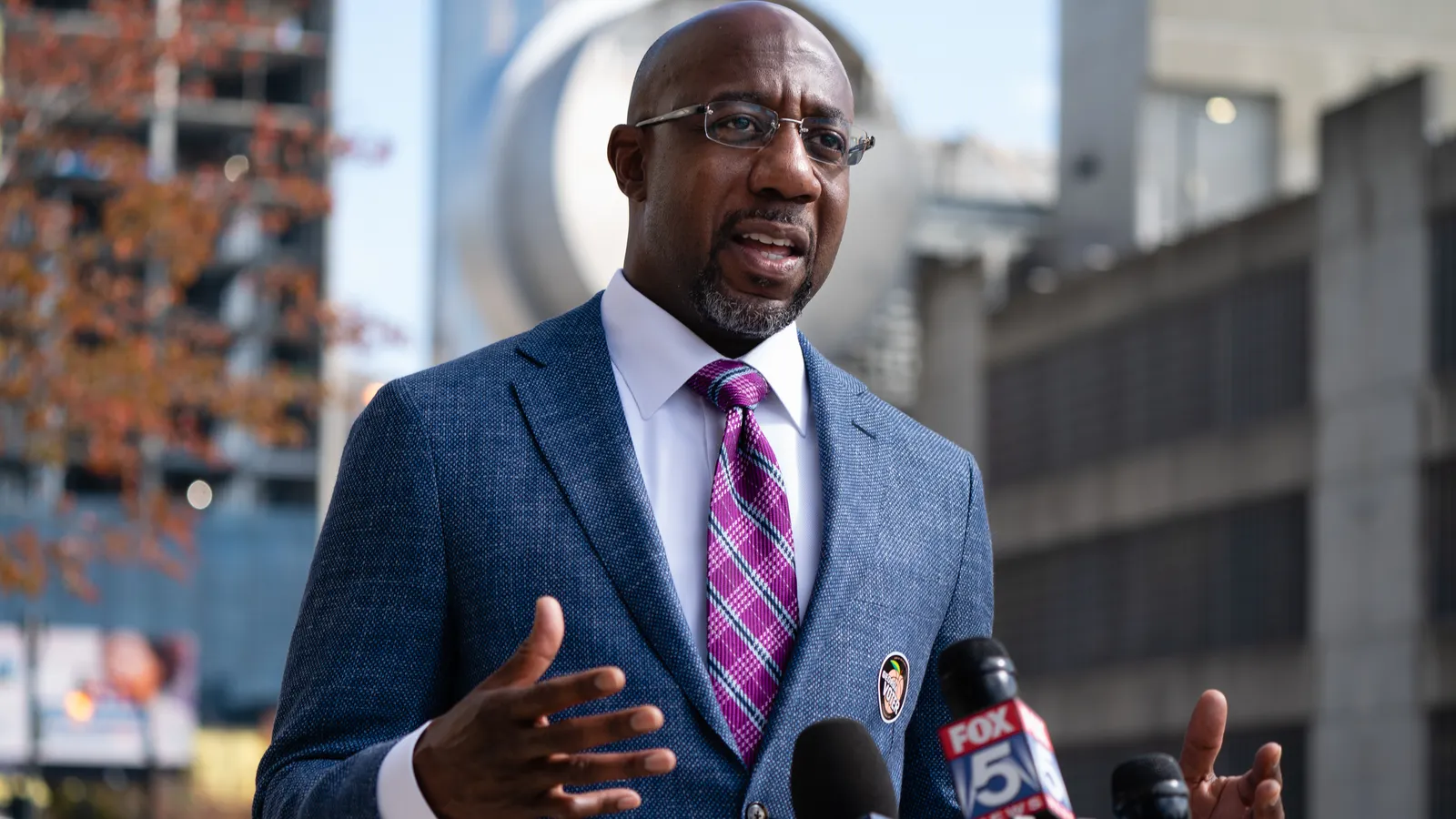
The letter, sent Tuesday to Dan Scavino, the Director of the White House Office of Presidential Personnel, marks a significant escalation in the battle over the composition of independent regulators. Led by Senators Chris Van Hollen of Maryland and Raphael Warnock of Georgia, the lawmakers expressed "grave concern" over what they describe as a systematic exclusion of minority-party voices from the leadership of the Securities and Exchange Commission (SEC), the Federal Deposit Insurance Corporation (FDIC), the National Credit Union Administration (NCUA), and the Export-Import Bank (EXIM).
The current vacuum of Democratic representation at these agencies is, according to the senators, an unprecedented departure from historical norms and a potential violation of the statutory mandates designed to ensure bipartisan oversight of the U.S. economy.
Chronology: The Erosion of Bipartisan Boards
The current standoff is the culmination of several years of administrative friction and shifting personnel within the independent regulatory landscape. To understand the urgency of the senators’ June 2026 letter, one must look at the timeline of events that led to the current "one-party" status of these boards.
The 2024-2025 Transition
Following the return of the Trump administration, a series of rapid leadership changes occurred across the executive branch. While the President has the authority to appoint agency heads, the boards of independent regulators are traditionally structured to prevent any single party from holding more than a narrow majority (usually 3-2).
The NCUA Litigation (Late 2025 – Early 2026)
One of the most contentious points in this chronology involves the National Credit Union Administration. In late 2025, President Trump moved to terminate the remaining Democratic members of the NCUA board, including former Chairman Todd Harper. This move was immediately met with legal challenges. The sidelined members argued that the "for-cause" removal protections afforded to independent regulators were violated. As of June 2026, these positions remain in a state of legal limbo, with Democratic voices effectively silenced while the courts deliberate.
The SEC Vacancy and the Peirce Resignation (May 2026)
The situation at the SEC reached a tipping point last month when Commissioner Hester Peirce, a stalwart of the Republican wing of the commission, announced her intention to step down by November 2026. Peirce, often referred to as "Crypto Mom" for her advocacy for digital asset innovation, announced she would be joining the faculty at Regent University.
Rather than using this transition as an opportunity to restore bipartisan balance, reports emerged that the White House was preparing to nominate another Republican to fill the upcoming vacancy. This triggered the current backlash from the Senate Banking Committee, as the Securities Exchange Act typically requires that nominations alternate between parties to maintain balance.
The June 9, 2026 Letter
The formal letter from the eleven senators was delivered on Tuesday, June 9, setting a deadline of June 23 for the White House to provide a detailed account of its efforts to identify and nominate Democratic candidates for the open seats.
Supporting Data: The Current State of Regulatory Vacancies
The scale of the vacancy crisis is reflected in the organizational charts of the nation’s most powerful financial watchdogs. Under the jurisdiction of the Senate Banking Committee, the following agencies currently lack any Democratic representation in confirmed leadership roles:
1. Securities and Exchange Commission (SEC)
The SEC is designed to have five commissioners. Currently, the commission is dominated by a Republican majority led by Chair Paul Atkins. With Hester Peirce’s impending departure, the administration’s alleged plan to nominate a Republican replacement would result in a commission entirely devoid of Democratic perspective, a scenario the senators claim "thwarts congressional intent."
2. Federal Deposit Insurance Corporation (FDIC)
The FDIC board, responsible for the stability of the U.S. banking system and the management of the Deposit Insurance Fund, has seen its Democratic seats remain unfilled for months. This leaves the agency’s policy-making—including critical decisions on bank capital requirements and merger approvals—entirely in the hands of one party.
3. National Credit Union Administration (NCUA)
As noted, the NCUA is currently embroiled in litigation. The removal of Democratic members has left the credit union regulator without the bipartisan check-and-balance system that has governed the agency since its inception.
4. Export-Import Bank (EXIM)
The EXIM Bank, which assists in financing the export of U.S. goods and services, also faces a board vacancy crisis. Despite Chair John Jovanovic’s stated support for a full board, the minority seats remain empty, potentially complicating the bank’s ability to reach quorums on major international financing deals.
5. Other Impacted Agencies
While the Senate Banking Committee’s letter focused on financial regulators, the trend extends elsewhere. Both the Commodity Futures Trading Commission (CFTC) and the Federal Trade Commission (FTC) are currently operating without their full complement of Democratic members, leading to concerns about a broader "de-democratization" of the administrative state.
Official Responses and Political Posturing
The response to the senators’ letter has been a mix of administrative silence and measured support from unexpected corners.

The Democratic Position
Senators Van Hollen and Warnock have been vocal in their criticism. "A full slate of commissioners and board members can bring a range of perspectives to policies that shape our markets," the senators wrote. They argue that the complexity of the modern financial system—ranging from climate risk disclosures to the integration of artificial intelligence in trading—requires a "diversity of thought" that is currently missing.
The Republican Stance
Interestingly, some high-ranking Republicans have echoed the sentiment that full boards are preferable. Senate Banking Committee Chair Tim Scott (R-SC) has previously made statements supporting the filling of board seats to ensure the functional efficiency of these agencies.
Furthermore, SEC Chair Paul Atkins told the Senate Banking Committee in February 2026 that he was "supportive of having a full complement of commissioners," noting that a full board "helps with debates and everything else." Despite these statements, the actual nomination process remains stalled at the White House level.
The White House Response
As of the publication of this report, Dan Scavino and the Office of Presidential Personnel have not issued a formal rebuttal to the June 9 letter. Sources close to the administration suggest that the White House views the current vacancies as an opportunity to streamline a "pro-growth, deregulatory agenda" without the friction often caused by minority-party dissents.
Implications: Why the Vacancies Matter for the Economy
The absence of Democrats on these boards is not merely a matter of political optics; it has profound implications for the stability and direction of U.S. financial policy.
Regulatory Volatility
One of the primary functions of bipartisan boards is to ensure "regulatory "pendulum swings" are minimized. When a board is composed of members from both parties, policies tend to be more centrist and durable across different administrations. A one-party board risks enacting radical shifts in policy that may be overturned as soon as the White House changes hands, creating a "whiplash" effect for banks, investors, and corporations.
Legal Vulnerability
Agencies operating without a full board or in violation of statutory party-balance requirements may find their rules more susceptible to legal challenges. If the SEC, for instance, passes a major reform with a purely Republican slate, industry groups or advocacy organizations could sue, arguing that the commission was improperly constituted at the time of the vote. This could lead to years of litigation and market uncertainty.
Market Integrity and Oversight
The SEC and CFTC are tasked with maintaining fair and orderly markets. Democratic perspectives often focus on investor protection and transparency, while Republican perspectives frequently emphasize capital formation and reducing "red tape." Without a Democratic presence, there is a risk that the "investor protection" mandate of these agencies could be deprioritized, potentially leading to increased market fragility or a rise in consumer fraud.

The Future of "Independent" Agencies
The current situation poses a fundamental question about the nature of independent agencies in the 21st century. If a President can effectively "starve" an agency of minority representation by refusing to nominate members, the "independence" of these bodies from the executive branch is significantly compromised. This could lead to a future where every federal regulator is seen as a direct extension of the Oval Office, rather than a non-partisan referee of the economy.
Conclusion: A Looming Deadline
The June 23 deadline set by Senators Van Hollen and Warnock is fast approaching. Whether the White House will comply with the request for transparency—or, more importantly, whether it will move to nominate Democratic commissioners—remains to be seen.
In the interim, the U.S. financial regulatory apparatus continues to operate in a historically unique state: a unified, partisan front managing the world’s most complex economy. For the eleven senators who signed Tuesday’s letter, this is a "thwarting of congressional intent" that cannot be allowed to stand. For the markets, it is another layer of uncertainty in an already volatile political era.
Key Signatories of the Letter:
- Sen. Chris Van Hollen (D-MD)
- Sen. Raphael Warnock (D-GA)
- And nine other members of the Senate Banking, Housing, and Urban Affairs Committee.
Agencies Currently Lacking Democratic Leadership:
- SEC: Securities and Exchange Commission
- FDIC: Federal Deposit Insurance Corporation
- NCUA: National Credit Union Administration
- EXIM: Export-Import Bank of the United States
- CFTC: Commodity Futures Trading Commission
- FTC: Federal Trade Commission