







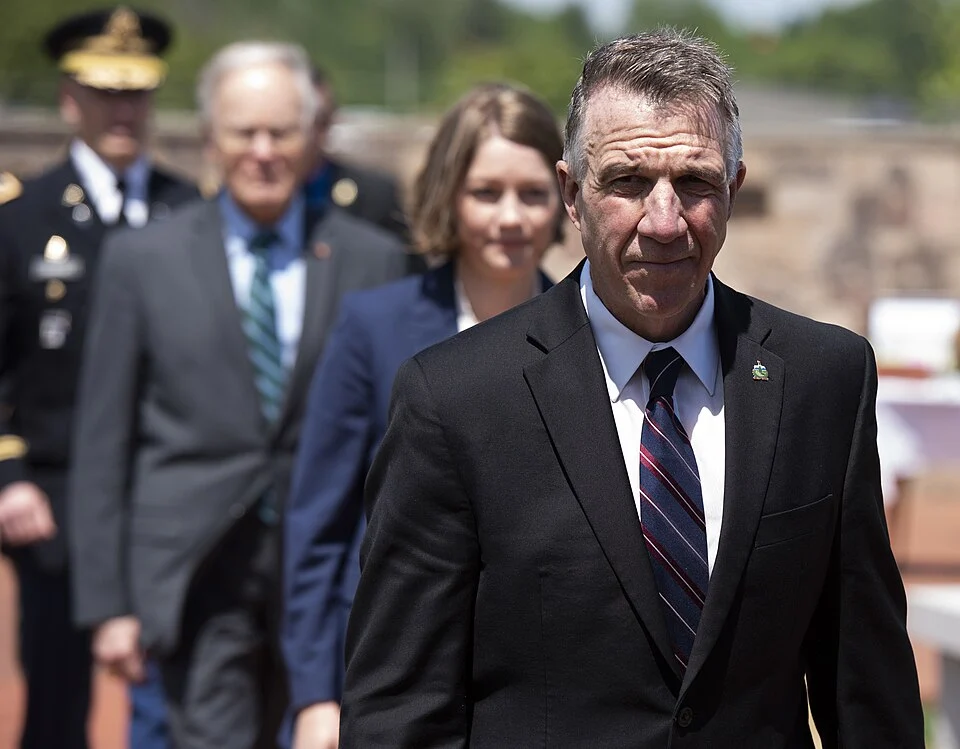
BOSTON – In a significant victory for survivors of domestic violence and vulnerable populations, Vermont has officially moved to dismantle the systemic mechanisms of economic abuse. On May 29, 2026, Governor Phil Scott signed groundbreaking legislation into law, establishing a legal framework to protect individuals from being held liable for debts incurred through coercion, fraud, and identity theft.
The new law, which aligns Vermont with a growing national movement to address "coerced debt," serves as a vital shield for survivors of domestic violence, human trafficking, older adults, foster children, and individuals with disabilities. By shifting the burden of proof and forcing creditors to substantiate claims, the state is taking an aggressive stance against the "invisible" form of abuse that often keeps survivors tethered to their abusers long after they have physically escaped.
The Anatomy of Economic Abuse: Defining Coerced Debt
To understand the necessity of this legislation, one must first understand the reality of coerced debt. It is not merely a financial dispute; it is a weapon of control.
Coerced debt occurs when an abuser—be it an intimate partner, a caregiver, or a trafficker—uses duress, intimidation, or outright fraud to force a victim to take on debt in their name. This can manifest in various ways: signing for loans, opening high-interest credit cards, or utility accounts that are then abandoned by the abuser, leaving the victim with the bill.
For the survivor, the consequences are catastrophic. When an abuser leaves behind a mountain of debt, they are essentially sabotaging the victim’s financial future. A destroyed credit score becomes a life-long sentence that denies survivors access to safe housing, stable employment, essential utility services, and even the ability to secure a vehicle to get to work. It is, effectively, a tool of entrapment.
Chronology: The Path to Reform
The legislative journey to this signing began long before May 2026. The issue of coerced debt has been on the radar of legal advocacy groups like the National Consumer Law Center (NCLC) for years, as attorneys repeatedly saw the same pattern: survivors fleeing violent situations only to find themselves destitute, harassed by debt collectors, and unable to rebuild their lives.
- Pre-2024: Advocacy groups begin documenting the prevalence of coerced debt, noting that state laws were largely insufficient to differentiate between voluntary debt and debt forced upon a victim.
- 2024–2025: NCLC releases its "Model State Coerced Debt Law," providing a template for states to integrate protections into their legal codes. Vermont lawmakers begin drafting H.385, incorporating these best practices.
- Early 2026: The bill winds through the Vermont Legislature, gaining bipartisan support as lawmakers recognize that coerced debt is a non-partisan issue affecting families across the state.
- May 2026: The bill passes both chambers of the Vermont Legislature.
- May 29, 2026: Governor Phil Scott signs the legislation, marking a turning point for economic justice in the state.
The Mechanics of the Law: How It Works
The new Vermont law is designed to be both accessible to victims and rigorous in its enforcement. Under the statute, the process for disputing coerced debt is formalized:
- Documentation: A victim must provide the creditor or debt collector with specific documentation—such as police reports, court orders, or sworn statements—attesting to the fact that the debt was incurred through coercion.
- Mandatory Pause: Once this documentation is presented, the creditor is legally prohibited from continuing collection efforts. The aggressive calls, letters, and threats must cease immediately.
- The Investigation Requirement: The burden then shifts to the creditor. They are required to conduct a "reasonable investigation" into the nature of the debt.
- Remediation: If the investigation confirms the debt was coerced, the creditor must dismiss any lawsuits or arbitration efforts, vacate any existing judgments, and, crucially, notify credit reporting agencies to purge the debt from the victim’s credit history.
This process removes the power imbalance that has historically existed between multi-billion-dollar debt collection firms and individual survivors who lack the resources to hire legal counsel.
Official Responses and Perspectives
The enactment of this law has drawn praise from legal experts and survivor advocates alike.
Carla Sanchez-Adams, a senior attorney at the National Consumer Law Center (NCLC), emphasized the human impact of the legislation. "We are pleased to see Governor Scott and the Vermont Legislature take action to help people who have been forced to take on debt because of abuse," Sanchez-Adams stated. "This law provides relief for people with wrongfully damaged credit histories and ends the aggressive debt collection tactics that add to the suffering caused by coerced debt."
Her colleague, Andrea Bopp Stark, highlighted the broader societal implications of failing to act. "Without state action, coerced debt victims will continue to face the negative economic impacts of the abuse, including damaged credit histories that can deprive a survivor of access to much-needed housing, employment, and utility resources," she noted.
The legislation effectively forces the financial industry to acknowledge the realities of domestic violence, ensuring that profit motives do not override the safety and stability of survivors.
A Growing National Consensus
Vermont’s move is not an isolated incident; it is part of a rapidly growing national consensus. The state joins a list of eight other pioneering jurisdictions that have enacted similar protections:
- California
- Connecticut
- Illinois
- Maine
- Minnesota
- Nevada
- New York
- Texas
Each of these states has recognized that existing consumer protection laws were inadequate for the nuances of domestic abuse. By codifying specific protections for victims of coerced debt, these states are setting a precedent that other legislatures across the country are expected to follow.
The Long-Term Implications: Building Financial Autonomy
The implications of this law extend far beyond the legal victory. For many survivors, the primary hurdle to leaving an abusive relationship is the fear of financial ruin. When a victim knows there is a clear, legal pathway to clear their name and restore their credit, the barrier to independence is lowered.
H3: Impact on Credit Reporting
Credit bureaus have long been an obstacle for victims of identity theft and coercion. By mandating that creditors report these findings to credit agencies, Vermont is forcing a systemic correction of credit files. This will allow survivors to regain their financial standing much faster than the traditional seven-year period it usually takes for negative information to drop off a credit report.
H3: Deterring Abusers
While the primary goal of the law is to help victims, there is a secondary deterrent effect. If creditors and collectors are forced to investigate claims of coerced debt, it becomes significantly harder for abusers to use financial institutions as their accomplices. When the financial system is no longer a "safe space" for abusers to hide their tracks, the utility of economic abuse as a tool of control is diminished.
Conclusion: A Blueprint for the Future
Vermont’s enactment of this law serves as a beacon of progress. It reflects a maturing understanding of what domestic violence looks like in the 21st century—moving past the idea that abuse is only physical, and acknowledging that the destruction of a person’s financial agency is a profound human rights violation.
As more states look to the NCLC’s Model State Coerced Debt Law for guidance, the goal is clear: to ensure that no survivor is forced to pay for their abuser’s crimes. With the signing of this legislation, Vermont has not only protected its most vulnerable citizens but has also contributed to a national framework that prioritizes human dignity over corporate convenience.
For survivors, the path ahead is still difficult, but it is no longer a path paved with insurmountable financial debt. The chains of economic abuse are being broken, one state at a time.