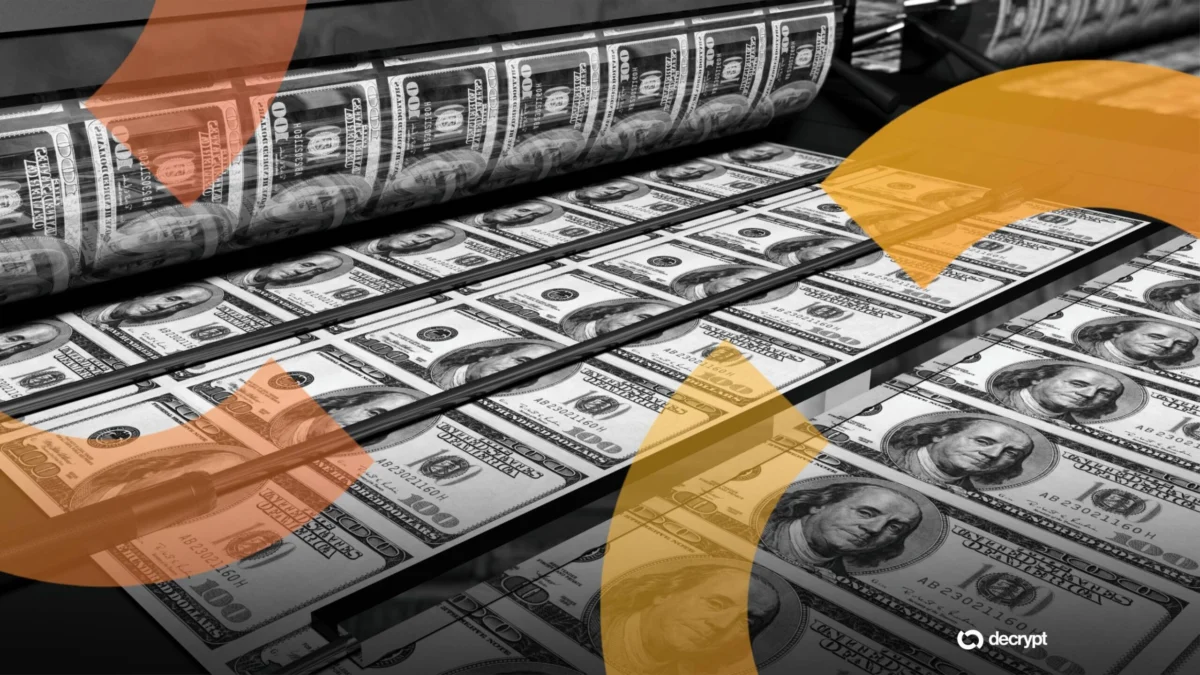








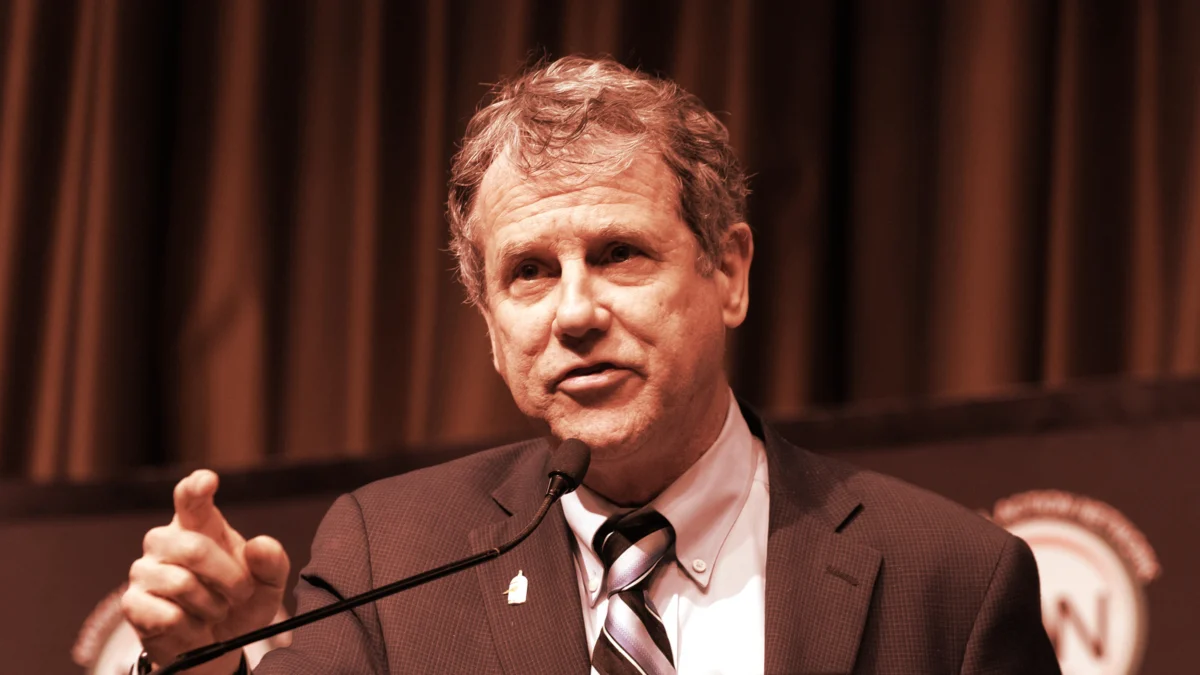
WASHINGTON — In a staggering escalation of digital asset political influence, the crypto-backed super political action committee (PAC) Fairshake has confirmed plans to deploy a massive $30 million war chest targeting former Democratic Senator Sherrod Brown’s political comeback bid.
The aggressive spending campaign, first reported by Politico, comes on the heels of a crushing legislative defeat for the digital asset industry on Capitol Hill. Just days prior to Fairshake’s announcement, the United States Senate narrowly blocked the passage of the landmark Digital Asset Market Clarity Act—a piece of legislation that crypto advocates had championed to establish clear regulatory boundaries between federal watchdogs.
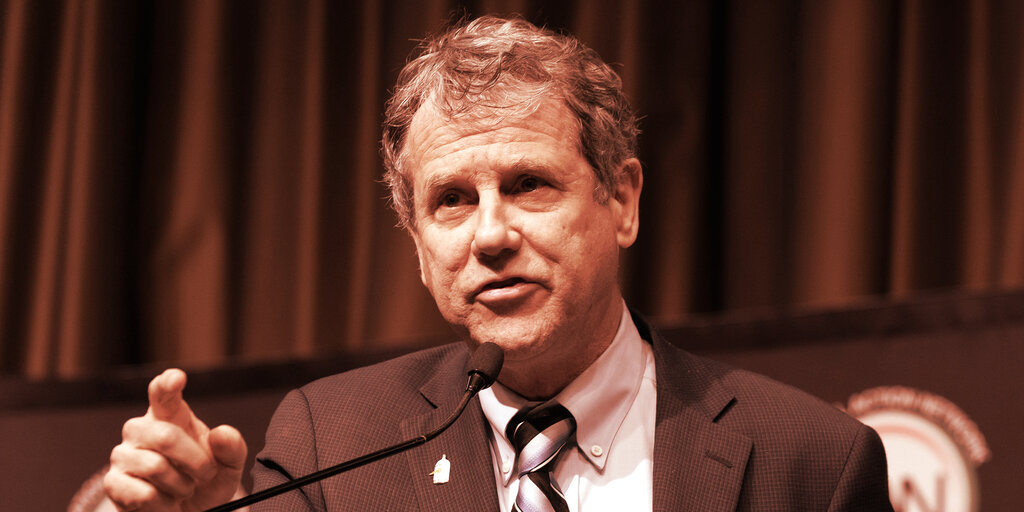
The renewed clash sets the stage for a bitter, multi-million-dollar showdown in Ohio. Brown, a prominent crypto skeptic and the former chairman of the powerful Senate Banking Committee, is seeking to reclaim a seat in Congress by challenging incumbent Republican Senator Jon Husted. With control of the United States Senate hanging in the balance, the race has quickly transformed into a premier battleground for both traditional party politics and the burgeoning crypto lobbying apparatus.
Main Facts
The brewing conflict in Ohio represents the intersection of high-stakes American electoral politics and the immense financial power of the cryptocurrency sector.
- The Target: Former Democratic Senator Sherrod Brown, whose previous tenure and vocal skepticism made him Public Enemy Number One for the digital asset lobby.
- The Financial Firepower: Fairshake, one of the most heavily funded super PACs in American history, has earmarked $30 million specifically to oppose Brown’s candidacy.
- The Opponent: Republican Senator Jon Husted, the former Ohio lieutenant governor who was appointed to the seat in January 2025 following the elevation of JD Vance to the vice presidency.
- The Catalyst: The announcement follows a failed 49-50 Senate procedural vote that killed the Digital Asset Market Clarity Act, falling short of the crucial 60-vote threshold required to advance.
- The Backing: Fairshake is principally financed by industry heavyweights, including crypto exchange Coinbase, cross-border payment firm Ripple, and venture capital giant Andreessen Horowitz. By January 2025, the PAC had already amassed $116 million for the 2026 election cycle, reporting a robust $108 million war chest remaining at the close of August.
Chronology of the Clash: From Capitol Hill to the Campaign Trail
The collision between Capitol Hill lawmakers and the crypto industry’s political arm did not happen in a vacuum. It is the latest chapter in a multi-year war over how digital assets will be regulated in the United States.
The 2024 Cycle and the Fall of Sherrod Brown
To understand the animosity driving Fairshake’s $30 million investment, one must look back at the 2024 election cycle. During that race, Fairshake and its affiliates spent approximately $40 million to help Republican Bernie Moreno unseat Sherrod Brown.
As the head of the Senate Banking Committee, Brown routinely clashed with crypto industry leaders, criticizing digital currencies for lacking intrinsic value, posing systemic risks to the traditional financial system, and serving as a vehicle for illicit finance. His defeat in November 2024 was widely celebrated by crypto lobbyists as a watershed moment, proving that opposing the industry carried a severe electoral price.
January 2025: The Political Landscape Shifts
Following the 2024 elections and the inauguration of the new administration, the political geography of Ohio shifted. With JD Vance vacating his Senate seat to assume the vice presidency, Ohio Governor Mike DeWine appointed former Lieutenant Governor Jon Husted to fill the vacancy in January 2025.
Sensing an opportunity to cement a pro-crypto majority in the Senate, Brown’s allies quickly began plotting his political resurrection, setting up the 2026 rematch.
Mid-September 2026: The Clarity Act Fails
The immediate spark for Fairshake’s latest financial deployment occurred on the floor of the United States Senate. Lawmakers took up the Digital Asset Market Clarity Act, a bipartisan-styled effort designed to establish comprehensive federal rules for digital asset markets. Crucially, the bill sought to divide oversight responsibilities cleanly between the Securities and Exchange Commission (SEC) and the Commodity Futures Trading Commission (CFTC).
However, the measure stalled. In a 49-50 vote against cloture, the bill failed to reach the requisite 60 votes to move forward. Every Democrat present voted against advancing the legislation, alongside Republican Sens. Susan Collins, Josh Hawley, and Jerry Moran. In a tactical maneuver, Republican Sen. Thom Tillis switched his vote to "no" for procedural reasons, keeping open the possibility of reintroducing the bill at a later date.
With the November 3 midterms fast approaching, the defeat slammed the door shut on any immediate prospects of passing market structure legislation.
Late September 2026: Fairshake Strikes Back
Days after the Clarity Act’s demise, Politico broke the news that Fairshake was mobilizing $30 million to ensure Brown does not return to Washington. The announcement confirmed that the crypto sector views Brown not merely as a local candidate, but as an existential ideological threat to the regulatory integration of digital assets.
Supporting Data: The Balance Sheet of Crypto Super PACs
The sheer scale of Fairshake’s financial commitments highlights a fundamental shift in modern American campaign finance. Digital asset advocacy groups have evolved into some of the most formidable independent expenditure units in political history.
- Massive Fundraising: Fairshake entered the 2026 election cycle with a massive $116 million raised by January 2025, demonstrating sustained donor enthusiasm from Silicon Valley and crypto enterprises.
- Liquid Reserves: Despite ongoing expenditures across multiple primary and general election cycles, the PAC reported holding $108 million in cash reserves at the end of August, ensuring it has ample runway to blanket Ohio airwaves.
- Corporate Backbones: The PAC’s financial foundation relies heavily on contributions from corporate giants who view federal compliance frameworks as essential for institutional adoption. Coinbase, Ripple, and Andreessen Horowitz have served as the primary financial engines behind the effort.
- The Stand With Crypto Scorecard: Beyond Fairshake’s direct ad-buy strategy, allied grassroots organizations like Coinbase-backed Stand With Crypto have integrated legislative voting records into public scorecards. Following the Clarity Act vote, the group signaled it would actively penalize lawmakers who opposed the bill by mobilizing its digital army of retail crypto holders during the midterms.
Official Responses and Political Rhetoric
The escalation has drawn sharp, ideological battle lines between the crypto sector and the Democratic populist wing, with both sides trading heavy blows over campaign finance and working-class representation.
The Brown Campaign Strikes Back
Sherrod Brown’s camp immediately framed Fairshake’s massive financial injection as proof that the candidate is standing up for ordinary citizens against corporate elites.
"Of course the special interests are panicking, they know Sherrod will fight the rigged system they’re feasting on to stand up for working Ohioans," said Patrick Eisenhauer, Brown’s campaign manager, in a scathing public statement.
The campaign has consistently attempted to paint Fairshake as an out-of-state corporate machine attempting to buy an Ohio senate seat on behalf of Wall Street and tech billionaires.
The Crypto Lobby’s Strategic Silence on Crypto
Interestingly, while Fairshake’s funding is entirely derived from digital asset stakeholders, the super PAC has frequently deployed a calculated messaging strategy. Rather than running advertisements focused heavily on complex regulatory nuances like blockchain technology, decentralized finance (DeFi), or token classifications, Fairshake often tailors its commercial spots to focus on broader, kitchen-table issues that traditionally resonate deeply with swing-state voters.
Political analysts note that this strategy—successfully deployed during the 2024 general election and various 2026 congressional primaries—allows the PAC to damage anti-crypto incumbents without getting bogged down in technical debates that may alienate less-informed electorates.
Implications for the 2026 Midterms and the Future of Crypto Regulation
The $30 million campaign against Sherrod Brown carries profound implications that stretch far beyond the borders of Ohio, signaling a pivotal moment for both American politics and the digital asset economy.
1. A Chill on Legislative Dissent
The primary goal of Fairshake’s aggressive posture is deterrence. By spending heavily to defeat prominent critics like Brown—and making an example of lawmakers who vote against industry priorities like the Clarity Act—crypto super PACs are sending an unmistakable message to Capitol Hill: opposing digital assets carries severe political consequences. Lawmakers weighing their stances on future financial innovation bills will undoubtedly factor this financial threat into their calculus.
2. Bipartisanship Under Strain
While crypto advocates have long maintained that digital assets should be a bipartisan issue—pointing to support from numerous congressional Democrats—the uniform opposition to the Clarity Act threatens to harden partisan lines. If the crypto industry increasingly aligns itself with Republican candidates and conservative super PACs as a reaction to Democratic legislative resistance, it could permanently alienate progressives who view crypto through the lens of consumer protection and wealth inequality.
3. The Battle for the U.S. Senate
With the Ohio Senate race rated as one of the premier toss-ups that could determine control of the upper chamber, the influx of $30 million in independent expenditures ensures that Ohio voters will be subjected to one of the most expensive media saturation campaigns in state history. The outcome of the Husted-Brown rematch will not only dictate the balance of power in Washington, but it will also serve as a referendum on whether corporate crypto money can successfully resurrect or retire a political heavyweight.
As the November 3 midterms draw closer, the clash in Ohio stands as the ultimate test case for the political viability of cryptocurrency in modern American democracy.