








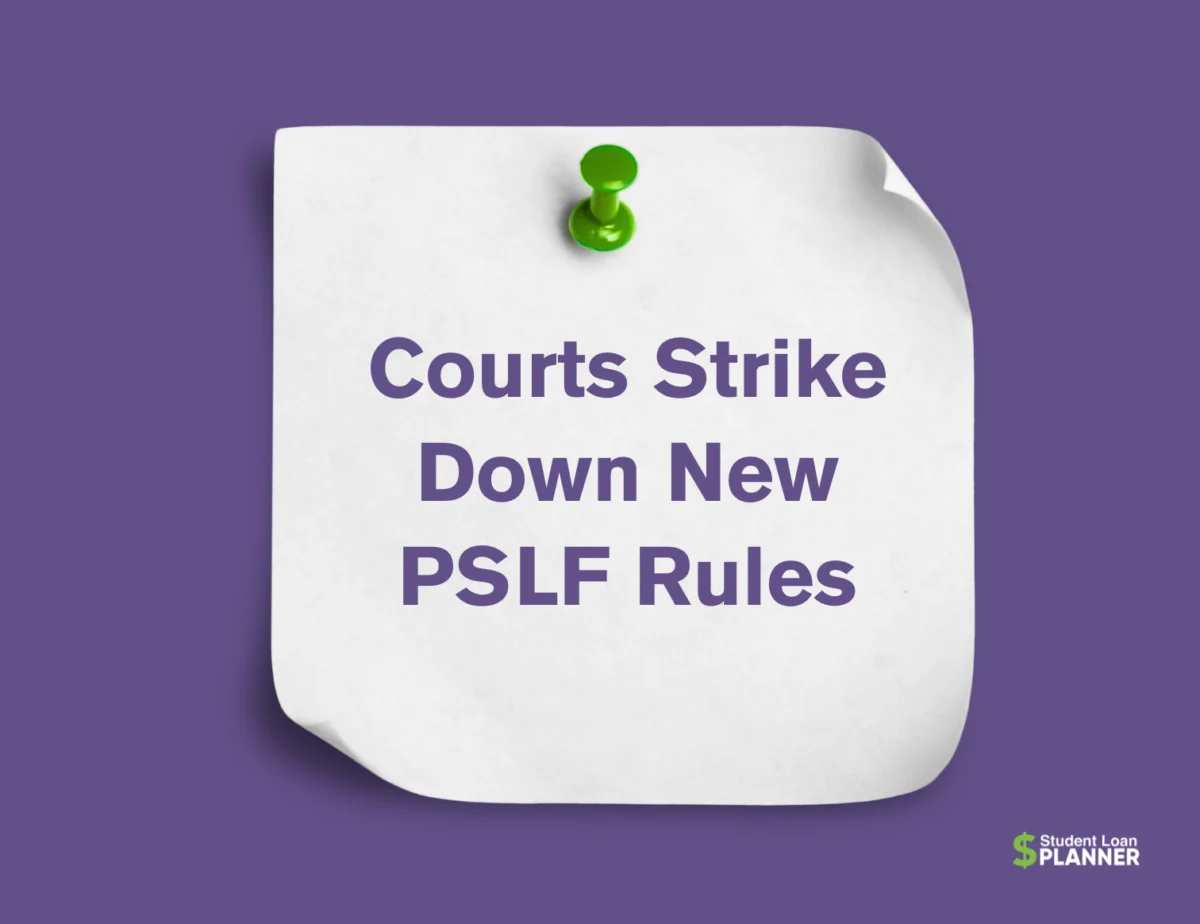
In a landmark legal development that has sent shockwaves through the higher education landscape, two separate federal courts have intervened to halt the implementation of new, contentious regulations governing the Public Service Loan Forgiveness (PSLF) program. The rules, which were scheduled to take effect on July 1, 2026, would have granted the Secretary of Education unprecedented authority to disqualify nonprofit and government employers from the program based on a subjective "substantial illegal purpose" standard.
The simultaneous rulings from the U.S. District Court for the District of Massachusetts and the U.S. District Court for the District of Columbia have effectively vacated these regulations on a nationwide basis. For the millions of public servants—from teachers and nurses to public defenders and nonprofit workers—who rely on PSLF as a cornerstone of their financial planning, the decision provides a reprieve from what many characterized as an existential threat to the integrity of the federal student loan relief program.
The Core Conflict: Defining "Public Service" in an Era of Political Polarization
At the heart of the litigation was a disagreement over the Department of Education’s regulatory reach. The proposed rules aimed to define "substantial illegal purpose" as any activity related to immigration enforcement, health care for transgender youth, public protest, or other areas of legislative friction. Under the proposed framework, if an employer—such as a hospital, school, or legal advocacy group—was deemed to be engaging in such activities, their employees would have been rendered ineligible for PSLF, regardless of the nature of their own work.
Critics argued that the Department of Education lacked the statutory authority to impose such a test. They contended that Congress established clear, objective criteria for PSLF eligibility in the College Cost Reduction and Access Act of 2007. By introducing a political litmus test, opponents argued the Department was overstepping its administrative bounds and violating the First Amendment rights of nonprofit organizations.
Chronology: A Race Against the July 1 Deadline
The legal saga unfolded with intense urgency as the July 1, 2026, effective date loomed.
- Early 2026: The Department of Education announces the finalized rule, claiming it is necessary to ensure that federal subsidies do not indirectly fund activities deemed illegal or inconsistent with federal priorities.
- Spring 2026: A coalition of diverse organizations—ranging from state and local government agencies to civil rights groups—files multiple lawsuits across the country, seeking an injunction to block the rules.
- Late June 2026: Legal briefs are expedited as the plaintiffs argue that the uncertainty surrounding the rules is already causing "irreparable harm" to the nonprofit sector’s ability to hire and retain talent.
- June 30, 2026: Just hours before the midnight deadline, both the Massachusetts and D.C. federal courts issue rulings. Both judges conclude that the Education Department’s actions represent an "unlawful exercise of authority" and vacate the rules entirely.
- July 1, 2026: The Department of Education updates its website, signaling that the rules will not be enforced and that employers may continue to use legacy certification forms without the "substantial illegal purpose" clause.
Judicial Reasoning: Why the Courts Intervened
The rationale provided by the courts centers on the concept of statutory interpretation. Both rulings emphasized that the Department of Education cannot modify the criteria for a program that has been clearly defined by Congress.
The Massachusetts Ruling: Exceeding Authority
In the District of Massachusetts, the court was particularly critical of the Secretary’s attempt to introduce new hurdles. "The statute does not vest any discretionary authority in the Secretary to disqualify employers," the court noted. The judge reasoned that by adding a "substantial illegal purpose" condition, the Department was essentially attempting to legislate from within the executive branch, effectively overriding the unambiguous language set forth by Congress regarding "public service jobs."
The D.C. Ruling: The Mandatory Nature of "Shall"
The U.S. District Court for the District of Columbia focused on the mandatory language of the underlying statute. The ruling highlighted that the legislation uses the word "shall" when discussing the Secretary’s duty to grant credit to borrowers working for 501(c)(3) organizations. The court interpreted this as a non-discretionary directive, arguing that the Department cannot unilaterally introduce new disqualification criteria that Congress never envisioned or authorized.
Official Responses and Stakeholder Reactions
The reaction from the advocacy community was swift and celebratory. Organizations that spearheaded the legal challenge framed the decision as a triumph for the rule of law and a victory for the "talent pipeline" that keeps essential public services running.
Advocacy Voices
Cormac Early, lead counsel at the Public Citizen Litigation Group, hailed the outcome as a "major victory for those who work in the public interest." He argued that the threat of retribution—driven by the current administration’s political agenda—created an atmosphere of fear that was antithetical to the purpose of the PSLF program.
The National Council of Nonprofits echoed this sentiment, with President and CEO Diane Yentel noting, "By protecting a proven, bipartisan program, we are ensuring that dedicated nonprofit employees can keep the benefits they have earned."
The Education Department’s Stance
The Department of Education, while disappointed, acted quickly to comply with the judicial order. By placing a banner on StudentAid.gov, the agency sought to minimize confusion. While they maintained throughout the litigation that the rule was intended to protect the integrity of the PSLF program, they have acknowledged that the courts have effectively tied their hands on this specific initiative.
Implications for Borrowers: What You Need to Know
For the hundreds of thousands of borrowers currently pursuing PSLF, the immediate impact of these rulings is highly favorable.
- Status Quo Maintained: The program operates exactly as it did prior to the introduction of the proposed rules. There is no new "illegal purpose" certification required on your employment forms.
- Certification Forms: If you are currently in the process of certifying your employment, you may continue to use the older versions of the forms. Any new forms issued by the Department will be stripped of the language concerning "substantial illegal purpose."
- Stability: The ruling provides a degree of certainty that had been missing for the past six months. Borrowers can continue to plan their financial futures—and their career paths—with the knowledge that their PSLF eligibility remains tied to their service, not their employer’s political or social activities.
Future Outlook: Will the Battle Continue?
While the current legal landscape favors the borrowers, legal experts warn that this may not be the final chapter. The Department of Education retains the right to appeal these rulings to the relevant federal circuit courts. If the Department chooses to pursue an appeal, the case could eventually reach the appellate level, potentially creating a period of renewed uncertainty.
However, legal analysts suggest that the Department faces a difficult road. Both district court rulings were rooted in a strong textualist interpretation of the PSLF statute, which often makes for a formidable challenge on appeal. For now, the "substantial illegal purpose" rule is a dead letter, and the integrity of the PSLF program remains legally shielded from executive overreach.
Strategic Advice for Borrowers
If you are currently managing your student loans, the most important takeaway is to remain focused on the objective criteria of the PSLF program:
- Maintain Full-Time Status: Ensure your employment remains classified as full-time by your employer.
- Qualified Employer: Continue to verify that your employer maintains 501(c)(3) or government status.
- Documentation: Regularly submit your PSLF employment certification forms to track your progress toward the 120-payment requirement.
As this situation evolves, staying informed through reliable resources—such as the official StudentAid.gov portal and expert analysis—will be vital. The judiciary has affirmed that the promise of student loan forgiveness for public service is a commitment that the federal government cannot unilaterally alter. For the workforce that keeps the country functioning, this is a significant, and perhaps necessary, affirmation of the social contract.
Disclaimer: This article is for informational purposes only and does not constitute legal or financial advice. For personalized guidance regarding your student loans, please consult with a qualified professional or visit official government resources.