







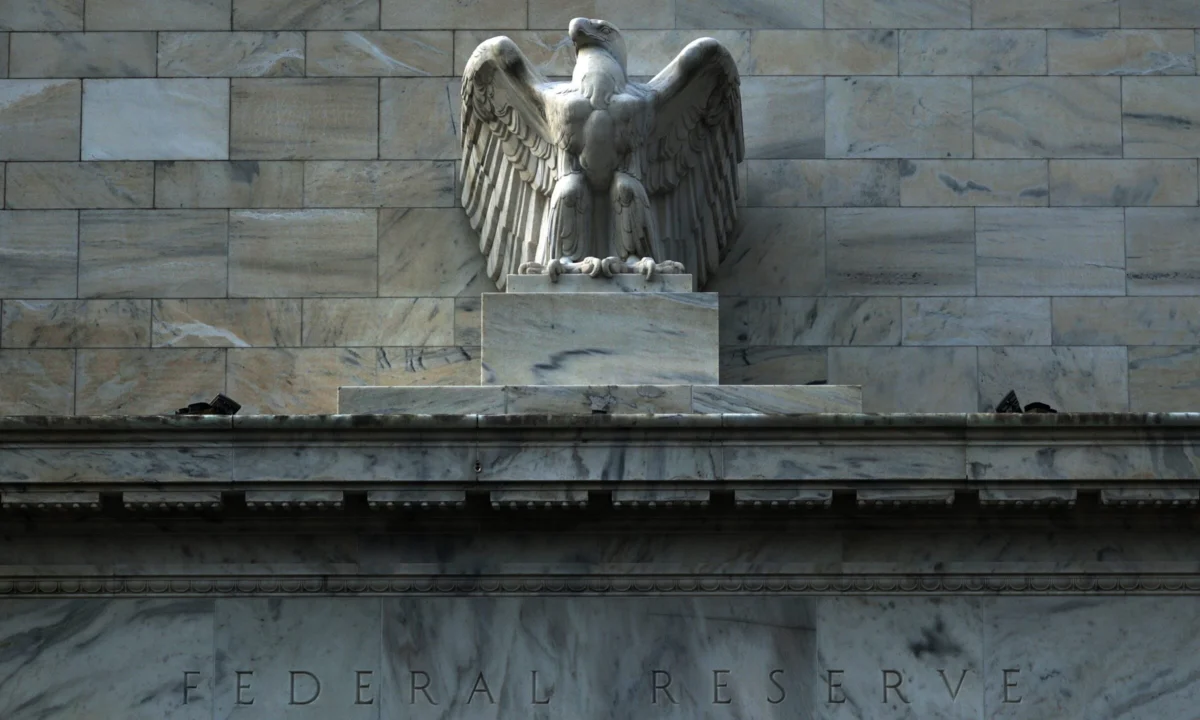
WASHINGTON — In a unanimous decision that marks a definitive pivot in U.S. monetary policy, the Federal Reserve raised its benchmark interest rate by a quarter of a percentage point on Wednesday, lifting the federal funds target range to 3.75%–4%. The move signals a renewed aggressive stance against persistent inflation and represents the first rate increase since 2023.
Significantly, this policy shift is the first major action taken under newly appointed Federal Reserve Chair Kevin Warsh. The decision comes at a delicate economic juncture, as central bankers grapple with stubbornly high inflation that continues to outpace the Fed’s long-term 2% target, all while energy markets experience fresh shocks from geopolitical conflict in the Middle East.
Main Facts
The Federal Open Market Committee (FOMC) acted in unison on Wednesday, bringing a definitive halt to the prolonged rate pause that characterized the later stages of the previous cycle.
- The Rate Adjustment: The federal funds rate was increased by 25 basis points, moving the target range to 3.75%–4%.
- Leadership Milestone: This is the inaugural rate hike overseen by Fed Chair Kevin Warsh since stepping into his leadership role.
- The Catalysts: The decision was driven by inflation readings that continue to hover above the central bank’s 2% objective, compounded by surging global energy costs.
- Market Reaction: Futures markets quickly adjusted to the announcement, with investors now pricing in a strong likelihood of additional tightening before the year concludes.
The policy change directly increases the cost of borrowing for American consumers and businesses, impacting everything from credit cards and auto loans to adjustable-rate mortgages, while potentially offering higher yields for savers holding cash in high-yield accounts and certificates of deposit (CDs).
Chronology of Events Leading to the Hike
To understand how the Federal Reserve arrived at Wednesday’s decision, it is necessary to trace the trajectory of U.S. monetary policy over recent years:
- The 2022–2023 Tightening Cycle: Facing the worst inflationary spike in four decades, the Fed aggressively hiked interest rates from near-zero levels to a peak range of 5.25%–5.50% by mid-2023.
- The Extended Pause: As inflation gradually cooled from its historic highs, the central bank held rates steady for an extended period, allowing previous monetary tightening to work its way through the broader economy.
- The Leadership Transition: Amid shifting economic data and changing political and fiscal landscapes, Kevin Warsh was appointed as the new Chair of the Federal Reserve, tasked with navigating the final stretch toward price stability.
- Geopolitical Disruptions: In the weeks leading up to the September FOMC meeting, tensions in Iran escalated significantly, causing diplomatic negotiations to stall and driving domestic U.S. gas prices past the psychological threshold of $4 per gallon on average.
- The September 2026 Meeting: Confronted with rising commodity prices and sticky core inflation metrics, the FOMC voted unanimously to resume tightening, establishing the 3.75%–4% target range.
Supporting Data and Economic Indicators
The decision to raise rates was underpinned by a complex matrix of domestic and international economic data. Chief among them is the trajectory of consumer prices and energy markets.
Inflation vs. The 2% Target
Despite months of restrictive monetary policy, core inflation metrics have proven remarkably resilient, remaining stubbornly above the Federal Reserve’s desired 2% year-over-year target. This persistence convinced policymakers that additional braking action was necessary to anchor long-term inflation expectations.
Energy Shocks and Gas Prices
Compounding domestic price pressures, the global crude oil market experienced renewed volatility following the escalation of military conflicts involving Iran. With diplomatic efforts stalling out, average retail gasoline prices in the United States climbed past $4 per gallon. Energy spikes historically threaten to seep into broader consumer goods via transportation and manufacturing costs, a dynamic the Fed is eager to preempt.
Market Probabilities: What Futures Indicate
According to data from the CME Group FedWatch Tool, investors are actively recalibrating their portfolios for a higher-for-longer interest rate environment:
- October 27–28 Meeting: Futures markets priced in a 42.2% probability of a consecutive quarter-point rate hike at the Fed’s next gathering.
- December 8–9 Meeting: Odds for an additional rate increase by the final meeting of the year stood even higher, at 52.8%.
The FOMC’s "dot plot"—which maps out individual committee members’ projections for the federal funds rate—similarly indicates that a majority of officials foresee at least one more 25-basis-point increase before the calendar turns to the new year.
Official Responses and Press Conference Insights
During the post-meeting press conference, Fed Chair Kevin Warsh addressed the media to explain the committee’s unanimous vote and outline the philosophical framework guiding his tenure.
Warsh was direct about the limitations of monetary policy regarding localized price spikes, while emphasizing the central bank’s ultimate responsibility to prevent generalized inflation spirals.
"We cannot affect any individual price, whether it be oil prices, whether it be foodstuffs at the grocery store," Warsh stated. "लेकिन what we can do and will do is ensure that any change in relative prices don’t broaden out, don’t have second and third-order effects on the economy. That’s what we’re tasked to do and that’s what we will do."
Addressing the core mandate of price stability, Warsh placed special emphasis on the working-class Americans who bear the heaviest burden when inflation runs rampant. He argued that price stability is fundamentally a pro-worker policy.
"In stable prices, an environment where inflation is running consistent with our 2% objective offers good news, because that way when they get their wages, they can put their head above water and deliver real take-home pay increases," Warsh explained.
By curbing inflation, the Fed aims to ensure that nominal wage gains are not instantly neutralized by the rising cost of living, thereby protecting the purchasing power of consumers who rely entirely on wages rather than investment portfolios.
Implications for Your Money
For everyday consumers, the Federal Reserve’s decision to elevate benchmark rates carries immediate, practical consequences across personal finance categories. Higher rates serve as a double-edged sword, penalizing borrowers while rewarding savers.
1. Borrowing and Debt
- Credit Cards: Variable interest rates on credit cards typically adjust upward within one to two billing cycles following a Fed rate hike. Carrying a balance will become increasingly costly.
- Auto and Personal Loans: Securing new financing for automobiles or personal expenses will require higher monthly payments as lenders pass along the elevated cost of capital.
- Mortgages: While fixed-rate mortgages are tied more closely to the 10-year Treasury yield than the federal funds rate, overall housing finance conditions remain elevated, continuing to pressure the real estate market. Homeowners with adjustable-rate mortgages (ARMs) resetting soon will see their monthly payments rise.
2. Saving and Cash Yields
- High-Yield Savings Accounts: Savers can generally expect banks to adjust yields upward on high-yield savings accounts and money market accounts, offering better returns on cash reserves.
- Certificates of Deposit (CDs): Financial institutions may roll out more lucrative promotional CD rates as they compete for consumer deposits in a tighter liquidity environment.
3. Broad Economic Strategy
Depending on an individual’s financial posture—whether they are aggressively paying down debt or attempting to maximize interest earned on cash savings—the new rate environment demands a strategic reassessment. Financial advisors generally recommend prioritizing high-interest debt reduction while locking in competitive yields on short-term savings vehicles to weather the elevated cost of capital.
As the Federal Reserve monitors incoming employment and inflation data ahead of its late-October meeting, consumers and investors alike must prepare for an economic landscape defined by higher borrowing costs and continued vigilance from the central bank.