



WASHINGTON – As the summer of 2026 intensifies, bringing record-breaking temperatures to vast swathes of the United States, a critical fault line has emerged in the nation’s social safety net: the continued practice of shutting off electricity and cooling services to low-income households during periods of extreme heat.
A newly released report by the National Consumer Law Center (NCLC), Protecting Access to Essential Utility Service During Extreme Heat and Climate Change, warns that the current regulatory landscape is dangerously ill-equipped to handle the realities of a warming planet. With nearly 30 percent of the U.S. population struggling to afford essential utility services, experts argue that the time for voluntary utility measures has passed, and the time for federal and state mandates has arrived.
The Crisis at a Glance: Heat as a Public Health Emergency
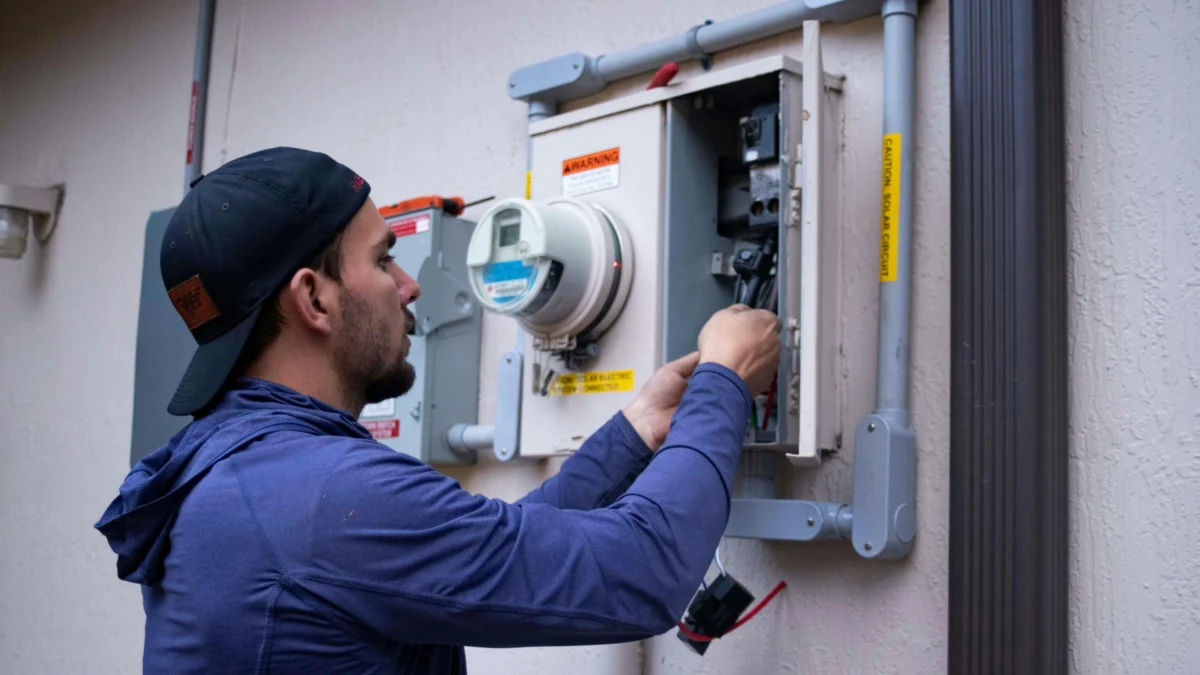
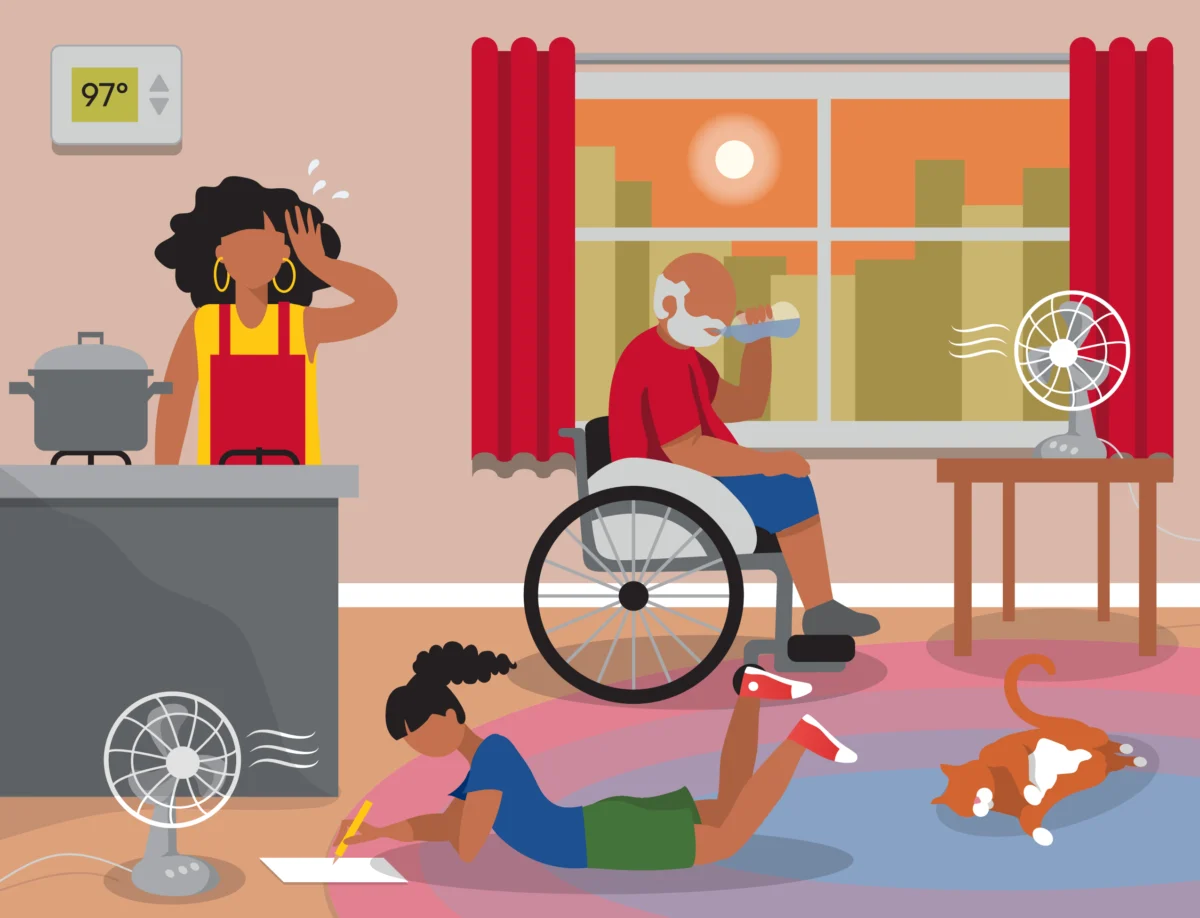
The correlation between rising global temperatures and utility-related mortality is no longer theoretical; it is a documented public health crisis. While most states have long-established protections—known as "disconnection moratoria"—that prevent utility companies from shutting off power during the freezing winter months, the same protections are glaringly absent for the summer heat.
According to the NCLC, only 19 states and the District of Columbia have implemented formal rules to prohibit utility shut-offs during extreme heat events. This leaves millions of residents in "sunbelt" states, including Florida, Texas, and Arizona, in a precarious position. When a heatwave hits, these families are forced to choose between the immediate threat of heat-related illness or death and the long-term, compounding debt of utility bills that they cannot afford to pay.
"The need to ensure uninterrupted utility service has only grown in recent years, along with inflation and other affordability concerns," said Karen Lusson, senior attorney at the NCLC and author of the report. "Policymakers and regulators must address the unaffordability of essential utility service, and the need for continued access, particularly for groups of people at increased risk of heat stroke and even death during intense heat."
Chronology of a Regulatory Failure
To understand how the United States reached this point of systemic vulnerability, one must look at the evolution of utility regulation over the last half-century.
- 1970s – 1990s: The Winter-Centric Model: For decades, utility regulations were built around the danger of hypothermia. Because cold-weather death is historically easier to quantify, state legislatures across the North and Midwest codified "winter shut-off" protections. These became standard industry practice, but they created a precedent that left summer heat—a "silent killer"—largely unregulated.
- 2010 – 2020: The Climate Pivot: As climate change accelerated, the frequency and duration of heatwaves began to outpace traditional weather patterns. During this decade, energy costs surged due to grid modernization needs and volatile fuel markets. Meanwhile, wage stagnation meant that a growing percentage of the American workforce could no longer absorb the "peak season" pricing models used by many utility providers.
- 2021 – 2024: The Affordability Gap Widens: Post-pandemic inflation and the sunsetting of emergency utility assistance programs exacerbated the strain on low-income households. The Energy Information Administration (EIA) data from this period began to show a troubling trend: the "energy burden"—the percentage of household income spent on energy—reached historic highs for the bottom 30 percent of earners.
- 2025 – 2026: The Breaking Point: The summer of 2026 has been marked by record-shattering temperatures. The NCLC’s 2026 report serves as a call to action, noting that the status quo is now directly contributing to increased hospitalizations and mortality rates in under-resourced communities.
Supporting Data: Who Is Most at Risk?
The NCLC report utilizes comprehensive data from the U.S. Energy Information Administration (EIA) to map the intersection of poverty, energy costs, and health outcomes.
The Demographic Breakdown
The data is clear: the effects of extreme heat are not distributed equally. The most vulnerable populations include:
- Older Adults: Households with residents over age 65 are significantly more susceptible to thermoregulatory failure.
- Children: Young children, particularly those with respiratory issues, are highly sensitive to extreme temperatures.
- Communities of Color: Historical patterns of redlining and urban "heat island" effects—where asphalt and lack of green space cause city centers to be significantly hotter than suburban areas—place Black and Latino households at a disproportionately higher risk for dangerous health impacts.
The Financial Strain
Perhaps the most harrowing finding in the report is the psychological and physical toll on those who are behind on their bills. Many households report "self-disconnecting"—choosing to keep their air conditioning off even as temperatures climb into the triple digits, simply because they fear the notice of an overdue bill.
"Financially struggling utility customers often restrict their energy use and are hesitant to turn on air conditioning during extreme heat, out of fear of unaffordable utility bills," the report notes. This behavior leads to a cycle of malnutrition and medical neglect, as families sacrifice food and medication to prioritize keeping the lights on.
Official Responses and the Call for Policy Reform
The National Consumer Law Center is not merely documenting the problem; it is proposing a roadmap for legislative and regulatory intervention. The NCLC’s recommendations focus on four main pillars:
1. Mandatory Disconnection Moratoria
The report calls for a federal standard that would prohibit utilities from disconnecting service during extreme weather events. These protections should be based on local heat index thresholds, not just absolute temperature, to account for the dangerous effects of humidity.
2. Fair Treatment and Debt Forgiveness
Current utility collection practices are often described by advocates as "antiquated" and "punitive." The NCLC argues that regulators must require utilities to offer more flexible, interest-free payment plans for low-income customers, specifically those who have already demonstrated financial hardship.
3. Data Transparency and Reporting
Utility companies should be required to provide granular data on disconnection rates, specifically identifying the zip codes and demographic profiles of those being shut off. This data will allow for better targeted support programs and more effective public health interventions.
4. Increased Funding for LIHEAP and Weatherization
The Low Income Home Energy Assistance Program (LIHEAP) remains the primary federal tool for helping low-income families manage energy costs. The report emphasizes that funding for LIHEAP—and the companion Weatherization Assistance Program (WAP)—has failed to keep pace with the dual challenges of inflation and climate change.
"Lawmakers must address unaffordable electric and gas utility rates and protect vulnerable households from the antiquated practice of disconnecting customers, which punishes people for being poor," said Lusson.
Implications: A Future Defined by Heat
The implications of failing to act are profound. If the United States continues to treat cooling as a luxury rather than an essential utility, the economic and social costs will continue to mount.
The Public Health Burden: Every household that is disconnected during a heatwave represents a potential emergency room visit. The cost to the public healthcare system of treating heat stroke and related cardiovascular events far outweighs the cost of subsidizing utility bills for at-risk families.
The Economic Costs: A household that is disconnected is often trapped in a cycle of debt. The reconnection fees, late charges, and credit damage that follow a shut-off notice make it exponentially harder for these families to achieve long-term financial stability.
The Moral Mandate: As climate change shifts from a distant concern to a daily reality, the fundamental definition of "essential service" must evolve. In the mid-20th century, electricity for light was the baseline. In the mid-21st century, climate-controlled air must be considered a basic human right.
The NCLC report acts as a wake-up call to state utility commissions and the federal government. The data, the history, and the moral imperative all point to the same conclusion: protecting vulnerable citizens from the heat is not just a matter of energy policy; it is a matter of life and death. As temperatures rise in 2026 and beyond, the inaction of policymakers will be measured not just in dollars, but in the lives of those who were left in the dark and in the heat.