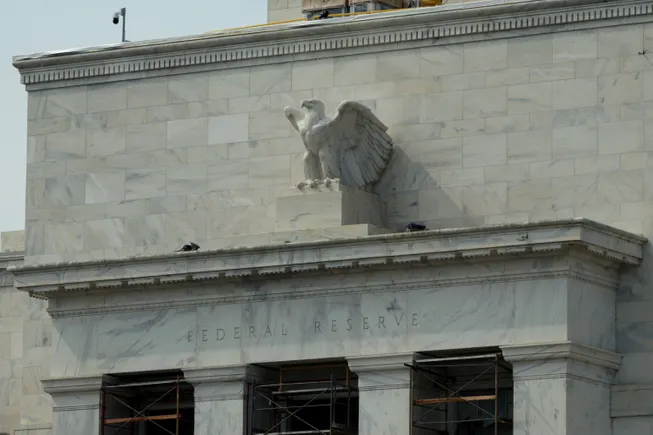









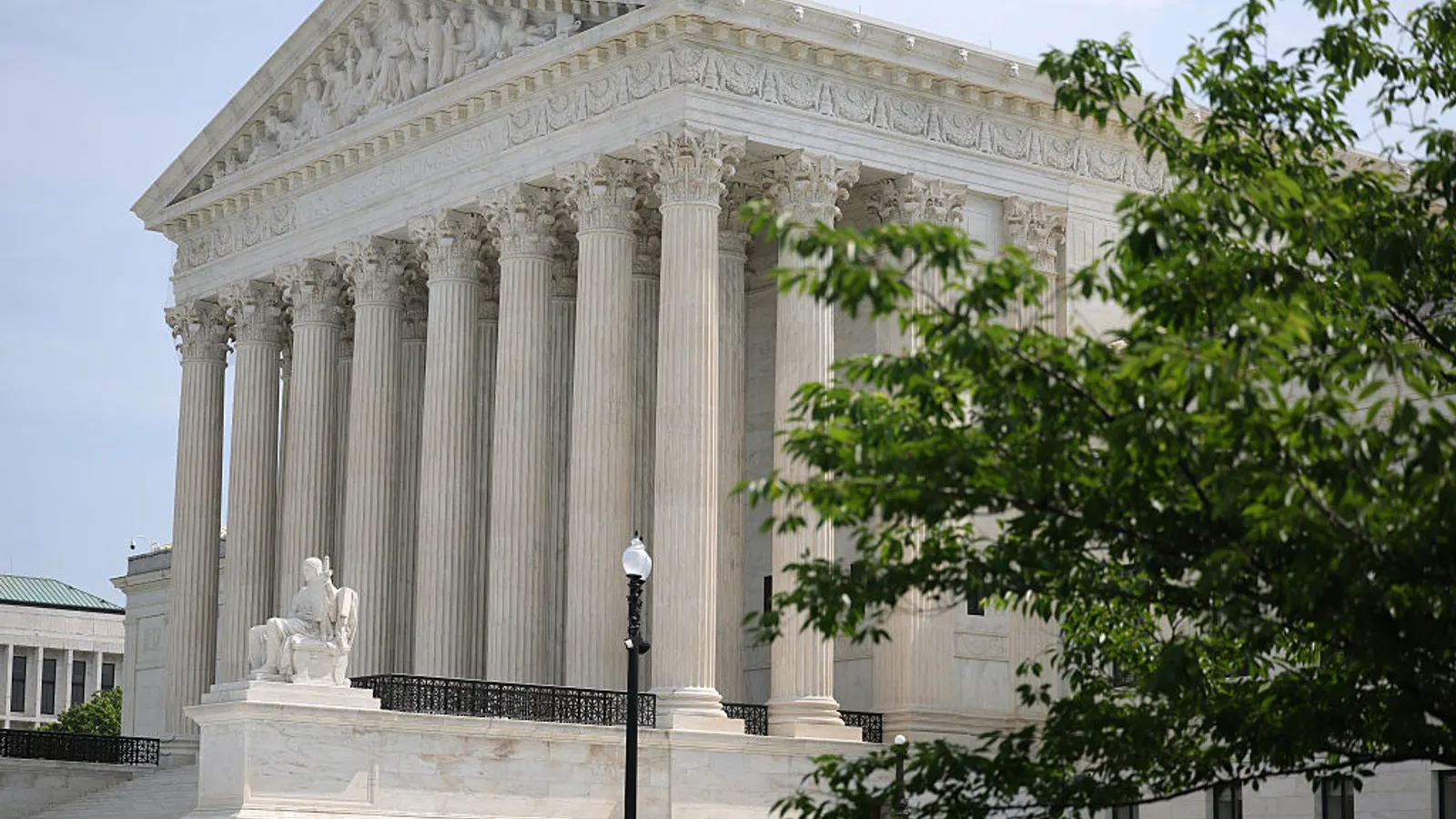
WASHINGTON D.C. – In a decision with profound implications for the stability of global financial markets and the constitutional limits of executive authority, the Supreme Court of the United States ruled on Monday that President Donald Trump exceeded his authority in attempting to dismiss Federal Reserve Governor Lisa Cook. The 5-4 ruling serves as a definitive legal shield for the Federal Reserve’s independence, asserting that the President cannot use "for-cause" removal protections as a pretext for political interference in monetary policy.
The majority opinion, authored by Chief Justice John Roberts and joined by Justice Brett Kavanaugh and the court’s three liberal justices, rejected the administration’s argument that a President possesses broad discretion to define what constitutes "cause" for termination. The court’s decision effectively prevents the executive branch from transforming the Federal Reserve Board into an "at-will" body, ensuring that governors can fulfill their terms without the looming threat of political retribution for their economic stances.
Main Facts: A Narrow Victory for Institutional Autonomy
The crux of the case rested on whether President Trump’s dismissal of Lisa Cook last August met the statutory requirement of "cause." Under the Federal Reserve Act, members of the Board of Governors may only be removed by the President "for cause," a term traditionally interpreted to mean inefficiency, neglect of duty, or malfeasance in office.
President Trump had moved to fire Cook based on allegations of past mortgage fraud raised by Bill Pulte, the Director of the Federal Housing Finance Agency (FHFA). However, the Supreme Court found that the administration’s move lacked both substantive evidence and procedural due process.
Key takeaways from the ruling include:
- The 5-4 Split: The ideological divide of the court was scrambled, with Chief Justice Roberts and Justice Kavanaugh siding with Justices Sotomayor, Kagan, and Jackson. Justices Thomas, Alito, and Barrett dissented.
- The "Pretext" Doctrine: The court ruled that "cause" must imply an actual unfitness for the position rather than serving as a "ready pretext" to install a more "congenial" replacement who might be more compliant with the President’s desired interest rate policies.
- Procedural Failures: The majority sharply criticized the White House for failing to provide Cook with a meaningful opportunity to respond to the allegations before her termination was announced.
- Institutional Significance: The court explicitly recognized the Federal Reserve as a "unique" institution that must operate at a "deliberate remove from the ordinary political process."
Chronology: The Path to the High Court
The legal battle began in August of last year, during a period of heightened tension between the White House and the Federal Reserve over interest rate hikes intended to combat inflation.
August: President Trump sent a formal letter to Governor Lisa Cook, notifying her of her removal. The letter cited "deceitful and potentially criminal conduct" regarding mortgage fraud allegations brought forward by Bill Pulte. Trump stated he no longer had "confidence in [her] integrity."
Late August: Governor Cook filed a lawsuit against the President, alleging that the firing was a politically motivated attempt to influence the Federal Open Market Committee (FOMC). Her legal team argued that the allegations were a smokescreen for Trump’s desire to appoint a governor who would advocate for lower interest rates.
September – October: A federal district court and subsequently an appeals court sided with Cook, issuing injunctions that allowed her to remain in her post while the case proceeded. The lower courts agreed that the "for cause" standard required more than unsubstantiated allegations of past private conduct.
January: The Supreme Court heard oral arguments. During the session, several justices expressed skepticism regarding the "due process" afforded to Cook. Justice Kavanaugh, in particular, questioned whether the administration’s definition of "cause" would essentially evaporate the independence Congress intended for the Fed.
Monday: The Supreme Court issued its final ruling, affirming the lower court decisions and permanently blocking the removal.
Supporting Data: The Legal and Economic Context
To understand the weight of this ruling, one must look at the statutory framework of the Federal Reserve. Congress designed the Fed in 1913 with staggered 14-year terms for its governors to ensure that no single President could fully capture the board during a single term.
The Definition of "Cause"
The term "for cause" is a cornerstone of administrative law. In the 1935 case Humphrey’s Executor, the Supreme Court established that Congress has the power to create "quasi-legislative" or "quasi-judicial" agencies whose officers are immune from the President’s unfettered removal power. Monday’s ruling reinforces this, stating:
"Acceptance of the Government’s position would in effect transform the Federal Reserve’s for-cause protection into at-will employment—an interpretive leap out of step with the statute Congress enacted."
The FTC Contrast
Notably, on the same day as the Cook ruling, the Supreme Court backed the President’s firing of a Democratic commissioner at the Federal Trade Commission (FTC). This contrast highlights the "unique historical status" the court affords the Federal Reserve. While the FTC is an enforcement agency, the Fed’s role in managing the nation’s money supply is viewed by the court as requiring a higher tier of insulation from the "corrosive" effects of partisan politics.
The Allegations vs. The Pretext
The allegations against Cook involved mortgage fraud claims that her legal team described as "flimsy" and "unsubstantiated." More importantly, the court noted that the timing of the firing—occurring while Trump was publicly lambasting the Fed for its interest rate decisions—suggested the removal was less about integrity and more about policy disagreement.
Official Responses: From the Bench and the Bar
The opinions filed on Monday reveal a deep philosophical divide regarding the "Unitary Executive" theory—the idea that the President should have absolute control over all executive branch officials.
Chief Justice John Roberts (Majority Opinion):
"The key issue is whether the cause assigned truly implies an unfitness for the place—or whether it simply represents an effort to secure a more ‘congenial’ replacement. Without such constraints in place, any perceived or alleged misstep could provide a ready pretext for a Governor’s removal. Nothing could be more corrosive of the independence that Congress sought to preserve."
Justice Brett Kavanaugh (Concurring):
Kavanaugh emphasized that while the President generally has removal power, the specific history of the Federal Reserve creates a "special arrangement sanctioned by history." He argued that the stability of the global economy relies on the perception that the Fed is not a political puppet.
The Dissenting View (Justices Thomas, Alito, and Barrett):
The dissenting justices argued that the President’s assessment of a subordinate’s integrity should be given near-absolute deference. Justice Thomas suggested that the "for cause" restriction, as interpreted by the majority, unconstitutionally infringes upon the President’s executive power under Article II.
Cook’s Legal Team:
In a statement following the ruling, Cook’s attorneys praised the court for "protecting the rule of law over the whims of politics." They noted that several past Fed chairs and Treasury secretaries had filed amicus briefs in support of Cook, emphasizing that "central banking cannot function if governors are looking over their shoulders at the White House every time they vote on interest rates."
Implications: The Future of Central Banking and Executive Power
The Supreme Court’s decision has several far-reaching implications for the American government and the economy.
1. Strengthening the "Firewall"
By ruling in favor of Cook, the court has signaled to future administrations that the Federal Reserve is not a traditional executive agency. This provides current and future Fed governors with the "psychological and legal security" needed to make unpopular economic decisions—such as raising interest rates to fight inflation—without fear of losing their jobs.
2. A Check on the Unitary Executive
The ruling is a significant setback for proponents of the "Unitary Executive" theory. It clarifies that while the President has the power to appoint, the power to remove is strictly limited by the specific statutes created by Congress, especially regarding independent regulatory bodies.
3. Market Stability
Financial markets reacted with relative calm to the news, which analysts suggest is a sign of confidence. "The markets value predictability," said one senior economist. "A world where the President can fire a Fed governor because he doesn’t like the current interest rate is a world of extreme market volatility. This ruling prevents that chaos."
4. The Powell Factor
The case against Cook did not exist in a vacuum. It occurred alongside reported efforts by the administration to pressure then-Chair Jerome Powell to resign over budgetary issues regarding building renovations. While Powell’s term as Chair has since ended, he remains on the board. The Cook ruling effectively closes the door on any attempts to remove Powell or other board members using similar "pretextual" arguments.
5. Due Process Requirements
The ruling sets a new procedural bar for the executive branch. If a President wishes to fire a protected official for cause, they must now provide:
- A clear explanation of the evidence.
- A formal avenue for the official to respond.
- A reasonable deadline for that response.
In conclusion, the Supreme Court has reaffirmed that the Federal Reserve’s design is not an accident of history but a deliberate "special arrangement" intended to keep the nation’s economy out of the fray of partisan warfare. For Governor Lisa Cook, the ruling means she will continue her work at the central bank, her seat secured not by the favor of the President, but by the protections of the law.