








Navigating the Policy Maze: 10 Essential Questions to Ask Before Buying Life Insurance

According to the 2023 Insurance Barometer Study conducted by LIMRA, a slim majority—just 52%—of Americans currently maintain some form of life insurance coverage. For this group, there is a distinct peace of mind in knowing that their unexpected passing will not translate into an immediate financial crisis for their surviving family members. They have built…

Read Full News

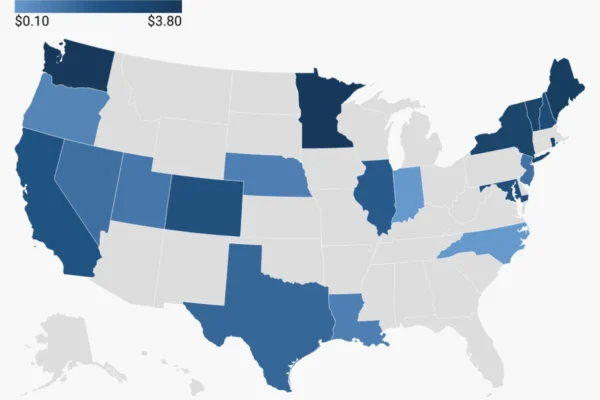
The Nicotine Pouch Dilemma: How States Are Botching Tax Policy on Alternative Tobacco Products

As traditional cigarette consumption continues a decades-long, public-health-driven decline, state budgets face an impending fiscal reckoning. For generations, tobacco excise taxes served as a reliable, highly lucrative stream of revenue for local governments. But as smokers successfully stub out traditional cigarettes in favor of non-combustible alternatives, states are experiencing a profound revenue crater. Enter oral…

Read Full News

The Return of the Windfall Tax: How European Energy and Banking Levies are Reshaping Fiscal Policy

As the European Union economy continues to navigate a turbulent global landscape—recovering from the severe energy price shock triggered by Russia’s invasion of Ukraine while facing renewed geopolitical tensions in the Middle East—policymakers are once again turning to familiar interventionist measures. With oil and gas supplies constrained and energy prices creeping upward, interest in "windfall…

Read Full News

The Great Life Insurance Illusion: Why Your Workplace Policy Isn’t Enough to Protect Your Family

By Financial Desk Analysis Published: June 2026 Main Facts: The Illusion of Workplace Coverage For millions of working professionals, glancing at an employee benefits portal provides a soothing sense of security. Nestled between health insurance elections and retirement plan contributions sits a line item labeled "Employer-Provided Life Insurance." Often equal to one or two times…

Read Full News

Navigating Parent PLUS Loans: Comprehensive Guide to Qualification, Recent 2026 Policy Changes, and Denial Recovery Strategies

Main Facts Financing higher education has traditionally been viewed as a student-centric responsibility, primarily managed through federal student loan programs. However, a significant portion of the financial burden is routinely shouldered by parents via Direct Parent PLUS Loans. Administered by the U.S. Department of Education, these federal loans allow biological parents, adoptive parents, and, in…

Read Full News

The Return of the Bond Vigilantes: How Stubborn Inflation and Fed Policy Are Reshaping Fixed-Income Markets

Main Facts: Inflation Prints High, Bond Yields Surge, and the Fed Looms The macroeconomic landscape is shifting rapidly under the pressure of persistent inflation. Following the release of the August Producer Price Index (PPI) report—which revealed a hotter-than-expected year-over-year inflation rate of 5.4%—financial markets have experienced a dramatic repricing of risk. This high wholesale inflation…

Read Full News

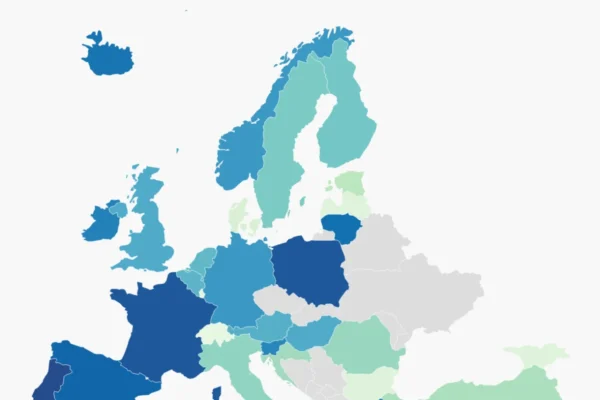
The Global Landscape of R&D Tax Incentives: A 2025 Analysis of Innovation Policy

In the hyper-competitive arena of the global economy, Research and Development (R&D) stands as the primary engine of long-term productivity and growth. To capture this growth, governments worldwide increasingly utilize expenditure-based tax incentives to lower the effective cost of innovation for corporations. However, a new analysis of 2025 data reveals a stark divergence in strategy,…

Read Full News

The Reopening of Lebanese Airspace: A New Policy Meets Harsh Geopolitical Realities

Introduction: A Symbolic Shift in Aviation Policy In a move that marks the end of a near four-decade prohibition, the United States government has officially lifted the long-standing ban on American airlines operating flights to Lebanon. The directive, announced following a high-level meeting between President Donald Trump and Lebanese President Joseph Aoun, signals a significant…

Read Full News

The Hidden Risks of the Gig Economy: Why Your Personal Auto Policy Isn’t Enough

For millions of Americans, the promise of the gig economy is simple: flexibility, autonomy, and the ability to turn a personal asset—their car—into a consistent revenue stream. Whether it’s driving for Uber, shuttling passengers via Lyft, or delivering meals through apps like DoorDash and GrubHub, the "side hustle" has become a cornerstone of modern financial…

Read Full News