








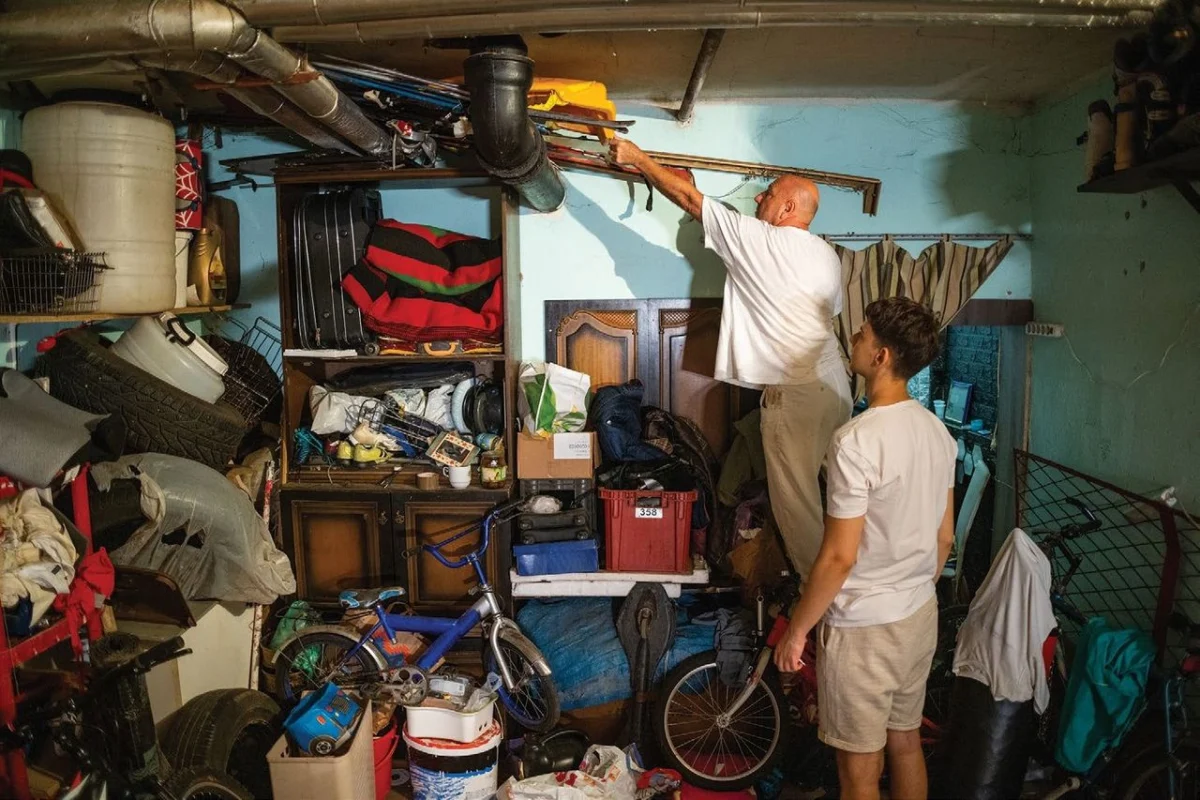
At some point in the future, your possessions will outlive their utility. Whether through a planned transition into a smaller home, a medical emergency, or the inevitable passage of time, someone will eventually have to sort through the accumulation of your lifetime. By choosing to cull your possessions while you are still in good health, you are not merely tidying up—you are performing an act of profound, preemptive kindness for your heirs and securing a more peaceful environment for your own future.
Downsizing is a formidable task, often fraught with emotional weight. It requires the courage to confront the physical manifestations of our past and the prudence to recognize that material objects do not define our legacies.
The Psychology of Accumulation: Why We Keep What We Keep
Discarding items that once held meaning—a cherished heirloom, a gift from a deceased spouse, or a "splurge" purchase from a bygone decade—often triggers intense feelings of grief and guilt. Sociologist David J. Ekerdt of the University of Kansas, whose extensive research is detailed in his book Downsizing: Confronting Our Possessions in Later Life, argues that the process is as much psychological as it is physical.
"It is an act of courage and of prudence," Ekerdt explains. His team interviewed over 100 Americans over the age of 60, revealing that the primary hurdle to downsizing is the perceived loss of self-identity attached to material goods. Many individuals feel that by discarding an object, they are discarding the memory associated with it. However, professional organizers argue that the opposite is true: by clearing the clutter, we create the mental and physical space to honor those memories without the burden of the objects themselves.
Chronology of a Successful Downsize
To move from an overwhelming state of clutter to a streamlined, intentional living space, experts recommend a phased, disciplined approach. Following this timeline can prevent the burnout that typically leads to abandonment of the project.
Phase 1: The Preparatory Stage
Before touching a single item, define your "why." Matt Paxton, author of Keep the Memories, Lose the Stuff, advocates for writing your goal on a card and taping it to a wall. If your goal is to host friends again, set a firm date for a dinner party. This creates a psychological deadline that transforms an abstract desire into a concrete objective.
Phase 2: The Categorization Period
Avoid the common trap of "cleaning as you go." Instead, adopt a systematic categorization method. As Omaha-based organizer Jill Quigley notes, "I put like with like so you can see that you have three can openers or nine white tank tops." Seeing duplicates in one location makes the decision to discard them effortless. For sentimental items, group them by the memory they represent. If you have ten items to remember one grandmother, perhaps you only need to keep the one that speaks to you most deeply.
Phase 3: The Execution
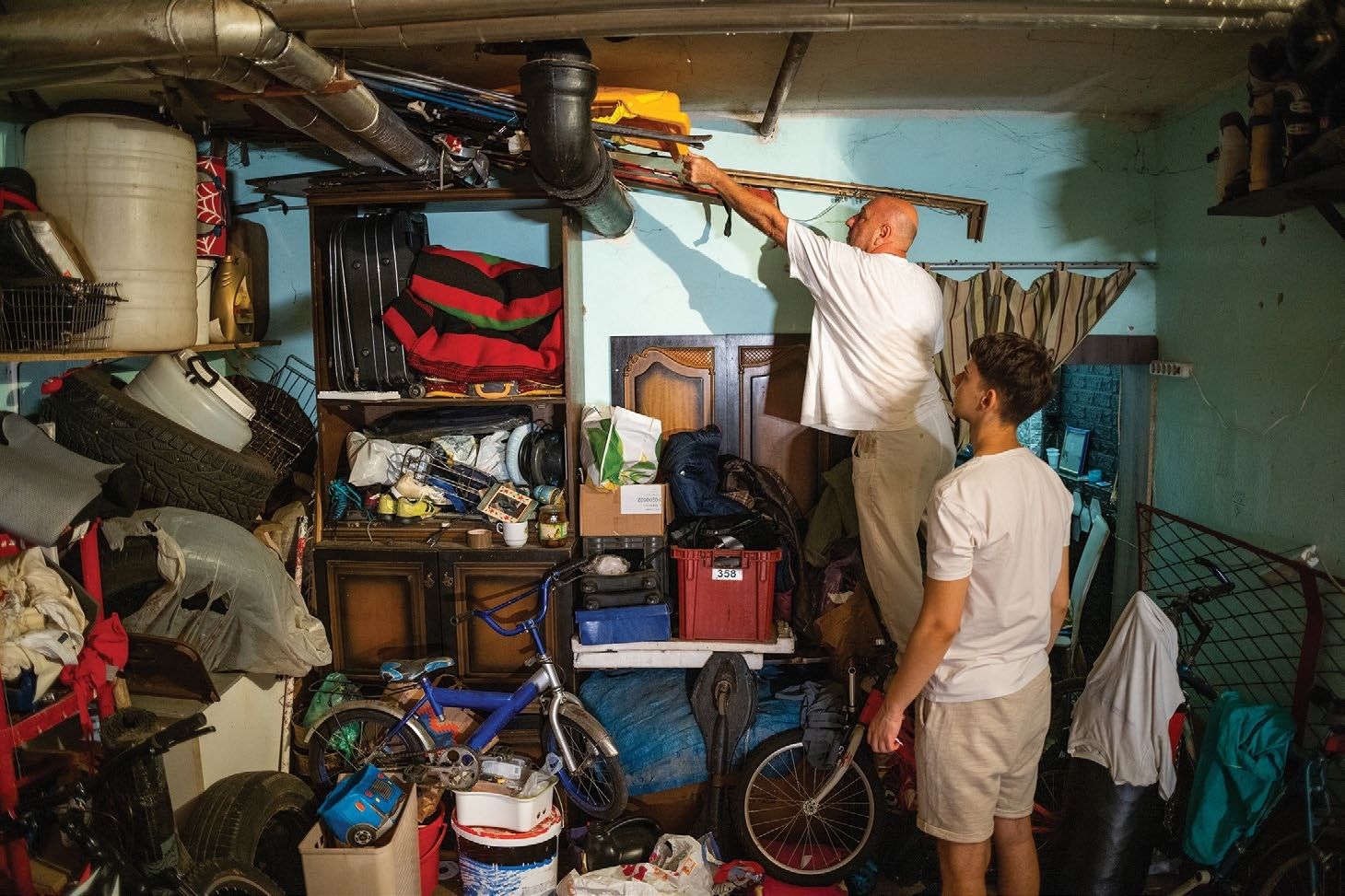
Begin with "low-stakes" zones. Start with a junk drawer or a utility closet—areas that are devoid of deep emotional triggers. Success in these small, manageable spaces builds the confidence required to move toward the harder, more sentimental rooms like the study or the bedroom.
Supporting Data and Financial Realities
A common misconception among those looking to downsize is that their belongings possess significant resale value. In the current market, this is rarely the case. Julie Hall, director of the American Society of Estate Liquidators, warns that the current generation of retirees is creating a "flood" of antique furniture and collectibles, which has effectively crashed the secondary market for these items.
The Myth of the Windfall
- The Reality of Resale: Selling items yourself through online marketplaces or garage sales is incredibly time-consuming and often yields a poor return on investment.
- Professional Auctioneers: Services like Everything But The House or MaxSold may take a 30% to 40% commission, but they handle the cataloging, bidding, and logistics. As Matt Paxton notes, "The 60% you will receive from the auction house is larger than the 100% you would get on your own," especially when accounting for the value of your own time.
- Tax Considerations: Recent changes to tax laws have significantly curtailed the ability to claim substantial write-offs for non-cash donations. Do not rely on charitable deductions as a primary financial incentive.
Professional Perspectives: When to Seek Help
For many, the physical and emotional toll of downsizing warrants professional assistance. Professional organizers charge between $60 and $200 per hour, but the value they provide extends beyond mere labor.
"Finding someone who is emotionally attuned to you is crucial," says Erin Hayes, a New York City-based organizer. These professionals are trained to recognize the signs of distress and can facilitate the "tough conversations" that occur when a family member struggles to let go of an item. Organizations such as the National Association of Productivity & Organizing Professionals (NAPO) and the National Association of Senior & Specialty Move Managers (NASMM) provide directories to help individuals find vetted, local experts who specialize in life transitions.
The "Purger’s High" and Avoiding Recklessness
A common pitfall is the "purger’s high"—a state of euphoria during the decluttering process that can lead to impulsive, reckless disposal. Professional organizers like Cristiane Sgrott often have to intervene when clients, in their excitement to clear space, begin tossing items that may contain hidden value.
"I’ve had to stop clients from throwing out old shirt boxes where they had hidden cash," Sgrott says. Her advice is simple: "Be ruthless, but not reckless." Always shake books, check pockets, and inspect every container before it heads to the donation center or landfill. Furthermore, be wary of disposing of sensitive documents in public trash; utilize professional shredding services to protect your identity.
Implications for Future Living: Beyond the Purge
The ultimate goal of downsizing is to establish a system that prevents future re-cluttering. This involves both logistical and psychological shifts.
The No-Storage Rule
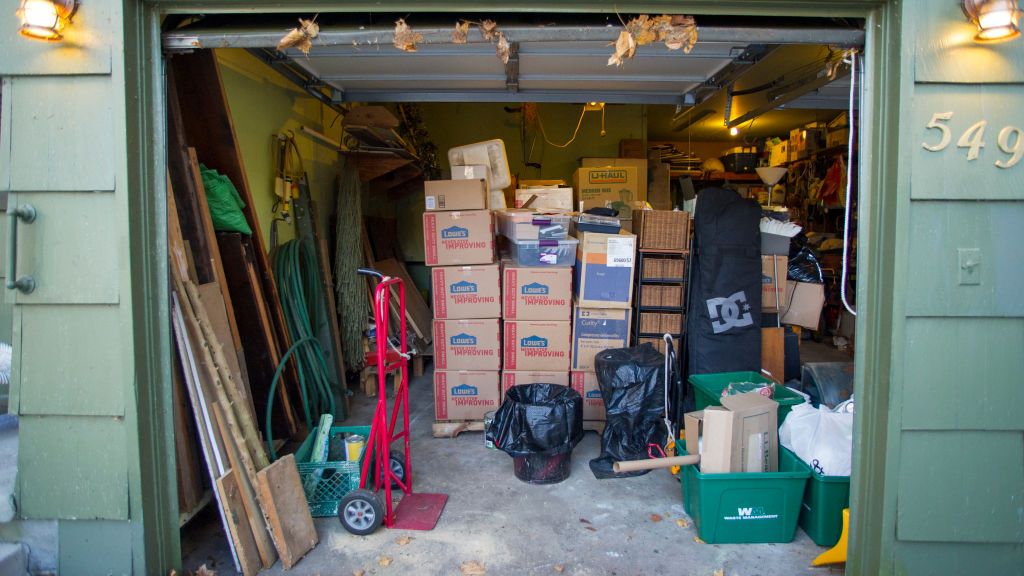
Mary Kay Buysse of NASMM is firm on one point: "There is no ‘maybe’ pile." If you create a "maybe" box, it will inevitably end up in a storage unit. Renting a storage unit is a financial drain that allows you to avoid making the hard choices, often resulting in thousands of dollars spent to house items you aren’t sure you want. If it doesn’t fit in your home, it shouldn’t be in your life.
Psychological Maintenance
T.K. Coleman, cohost of The Minimalist podcast, suggests that we must examine the "why" behind our accumulation. Many of us use impulse purchases as a salve for loneliness or stress. "Am I using impulse purchases to compensate for something?" he asks. By shifting the perspective to understand that "saying ‘yes’ to something you don’t want is saying ‘no’ to a clean table and a calm mind," you can break the cycle of accumulation before it begins.
A Legacy of Love
Ultimately, the process of downsizing is about legacy. Kelly Brask, president of the Board of Certification for Professional Organizers, reminds us: "You don’t want to leave your friends and family with a house full of crap and a bunch of work. You want to leave a legacy of love."
By curating your possessions, you are distilling your life into a collection of meaningful items that tell a coherent story. Use modern tools to bridge the gap between physical objects and the memories they hold. Apps like Artifcts allow you to record the stories behind your most precious possessions. Consider hosting a "storytelling" gathering, where you hand off items to loved ones in person, explaining their history. This transforms a potentially sad task—giving away your stuff—into a celebratory act of passing on your heritage.
In the end, a decluttered home is not an empty one; it is a space filled with clarity, intention, and peace. By tackling the challenge now, you ensure that your future remains focused on what truly matters: the people you love and the experiences you have yet to enjoy.