









In the world of personal finance, there is a persistent myth that the absence of "bad" credit automatically equates to the presence of "good" credit. For years, consumers have been told that the path to financial health is paved with the removal of late payments, the settling of collections, and the erasure of bankruptcies. However, thousands of Americans are discovering a frustrating reality: after months of diligent credit repair and the successful removal of negative items, their credit scores remain stubbornly low or stagnant.
This phenomenon, often referred to as the "Clean Slate Paradox," highlights a fundamental misunderstanding of how modern credit scoring algorithms work. A clean report is merely a neutral starting point; it is not the finish line. To achieve the high scores necessary for competitive mortgage rates or premium credit cards, consumers must transition from a defensive strategy of "repair" to an offensive strategy of "reconstruction."
Main Facts: The Reality of the "Thin File"
The primary reason a clean credit report fails to produce a high score is the "thin file" problem. Credit scoring models, such as FICO and VantageScore, are predictive algorithms designed to assess the likelihood that a borrower will default on a debt within the next 24 months. These models require data to function. If a consumer has successfully disputed and removed every negative item but has no active, positive accounts remaining, the algorithm has nothing to analyze.
Lenders often categorize these individuals as "credit invisible." According to data from the Consumer Financial Protection Bureau (CFPB), approximately 26 million Americans are credit invisible, meaning they have no credit record at all with the three major bureaus (Equifax, Experian, and TransUnion). Another 19 million have records that are "unscorable" due to a lack of recent activity or a "thin" history.
For these individuals, a clean report is like a blank canvas. While there are no stains, there is also no art. To a lender, a person with no credit history can sometimes be as risky as a person with a poor credit history, simply because there is no track record of responsible behavior to serve as a guarantee.
Chronology: The Journey from Credit Repair to Credit Health
Understanding the lifecycle of credit improvement is essential for any consumer looking to navigate the complexities of the American financial system. This journey typically unfolds in four distinct phases:
Phase 1: The Audit and Dispute Process
The journey begins with a thorough review of the credit report. Consumers identify inaccuracies, outdated information, and fraudulent accounts. This phase focuses on the legal right to an accurate report under the Fair Credit Reporting Act (FCRA). The goal is "cleaning"—removing the "trash" that is actively dragging the score down.
Phase 2: The Stagnation Plateau
Once the negative items are removed, the consumer often hits a plateau. This is the moment of the "Clean Slate Paradox." The score may jump initially as late payments disappear, but it eventually levels off. The consumer has a "clean" house, but it is empty. There is no active utilization, no payment history being recorded, and no diversity of accounts.

Phase 3: Strategic Reconstruction
This is the most critical and often overlooked phase. The consumer must proactively open new lines of credit or optimize existing ones. This involves adding "positive weight" to the report to counterbalance the void left by deleted items. This phase requires a shift in mindset from avoiding debt to managing debt responsibly.
Phase 4: Long-term Maintenance and Optimization
The final phase is the "marathon." Credit is a living record. Maintaining a high score requires consistent behavior over years. In this phase, the consumer focuses on the "age of accounts" and maintaining a low "credit utilization ratio" to reach the upper echelons of the 800+ club.
Supporting Data: Decoding the FICO Formula
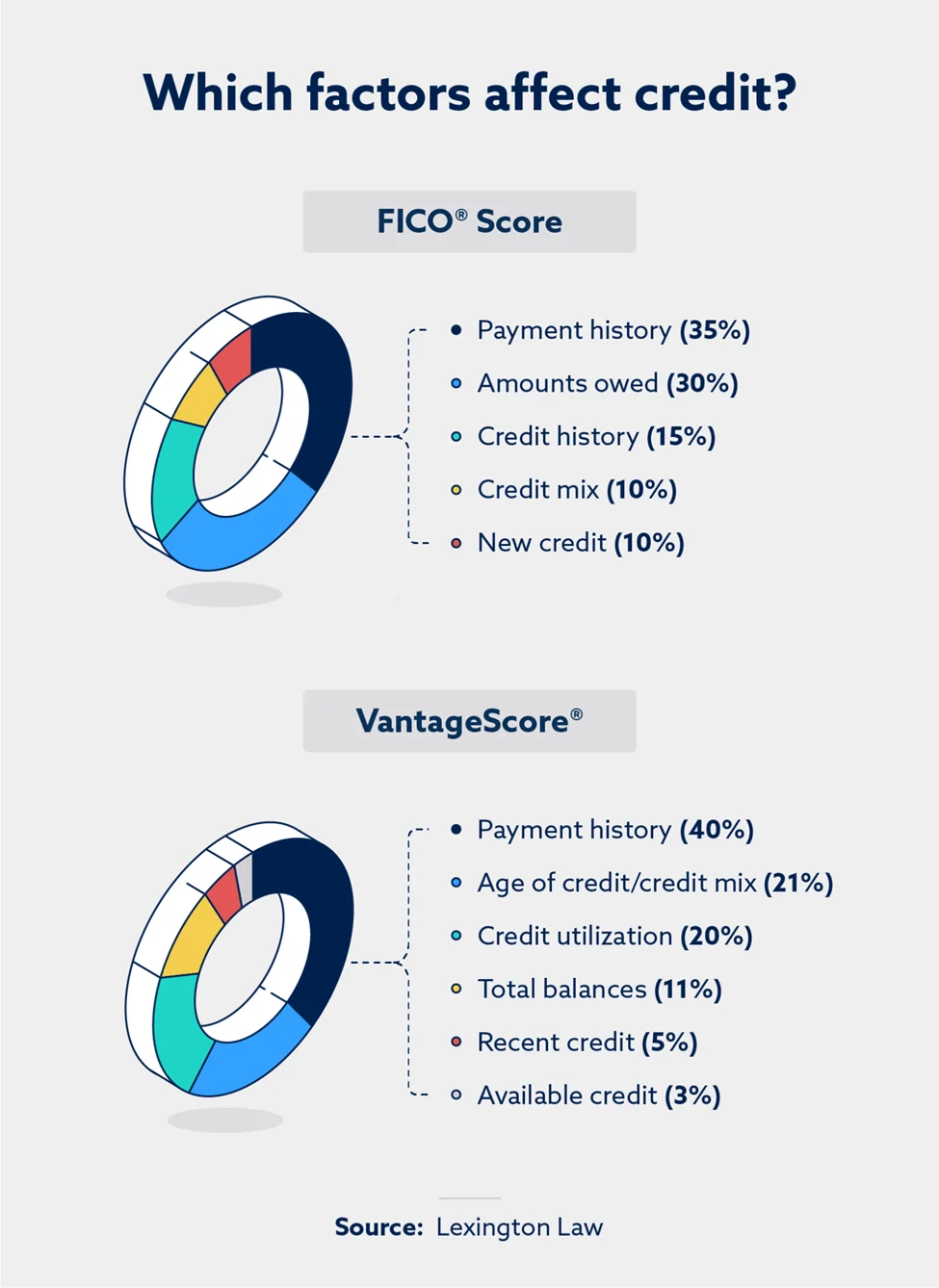
To understand why "doing nothing" is a risk, one must look at the specific components that make up a FICO score, which is the model used by 90% of top lenders.
- Payment History (35%): This is the largest factor. While removing late payments helps, you need a steady stream of "on-time" checkmarks to build this section. A lack of recent payments means this 35% of the score is essentially dormant.
- Amounts Owed (30%): Also known as utilization. If you have no credit cards, your utilization is 0%, but you also have no "limit" against which to measure your responsibility. Lenders want to see that you have access to credit but choose not to over-leverage it.
- Length of Credit History (15%): This is the "age" factor. When you dispute and remove old accounts (even negative ones), you may inadvertently shorten your credit history. To combat this, you must keep old, positive accounts open and active.
- Credit Mix (10%): Lenders want to see that you can handle different types of debt—both revolving (credit cards) and installment (auto loans, mortgages, or personal loans).
- New Credit (10%): While too many inquiries can hurt, a total lack of new credit activity suggests a stagnant financial profile.
Expert Strategies for Building a Robust Profile
Financial experts and credit professionals, including those at Lexington Law Firm, emphasize that building credit without disputes requires a multi-pronged approach.
1. Diversifying the Credit Mix
A common mistake is relying solely on one type of credit. If a consumer only has a single credit card, their "mix" is weak. Adding a small installment loan—such as a "credit-builder loan" offered by many credit unions—can provide a significant boost. These loans work by holding the borrowed amount in a bank account while the consumer makes monthly payments. Once the loan is paid off, the funds are released, and the consumer has a year’s worth of perfect payment history reported to the bureaus.
2. Tapping into Alternative Data
Traditionally, rent and utility payments were "invisible" to credit bureaus. However, new services and scoring models like Experian Boost and UltraFICO allow consumers to opt-in to having their utility, phone, and even streaming service payments included in their credit file. For a consumer with a clean but thin file, this can provide an immediate infusion of positive data.
3. The Authorized User Strategy
Often called "credit piggybacking," this involves being added to the credit card account of a trusted family member or friend. If the primary account holder has a long history of on-time payments and a low balance, that entire history may be "cloned" onto the authorized user’s report. This is one of the fastest ways to increase the "age of history" component of a score.
Official Responses and Industry Insights
The credit reporting industry has faced increasing pressure to modernize. In recent statements, representatives from the major bureaus have acknowledged the need for more inclusive scoring.

"The goal of a credit report is to provide a comprehensive picture of financial reliability," says a veteran industry analyst. "For too long, the system only penalized mistakes without rewarding the quiet, consistent responsibility of everyday bills like rent. We are seeing a shift toward ‘permissioned data,’ where the consumer has more control over what positive information is shared."
Legal experts at Lexington Law Firm point out that while the law protects consumers from inaccurate negative information, it does not guarantee a high score. "A clean report is the foundation, but the consumer must build the structure," the firm notes. "We see many clients who think the job is done once the collections are gone. In reality, that is when the real work of financial education and strategic growth begins."
Implications: The High Cost of a Thin File
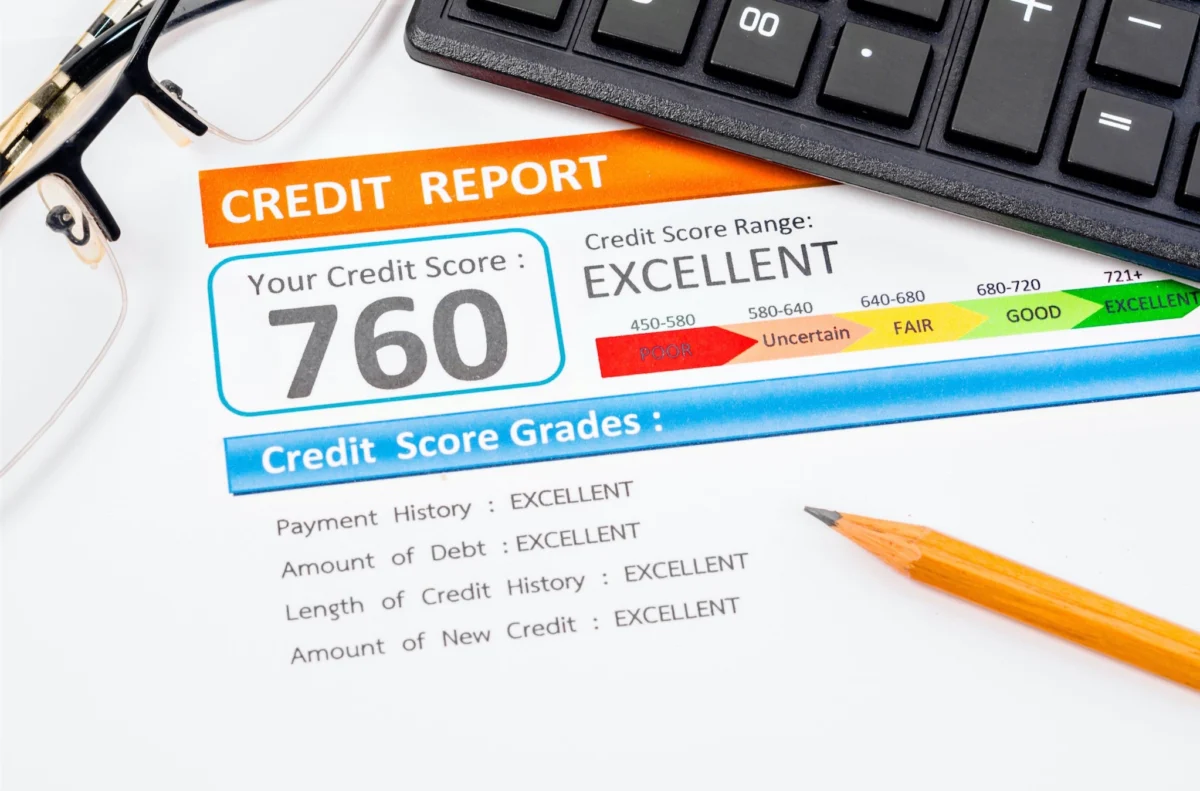
The implications of a "clean but thin" credit file are far-reaching. In the current economic climate, the difference between a "fair" score (640) and a "very good" score (740) can equate to tens of thousands of dollars over the life of a 30-year mortgage.
Furthermore, the "Clean Slate Paradox" contributes to the widening wealth gap. Individuals who have avoided debt due to cultural or personal reasons find themselves penalized when they finally attempt to enter the housing market. Without a robust credit history, these consumers are often pushed toward subprime lenders or required to provide massive cash down payments that they may not have.
The transition from credit repair to credit building is not just about a number; it is about economic mobility. A robust credit profile serves as a passport to the modern economy, granting access not just to loans, but to lower insurance premiums, better rental opportunities, and even employment in sectors where financial responsibility is a prerequisite.
Conclusion: Beyond the Dispute
Ultimately, a credit score is a living, breathing reflection of financial habits. The "Empty House" metaphor remains the most apt description of the challenge facing modern consumers. You can scrub the floors and fix the windows of your credit profile until they shine, but until you fill that house with the furniture of active, responsible accounts, lenders will remain hesitant to enter.
The journey to a perfect score is a two-step process: first, the removal of the obstacles that hold you back, and second, the intentional construction of a legacy of reliability. By focusing on credit mix, leveraging monthly expenses, and maintaining a long-term perspective, consumers can finally break through the plateau and turn a "clean" report into a "powerful" one.