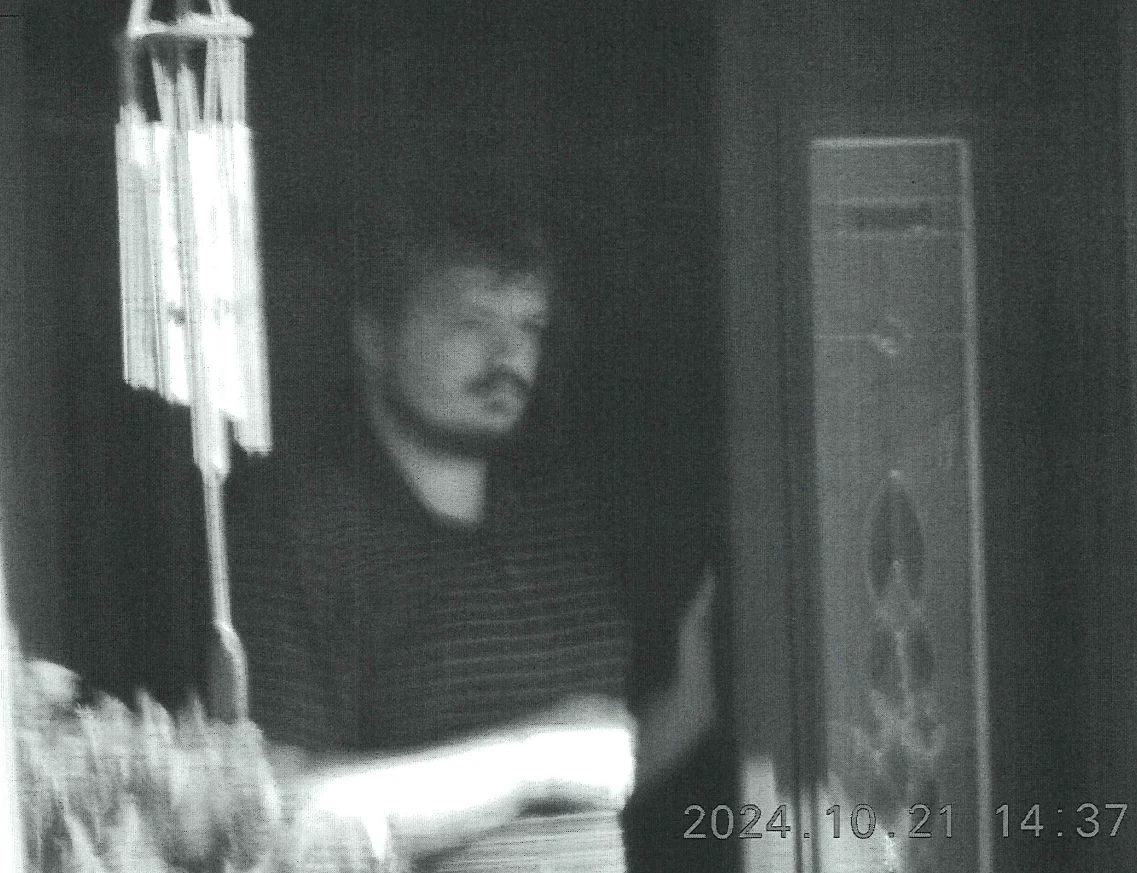









In a significant victory for international law enforcement, a 23-year-old Ottawa man, identified as Jacob Butler—known in clandestine corners of the internet by the handle "Dort"—was arrested this week on charges of engineering and operating the "Kimwolf" botnet. The arrest marks the culmination of a high-stakes, six-month investigation into one of the most prolific and aggressive Internet-of-Things (IoT) botnets in history, a digital leviathan responsible for record-shattering distributed denial-of-service (DDoS) attacks.
Butler, who now faces criminal prosecution in both Canada and the United States, stands accused of weaponizing millions of internet-connected devices, including home security cameras and digital photo frames. His arrest, executed by the Ontario Provincial Police (OPP) pursuant to a U.S. extradition warrant, follows a coordinated global crackdown on cybercrime infrastructure that has rattled the foundations of the "DDoS-for-hire" ecosystem.
The Anatomy of an IoT Menace: What Was Kimwolf?
The Kimwolf botnet was not merely a collection of compromised devices; it was a sophisticated, automated ecosystem designed for industrial-scale disruption. Unlike traditional botnets that focus on PCs or servers, Kimwolf specifically targeted "firewalled" IoT hardware—devices that are typically tucked away behind home or office routers and often forgotten by their owners.
By exploiting critical vulnerabilities in the firmware of web cameras and smart appliances, the botnet enslaved millions of devices globally. Once infected, these devices were integrated into a massive, command-and-control network. According to the U.S. Department of Justice (DOJ), the botnet was capable of generating traffic measured at nearly 30 Terabits per second (Tbps), a staggering volume that represents a new, dangerous benchmark in DDoS history.
The financial damage caused by these attacks has been profound. Victims, including private enterprises and critical infrastructure entities, have reported losses exceeding one million dollars per incident. Furthermore, the botnet’s reach was so broad that it even interfered with internet address ranges managed by the U.S. Department of Defense (DoD), triggering an intense investigation by the Defense Criminal Investigative Service (DCIS) in coordination with the FBI’s Anchorage field office.
A Chronology of Chaos: From Online Harassment to Federal Charges
The investigation into Butler was not a traditional top-down police operation; it was bolstered by the relentless work of independent security researchers who found themselves in the botmaster’s crosshairs.
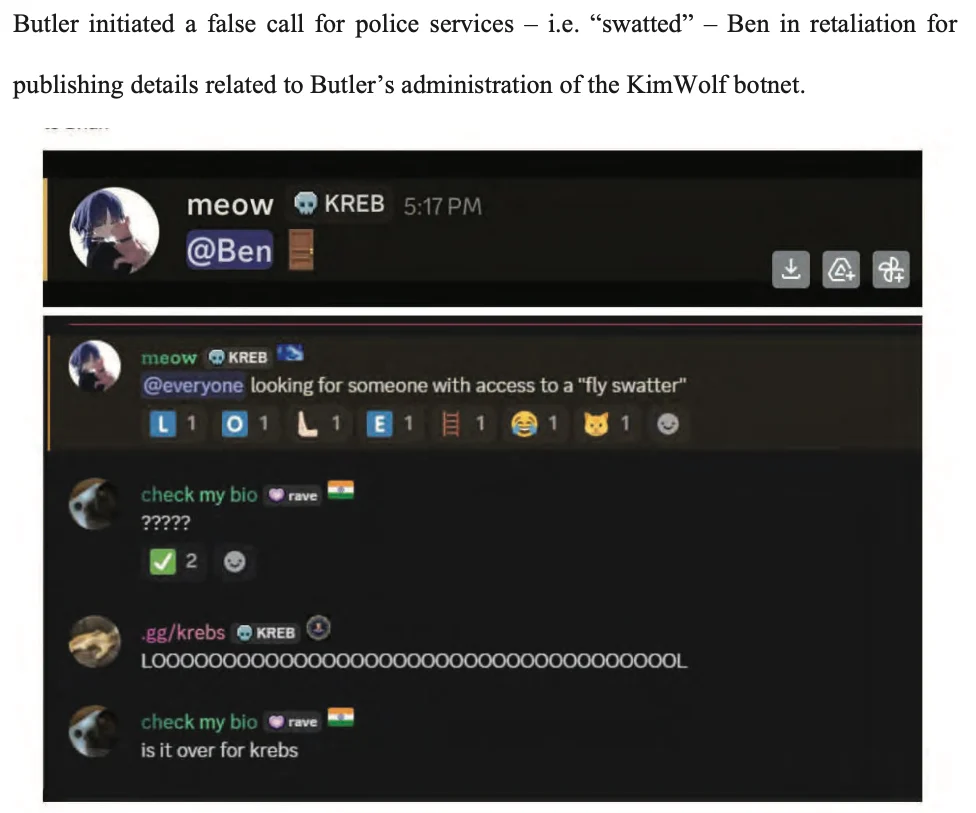
- January 2026: Researchers at the security startup Synthient identify a critical vulnerability being exploited by Kimwolf. Founder Ben Brundage leads efforts to patch the flaw, effectively hampering the botnet’s expansion. In retaliation, "Dort" launches a series of targeted swatting attacks against Brundage and other researchers.
- February 2026: KrebsOnSecurity publishes a detailed investigation identifying Butler as the person behind the "Dort" handle. By correlating email addresses, forum registrations, and digital breadcrumbs left on Telegram and Discord, the report exposes the disconnect between the botmaster’s arrogant online persona and his real-life identity in Ottawa.
- March 19, 2026: In a coordinated multi-national operation, U.S. and international authorities seize the technical infrastructure for Kimwolf and three rival botnets: Aisuru, JackSkid, and Mossad. Simultaneously, the OPP executes a search warrant at Butler’s Ottawa residence, seizing digital evidence that confirms his role in the operation.
- April 2026: The DOJ, working alongside European partners, seizes dozens of domains associated with "DDoS-for-hire" services. Investigations reveal that several of these services were renting out the Kimwolf botnet to third-party cybercriminals.
- May 2026: The criminal complaint against Butler is officially unsealed in an Alaska district court. Following his arrest in Canada, he is held in custody pending a May 26 hearing, marking the official start of the extradition process.
The Trail of Evidence: How "Dort" Was Unmasked
One of the most striking aspects of the Kimwolf case is the ease with which investigators pierced Butler’s anonymity. While many cybercriminals operate behind layers of encryption and obfuscation, the criminal complaint reveals that Butler made a series of elementary operational security (OPSEC) failures.
Investigators were able to link Butler to the administration of Kimwolf through a combination of IP address logs, online account recovery information, and transactional records tied to his real-world financial accounts. Despite his attempts to project an image of an untouchable "botmaster," Butler’s digital footprint was tied directly to his personal identity.
The criminal complaint outlines a history of arrogance; Butler did little to separate his "Dort" persona from his private life. His habit of using the same handles and contact details for both legitimate services and the management of his criminal botnet proved to be his undoing. For law enforcement, this was the "smoking gun" needed to secure the warrant and eventually move for his arrest.
Official Responses and the State of Cyber-Defense
The Department of Justice has been quick to credit the success of the Kimwolf takedown to a "whole-of-government" approach, emphasizing the importance of public-private partnerships. The role of the security community—specifically firms like Synthient—was described as indispensable.
"Hopefully, this will end the harassment," said Ben Brundage, the founder of Synthient, who had been subjected to multiple swatting attempts by Butler. Brundage’s sentiment echoes a broader relief across the cybersecurity industry, where researchers often face significant personal risks when tracking threat actors.
For the Canadian authorities, the arrest is a point of national concern. The Ontario Provincial Police confirmed that Butler faces several domestic charges, including "unauthorized use of computer" and "mischief in relation to computer data." These charges reflect the severity with which the Canadian legal system is beginning to view the creation and management of botnets, which were previously often treated as nuisance offenses rather than serious cyber-terrorism.
Implications: The End of an Era for IoT Botnets?
The dismantling of Kimwolf, Aisuru, JackSkid, and Mossad represents the largest disruption of DDoS-for-hire services in recent memory. However, experts caution that the problem is far from solved. The "DDoS-as-a-service" market is highly resilient, and the competitive nature of these botnets means that as one is taken down, others are waiting to fill the void.
Nevertheless, the legal implications for Butler are severe. If extradited to the United States, he faces a charge of aiding and abetting computer intrusion. While the maximum potential sentence is 10 years, legal analysts suggest that the court will consider his youth and lack of a prior criminal record. Conversely, the sheer scale of the damage—the 30 Tbps attacks and the interference with Department of Defense infrastructure—could be used by prosecutors to argue for a stricter sentence to serve as a deterrent to others in the "script-kiddie" community.
The Kimwolf case serves as a stark reminder to the manufacturers of IoT devices. The "firewalled" nature of these devices is no longer a sufficient defense against the sophisticated tools now available to young, motivated, and often reckless actors. As long as these devices ship with default credentials or unpatchable vulnerabilities, they will remain the primary fuel for the next generation of global internet disruption.
For now, the man who called himself "Dort" remains in custody, and the digital storm that threatened the stability of the modern internet has, for the moment, been silenced. The case stands as a landmark example of how persistent, cross-border cooperation—combined with the vigilance of the private security sector—can dismantle even the most aggressive of digital threats.