









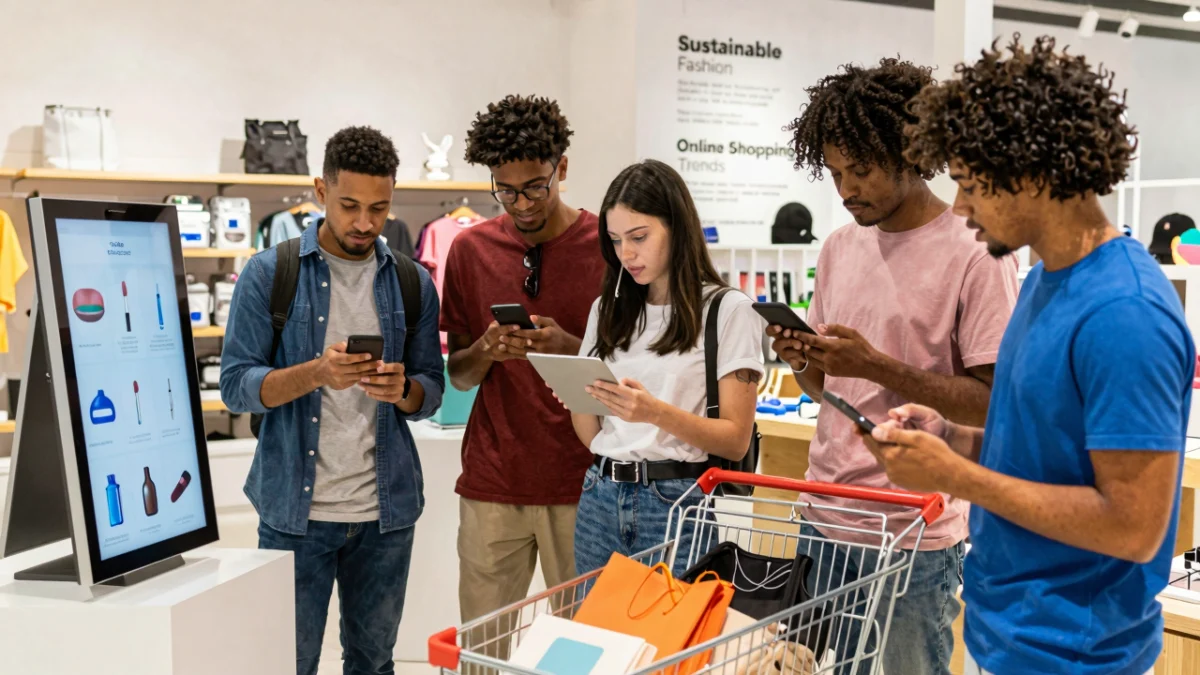
The retail landscape is undergoing a seismic shift, driven by a generation that views shopping not merely as a transaction, but as a digital extension of their personal identity. Generation Z—those born between the mid-1990s and early 2010s—now wields significant purchasing power, estimated in the hundreds of billions of dollars. For businesses, the mandate is clear: to remain relevant, brands must abandon traditional, static marketing in favor of a fluid, authentic, and hyper-personalized retail strategy.
This article explores the core pillars of the Gen Z shopping experience, examining how the intersection of AI, sustainability, and omnichannel connectivity is redefining success in the modern marketplace.

Main Facts: The New Rules of Engagement
The primary reality for contemporary retailers is that Gen Z is a "digital-native" demographic. With over 60% of these consumers discovering new brands exclusively through social media, the traditional "storefront-first" model is obsolete.
Key defining characteristics of this demographic include:

- Mobile Supremacy: Over 75% of digital commerce for this group occurs on smartphones.
- The Authenticity Requirement: Gen Z possesses a high-functioning "BS detector." They prioritize brands that display radical transparency, social responsibility, and genuine value alignment over slick, corporate advertising.
- The Experience Economy: Roughly 83% of Gen Z shoppers view the act of shopping as an experience rather than a necessity. Whether online or offline, the journey must be engaging, interactive, and seamless.
Chronology: From Passive Consumption to Active Participation
The evolution of Gen Z’s relationship with retail can be traced through three distinct stages of development over the last decade:
- The Rise of Social Discovery (2015–2019): Retailers began moving away from television and print, shifting budgets toward Instagram and influencer marketing. This era marked the birth of "social commerce," where the point of discovery and the point of sale began to blur.
- The Transparency & Values Shift (2020–2023): Prompted by global social movements and the climate crisis, Gen Z began demanding "radical transparency." Brands were no longer judged solely on product quality, but on supply chain ethics, labor practices, and carbon footprints.
- The AI and Omnichannel Era (2024–Present): Today, the expectation is hyper-personalization. Through AI, consumers expect brands to anticipate their needs, while physical retail has pivoted toward becoming a "community hub" that blends digital utility (AR try-ons) with physical social interaction.
Supporting Data: By the Numbers
To understand the urgency of these shifts, one must look at the quantitative evidence driving current retail strategies:

- Frequency of Engagement: Nearly 50% of Gen Z teens and 59% of young adults report shopping online at least once per week.
- The Sustainability Premium: Approximately 75% of this cohort indicates a willingness to pay a premium for verified sustainable products, provided the claims are backed by transparent data.
- The Loyalty Threshold: The cost of a "bad experience" is high. 57% of Gen Z consumers will permanently switch to a competitor after just one poor interaction, whether that involves a technical glitch on a website or a lack of brand values alignment.
- Social Commerce Influence: Influencer marketing has become the primary trust-building vehicle. Peer reviews and authentic user-generated content (UGC) significantly outperform traditional high-production-value advertising in conversion rates.
The Digital-First Mindset: Optimizing the Journey
A digital-first mindset is the baseline requirement. If a brand’s mobile interface is sluggish or its checkout process is fragmented, it effectively does not exist for the Gen Z consumer.
Seamless Transactions
Convenience is the ultimate currency. This generation favors digital wallets—such as Apple Pay and Google Pay—that reduce the friction of data entry. Furthermore, the "Buy Now, Pay Later" (BNPL) model, offered by services like Afterpay and Klarna, has become an industry standard, reflecting the demographic’s preference for flexible budgeting.

The Role of AI in Personalization
Artificial Intelligence is no longer a luxury; it is the engine of personalization. By analyzing browsing history and purchase patterns, AI-driven recommendation engines can curate a unique storefront for every user. When a shopper feels "understood" by the platform, the likelihood of a conversion increases exponentially.
Why Authenticity Counts: Beyond the Marketing Slogan
For Gen Z, authenticity is not a buzzword; it is the deciding factor in brand loyalty. This generation demands that companies "walk the talk."

Values Alignment and Diversity
Brands that remain silent on social issues or attempt to "greenwash" their sustainability efforts face immediate backlash. Success requires:
- Two-Way Conversations: Utilizing social media to engage in active, responsive dialogue with the community.
- User-Generated Content (UGC): Moving away from professional models and toward real customer testimonials. UGC serves as "social proof," which is inherently more trustworthy to younger buyers.
- Transparency Reports: Sharing the journey of a product—from raw material to the final package—builds a level of trust that traditional advertising cannot replicate.
Sustainability as a Standard
Sustainability has transitioned from a competitive advantage to a non-negotiable standard. Gen Z shoppers are increasingly aware of the environmental cost of "fast fashion" and excessive packaging.

- Eco-Conscious Operations: Implementing recyclable and compostable packaging is now expected.
- The Secondhand Market: The rise of circular economy platforms (resale) is a direct result of Gen Z’s influence. Brands that integrate trade-in programs or sell refurbished items are finding significant favor.
- Verified Sustainability: Because "greenwashing" is rampant, Gen Z looks for third-party certifications and verifiable data to support environmental claims.
Bridging Online and In-Store: The Omnichannel Experience
While Gen Z is digital-native, they have not abandoned physical stores. Instead, they demand that physical stores offer something the internet cannot: community and tangible interaction.
The Hybrid Storefront
Retailers are now utilizing "click-and-collect" models that allow for the immediacy of digital ordering with the convenience of local pickup. In-store, technologies like Augmented Reality (AR) try-ons are transforming the static experience into an interactive, gamified event.

Consistency is Key
The "omnichannel" experience fails when the online and offline worlds are disjointed. Whether a customer is using a mobile app, browsing an Instagram feed, or walking into a brick-and-mortar boutique, the pricing, brand voice, and loyalty programs must be perfectly synchronized.
Implications: Preparing for the Future
The implications for small and medium-sized businesses are profound. To survive and thrive, retailers must:

- Reimagine Retail Space: Shift the focus of physical stores from "inventory storage" to "community hubs" where customers can engage with the brand, attend workshops, or enjoy exclusive events.
- Invest in Data Ethics: While AI is necessary for personalization, it must be balanced with rigorous privacy standards. Gen Z is data-conscious; transparency regarding how their information is used is a prerequisite for long-term loyalty.
- Humanize the Brand: The future of retail lies in storytelling. Brands that share their failures, their growth, and their commitment to diversity will build the deep, emotional connections required to capture the attention of a distracted, high-demand generation.
Conclusion: The Road Ahead
Connecting with Gen Z is an exercise in agility. The trends that define their shopping habits today—AI, sustainability, social commerce, and omnichannel integration—are not passing fads. They are the new foundation of a global retail economy. By embracing authenticity, investing in seamless digital infrastructure, and prioritizing values-based business practices, brands can secure their place in the hearts and wallets of this highly influential demographic. The brands that win will be those that view Gen Z not as a target to be sold to, but as a community to be served.