








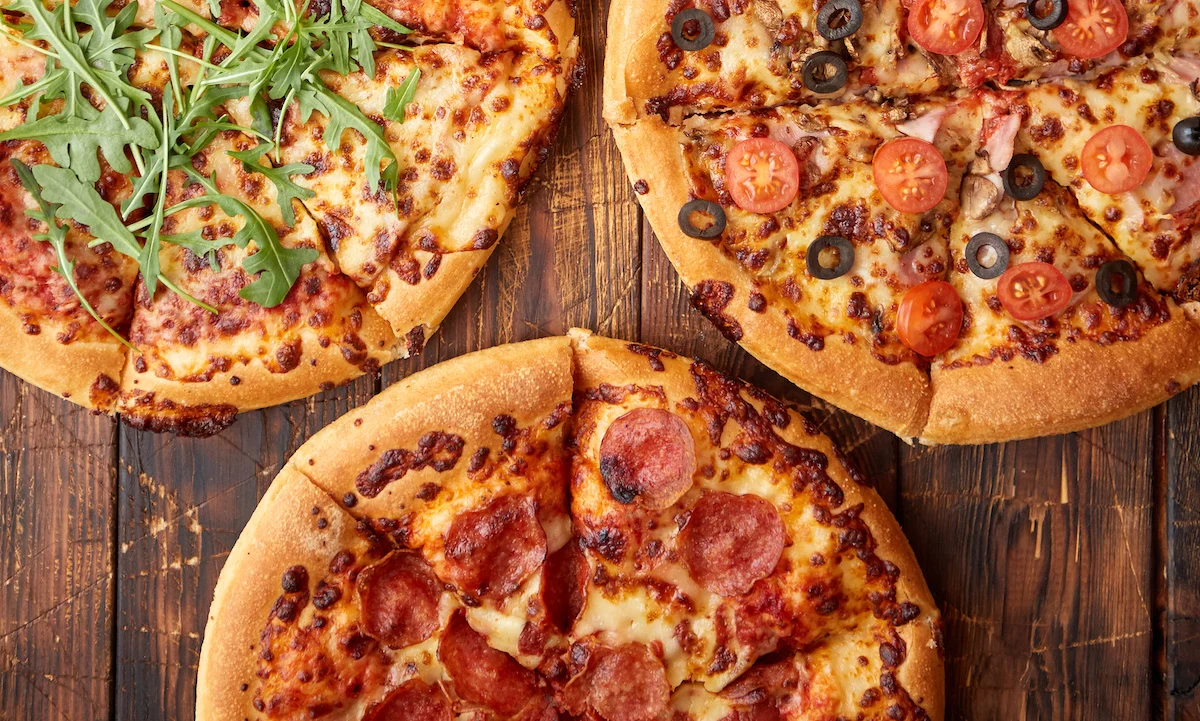
Pizza has officially entered its "It’s not you, it’s me" era. For decades, the hot, circular disc of dough, sauce, and cheese served as the undisputed bedrock of the American dining experience. It was the quintessential Friday night reward, the fuel for late-night study sessions, and the ultimate democratic meal—affordable, shareable, and universally beloved. Yet, in 2026, the relationship between the American consumer and the local pizzeria is showing signs of deep, systemic strain. We, the people, have begun treating mozzarella like a quarterly indulgence rather than a constitutional right. This shift marks a precarious moment for a $150-billion-plus industry that has long served as a bellwether for the American economy.
The State of the Slice: Main Facts and Market Realities
The diagnosis is as clear as it is troubling: the pizza industry is cooling. According to data from the Technomic Top 500 Chain Restaurant Report, quick-service pizza sales dipped 0.3% year-over-year in 2025. This contraction follows a period of stagnation, with sales growth of only 0.6% in 2024 and 2.8% in 2023.
To the casual observer, these percentages might seem marginal. However, in the context of the broader restaurant sector—which is projected to reach $1.55 trillion in 2026—this downturn is a glaring anomaly. While other segments of the hospitality industry are fighting to maintain momentum against inflation, pizza is actively losing ground. Among U.S. restaurant chains, pizza has tumbled to sixth place in popularity, a humiliating fall from its glory days in the 1990s when it consistently ranked as the second-most favored dining category.
A Chronology of the Crisis: From Expansion to Contraction
The trajectory of the American pizza industry over the last five years reads like a classic economic cautionary tale.
- 2021–2022: The "Pandemic Peak." During the COVID-19 era, pizza was the ultimate survivor. Delivery-native and contactless, the industry saw unprecedented demand as consumers were locked at home. High volumes masked the looming structural issues of rising ingredient and labor costs.
- 2023: The Inflection Point. As inflation began to bite, the cost of flour, cheese, and energy soared. In a strategic shift, Domino’s Pizza finally surrendered its long-held resistance to third-party delivery platforms, joining Uber Eats and Postmates. This move signaled that the industry was no longer competing on its own terms, but within the broader, more expensive ecosystem of app-based food search.
- 2024: The Growth Plateau. Sales growth slowed to a crawl (0.6%), as price hikes reached a point of consumer resistance. The average price of a large cheese pizza surged to nearly $17—a 22% increase over five years.
- 2025–2026: The Negative Turn. The sector officially entered negative growth territory. The combination of "menu fatigue" and the aggressive rise of fast-casual chicken chains has effectively siphoned off market share, leaving pizza to grapple with an identity crisis.
Supporting Data: Why the Dough Isn’t Rising
The profit margins in the pizza industry have tightened to a precarious 4.1%, trailing the restaurant sector average of 4.7%. The reasons for this erosion are manifold and well-documented by industry analysts at firms like MYTSV.COM and MMCG Invest.
The Cost-Push Inflation
The industry is currently being crushed by a three-pronged financial assault:
- Labor Costs: Wages for front-of-house and kitchen staff have risen by approximately 20% in the last few years, a necessary adjustment for workers but a massive overhead burden for small-to-mid-sized pizzerias.
- Rent and Overhead: Urban real estate prices have skyrocketed, forcing many independent shops to pass costs onto the consumer or shutter their doors.
- Supply Chain Volatility: The "Pizza Basket"—the essential commodities of cheese, flour, and tomatoes—has been subject to extreme price fluctuations, making it difficult for operators to maintain consistent pricing.
The Competition for "Share-of-Stomach"
Perhaps the most significant threat comes from outside the category. Chicken chains, offering a perceived higher protein value and healthier options, have aggressively targeted the same "convenience" demographic that once belonged to pizza. According to a January report from MMCG Invest, consumers are pivoting toward these alternatives, viewing them as a better value proposition in an inflationary environment.
Official Responses and Industry Outlook
The industry is not sitting idle. The response to this downturn has been bifurcated, with players choosing to either double down on luxury or race toward the "value" bottom.
At the high end, the "Artisan Renaissance" continues to flourish. Establishments like Una Pizza Napoletana in New York, Pizzeria Sei in Los Angeles, and Tony’s Pizza Napoletana in San Francisco are setting the gold standard for quality. These restaurants are not selling a $17 commodity; they are selling a cultural experience. Philadelphia’s Marina’s Pizza recently made waves with a $55 caviar slice, signaling that for a certain segment of the market, pizza is becoming an item of "conspicuous consumption."
Conversely, the national chains are engaged in a fierce value war. Pizza Hut’s $10 Big New Yorker promotion represents a direct attempt to win back price-sensitive families. Meanwhile, the freezer aisle—dominated by giants like Totino’s, DiGiorno, and Red Baron—has transformed into a legitimate competitor. With the convenience of Amazon Fresh and Walmart’s lightning-fast delivery, the "I forgot dinner" panic button is now being pressed at the supermarket, not the local pizzeria.
Implications: The Path to Redemption
Can pizza recover its former glory? The answer lies not in a discount code, but in a complete re-evaluation of the "pizza occasion."
The Regional Strength
One of the most heartening developments is the diversification of the "pizza map." The days of a simple New York vs. Chicago binary are over. Cities like Rochester, New York—recently crowned the top pizza city in the U.S. by Clever Real Estate—have demonstrated that passion, density, and local flavor can drive a thriving food culture. From Detroit squares and Buffalo "cup-and-char" to New Haven "apizza," the United States is currently enjoying its most diverse era of pizza craft.
Embracing the "Occasion" Economy
The salvation of the industry rests on making pizza feel like an event again. The data from Pizza Today shows that 84% of operators are leveraging online ordering, but technology should be the servant, not the master. To succeed in the coming years, pizzerias must lean into:
- Hyper-Locality: Building a community around unique, regional styles.
- The Ritual of Consumption: While delivery apps provide convenience, the physical pizzeria must remain a bastion of heat, smell, and human connection.
- Balanced Portfolios: Operators must offer both the $55 "luxury" experience and the $10 "Tuesday night" staple to capture every tier of the consumer base.
Final Thoughts
Pizza has survived pineapple discourse, the cauliflower crust craze, and the "stuffed crust as a survival strategy" epoch. It is a resilient, circular form of optimism. As the industry faces the cooling trends of 2026, it must remember that its strength has never been in being a mere commodity. Its strength lies in its ability to be social, regional, and—above all—a shared experience. Whether it is an artisanal pie topped with golden osetra or a humble, foldable slice eaten over a paper plate, pizza remains the most accessible luxury in the American diet. It is time for the industry to stop looking at the bottom line for a moment and focus on why we fell in love with it in the first place: it is, at its heart, a slice of joy, cut into triangles.