








In an era of economic volatility, credit health has transitioned from a mere financial metric to a fundamental pillar of personal security. This report examines the systemic approach to credit recovery, the legal protections afforded to consumers, and the data-driven habits required to restore financial standing after a setback.
The landscape of American personal finance is often defined by its fragility. For millions of consumers, the difference between a "prime" credit rating and "subprime" status can be a single unforeseen event: a medical emergency, a sudden layoff, or a protracted legal battle. However, financial experts and credit advocates emphasize that a credit score is a dynamic reflection of recent history, not a permanent character judgment. Rebuilding credit confidence is a multifaceted process that requires a combination of legal literacy, behavioral modification, and strategic patience.
Main Facts: The Current State of Credit Recovery
Credit restoration is governed by a complex interplay of federal law and private reporting practices. The core of any recovery effort rests on the understanding that the credit reporting system is prone to error and that consumers possess specific statutory rights to challenge those inaccuracies.
According to industry data, the primary drivers of credit deterioration are late payments and high credit utilization. However, a significant percentage of credit damage is "artificial"—caused by reporting errors, identity theft, or outdated information that should have legally been removed.
Lexington Law, a leader in the credit repair space, notes that the journey toward confidence begins with the realization that the system is navigable. The process is not about "gaming" the numbers but about ensuring that the credit profile accurately reflects the consumer’s current financial responsibility. Key facts regarding the recovery process include:
- The Right to Accuracy: Under the Fair Credit Reporting Act (FCRA), consumers have the legal right to an accurate, fair, and substantiated credit report.
- The Impact of Time: Most negative marks, including late payments and foreclosures, have a seven-year shelf life, but their mathematical impact on a score begins to diminish much sooner if replaced by positive data.
- The Power of Disputes: Challenging unverifiable or inaccurate items is a legitimate and essential component of maintaining a healthy credit profile.
Chronology: The Lifecycle of Credit Restoration
Rebuilding credit is not an overnight occurrence; it is a chronological progression that typically follows a specific trajectory of assessment, intervention, and stabilization.
Phase 1: The Assessment (Month 1)
The first 30 days of a recovery journey are dedicated to "financial discovery." This involves pulling comprehensive reports from the three major bureaus—Equifax, Experian, and TransUnion. This phase is characterized by a cold, clinical analysis of every line item to identify the "root causes" of a score drop.
Phase 2: The Challenge and Dispute Phase (Months 2–4)
Once errors are identified, the consumer (often with professional assistance) initiates the formal dispute process. Under federal law, credit bureaus generally have 30 to 45 days to investigate a dispute. This period is often the most frustrating for consumers, as it requires meticulous record-keeping and follow-up.

Phase 3: The Habituation Phase (Months 5–12)
As inaccurate items are corrected or removed, the focus shifts to "positive data infusion." This involves establishing a consistent track record of on-time payments and keeping revolving balances low. During this window, the "momentum effect" begins to take hold, where the score begins a steady upward climb.
Phase 4: Long-Term Maintenance (Year 2 and Beyond)
In the final stage, the consumer transitions from "rebuilding" to "protecting." This involves automated monitoring and the strategic use of credit to maintain a diverse mix of accounts (credit cards, installment loans, etc.) without overextending.
Supporting Data: The Mechanics of the Score
To understand why credit rebuilding is effective, one must look at the quantitative weights assigned by FICO, the most widely used scoring model.
The FICO Weighting System:
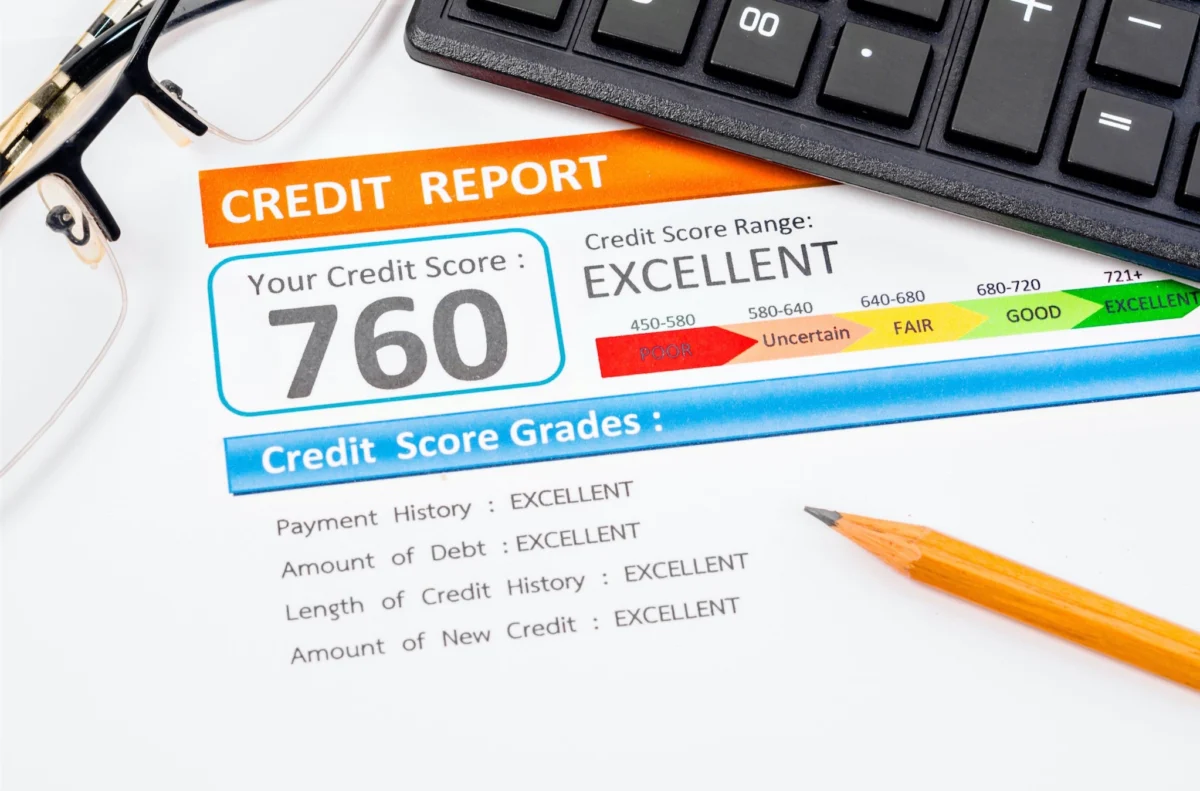
- Payment History (35%): This is the single most influential factor. Even one 30-day late payment can drop a high score by 60 to 100 points. Conversely, a 12-month streak of on-time payments is the fastest way to signal recovery.
- Amounts Owed (30%): Also known as credit utilization. Data shows that consumers with scores above 800 typically use less than 7% of their available credit. Lowering utilization from 90% to 30% can result in an immediate and significant score increase.
- Length of Credit History (15%): The age of the oldest account matters. This is why experts advise against closing old accounts, even if they are not in active use.
- Credit Mix (10%): A healthy profile shows a balance between revolving credit (cards) and installment loans (mortgages, auto loans).
- New Credit (10%): Frequent "hard inquiries" can signal financial distress to lenders.
The Prevalence of Errors:
A landmark study by the Federal Trade Commission (FTC) found that one in five consumers had an error on at least one of their three credit reports. More importantly, 5% of consumers had errors so serious that they were being overcharged for insurance or denied loans. These data points underscore the necessity of the "dispute" step in the rebuilding process.
Official Responses: The Regulatory and Legal Framework
The ability to rebuild credit is not a privilege granted by banks; it is a right protected by the federal government. Several regulatory bodies and pieces of legislation provide the "rules of engagement" for credit recovery.
The Fair Credit Reporting Act (FCRA)
The FCRA is the bedrock of consumer credit rights. It mandates that credit reporting agencies (CRAs) must follow "reasonable procedures to assure maximum possible accuracy." If an item cannot be verified by the original creditor upon dispute, the law requires its removal.
The Consumer Financial Protection Bureau (CFPB)
The CFPB serves as the watchdog for the credit industry. In recent years, the CFPB has taken aggressive action against bureaus that fail to investigate disputes properly. Their official stance is that a transparent credit system is vital for the health of the American economy.
The Credit Repair Organizations Act (CROA)
For those seeking professional help from firms like Lexington Law, the CROA provides protection. It ensures that credit repair companies cannot make false claims, must provide written contracts, and cannot charge for services until they have been fully performed. This regulatory oversight has helped professionalize the industry, moving it away from the "scams" of previous decades toward a legitimate legal service model.

Implications: The Social and Economic Impact of Recovery
The implications of rebuilding credit confidence extend far beyond the ability to secure a lower interest rate on a car loan. There is a profound "cascade effect" that influences multiple sectors of a person’s life.
Economic Mobility and Wealth Gap
Credit is a primary tool for wealth creation. Without access to affordable mortgages or small business loans, individuals are often trapped in a cycle of renting and high-interest debt. By rebuilding credit, consumers from disadvantaged backgrounds can bridge the wealth gap and secure appreciating assets.
Psychological Well-being
There is a documented link between credit health and mental health. Financial "shame" often prevents individuals from seeking help, leading to a downward spiral of debt and anxiety. The shift from "shame to strategy"—viewing credit as a system to be managed rather than a moral failure—has been shown to reduce stress and improve overall quality of life.
The Future of Credit Scoring
The industry is moving toward "Trended Data" and "Alternative Data" (such as utility and rent payments). This shift is an implication of the growing demand for a more holistic view of a consumer’s reliability. For those currently rebuilding, this means that every positive financial action—even those outside of traditional banking—may soon help bolster their credit confidence.
The Bottom Line
Rebuilding credit confidence is a testament to the fact that financial setbacks are temporary. By leveraging the legal protections of the FCRA, adhering to the quantitative requirements of the FICO model, and maintaining a disciplined chronological approach, consumers can rewrite their financial narratives.
As noted by the experts at Lexington Law, the process is about progress, not perfection. Whether through self-management or professional advocacy, the path back to financial stability is a journey of empowerment. In a society where a credit score serves as a financial passport, the effort to restore that passport is perhaps the most important investment a consumer can make.