









In the competitive landscape of premium credit cards, Chase has cemented its position with the launch of the Sapphire Reserve for Business. Positioning itself as an ultra-premium financial tool for entrepreneurs and small business owners, the card carries a substantial $795 annual fee. However, with a current welcome bonus valued at approximately $3,400, it has become a central point of discussion among frequent travelers and business credit card enthusiasts.
The decision to acquire this card rests on two distinct pillars: the immediate, high-value incentive of the welcome bonus and the long-term utility of its travel perks, reward structures, and business-focused credits.

Main Facts: Deconstructing the Premium Offering
The Sapphire Reserve for Business is not designed for the casual spender; it is engineered for the high-volume business owner who balances travel with significant marketing or advertising overhead.
Core Features at a Glance:
- Annual Fee: $795.
- Welcome Bonus: 200,000 Ultimate Rewards points after $30,000 in spend within the first six months.
- Travel Credits: A $300 annual travel credit that functions as a statement credit for a wide array of travel-related purchases.
- Lounge Access: Includes a Priority Pass Select membership and, crucially, access to the proprietary Chase Sapphire Lounge network.
- Earning Structure: 8x points on Chase Travel bookings; 4x points on direct airline and hotel purchases; 3x points on social media and search engine advertising; 1x on all other spending.
The card’s earning potential is particularly aggressive in the digital advertising sector, making it a "must-have" for businesses that scale through Meta, Google, or other search engine marketing platforms.
Chronology: The Evolution of the Sapphire Business Brand
The introduction of the Sapphire Reserve for Business follows years of speculation regarding whether Chase would extend its most popular personal brand to the business sector.
- The Pre-Launch Era: Historically, business owners relied on the Ink Business Preferred for their point-earning needs. While the Ink remains a stalwart at $95, it lacked the "premium" flair of the personal Sapphire Reserve.
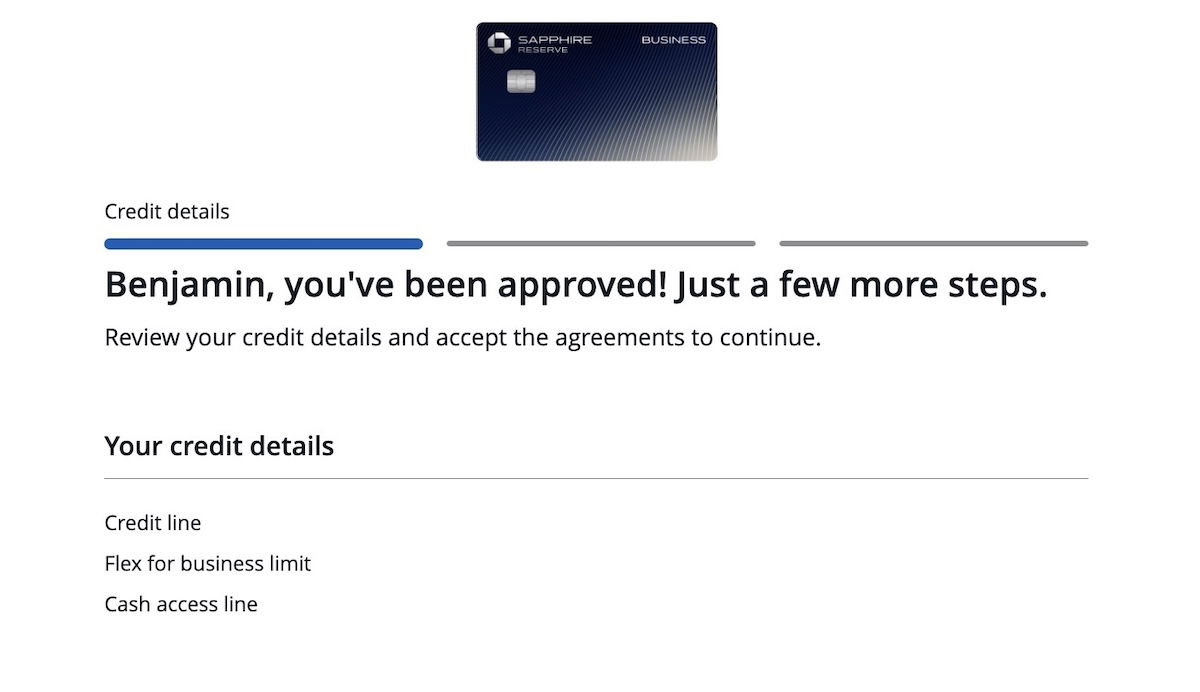
- The Launch Phase: Upon its release, the card debuted with a massive 200,000-point bonus. Early adopters, including industry experts, reported instant approvals, signaling that Chase was aggressive in its strategy to capture the business travel market.
- The Stabilization Period: Following the initial launch, the bonus fluctuated, dipping to 150,000 points. The current resurgence to the 200,000-point mark represents a "best-ever" offer, positioning the card as a market leader once again.
Supporting Data: Calculating the "Value Proposition"
To determine if the $795 fee is justifiable, one must look past the surface and engage with the math of the points ecosystem.

The Point Valuation
Based on conservative valuations, Ultimate Rewards points are worth 1.7 cents each when transferred to high-value partners like World of Hyatt or airline alliances. At 200,000 points, the welcome bonus represents a $3,400 value.
The Break-Even Analysis
The $795 annual fee is immediately mitigated by the $300 annual travel credit. This brings the effective cost down to $495. For a business owner who spends heavily on advertising, the 3x earning category acts as a rebate. If a business spends $50,000 annually on search engine advertising, that alone nets 150,000 points—worth over $2,500 in travel, effectively covering the cost of the card several times over.

The $120,000 Spend Milestone
For "whales"—business owners with very high spending—the card offers a secondary tier of benefits upon hitting $120,000 in annual expenditures. This includes additional credits and status upgrades, which, while unattainable for smaller enterprises, provide a significant ROI for those with heavy overhead.
Implications: Strategic Use of the Chase Ecosystem
The true power of the Sapphire Reserve for Business lies in its synergy with other Chase products.
Transfer Partner Advantage
One of the most significant implications of this card is the ability to unlock 1:1 transfers to World of Hyatt. While lower-tier cards have seen their transfer ratios devalued to 4:3, holding the Sapphire Reserve (personal or business) ensures the maximum value of your points remains intact.
The "Lounge-First" Strategy
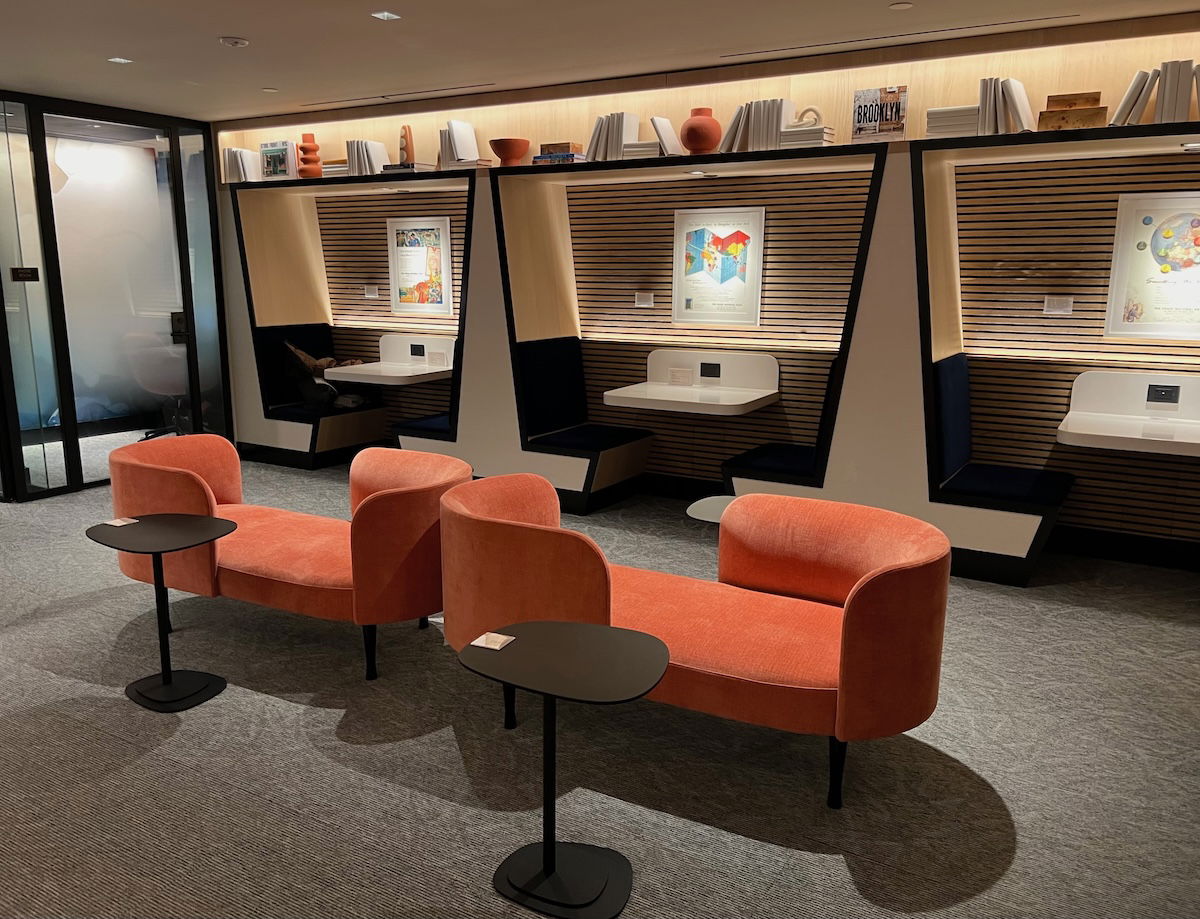
The inclusion of Chase Sapphire Lounges, specifically those in hubs like New York (LGA) and Boston (BOS), is a competitive differentiator. For business owners who travel frequently, the ability to work, dine, and relax in these lounges provides a tangible boost to productivity and quality of life that is difficult to quantify in dollars alone.

The 5/24 Rule and Eligibility
Chase remains strict regarding their internal "5/24 rule," which limits approvals based on how many credit cards an applicant has opened in the last 24 months. However, business cards generally do not count toward this limit. Therefore, the Sapphire Reserve for Business is often viewed as a "freebie" in terms of account velocity, allowing applicants to boost their points balance without hindering their ability to apply for future personal cards.
Professional Assessment: When to Apply
The decision-making process for this card should be segmented into two phases: the "Apply" phase and the "Keep" phase.
Why You Should Apply:
- The Bonus: A $3,400 bonus is rarely seen in the industry. If you have the $30,000 spend capacity, the ROI is mathematically superior to almost any other business card on the market.
- Points Consolidation: If you already hold other Chase cards, the ability to pool points into this account and access high-value transfer partners is a significant upgrade to your travel capabilities.
When You Should Think Twice:
- Low Spend: If your business does not have significant advertising, travel, or hotel expenditures, the 3x and 8x categories will go largely unused.
- Portal Aversion: A large portion of the card’s value is tied to the Chase Travel portal. If you prefer booking directly with hotels or airlines for status reasons, you may find the "8x points" incentive less compelling.
- The $795 Hurdle: If you cannot organically maximize the $300 travel credit, the out-of-pocket cost is simply too high to justify.
Conclusion: A Tool, Not a Trophy
The Chase Sapphire Reserve for Business is a sophisticated instrument. It is not designed for the hobbyist; it is designed for the operator. The 200,000-point bonus provides a massive head start, and for those who integrate the card into their business’s primary spending streams, the long-term benefits—namely lounge access and elite transfer ratios—create a compounding value that far exceeds the initial $795 annual fee.
For the savvy business owner, the strategy is straightforward: capitalize on the current welcome offer, utilize the first year to stress-test the card’s earning categories against your actual spending habits, and evaluate your retention based on the tangible rewards accrued. In a market where loyalty programs are constantly shifting, the stability and versatility of Chase’s Ultimate Rewards system remain a gold standard, and this card is currently the most potent way to access it.