








Introduction: Beyond the Romance of February
As the month of February traditionally turns the public’s attention toward romantic gestures and interpersonal relationships, a growing movement within the financial sector is urging consumers to look inward at their most enduring long-term relationship: their credit profile. Often neglected until a crisis arises, the relationship between a consumer and their credit score dictates the trajectory of their life’s major milestones—from homeownership and vehicle acquisition to employment opportunities and insurance premiums.
In a newly released comprehensive guide titled "Love Your Credit," financial advocates are highlighting 14 critical behaviors designed to repair, maintain, and flourish within the American credit system. This initiative comes at a time when consumer debt is reaching record highs, making the mastery of credit health not just a luxury, but a survival skill in a high-interest-rate environment.
Main Facts: The 14 Pillars of Credit Wellness
The "Love Your Credit" initiative identifies 14 actionable steps that bridge the gap between emotional well-being and fiscal responsibility. These pillars are categorized into three main themes: Audit and Accuracy, Behavioral Modification, and Interpersonal Transparency.
1. The Audit Phase: Honesty as a Policy
The first step in any healthy relationship is honesty. For credit, this means a rigorous review of credit reports from the three major bureaus—Equifax, Experian, and TransUnion. Experts suggest that a quarterly review is the minimum requirement to identify "unfair negative items" or outdated information that may be suppressing a score.
2. Strategic Budgeting and Timing
The concept of a "money date"—a 20-minute weekly or monthly check-in—is gaining traction among financial therapists. This practice involves reviewing checking and savings accounts, tracking investments, and ensuring that upcoming bills are aligned with cash flow.
3. The Mechanics of Scoring
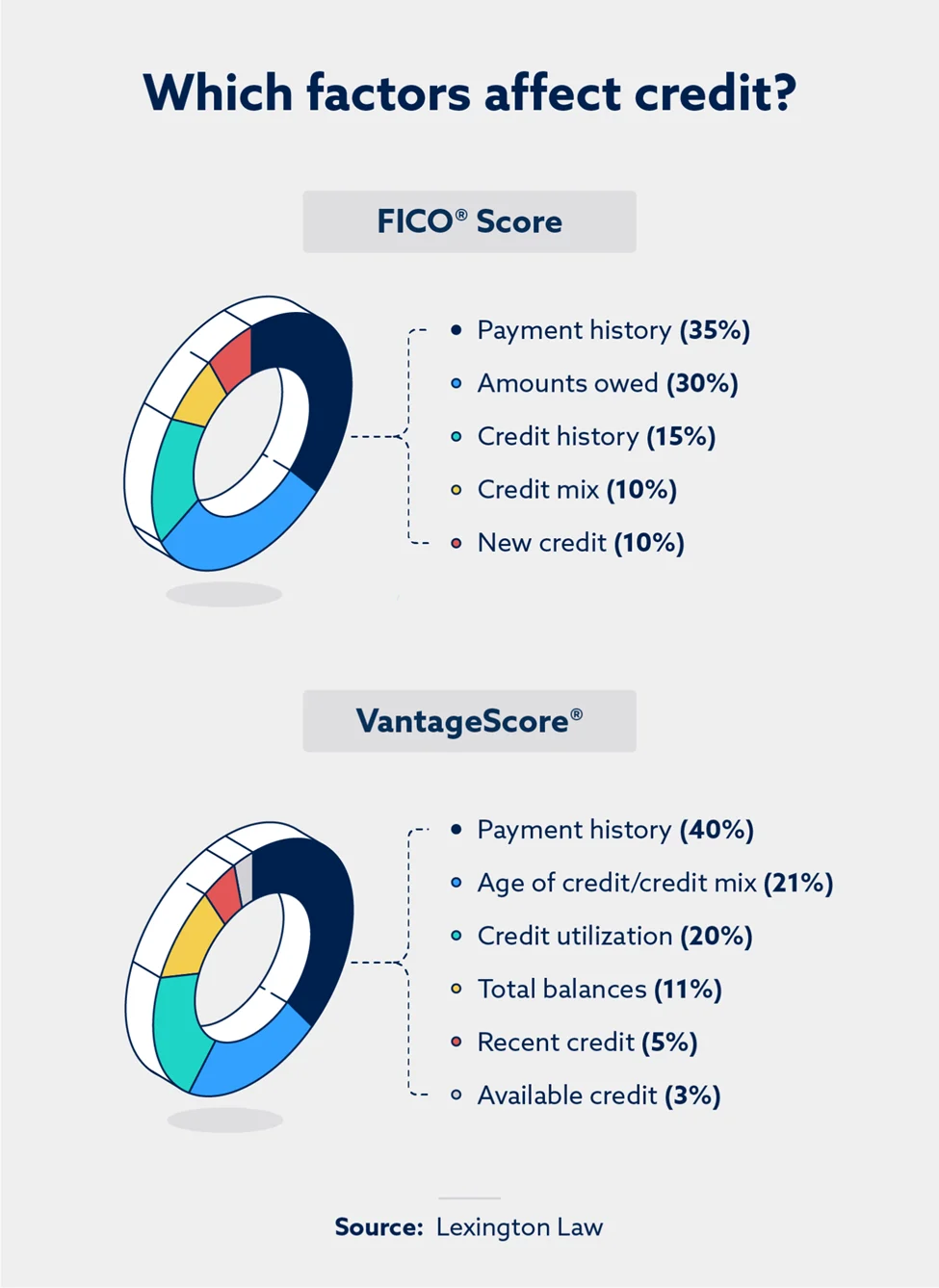
The guide emphasizes the technical drivers of credit scores:
- Payment History: Even a single 30-day delinquency can cause a score to plummet by 60 to 100 points.
- Credit Utilization: Maintaining balances well below limits is crucial. The industry standard suggests keeping utilization under 30%, though the "Love Your Credit" initiative advocates for even lower ratios to maximize score potential.
- Length of History: Older accounts provide a "stability anchor." Closing a zero-balance old card can inadvertently shorten the average age of accounts, harming the score.
4. Emotional and Behavioral Safeguards
Financial health is often tied to impulse control. The initiative suggests unsubscribing from marketing emails to reduce "one-click shopping" temptations and building a "micro-emergency fund" (starting with as little as $20 a month) to prevent the need for high-interest debt when emergencies arise.

Chronology: The Lifecycle of Credit Health
The journey of credit management is not a static event but a chronological progression that evolves with the consumer’s age and economic status.
- The Establishing Phase (Ages 18–25): This period is defined by the "Credit Mix." Young consumers are encouraged to use secured cards or credit-builder loans to establish a baseline of reliability.
- The Growth and Optimization Phase (Ages 26–45): During these years, the focus shifts to "Credit Utilization" and "Account Longevity." This is typically the period when individuals seek mortgages or business loans, making the precision of their credit score a high-stakes endeavor.
- The Preservation Phase (Ages 46+): In this stage, the priority becomes protecting the established score from identity theft and managing the complexities of combined credit (joint accounts) with partners or adult children.
The "Love Your Credit" initiative notes that at any point in this chronology, a "rebuilding phase" may become necessary due to economic downturns or personal hardships. The key is recognizing that credit health is a marathon, not a sprint.
Supporting Data: The High Cost of Poor Credit
The urgency of this advice is underscored by recent economic data. According to the Federal Reserve Bank of New York, total household debt rose to $17.5 trillion in the fourth quarter of 2023. Credit card balances, specifically, have seen a sharp uptick, surpassing $1.1 trillion.
The Impact of Interest Rates
Data shows that the gap between a "Fair" credit score (580–669) and a "Very Good" score (740–799) can translate into hundreds of thousands of dollars in interest over the life of a 30-year mortgage. For example, on a $400,000 loan, a consumer with a top-tier score might receive an interest rate 1.5% lower than someone with a fair score, resulting in a savings of approximately $100,000 in interest payments over three decades.
The Prevalence of Errors
A landmark study by the Federal Trade Commission (FTC) previously found that one in five consumers had an error on at least one of their three credit reports. More recent data from the Consumer Financial Protection Bureau (CFPB) indicates that credit reporting complaints make up the largest percentage of consumer grievances, highlighting the necessity of the "Audit Phase" mentioned in the 14-step guide.
Official Responses: Regulatory and Expert Perspectives
Regulatory bodies and financial experts have weighed in on the importance of consumer proactivity. The CFPB has consistently emphasized that consumers have the legal right to dispute inaccurate information under the Fair Credit Reporting Act (FCRA).
Expert Insight: The Role of Professional Help
Financial advisors note that while many consumers can manage their credit independently, the complexity of the law often requires professional intervention. "If your credit is struggling, you’re not alone," states a representative from the "Love Your Credit" campaign. "Mistakes, inaccuracies, or unfair negative items can hold you back, but you have rights and steps you can take to fight them."
The Interpersonal Aspect
Sociologists and financial planners are also focusing on "Financial Infidelity"—the act of hiding debt or spending from a partner. The "Love Your Credit" initiative addresses this directly, calling for "financial transparency" and cautioning against combining credit without a clear exit plan. "Joint accounts or cosigning is a serious commitment because it ties your credit to someone else’s behavior," the guide warns.

Implications: The Future of Consumer Autonomy
The implications of the "Love Your Credit" movement extend far beyond the individual. On a macroeconomic level, a population with healthier credit is more resilient to economic shocks. On a personal level, the psychological benefits of financial control cannot be overstated.
1. Employment and Housing
In many states, employers are permitted to check a modified version of a job applicant’s credit report. Similarly, in a competitive rental market, a high credit score is often the deciding factor between a successful application and a rejection. Improving credit is, therefore, a move toward greater social mobility.
2. Breaking the Cycle of Debt
By focusing on the "emergency fund" and "utilization" steps, consumers can break the cycle of "predatory borrowing." When individuals have a cushion and a high score, they can access lower-interest products, allowing them to pay off principal balances faster rather than being trapped in a loop of interest-only payments.
3. Mental Health and Relationships
Financial stress is consistently cited as a leading cause of divorce and anxiety. By reframing credit management as an act of "self-care" and "love," advocates hope to reduce the stigma and fear associated with debt. The shift from a "fear-based" approach to a "fairness-based" approach allows consumers to engage with their finances without the paralyzing effects of shame.
Conclusion: A Call to Action
As the financial landscape continues to shift with fluctuating inflation and evolving lending standards, the "Love Your Credit" initiative serves as a timely reminder that financial health is a prerequisite for a stable future. The 14 steps outlined—ranging from the technicality of credit mix to the emotional honesty of partner communication—provide a roadmap for anyone looking to secure their financial heart.
Ultimately, the healthiest relationships—whether with a person or a financial institution—are built on trust, transparency, and consistent effort. By giving credit the "love it deserves" today, consumers are essentially writing a love letter to their future selves, ensuring a life of fewer barriers and greater opportunities.