







In an era where corporate social media accounts are often sanitized, heavily curated, and stifled by legal departments, a breath of fresh air has emerged from an unlikely source: the aviation industry. British Airways (BA) and Norwegian Air Shuttle, two giants of the European skies, recently engaged in a high-stakes, lighthearted digital skirmish that serves as a masterclass in modern brand engagement.
Centered around the intense passion of the World Cup, the two airlines transformed a standard sporting event into a cross-border spectacle of camaraderie and competitive spirit. By betting their very identities—represented by their iconic logos—on the outcome of the England vs. Norway match, the airlines achieved a level of viral organic reach that most marketing agencies can only dream of.
The Main Facts: A Wager of Corporate Identity
The premise of the rivalry was deceptively simple yet creatively daring. As the World Cup bracket pitted England against Norway in a high-stakes quarterfinal, the social media teams of British Airways and Norwegian Air Shuttle identified an opportunity to break the corporate mold.
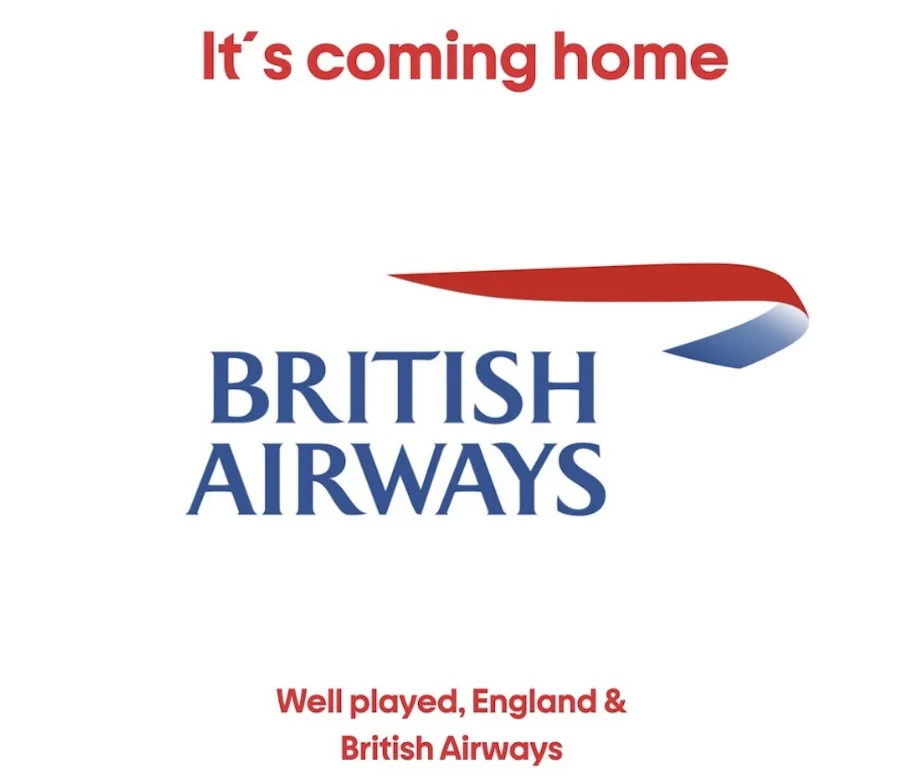
The terms of the engagement were transparent and non-negotiable: the airline supporting the losing national team would be required to overhaul its digital branding. Specifically, the loser would replace its own logo with that of the winner across its social media platforms for a duration of 24 hours. While many brands engage in "banter" on platforms like X (formerly Twitter) or Instagram, few go to the length of surrendering their primary brand identity to a direct competitor. This wager moved the needle from mere social media engagement to a full-scale exercise in brand humility and showmanship.
A Chronology of the Skirmish
The buildup to the match was characterized by a series of escalating digital gestures, showcasing the logistical commitment both companies invested in the stunt.
Phase One: The Handshake
The engagement began with a symbolic meeting. Recognizing that digital trust requires a physical foundation, a representative from Norwegian Air Shuttle traveled specifically to London. In a meeting that felt more like a diplomatic summit than a corporate meeting, the two parties shook hands and exchanged USB drives. These drives contained the high-resolution logo files of their respective opponents—a "loaded gun" of sorts, intended for immediate deployment following the final whistle.
Phase Two: The Escalation
As the match approached, the content output from both airlines increased in intensity. British Airways, playing to the "It’s Coming Home" cultural narrative, produced a video featuring a flight attendant delivering a note to a flight destined for Oslo. The message was succinct: "IT’S COMING HOME!"
Simultaneously, Norwegian Air Shuttle released behind-the-scenes footage of their representative’s trek to the British Airways headquarters. The production quality of these clips, combined with the genuine-seeming chemistry between the teams, kept their respective audiences engaged throughout the pre-match period.
Phase Three: The Defeat and the Pivot
Following England’s victory, the terms of the bet were triggered. True to their word, the team at Norwegian Air Shuttle initiated a complete brand takeover. For the next 24 hours, followers visiting the Norwegian Instagram page were greeted not by the familiar logo of the Nordic carrier, but by the regal red, white, and blue of British Airways. It was a rare moment of corporate honesty—a public acknowledgment of defeat that humanized the brand in the eyes of its consumers.
Supporting Data: The Power of "Norwenglish" Marketing
The success of this campaign cannot be measured solely in "likes" or "shares." It represents a strategic pivot toward what industry analysts call "human-centric" marketing.
Norwegian Air Shuttle, perhaps sensing that a loss was a distinct possibility, prepared a masterful follow-up. Capitalizing on the viral attention, the airline launched a flash sale on flights to what they cheekily dubbed "Norwenglish" destinations. By pivoting from a loss to a promotional opportunity, Norwegian turned a branding "humiliation" into a revenue-generating event.
The data suggests that this approach is highly effective for several reasons:
- Audience Retention: By creating a story arc, the airlines kept their followers checking back for updates, significantly increasing the algorithm-friendly dwell time on their profiles.
- Brand Loyalty: Fans of both teams felt a sense of respect for the losing party’s ability to honor a bet, which fosters a deeper emotional connection than traditional advertisements.
- Organic Reach: Because the stunt was inherently shareable and entertaining, it bypassed the need for significant paid media spend, relying instead on the "virality" of sports-adjacent content.
Official Responses and Corporate Culture
One of the most striking aspects of this rivalry was the absence of a "corporate chill." In the airline industry, where safety and reliability are paramount, companies are often risk-averse. Yet, the leadership at both British Airways and Norwegian Air Shuttle seemingly empowered their social media teams to act with autonomy.
The official commentary from both airlines during the event remained consistent: they focused on the sport, the rivalry, and the spirit of the game. Even when the logo swap was in full effect, the messaging remained playful rather than derogatory. This suggests a shift in the corporate landscape where "relatability" is prioritized as highly as professionalism. When asked about the stunt, industry experts pointed out that this level of public cooperation between rivals—even in jest—can improve brand sentiment across the board, as it positions the airlines as modern, digital-native, and fun-loving entities.
Implications: The Future of Airline Marketing
The BA-Norwegian World Cup bet is more than a one-off viral moment; it is a signal of the changing tides in the aviation marketing sector.
1. The Death of the "Corporate Robot"
Consumers are increasingly tuning out traditional, polished advertising. They gravitate toward content that feels authentic, raw, and unscripted. The willingness to admit defeat—and to wear the opponent’s colors—is the ultimate form of digital authenticity.
2. Cross-Border Collaboration as a Strategy
This event proved that even bitter competitors can collaborate to create a "rising tide lifts all boats" scenario. By participating in a shared narrative, both airlines saw their reach expand far beyond their core customer bases.
3. The Risk/Reward Calculus
While some might argue that allowing a competitor’s logo to dominate one’s social media presence carries brand risk, the outcome proved otherwise. The "risk" of looking silly was mitigated by the "reward" of high engagement and the perception of being a good sport. Future campaigns will likely look to replicate this "bet-based" marketing, provided they can identify similar cultural touchpoints that capture the public imagination.
Conclusion
The World Cup rivalry between British Airways and Norwegian Air Shuttle was a breath of fresh air in an industry often defined by operational complexities and bureaucratic hurdles. By opting for a wager that valued human connection and competitive spirit over corporate vanity, both airlines succeeded in turning a sports outcome into a successful marketing case study.
As the 24-hour window closed and Norwegian restored its original branding, the takeaway remained clear: the brands that win in the modern digital age are not necessarily the ones with the largest budgets or the most polished press releases. Rather, they are the ones brave enough to engage in the conversation, hold their hand out for a handshake, and honor their bets—even when it means wearing the competition’s jersey. Whether this heralds a new era of "frenemy" marketing remains to be seen, but for those watching on social media, it was a rare and welcome moment of genuine, lighthearted, and highly effective corporate theater.