







The retail landscape is undergoing a profound transformation. As economic headwinds, technological advancements, and shifting psychological needs converge, the traditional "transactional" model of shopping is being replaced by an experience-driven, value-conscious, and hyper-personalized ecosystem. For business owners and retail strategists, understanding these evolving consumer behaviors is no longer just an advantage—it is a prerequisite for survival.
Current market data indicates that 71% of shoppers now actively prioritize locally sourced products, while the surge in "affordable indulgences" suggests a consumer base eager to balance financial prudence with emotional well-being. From the rise of the "kidult" nostalgia market to the integration of AI-driven shopping assistants, the path to success lies in agility, sensory engagement, and trust-building.

The Chronology of Change: How We Got Here
The evolution of modern shopping habits can be traced through several distinct phases over the last few years, accelerating significantly in mid-2026.
- Early 2024: The Value Pivot: As global inflation reached a fever pitch, consumers began abandoning brand loyalty in favor of price-to-quality ratios. This "brand agnosticism" became the new normal, with 72% of consumers admitting they are now willing to experiment with new or lesser-known brands.
- Late 2024 to 2025: The Sensory Awakening: Recognizing that online shopping often felt sterile, retailers began emphasizing multi-sensory experiences. The understanding that one-third of brand memory is linked to scent led to a massive uptick in atmospheric retail design.
- 2026: The AI and Localism Integration: We have now entered a phase where high-tech efficiency (AI assistants) and high-touch localism (supporting community brands) coexist. Shoppers are using AI to find the best deals, while simultaneously choosing to spend their money within their immediate geographic radius to combat rising import costs.
Supporting Data: By the Numbers
The data underpinning these shifts is substantial, revealing a complex web of motivations:

- The "Affordable Indulgence" Rise: Spending on small luxuries, particularly in skincare and self-care, has seen a marked increase, with average per-consumer spending in these categories rising from £291 to £324.
- The Male Grooming Surge: The beauty industry has successfully tapped into a new demographic; currently, one-quarter of men now include consistent skincare in their daily routines.
- The Power of Localism: Beyond the 71% preference for local goods, 68% of shoppers are now actively seeking out local stores as a primary point of purchase. Notably, one in eight consumers is willing to pay a "local premium" for goods they know have been sourced or manufactured within their home country.
- The AI Adoption Curve: Over 37% of consumers report that they now prefer AI-tailored recommendations, and a similar percentage of the population utilized AI tools for product discovery within the last 12 months.
- The Discretionary Cutback: With 79% of consumers actively reducing non-essential spending, every purchase is being vetted with unprecedented scrutiny.
The Pillars of Modern Retail Strategy
To thrive in this environment, businesses must adopt a multifaceted approach that addresses the "whole consumer."
1. The Rise of Affordable Indulgences
In an era of economic pressure, consumers are not stopping their spending; they are rightsizing it. The "affordable indulgence" trend allows customers to experience a sense of reward without the guilt of significant capital expenditure. By positioning products as "wellness-enhancing," brands can capture the attention of those looking to alleviate stress through small, tactile purchases.

2. Nostalgia: The "Kidult" Economy
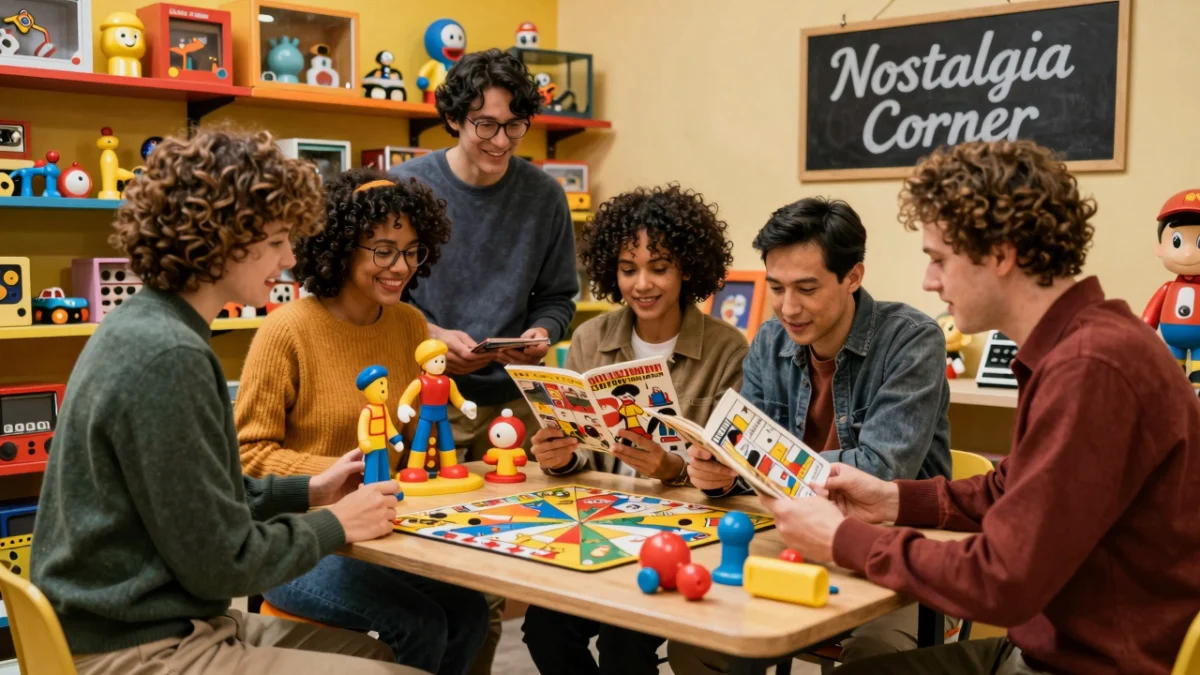
"Nostalgia shopping" is more than a fleeting aesthetic; it is a psychological coping mechanism. Adults are increasingly investing in toys, collectibles, and vintage-themed novelty items. By tapping into the joy of childhood, brands can create an emotional anchor that drives repeat purchases. Independent retailers are particularly well-positioned to capitalize on this, as they often carry the unique, niche items that resonate with this demographic.
3. Creating the "Cozy Retreat" at Home
The home has evolved into a sanctuary, leading to a boom in the home goods sector. Sensory comfort—defined by textures, lighting, and scent—is the primary driver here. Businesses should focus on selling "atmospheres" rather than just objects. For example, marketing a set of candles alongside a specific playlist or a soft-texture guide can elevate a simple product into a comprehensive home-wellbeing solution.

4. AI-Driven Personalization and Discovery
The integration of AI into the retail journey has streamlined the decision-making process. However, trust remains the primary barrier. While 37% of consumers enjoy personalized AI suggestions, a significant portion of the population remains wary of "black box" algorithms. Transparency is the antidote; brands that explain why an AI has recommended a product are seeing higher conversion rates than those that offer suggestions without context.
5. Multi-Sensory Retail Experiences
For physical storefronts, the goal is to convert transactions into experiences. Seasonal fragrance rotations, curated acoustic environments, and tactile product displays are essential. When a customer spends more time in a store due to a pleasant environment, the probability of an impulse purchase—or an "affordable indulgence"—increases exponentially.

Implications for Businesses and Consumers
The implications of these shifts are significant for both sides of the checkout counter.
For Business Owners:
The "one-size-fits-all" strategy is dead. You must pivot toward:

- Transparency: Clearly communicate product origins to satisfy the growing demand for localism.
- Agility: Use AI tools not just to sell, but to listen. Track which categories are seeing shifts in brand loyalty and adjust your inventory accordingly.
- Community Integration: Align your brand with local community initiatives. As import costs remain volatile, the stability of a localized supply chain will become a competitive advantage.
For Consumers:
The current market rewards the "proactive shopper." To navigate this environment effectively:
- Leverage Technology: Use price-tracking apps and AI assistants to compare options, but remain critical of algorithmic bias.
- Mindful Consumption: With 79% of people cutting back, focus on the "cost-per-use" of items. Prioritize products that offer emotional value (like those sparking nostalgia) or functional wellness (like skincare) over impulsive, low-quality acquisitions.
- Support Provenance: Understand where your money is going. By choosing local goods, you aren’t just buying a product; you are stabilizing the local economy, which in turn helps keep your community’s cost of living in check.
Conclusion: The Path Forward
The retail market of 2026 is defined by a desire for both security and joy. Consumers want the efficiency of AI and the global reach of the internet, but they also crave the warmth of a local, sensory-rich experience.

Brands that successfully bridge the gap between "high-tech convenience" and "high-touch humanity" will be the ones that foster long-term loyalty. Whether you are a business owner adjusting your strategy or a consumer looking to stretch your budget, the key is the same: stay informed, prioritize value, and do not underestimate the power of an emotional connection. The future of retail is not just about what we buy, but how the act of buying makes us feel about our homes, our communities, and our own well-being.