








The global aviation landscape is in a state of perpetual motion, characterized by aggressive fleet expansion, strategic geopolitical alliances, and the ongoing pursuit of ultra-long-haul connectivity. As travel demand remains robust, legacy carriers and emerging airlines alike are jockeying for position. This week, the industry witnessed a flurry of activity ranging from long-term capacity planning to the solidification of high-profile trans-Pacific partnerships.
Whether it is Delta Air Lines recalibrating its summer 2027 strategy or Biman Bangladesh Airlines making a massive bet on Boeing’s future, the headlines of the past seven days provide a window into the complex machinery of international travel. Below, we provide a comprehensive analysis of the week’s most significant aviation developments.
1. Main Facts: The Week’s Headline Movements
This week’s aviation narrative was dominated by four primary developments that underscore the divergent strategies of global airlines:
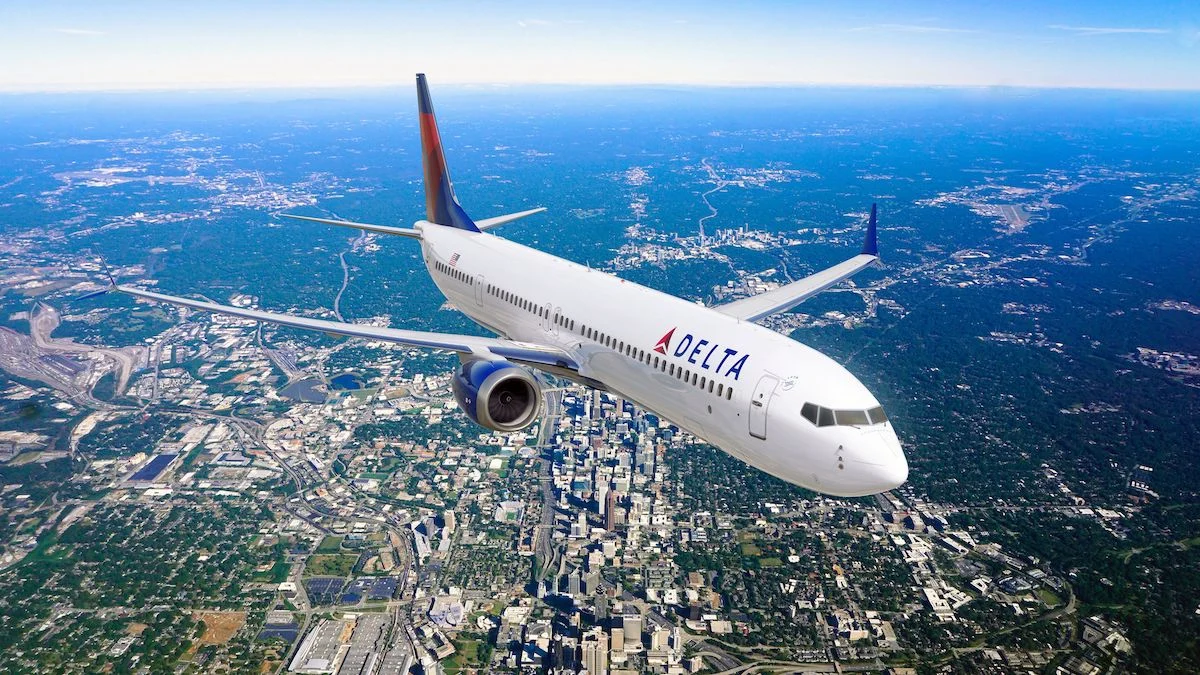
- Delta’s 2027 Summer Outlook: Delta Air Lines released its preliminary summer 2027 capacity plans, which, while expansive in scope, have been met with a lukewarm reception from industry analysts for their lack of transformative route innovation.
- Biman Bangladesh’s Strategic Growth: In a major show of confidence in Boeing, Biman Bangladesh Airlines significantly increased its aircraft order, signaling an intent to modernize its fleet and expand its reach beyond its traditional regional hubs.
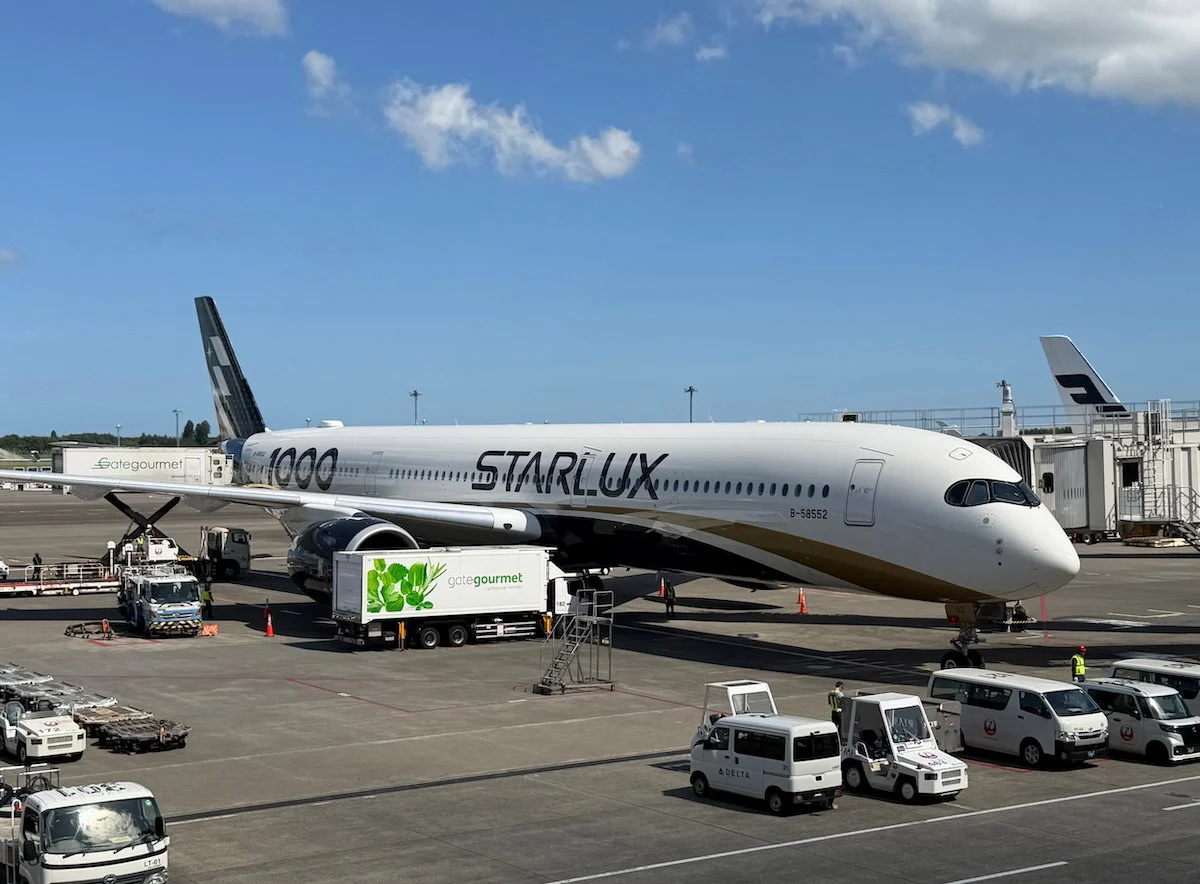
- The American-Starlux Alliance: American Airlines and Starlux Airlines officially launched a codeshare agreement, a move designed to siphon high-yield traffic between North America and the lucrative East Asian market.
- Qantas’s New York Ambition: The "Flying Kangaroo" has finally unveiled a concrete timeline for its ultra-long-haul nonstop service between Australia and New York, a flight that will test the limits of current aviation technology and passenger endurance.
2. Chronology of Events
The industry’s momentum this week followed a structured cadence of announcements, reflecting the coordinated nature of modern corporate aviation strategy.
- Monday: Delta Air Lines initiated the week by unveiling its 2027 summer schedule. Market reaction was immediate, with critics noting that the expansion leans heavily on existing core hubs rather than exploring new frontier markets.
- Tuesday: The focus shifted to South Asia as Biman Bangladesh confirmed the expansion of its Boeing order, a decision that follows months of negotiations regarding fleet efficiency and carbon emission mandates.
- Wednesday: American Airlines and Starlux Airlines made the joint announcement of their codeshare agreement. This partnership is strategically timed to coincide with Starlux’s rapid fleet delivery schedule, positioning the carrier as a premium competitor in the Taipei-North America corridor.
- Thursday: Qantas closed the week’s major news cycle by providing a definitive timeline for its "Project Sunrise" nonstop New York service. The announcement marks the culmination of years of logistical planning and regulatory hurdles regarding ultra-long-range flight crew scheduling.
3. Supporting Data and Fleet Analysis
The Biman Bangladesh/Boeing Nexus
Biman Bangladesh’s decision to increase its Boeing order is a critical indicator of the carrier’s long-term growth strategy. By diversifying its fleet with newer, more fuel-efficient Boeing airframes, Biman is aiming to reduce its operational overhead by approximately 15% per flight hour. This move is essential for the airline to remain competitive against Middle Eastern carriers that have historically dominated the transit traffic from Dhaka to Europe and North America.
Delta’s Capacity Metrics
While Delta’s 2027 expansion is technically large, the "unexciting" label stems from the data showing that the vast majority of capacity is being diverted to existing Atlantic and Pacific hubs. Industry analysts point out that Delta’s current strategy prioritizes "defensive expansion"—securing market share in existing strongholds—rather than "offensive expansion," which would involve opening new secondary hubs.
The American-Starlux Synergy
The American-Starlux codeshare is supported by recent load factor data. Starlux, known for its premium cabin offerings, has seen its trans-Pacific load factors exceed 82% in the last quarter. By partnering with American, Starlux gains immediate access to American’s vast domestic U.S. network, while American effectively mitigates the risk of launching its own direct flights into a highly competitive, Starlux-dominated market.
4. Official Responses and Industry Stakeholders
The responses to these announcements have been nuanced, reflecting the tension between corporate profitability and operational reality.
Delta Air Lines’ Perspective:
A spokesperson for Delta noted that the 2027 schedule is designed for "operational stability and yield management." The airline is choosing to optimize its most profitable routes rather than chasing speculative growth in secondary cities. This is a direct response to the volatility in fuel prices and the ongoing staffing challenges that have plagued the sector since 2022.
Starlux and American’s Outlook:
Executives from both airlines emphasized the "complementary nature" of their networks. Starlux CEO Glenn Chai stated that the alliance would allow for a "seamless experience" for passengers traveling between the two networks. American Airlines’ leadership echoed this, noting that their focus remains on expanding their reach in the Pacific without the heavy capital expenditure of purchasing new wide-body aircraft for the region.
Qantas and the "Sunrise" Challenge:
Qantas CEO Vanessa Hudson emphasized that the New York-Sydney route is not just a commercial flight but a technological milestone. "We are pushing the boundaries of what is possible," Hudson noted. The official response suggests that while the timeline is set, the carrier is still refining the onboard product to ensure that the 20-hour flight remains a premium experience, rather than a physical endurance test.
5. Implications: What This Means for the Global Traveler
The implications of these developments for the average traveler are significant, if not immediately transformative.
Increased Competition and Pricing
The American-Starlux partnership is likely to introduce downward pressure on airfares between the U.S. West Coast and Taipei. As these airlines align their pricing structures and loyalty program benefits, frequent flyers stand to gain through increased redemption options and expanded lounge access.
Ultra-Long-Haul Normalization
Qantas’s upcoming New York service signals a turning point in how we perceive distance. If the service proves profitable, it will likely trigger a ripple effect, encouraging other carriers—such as Singapore Airlines or Qatar Airways—to pursue even longer direct routes. The psychological barrier of the 20-hour flight is effectively being dismantled.
The Stagnation of Legacy Hubs
For the Delta traveler, the lack of "exciting" route announcements in the 2027 plan suggests a period of relative consistency. While this provides comfort for business travelers who rely on established schedules, it may leave leisure travelers looking for new, direct experiences wanting more. The industry is clearly shifting toward a model of efficiency over adventure.
Fleet Modernization and Sustainability
Biman Bangladesh’s commitment to Boeing underscores the industry’s broader push toward fleet modernization. Newer aircraft are quieter, cleaner, and more comfortable. As airlines retire older, gas-guzzling models, the average passenger can expect a gradual improvement in cabin air quality, noise reduction, and entertainment technology.
Conclusion: Looking Ahead
As the industry moves through the remainder of the decade, the focus remains firmly on efficiency and strategic consolidation. The rapid pace of this week’s announcements highlights an industry that is no longer in the recovery phase, but in a period of calculated advancement.
For the aviation enthusiast, the next few years promise a steady diet of network optimizations and technological breakthroughs. While Delta’s 2027 plans may feel iterative, the overarching trends—exemplified by Qantas’s long-haul ambition and the strategic alliances being forged by American and Starlux—show that the global network is becoming more connected, albeit through more refined and predictable channels.
As I prepare for my upcoming travels through Europe and Africa, these industry shifts will undoubtedly be at the forefront of my mind. The world is shrinking, one flight at a time, and the airlines are doing their best to ensure that the journey is as efficient as the destination. Stay tuned for further updates as we continue to track these developments and provide deeper insights into the ever-evolving world of aviation.