






In a landmark case that has sent shockwaves through the cybersecurity industry, 26-year-old Canadian national Connor Riley Moucka has pleaded guilty to a sprawling conspiracy of computer fraud and extortion. Once identified as one of the most consequential cyber-threat actors of 2024, Moucka’s criminal campaign targeted more than 165 major organizations that relied on the cloud data platform Snowflake.
The guilty plea marks the culmination of an international investigation into a high-stakes digital extortion ring that did not merely steal data—it weaponized the private lives of over 100 million AT&T customers and held corporate giants hostage through aggressive ransom demands. From a software engineer in Ontario to a digital shadow operating under aliases like “Judische” and “Waifu,” Moucka’s descent into cybercrime represents a chilling evolution in how modern hackers exploit the vulnerabilities of cloud-based infrastructure.
The Anatomy of the Breach: Chronology of a Digital Siege
The campaign orchestrated by Moucka and his co-conspirators unfolded between February and October 2024. The group’s methodology was simple yet devastatingly effective: they exploited a systemic lack of multi-factor authentication (MFA) across Snowflake customer accounts.
February 2024: The Initial Incursions
The group began systematically harvesting stolen credentials to gain unauthorized access to cloud-hosted data. By bypassing insufficient security protocols, they breached the internal environments of at least 165 companies. High-profile victims included household names such as TicketMaster, LendingTree, Advance Auto Parts, and Neiman Marcus.
The Mid-Year Escalation
By the summer of 2024, the operation had shifted from passive data theft to active, high-pressure extortion. The conspirators threatened to publish terabytes of sensitive information—ranging from Social Security numbers and banking details to DEA registration numbers and passport data—unless their ransom demands were met. During this period, the Department of Justice (DOJ) alleges that the group successfully extorted over $2.5 million in payments from their victims.
October 2024: The Net Closes
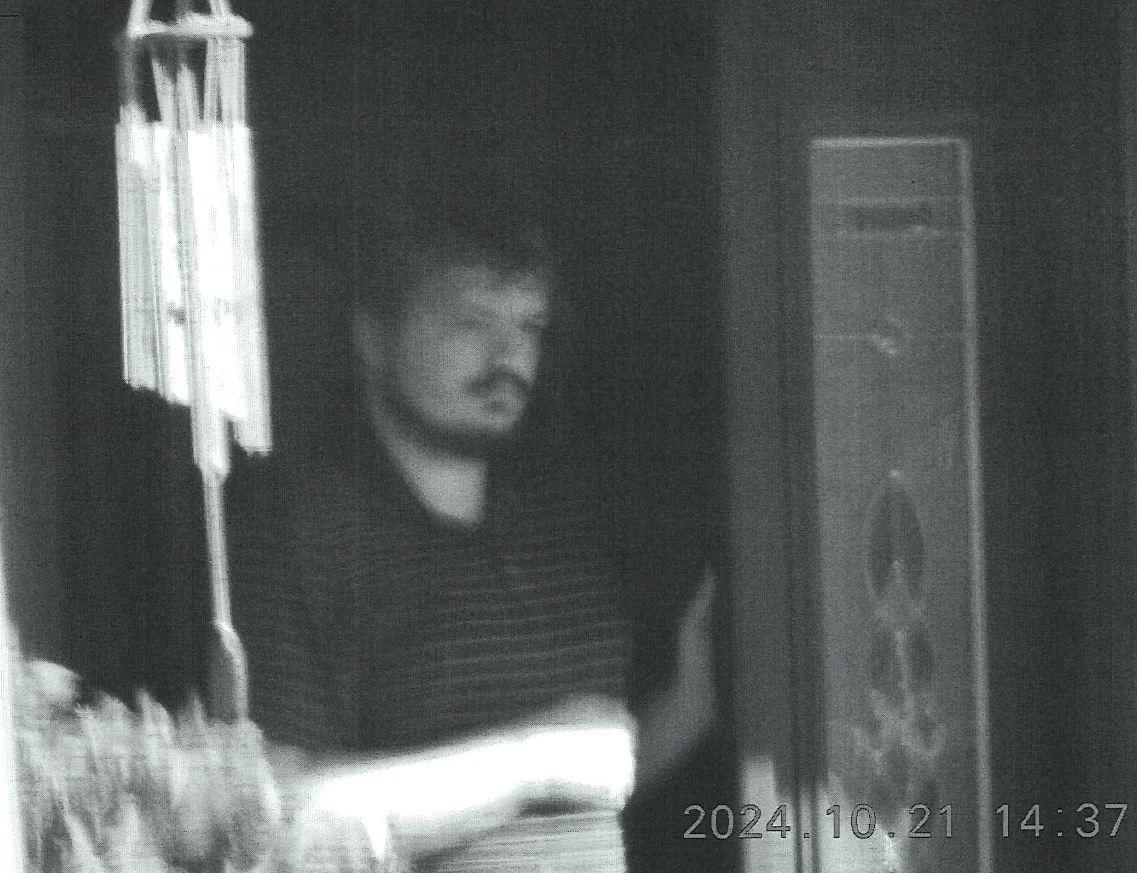
Following a series of investigative breakthroughs, including reporting that linked the identity of “Judische” to an Ontario-based software engineer, the Royal Canadian Mounted Police (RCMP) arrested Moucka on a provisional warrant issued by the United States. The arrest occurred just nine days after the final surveillance photos were captured, signaling the end of his digital reign.

The Co-Conspirators: A Network of Global Shadows
Moucka did not operate in a vacuum. His criminal enterprise was bolstered by two other significant figures whose involvement highlights the transnational and often unpredictable nature of modern cybercrime.
Cameron “Kiberphant0m” Wagenius
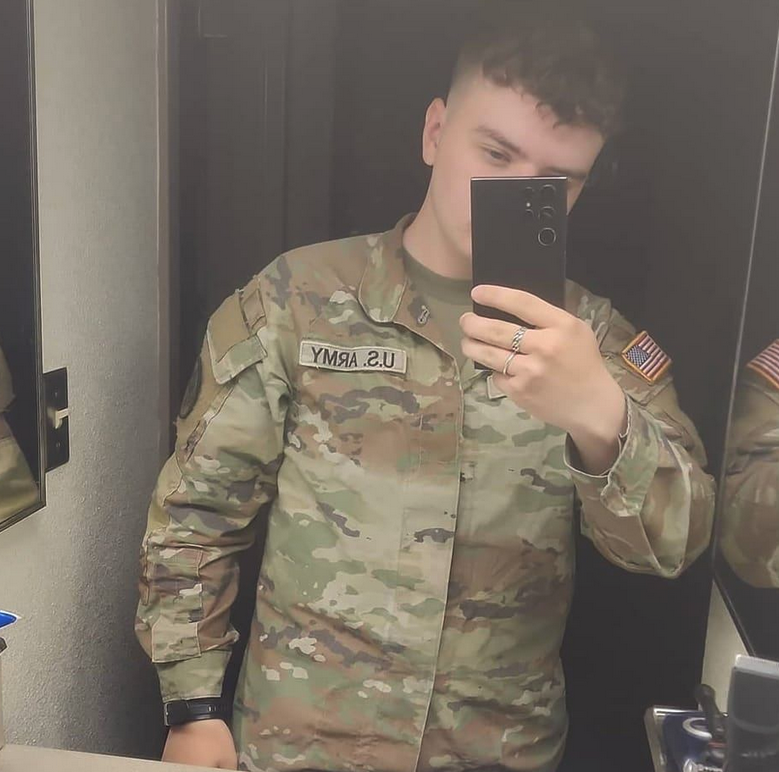
Perhaps the most startling revelation of the investigation was the role of Cameron Wagenius, a U.S. Army soldier. Operating under the alias “Kiberphant0m,” Wagenius allegedly specialized in the extortion of telecommunications giants. His activities were so brazen that, following Moucka’s arrest, he reportedly attempted to dump what he claimed were the call logs of then-President-elect Donald Trump and Vice President Kamala Harris, alongside sensitive schematics allegedly stolen from the National Security Agency (NSA). Wagenius pleaded guilty in July 2025 and is currently awaiting a September 2026 sentencing.
John Erin Binns: The Elusive Fugitive
The third player in this digital drama is John Erin Binns, an American fugitive already infamous for his alleged role in the 2021 T-Mobile data breach. Known online as “IRDev” and “IntelSecrets,” Binns has reportedly navigated the international legal system with alarming ease. Sources close to the investigation suggest that Binns, who was previously incarcerated in a Turkish prison, has since secured Turkish citizenship. Under Turkish law, this citizenship may provide him with a degree of immunity from extradition to the United States, leaving him as a free, albeit isolated, figure on the global stage.
Supporting Data: The Scale of the Damage
The sheer volume of data compromised by this group is staggering. Beyond the corporate entities, the breach of AT&T’s systems alone impacted more than 100 million customers. The types of data stolen represent a “who’s who” of identity theft fuel:
- Financial & Payroll Records: Banking information and internal payroll data used for secondary fraud.
- Government-Issued IDs: Driver’s licenses, passports, and Social Security numbers.
- Professional Registrations: DEA numbers, which are critical for the illicit pharmaceutical trade.
- Telecommunications Metadata: Non-content call and text history, which provides a map of an individual’s social and professional life.
The DOJ noted that the group frequently engaged in “re-extortion”—a cruel tactic where hackers, after receiving an initial ransom payment, return to the victim to demand further payment under the threat of releasing the remaining stolen files. In one particularly egregious instance, Moucka allegedly used the stolen data of a government officer and the officer’s family to apply pressure.
Official Responses and Security Implications
The fallout from these events has triggered a major shift in cloud security standards. Snowflake, while not the source of the breach in terms of its core architecture, responded by enforcing stricter password complexity requirements and mandating multi-factor authentication for all users.
The DOJ’s Stance
The U.S. Justice Department has taken a hardline approach, framing these arrests as a necessary strike against the "dark nexus" where English-speaking cybercriminals and extremist harassment groups intersect. The prosecution of Moucka, who faces a potential maximum of 30 years in prison for his four criminal counts, serves as a warning to other threat actors that digital anonymity is not permanent.
The Role of Investigative Journalism
The investigation was significantly aided by the work of independent researchers and outlets like KrebsOnSecurity. These entities were the first to identify the link between the “Judische” persona and the real-world individual in Ontario. The harassment of these researchers by the conspirators during the investigation underscores the dangerous nature of tracking such high-level threats; the hackers clearly understood the value of the information they held and were willing to intimidate those who attempted to expose them.
Implications for the Future of Cloud Security
The Moucka-Wagenius-Binns case serves as a masterclass in the vulnerabilities of modern enterprise. The primary takeaway is that even the most robust cloud platforms are only as secure as the weakest credential used to access them.
- The MFA Imperative: The success of this syndicate relied almost entirely on the lack of MFA. Organizations that fail to enforce multi-factor authentication are effectively leaving their digital doors unlocked.
- The Insider Threat: The involvement of a U.S. Army soldier illustrates that cybercrime is not limited to overseas hackers operating in silos. It can involve individuals with access to sensitive government environments, further complicating threat mitigation.
- Jurisdictional Complexity: The case of John Erin Binns highlights the increasing difficulty of prosecuting cybercriminals who can exploit national laws—such as Turkish citizenship—to shield themselves from extradition.
- The Psychology of Extortion: This case proves that modern cybercrime is rarely just about financial gain. The inclusion of re-extortion tactics and the targeting of government officials’ families demonstrate a psychological component intended to induce terror, moving the crime from simple fraud into the realm of organized malice.
As Connor Riley Moucka awaits his October 27 sentencing, the legal community and the private sector are left to grapple with the aftermath. The “Snowflake” breaches will likely be studied for years as a turning point in how companies protect their data and how governments track the digital ghosts that inhabit our global networks. While justice is being served for the victims of this specific syndicate, the case serves as a stark reminder that in an increasingly connected world, the next major threat is likely already active, waiting for the next unprotected account to exploit.