








As the travel industry continues its post-pandemic evolution, the past seven days have proven to be a whirlwind of corporate maneuvers, technological milestones, and sobering security incidents. From the fleet modernization efforts of legacy carriers to the shifting landscape of travel loyalty programs, the ecosystem is currently undergoing a period of intense volatility. This briefing serves as a comprehensive recap of the most significant developments in the aviation and travel sectors.
Main Facts: The Week in Review
The aviation sector faced a multifaceted week characterized by both progress and peril. On the technological front, KLM Royal Dutch Airlines achieved a significant milestone by taking delivery of its first Airbus A350-900, signaling a pivot toward more fuel-efficient, long-haul operations. Simultaneously, the loyalty program landscape saw a significant blow to consumers as Bilt Rewards announced a reduction in its transfer ratio to World of Hyatt—a move that has sent ripples of concern through the travel hacking community.
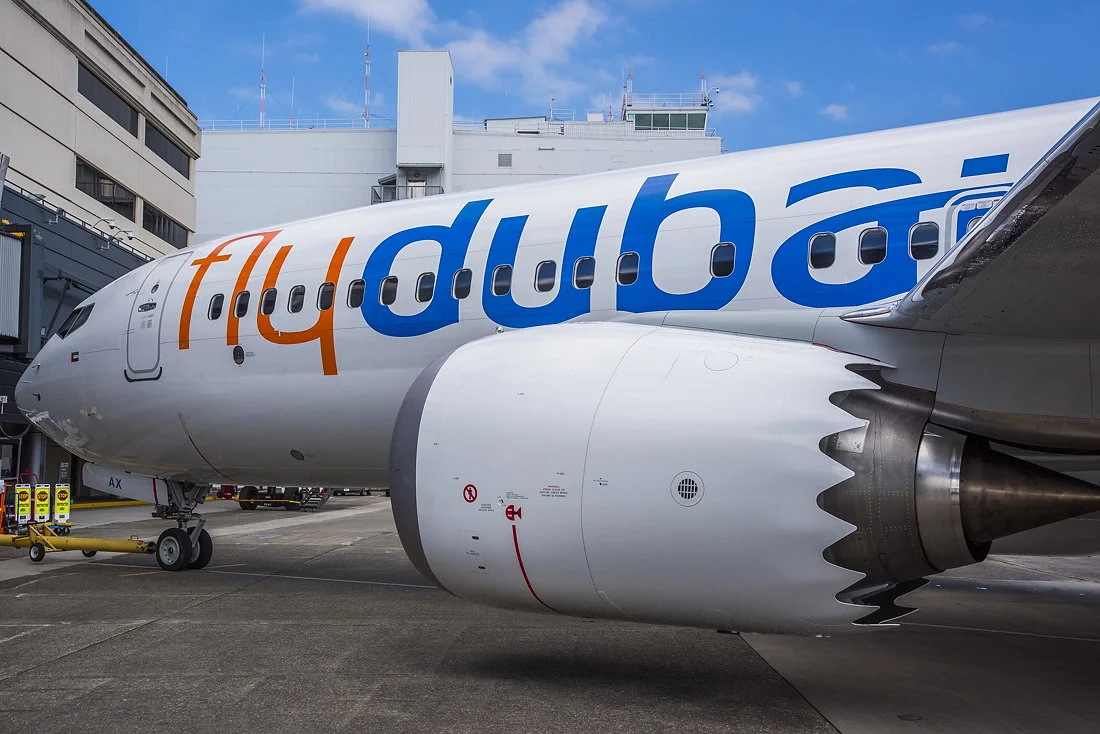
On the corporate and geopolitical front, the industry grappled with an alleged pilot terror plot involving flydubai, which has raised immediate questions regarding international aviation security protocols. Meanwhile, Alaska Airlines and Atmos Rewards flooded the market with a series of strategic announcements, and Delta Air Lines found itself embroiled in a public relations firestorm following reports of CEO Ed Bastian’s remarks concerning Elon Musk.
Chronology of Events
Early Week: Security Concerns and Fleet Modernization
The week began under a dark cloud as reports emerged concerning a potential security threat involving a flydubai flight. The incident, which allegedly involved a pilot, prompted immediate scrutiny from international aviation safety boards and law enforcement agencies. While the situation remains under active investigation, it has cast a spotlight on the rigorous vetting processes required for commercial flight crews.
Mid-week, KLM celebrated a long-awaited delivery. The airline officially received its first Airbus A350-900, marking a new chapter for the Dutch flag carrier. The A350 is widely regarded as the gold standard for long-haul efficiency, offering a significant reduction in fuel burn and CO2 emissions compared to older wide-body aircraft.
Mid-Week: Loyalty Shifts and Corporate Controversy
By Wednesday, the conversation shifted toward consumer finance. Bilt Rewards, a prominent player in the rent-payment-to-points ecosystem, announced a devaluation of its transfer partnership with World of Hyatt. Previously lauded for its 1:1 transfer ratio, the adjustment marks a significant tightening of the program’s value proposition, leaving many travelers to re-evaluate their points strategy.
Simultaneously, Delta Air Lines CEO Ed Bastian found himself in the crosshairs of social media discourse. Reports surfaced alleging that Bastian made disparaging comments regarding Elon Musk during a private or semi-private setting. The fallout was immediate, sparking debates about the intersection of corporate leadership, political expression, and brand reputation in the age of viral social media.
Late Week: Strategic Realignment
The latter half of the week was dominated by a flurry of announcements from Alaska Airlines and the Atmos Rewards program. These updates, ranging from new route expansions to changes in loyalty benefit structures, indicate a robust attempt by these companies to capture market share before the upcoming holiday travel season.
Supporting Data: The Impact of Industry Changes
The A350 Advantage
The introduction of the A350 into the KLM fleet is not merely a branding exercise. According to Airbus data, the A350-900 offers a 25% reduction in fuel burn and CO2 emissions compared to previous-generation aircraft. For an airline like KLM, which operates a massive transatlantic network, this transition is essential for meeting European Union sustainability targets and reducing operating costs amidst fluctuating jet fuel prices.
The Bilt/Hyatt Devaluation
The Bilt-to-Hyatt transfer ratio shift is a calculated move by Bilt to manage its liquidity. With the World of Hyatt program frequently cited as the most valuable hotel loyalty currency, the 1:1 transfer ratio was an anomaly in the credit card industry. Data analysts suggest that this change was likely driven by the rising cost of acquisition for travel rewards and a strategic decision to align Bilt’s valuation more closely with other bank-issued travel currencies.
Official Responses and Corporate Stances
KLM’s Strategic Vision
In a statement accompanying the delivery of the A350, KLM executives emphasized the necessity of fleet renewal. "The A350 is the cornerstone of our long-term strategy," stated a company spokesperson. "It allows us to maintain our competitiveness on long-haul routes while adhering to our stringent sustainability commitments."
The Delta/Bastian Controversy
Delta Air Lines has remained relatively tight-lipped regarding the alleged comments made by CEO Ed Bastian. While the company has not issued a formal retraction, insiders suggest that Delta is working to minimize the distraction, focusing instead on its strong operational performance and record-breaking passenger numbers in the third quarter. The incident highlights the precarious position of modern CEOs who must navigate a highly polarized public sphere.
Security Protocols at flydubai
Regarding the pilot terror plot, flydubai issued a brief statement noting that they are "fully cooperating with the relevant authorities." The airline stressed that safety is their "paramount concern" and that they maintain the highest standards of crew background checks, though they declined to provide specifics regarding the individual under investigation.
Implications for the Future of Travel
The events of this week point to several broader trends that will define the travel industry in the coming months.
1. The Consolidation of Loyalty Value
The Bilt devaluation is a bellwether for the broader travel rewards industry. As high-value transfer partners become harder to access, consumers will likely shift their loyalty toward programs that offer more stable, albeit less "aspirational," redemption rates. We are entering an era where "earning and burning" points will require more sophisticated data analysis than ever before.
2. Heightened Security Oversight
The flydubai incident, regardless of its ultimate legal outcome, will likely lead to calls for standardized international pilot vetting. As global travel volume returns to pre-pandemic levels, the vulnerability of the cockpit remains the aviation industry’s most critical security concern. Expect to see new regulatory frameworks emerging from the ICAO (International Civil Aviation Organization) in response to these types of threats.
3. Sustainability as a Competitive Moat
KLM’s A350 investment demonstrates that environmental efficiency is no longer just a marketing pillar—it is a core business strategy. Airlines that fail to modernize their fleets will face escalating carbon taxes and higher fuel costs, eventually rendering them uncompetitive against modernized carriers like KLM, Air France, and Singapore Airlines.
4. CEO Accountability and Brand Perception
The Delta controversy serves as a stark reminder that in the modern corporate landscape, personal political opinions are inextricably linked to brand value. As companies become more integrated with the personal identities of their leaders, the pressure to maintain a neutral or universally appealing public stance will only increase.
Conclusion
As I look ahead to my own upcoming travels, this week’s news serves as a potent reminder of the complexity behind the scenes of our favorite journeys. From the technical brilliance of a new Airbus jet to the sobering realities of international security and corporate governance, the aviation industry remains a dynamic, often unpredictable, arena.
I will continue to track these stories, particularly the long-term impact of loyalty program changes and the shifting strategies of major carriers. Stay tuned for my upcoming reviews and the conclusion of my Japan travel report, where I will offer a deeper look at the passenger experience in a world that is constantly changing. Safe travels to all.