
For savvy consumers in the United States, the most efficient path to luxury travel—whether that means flying in international first-class cabins or securing complimentary stays at world-class resorts—is not through decades of incremental spending. Instead, it lies in the strategic pursuit of credit card welcome bonuses.

The credit card industry is a highly competitive ecosystem where banks, airlines, and hotel groups vie for your loyalty. To capture that business, these institutions offer substantial, one-time bonuses to new cardholders. When leveraged correctly, these "welcome offers" can transform a modest travel budget into a premium experience that would otherwise be financially out of reach for the average traveler.

The Mechanics of Reward Maximization
To understand why credit card welcome bonuses are the gold standard for travel hackers, one must first look at the math. A typical rewards card might earn you one or two points per dollar spent. Accumulating enough points for a $5,000 international business-class ticket via daily spending alone could take years. However, a single welcome bonus—often ranging from 75,000 to 300,000 points—can provide that same ticket in a single transaction.

The industry operates on a model of incentivized acquisition. Banks provide these massive point windfalls to attract high-value customers. For the consumer, the goal is simple: identify cards that offer the highest value, meet the "minimum spend" requirement responsibly, and redeem those points for outsized value in travel.
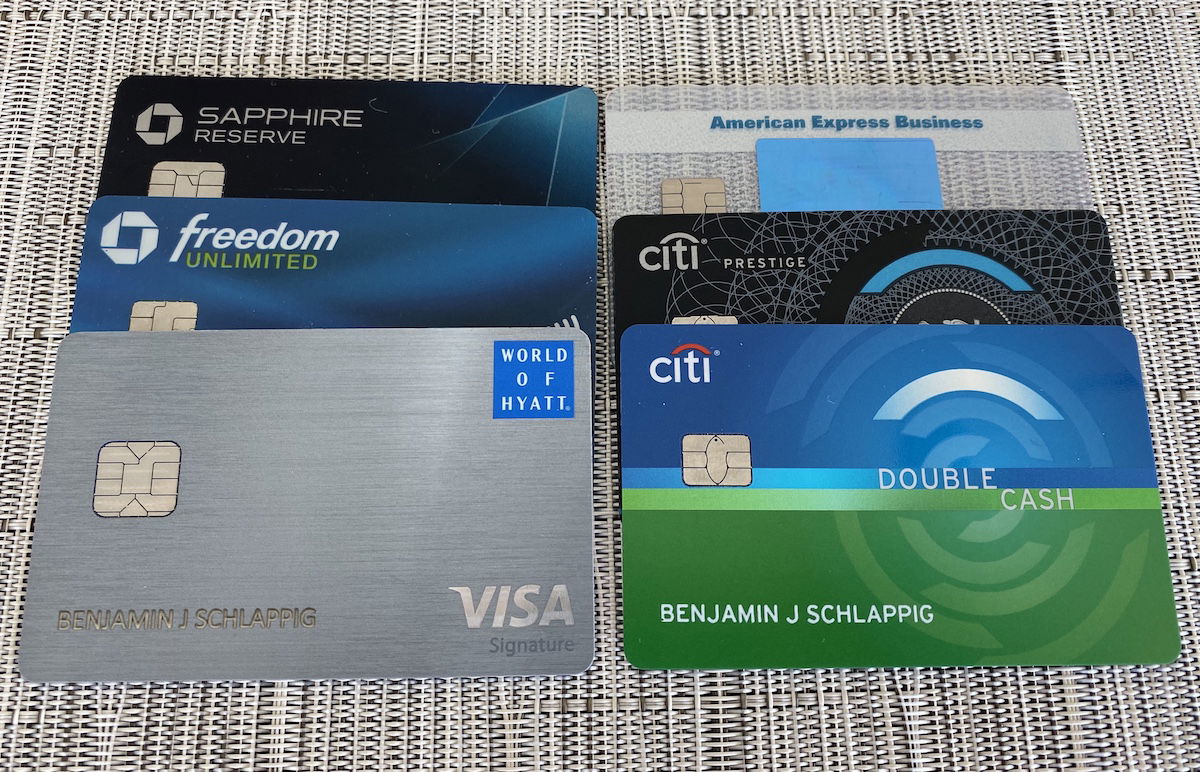
Why You Should Care
Most travelers settle for economy seating because they believe premium travel is an exclusive club. By strategically selecting cards that add value to your wallet—such as those offering lounge access, elite status, or flexible transfer partners—you can bridge the gap between "standard" travel and "luxury" travel.

Before diving into the list of top performers, keep three core principles in mind:

- Financial Responsibility: Never carry a balance. Interest charges quickly negate the value of any travel reward.
- Spending Capacity: Only pursue bonuses with minimum spending requirements that you can meet through organic, budgeted expenses.
- Application Rules: Banks like Chase, American Express, and Capital One have specific internal policies regarding how often you can open cards and receive bonuses.
Top-Tier Business Cards for High-Volume Earners
Business credit cards are frequently the most lucrative segment of the market. Because business expenses are often higher than personal ones, banks are willing to provide larger bonuses to capture this demographic. You do not necessarily need a formal corporation to qualify; many sole proprietorships and freelance activities are eligible for business credit products.

1. The Business Platinum Card® from American Express
Currently standing as a behemoth in the market, this card offers as many as 300,000 Membership Rewards points for qualifying applicants. With a high minimum spend, it is designed for established businesses. Its value lies in the flexibility of Amex’s transfer partners, which allow for seamless bookings across dozens of global airlines.

2. Chase Sapphire Reserve® for Business
Chase Ultimate Rewards remain one of the most flexible currencies in the world. A 200,000-point bonus provides significant leverage, especially when used to book travel through the Chase portal or transferred to high-value partners like Hyatt or Singapore Airlines.

3. Capital One Venture X Business
Capital One has disrupted the market with this product, offering 150,000 miles for meeting a $30,000 spend requirement. Its simplicity—miles can be used to cover travel purchases or transferred to partners—makes it a favorite for business owners who prefer a streamlined redemption process.

The Best Personal Cards for Travel Enthusiasts
For the average consumer, personal cards remain the bread and butter of the rewards hobby. These cards balance annual fees with tangible perks, such as airport lounge memberships, travel credits, and annual free night certificates.

1. Chase Sapphire Reserve®
Often considered the "gold standard" for frequent travelers, the current 100,000-point offer is significant. It includes a $300 annual travel credit and provides access to the Priority Pass lounge network, making it a powerful tool for those who spend heavily on dining and travel.

2. American Express Platinum Card®
With offers reaching 175,000 Membership Rewards points, this card is less about "earning" on daily spend and more about "experiencing." The lounge access (including the exclusive Centurion Lounges) and hotel elite status benefits often justify the annual fee for frequent flyers.

3. Capital One Venture Rewards Card
This card is perfect for those who want a "no-hassle" approach. By combining a 75,000-mile bonus with a $300 travel credit, it provides immediate, tangible value that can be applied to any travel expense, from Airbnb stays to budget airline tickets.

Specialized Cards: Hotels and Airlines
Beyond general-purpose cards, co-branded credit cards provide deep value for those loyal to specific chains or carriers.

Hotel Cards: Unlocking Luxury Stays
Hotel cards often provide "free night awards," which are essentially certificates for a complimentary stay at properties that would otherwise cost $500–$1,000 per night.

- Hilton Honors American Express Aspire Card: With a 200,000-point bonus and an annual free night award, this card is essential for luxury travelers.
- World of Hyatt Business Credit Card: Hyatt points are widely considered the most valuable hotel currency, making this 70,000-point bonus highly sought after.
Airline Cards: Priority and Status
Airline cards are less about point accumulation and more about the "ecosystem" of travel.

- Delta SkyMiles® Reserve Business American Express: This card offers 200,000 SkyMiles, perfect for those looking to offset the cost of international premium-cabin travel.
- Citi® / AAdvantage® Executive World Legend Mastercard®: This is the definitive card for American Airlines loyalists, providing Admirals Club access and a massive boost of 125,000 AAdvantage miles.
Addressing the Myths of Credit Impacts
A common misconception is that applying for multiple credit cards will destroy one’s credit score. In reality, the impact of a "hard inquiry" is typically minor and temporary.

The Chronology of Credit Health:

- Immediate Impact: When you apply, a hard inquiry is noted on your report, which may drop your score by a few points.
- Short-Term Adjustment: The new account lowers the average age of your credit history.
- Long-Term Benefit: By increasing your total credit limit and decreasing your credit utilization ratio (the percentage of your credit you use), your score often rises significantly after the initial dip.
If you are a responsible consumer who pays your statement balance in full every month, the "travel rewards" game is a net positive for your financial profile.

Strategic Implications and Final Considerations
Before embarking on an application spree, consider the following:

- Bank Policies: Chase’s "5/24" rule (which limits approval if you have opened five or more personal cards in the last 24 months) is a critical hurdle for many. Always prioritize Chase cards early in your journey.
- The "One-Year" Rule: It is common practice to keep a card for one year to earn the bonus and then evaluate if the annual fee is worth paying for a second year. If not, you may choose to cancel or "downgrade" to a no-annual-fee version of the card to keep your account history open.
- The Importance of Planning: Do not apply for a card simply because the bonus is high. Apply for cards that align with your travel goals. If you want to fly to Japan, focus on cards that transfer points to ANA or JAL. If you prefer domestic beach trips, focus on hotel cards like Hilton or Marriott.
The Bottom Line
The landscape of credit card bonuses is a dynamic one. Banks adjust their offers monthly to compete for market share. By staying informed, managing your credit responsibly, and being deliberate with your spending, you can unlock a world of travel that was previously reserved for the ultra-wealthy.

The investment of time—researching the best offers and managing your applications—is the price of admission. For those who take the time to learn the rules, the return on investment is measured in memories, luxury, and the freedom to explore the globe.