In the modern financial landscape, your credit score acts as a digital fingerprint. It is a three-digit number that dictates your eligibility for a mortgage, your ability to secure a car loan, and even the premiums you pay for auto insurance. Yet, despite its profound impact on daily life, the mechanism behind building a credit score remains a mystery to many. Whether you are a recent graduate, an immigrant establishing a financial footprint, or an individual recovering from a past fiscal setback, understanding the timeline and mechanics of credit health is the first step toward financial freedom.
The Foundation: Understanding the "Six-Month Rule"
Building a credit score from scratch is not an overnight process. For those who have lived a "cash-only" lifestyle or are entering the workforce for the first time, the credit bureaus—Equifax, Experian, and TransUnion—possess a "blank slate" regarding your financial habits.
The standard industry benchmark for generating a credit score is six months. Both the FICO® and VantageScore® models require at least one account to be active and reporting for a minimum of six months before they can produce a reliable numerical risk assessment. This "dormant" period is not an indication of poor credit, but rather an indication of an "unscorable" profile. To trigger the process, one must simply open a qualifying account—such as a secured credit card or a small installment loan—and ensure that the activity is reported to the major bureaus.
Chronology of Credit Development: From Scratch to Excellence
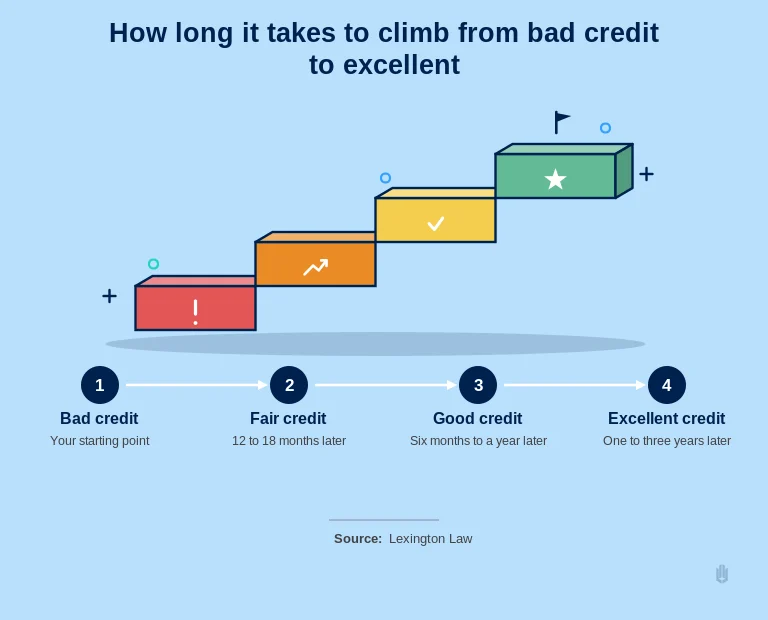
While the initial score is generated within six months, the journey to a "good" or "excellent" score is a marathon, not a sprint. The progression is rarely linear, but financial experts generally outline the following developmental stages:
The Ascent: From Bad to Fair (12–18 Months)
If you are rebuilding credit after a bankruptcy, a charge-off, or a series of missed payments, this phase is the most labor-intensive. It involves a dual-track process: suppressing negative historical data while simultaneously layering on new, positive payment patterns. Over 12 to 18 months, as your older negative marks begin to "age" and carry less weight, the consistent on-time payments you make today will begin to pull your score into the "fair" category.

The Climb: From Fair to Good (6–12 Months)
Once you have moved beyond the shadow of past defaults, climbing from "fair" to "good" is generally faster. Because this range is often associated with a "thin" credit file (a lack of history) rather than active damage, the transition typically takes between six months and one year. The primary goal here is to keep credit utilization low—ideally below 30% of your total available credit—and avoid any new derogatory marks.
The Peak: From Good to Excellent (1–3 Years)
Reaching the "excellent" tier (typically 800+) is a matter of endurance. Length of credit history is a significant component of your score, and there is no "hack" for the passage of time. Maintaining a long-standing, active account in good standing for one to three years is the primary driver for moving from "good" to "excellent."
The Anatomy of a Credit Score
Lenders typically rely on two major scoring models: FICO® and VantageScore®. While they share similar goals, their internal "recipes" for calculating risk vary.
FICO® Scoring Factors
The FICO® model is the industry standard, weighing your financial history across five distinct pillars:
- Payment History (35%): The most critical factor. Have you paid your bills on time?
- Amounts Owed (30%): Your credit utilization ratio—how much of your available credit you are currently using.
- Length of Credit History (15%): The average age of your accounts and the age of your oldest account.
- New Credit (10%): The frequency of "hard inquiries" and new accounts opened recently.
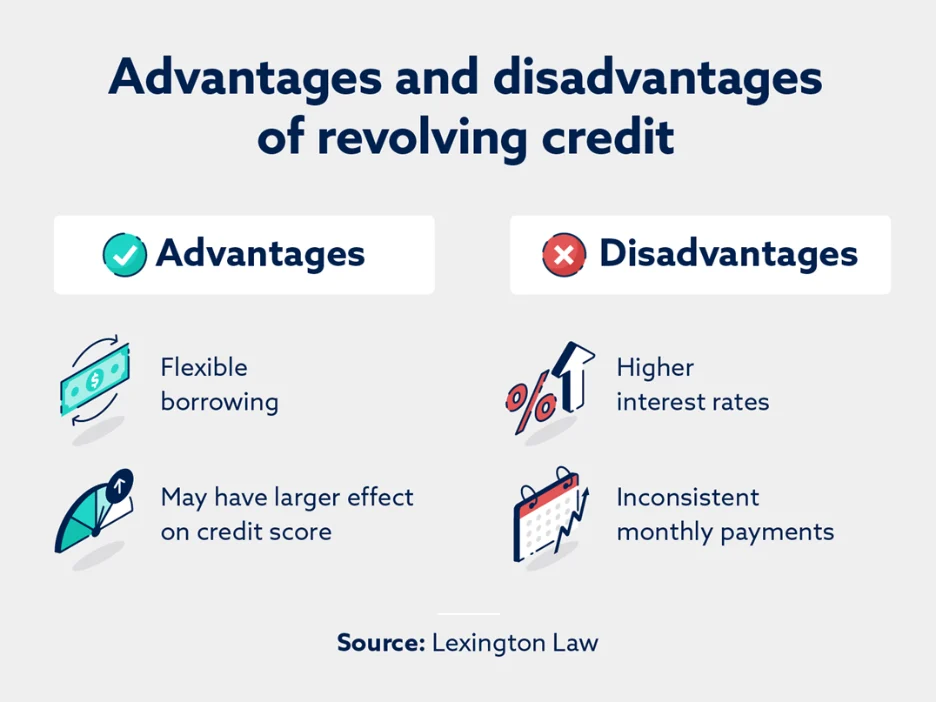
- Credit Mix (10%): The diversity of your credit portfolio, including revolving credit (cards) and installment loans (auto, student, mortgages).
VantageScore® Factors
VantageScore® utilizes a similar set of criteria but often places more emphasis on total credit usage and the age of the account history, making it a common alternative used by many credit-monitoring services and online lenders.

Strategic Habits to Accelerate Your Timeline
While you cannot force time to move faster, you can ensure you are not adding unnecessary delays to your progress.
- Become an Authorized User: If a family member has a long-standing account with a perfect payment history, becoming an authorized user can "piggyback" that positive history onto your own credit report.
- Strategic Utilization: Keeping your balance low relative to your limit is the fastest way to influence your score. Even if you pay your card off in full, try to keep the statement balance below 10% of the limit.
- Automate Payments: Human error is the enemy of credit health. Setting up autopay for at least the minimum amount due ensures you never miss a payment, which is the single most destructive event for a credit score.
- Avoid Excessive Applications: Every time you apply for a new line of credit, the lender performs a "hard inquiry." Too many of these in a short window signals financial distress to the bureaus, causing a temporary dip in your score.
The Risks: What to Avoid
The journey to an excellent score can be derailed by a single oversight. A late payment—even by just 30 days—can cause a significant drop in a high credit score. To protect your progress, avoid the following:
- Closing Old Accounts: Closing your oldest credit card reduces your "average age of accounts" and shrinks your total available credit, both of which can lower your score.
- Ignoring Errors: Credit reports are manual systems managed by humans and algorithms. Inaccurate information, such as a debt that isn’t yours or a payment marked late that was actually on time, can stall your progress for months.
- High-Interest Debt Spirals: Relying on credit to bridge a budget gap often leads to high utilization, which creates a negative feedback loop that is difficult to break.
The Role of Professional Advocacy
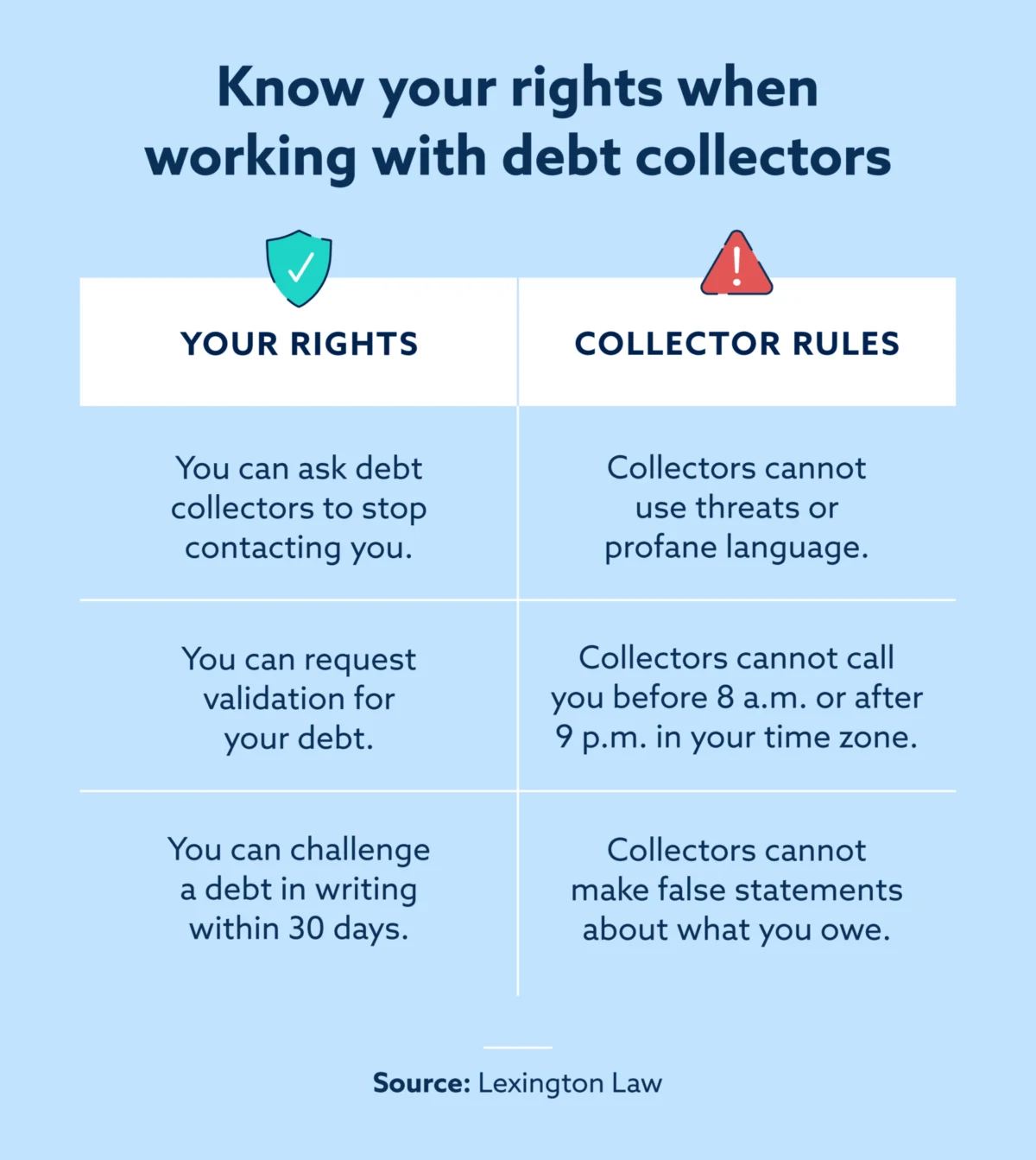
For many, the barrier to a higher credit score is not a lack of effort, but the presence of inaccurate or unfair negative information. If a report contains a collection account that was already settled or a debt that belongs to someone else, your score will remain suppressed regardless of your current responsible behavior.
Professional credit advocacy firms, such as Lexington Law, provide a service that goes beyond simple monitoring. By reviewing credit reports and identifying potentially erroneous items, these firms work to challenge inaccuracies directly with creditors and credit bureaus. This ensures that the score you are building is based on a foundation of facts, rather than reporting errors that unfairly penalize your financial standing.
Frequently Asked Questions
Can you improve your credit score in 30 days?
While you cannot overhaul a history of bankruptcy in 30 days, you can see a noticeable "quick win" by paying down high balances. Because credit utilization is calculated based on your current balance at the time of reporting, paying down debt before your next statement date often results in a rapid, albeit modest, score increase.

What is the fastest way to build credit?
Becoming an authorized user on a seasoned, well-managed account or opening a secured credit card are the two most effective ways to establish a "fast" start. Both methods create a reporting history that can be seen by bureaus almost immediately.
Does checking my own score hurt it?
No. Checking your own credit score is a "soft inquiry." It is invisible to lenders and has zero impact on your score. You should check your reports frequently to ensure accuracy.
What is the "starting" score?
There is no default score. You begin at "zero" in the eyes of the bureaus until you have an active account reporting for six months. Once you have that history, you will typically find yourself in the "fair" range, which serves as a platform for future growth.
Implications for Your Financial Future
A strong credit score is the key to the "financial kingdom." It determines the interest rates you pay on major purchases, which can result in tens of thousands of dollars in savings over the life of a 30-year mortgage. Beyond that, it offers peace of mind. By adopting a disciplined approach—prioritizing on-time payments, maintaining low utilization, and proactively monitoring your report for errors—you are not just building a number; you are building the infrastructure for your long-term financial stability.
Disclaimer: The information provided in this article is for general informational purposes only and does not constitute legal, financial, or credit advice. Please consult with a qualified professional regarding your specific financial situation.