





For millions of Americans, a single misstep—a forgotten utility bill, a medical emergency, or an unexpected period of unemployment—can result in a negative mark on their credit report. These marks, whether they appear as late payments, charge-offs, or collection accounts, are not merely temporary inconveniences. They are persistent shadows that can linger for up to seven years, significantly impacting an individual’s ability to secure mortgages, auto loans, or even employment.
As consumers look for ways to rehabilitate their credit scores, the "pay-for-delete" letter has emerged as a controversial but widely discussed negotiation tactic. By offering payment in exchange for the total removal of a derogatory item, consumers hope to "clean" their credit history. However, the efficacy, legality, and practicality of this strategy remain complex.
The Core Concept: What is a Pay-for-Delete Letter?
At its most fundamental level, a pay-for-delete letter is a formal, written negotiation tool. Unlike a standard payment agreement where a consumer simply pays off a debt to have its status updated to "paid" or "settled," a pay-for-delete request seeks a full excision of the record.
When a debt is marked as "paid" or "settled" on a credit report, the negative history of the account remains visible to lenders. While a "paid" status is objectively better than an "unpaid" one, it still signals to potential creditors that the borrower defaulted at some point in the past. A pay-for-delete agreement, if accepted, essentially instructs the creditor or collection agency to treat the account as if it never existed on the report at all.

The Chronology of Debt and Reporting
To understand why this strategy is sought after, one must look at the life cycle of a debt:
- The Delinquency: An account becomes overdue. The original creditor typically reports this delinquency to the major credit bureaus (Equifax, Experian, and TransUnion).
- The Charge-Off: If the debt remains unpaid for a period—usually 180 days—the creditor writes it off as a loss, known as a "charge-off."
- The Sale to Collections: The creditor often sells the debt to a third-party collection agency for pennies on the dollar. At this stage, the account may appear twice on a credit report: once as a charge-off from the original creditor and once as a collection account from the agency.
- The Negotiation Window: This is the point where a consumer may consider a pay-for-delete offer. Once the debt has reached the hands of a collection agency, the agency’s goal is to recoup as much as possible.
Supporting Data: Why Creditors Might Say "Yes"
The willingness of a collection agency to engage in a pay-for-delete agreement is largely driven by financial incentive. When an agency buys a portfolio of debt, they do so at a fraction of the face value. If they can collect even 50% of the original balance, they are often still making a profit.
However, many creditors have strict internal policies. Large institutional banks and major credit card issuers rarely agree to pay-for-delete requests. They are bound by data integrity agreements with the credit bureaus, which require them to report accurate information. Deleting a legitimate, accurately reported debt is often viewed as a violation of these reporting standards.
Conversely, smaller, third-party collection agencies—especially those dealing with utility bills or smaller medical debts—are often more flexible. For them, the cost of continuing to pursue a recalcitrant debtor may exceed the potential recovery, making a quick, guaranteed payment in exchange for a report deletion an attractive trade-off.

Drafting the Request: Best Practices
Success in this arena is not about legal threats; it is about professionalism and clear, conditional terms. The goal is to provide a "win-win" scenario.
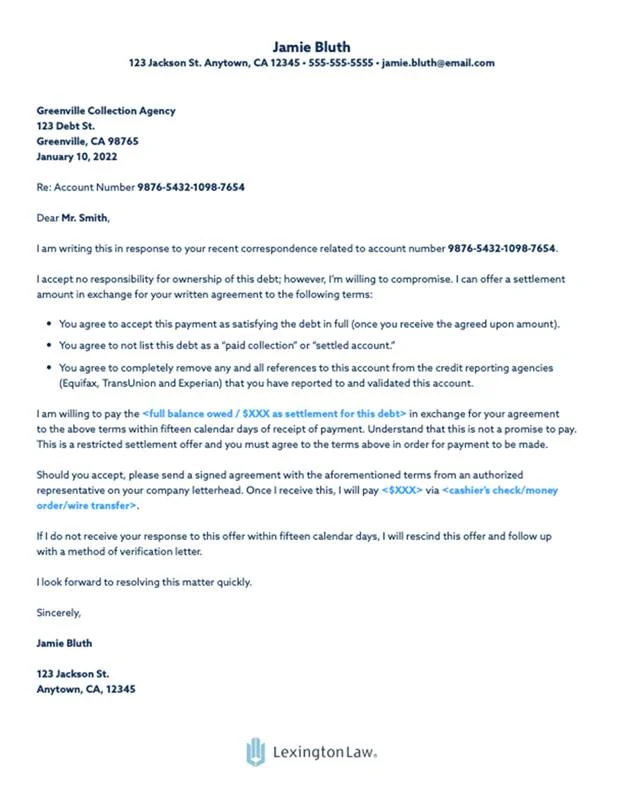
Key Elements of a Successful Letter:
- Specificity: Include your full name, address, account number, and the date.
- The Conditional Offer: Explicitly state that the payment is contingent upon the deletion of the entry. Do not send payment until the agreement is confirmed in writing.
- The "Authorized" Signature: Request that the response come on company letterhead, signed by an authorized representative. This creates a paper trail that can be used if the agency fails to fulfill their end of the bargain.
- The Timeframe: Set a firm, reasonable deadline (e.g., 15 days) for a response before the offer is rescinded.
The Official Stance: What Experts and Bureaus Say
Credit reporting agencies (CRAs) generally discourage the practice of pay-for-delete. From their perspective, a credit report is a historical document intended to reflect the actual credit behavior of an individual. Manipulating this data—even with the consent of the creditor—is viewed as a distortion of the credit scoring ecosystem.
Furthermore, it is vital to note that even if an agency agrees to delete an item, they are under no legal obligation to do so. Some agencies may ignore the request entirely, while others may counter-offer with a "paid in full" status update, which is a compromise that does not involve removing the account from the report.
Implications for Your Credit Score
The impact of a successful pay-for-delete on a credit score is not uniform. If an individual has a "thin" credit file with only one or two negative marks, removing a collection account can lead to a significant and immediate score increase. However, for those with multiple derogatory marks, the removal of a single account may result in only a marginal change.

Moreover, modern credit scoring models are evolving. Newer iterations of the FICO score (such as FICO 9 and 10) and the VantageScore 3.0 and 4.0 models have reduced the weight of paid collections. In some cases, these models treat a "paid collection" almost as favorably as a deleted one, meaning the effort required to negotiate a deletion might eventually be rendered redundant by the way the algorithms process the data.
When to Dispute Instead of Negotiate
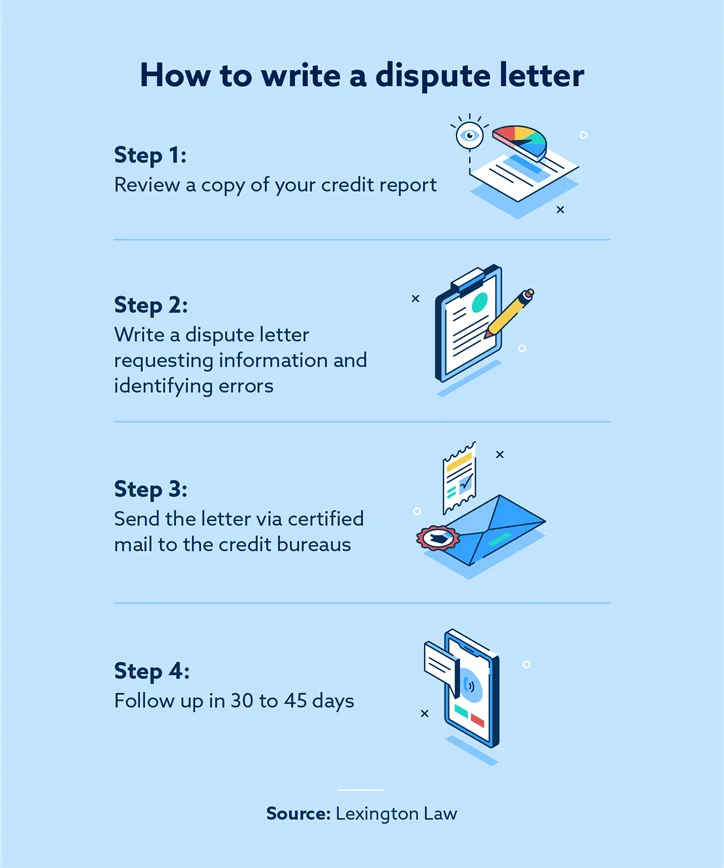
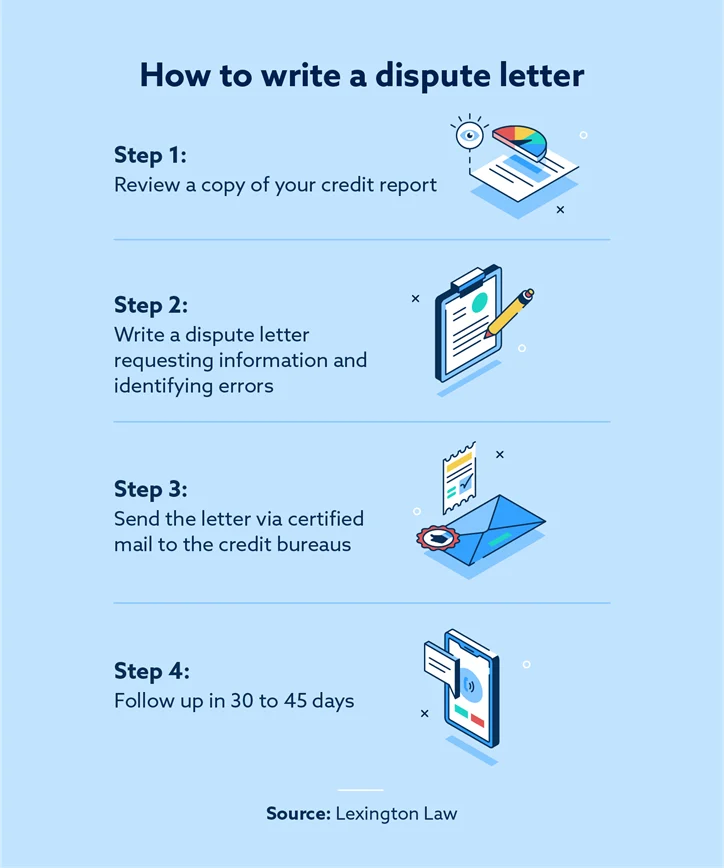
Before sending a pay-for-delete letter, it is critical to verify the debt. If the information on your credit report is incorrect, outdated, or does not belong to you, you should not offer to pay for its removal. In such cases, the proper legal recourse is a formal dispute.
Disputing an item forces the creditor or collector to validate the debt. If they cannot provide proof that the debt is accurate and that they have the right to collect it, they are legally required to remove the entry. Utilizing professional services, such as those offered by firms like Lexington Law, can help ensure that your disputes are filed correctly and that you are not accidentally acknowledging responsibility for a debt you do not owe.
Alternatives to Pay-for-Delete
If your pay-for-delete request is rejected, or if the debt is too significant to negotiate, consider these alternatives:

- Debt Validation: Send a letter requesting that the collector prove the debt is valid and that they are authorized to collect it.
- Goodwill Adjustments: If you have a long history of on-time payments with an original creditor and only missed one payment due to an isolated incident, write a letter of explanation asking them to remove the late mark as a gesture of goodwill.
- Credit Counseling: Non-profit credit counseling agencies can help you create a debt management plan, which may provide more long-term relief than individual negotiations.
- Wait it Out: Negative information has a "statute of limitations" on your credit report. If the debt is five or six years old, it will naturally drop off your report soon.
Conclusion: A Measured Approach
A pay-for-delete letter is a high-effort, low-guarantee tactic that should be used sparingly and only after careful consideration. It is not a "get out of jail free" card for bad credit habits. True credit repair is built on the foundation of consistent, on-time payments, responsible credit utilization, and the diligent monitoring of one’s credit report for accuracy.
If you decide to proceed with a pay-for-delete request, approach the process with caution. Ensure you have everything in writing, never pay before an agreement is reached, and remember that professional guidance is often available to help you navigate the complexities of credit reporting. By understanding the rules of the game, you can take control of your financial reputation and work toward a stronger, healthier credit profile.
Disclaimer: This article is for informational purposes only and does not constitute legal, financial, or credit advice. The strategies mentioned, including pay-for-delete, are not guaranteed to work and are subject to the policies of individual creditors and credit reporting agencies. Readers should consult with a qualified professional before making significant financial decisions.