







By PYMNTS
Published: October 2, 2026
Main Facts
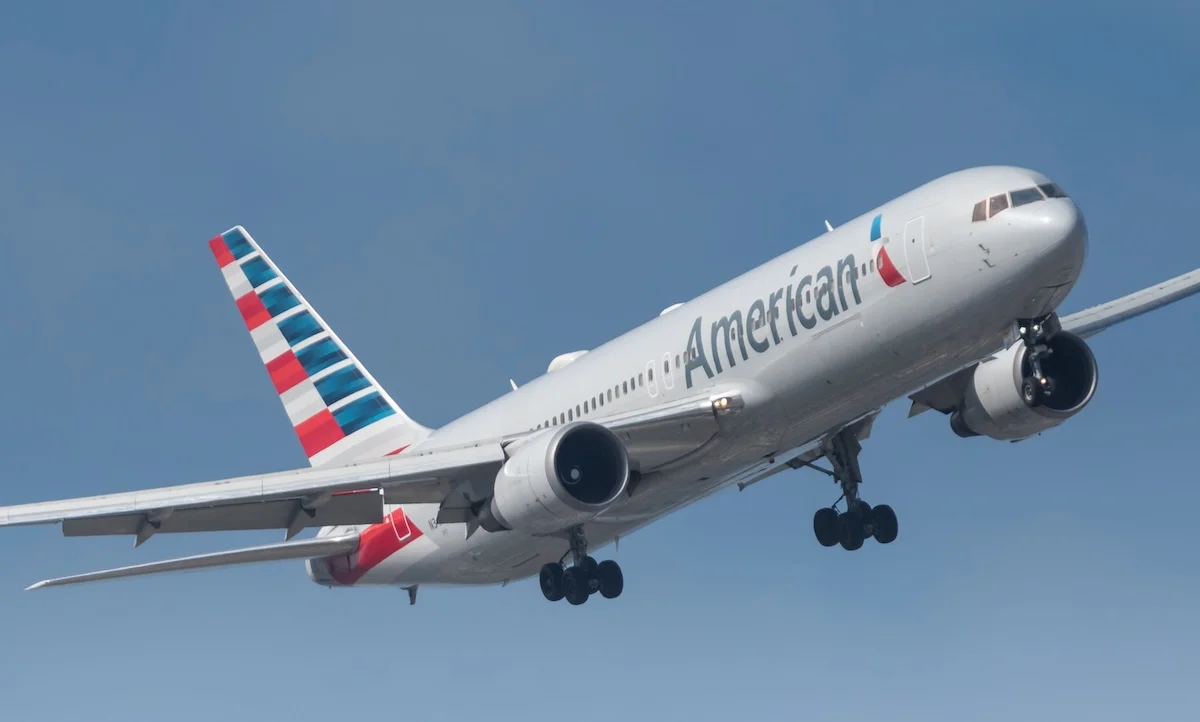
American Airlines has officially announced a major upgrade to its flagship AAdvantage loyalty program, introducing a long-awaited “cash and miles” payment option for eligible members. Set to roll out across its official website (aa.com) and mobile application over the coming weeks, the new feature gives travelers unprecedented flexibility when booking flights.
Under the updated system, eligible AAdvantage members will encounter an intuitive interactive slider during the digital checkout process. This tool allows users to seamlessly balance their out-of-pocket cash expenses with their accumulated mileage balances. Once a preferred ratio is selected, the trip’s cost summary updates in real-time, providing total transparency before final payment.
This strategic update brings American Airlines in line with major domestic competitors—such as United Airlines and Delta Air Lines—both of which have historically offered hybrid payment models. By lowering the barrier to entry for utilizing rewards, American Airlines aims to capture a larger share of consumer travel spending, driving higher user engagement and cementing loyalty within its rapidly expanding ecosystem.
Chronology of Events and Program Evolution
The introduction of the cash-and-miles feature is the latest milestone in a multi-year effort by American Airlines to modernize its loyalty operations and commercial strategy.
- Early 2024–2025 (The Push for Digital Integration): American Airlines began overhauling its digital touchpoints, emphasizing mobile-first app capabilities and streamlined user interfaces to capture younger, tech-savvy travelers.
- July 2026 (Earnings Call and Strategic Pillars): During a quarterly earnings call with financial analysts, Chief Commercial Officer Nat Pieper underscored the company’s heavy reliance on its customer database and loyalty retention. Pieper explicitly stated, “Our final strategic pillar is lead in loyalty,” signaling to Wall Street that the carrier intended to double down on program enhancements to secure recurring revenue. At this time, American reported that AAdvantage enrollment had surged by more than 30% year-over-year, buoyed by robust summer travel spending and co-branded credit card sign-ups.
- Summer 2026 (The Rewards Economy): Industry reports highlighted that consumer travel decisions were increasingly governed by loyalty program perks and flexible payment ecosystems rather than traditional cost-comparison metrics alone.
- October 2, 2026 (Official Rollout): American Airlines formally announced the deployment of the cash-and-miles booking mechanism, confirming that the phased rollout would begin immediately across digital platforms.
Supporting Data and Industry Context
The modern aviation and travel landscape is defined by the monetization of airline miles, which often serve as highly lucrative balance-sheet assets for major carriers. American Airlines’ move to introduce a blended payment model is rooted in shifting consumer behaviors and competitive pressures across the U.S. airline industry.
The Competitive Landscape
Prior to this announcement, American stood out among the "Big Three" U.S. legacy carriers for its relatively rigid reward redemption structures. Its primary competitors have long recognized the utility of hybrid redemptions:
- United Airlines: Operates the Money + Miles program, explicitly marketed to consumers who do not possess a sufficient balance for a fully covered award flight or who wish to distribute their mileage redemptions across multiple vacations.
- Delta Air Lines: Offers dual pathways via Pay with Miles (tied closely to co-branded American Express credit cards) and Miles + Cash structures, providing friction-free avenues for travelers to offset ticket expenses without waiting to accumulate massive point balances.
The Power of Loyalty in Travel Spending
According to industry analyses highlighted throughout the 2026 travel season, rewards and loyalty ecosystems occupy a "starring role" in consumer decision-making. Travelers are increasingly treating airline miles as alternative currency. However, a common consumer pain point has historically been the "all-or-nothing" nature of traditional award seats: travelers who fall short of a full mileage redemption are often forced to pay entirely in cash, leaving their accumulated miles idle.
With AAdvantage enrollment growing by over 30% year-over-year as of mid-2026, American Airlines faces the challenge of servicing a vastly larger member base. Allowing fractional mileage redemptions helps alleviate redemption friction, preventing member frustration and maintaining high engagement rates across millions of active accounts.
Official Responses and Executive Insights
Leadership at American Airlines has framed the cash-and-miles initiative not merely as a customer service upgrade, but as a core component of the airline’s broader commercial evolution.
Scott Long, Senior Vice President of AAdvantage at American Airlines, noted in the official press release:
"At American, we’re continually evolving the AAdvantage program to deliver more choice and flexibility for our members. The introduction of cash and miles is another step in our ongoing effort to provide AAdvantage members with more personalized ways to engage with the program and get more value from their membership."
Long’s remarks emphasize personalization and value—two buzzwords that dominate modern loyalty marketing. By allowing travelers to dictate how they spend their money versus their accumulated miles on a sliding scale, American hands a degree of financial control back to the consumer.
Adding further executive context, Chief Commercial Officer Nat Pieper reiterated during the July 2026 earnings disclosures that leadership views loyalty as the ultimate anchor for sustainable profitability:
"Our final strategic pillar is lead in loyalty."
This philosophy underscores why infrastructure investments—such as updating legacy backend booking engines to accommodate real-time slider calculations for cash and miles—are being prioritized. Executives recognize that an engaged loyalty member is significantly more likely to choose American Airlines over low-cost carriers or foreign competitors, particularly when ancillary perks (such as priority boarding, checked bag waivers, and credit card rewards) are factored into the travel equation.
Market Implications and Future Outlook
The launch of American Airlines’ cash-and-miles booking capability carries profound implications for the airline industry, frequent flyers, and the broader fintech-travel nexus.
1. Enhanced Redemption Value for Consumers
For the everyday flyer, the primary benefit is practicality. Millions of travelers sit on "orphan miles"—balances too small to purchase a free flight, yet too valuable to ignore. By introducing a checkout slider, American allows customers to extract fractional value from these balances on virtually any itinerary. This reduces the psychological friction of loyalty programs, where members often feel punished by blackout dates or high mileage thresholds required for standard award tickets.
2. Boosted Ancillary Revenue and Co-Branded Card Synergy
Airlines make immense profits through partnerships with credit card issuers, selling miles in bulk to banks that distribute them as sign-up bonuses and daily spend rewards. By making miles easier to spend, American encourages members to aggressively pursue earning them. When consumers know they can easily supplement their miles with cash, they are more likely to put everyday purchases on co-branded American Airlines credit cards, driving transaction volume and interchange fee revenues.
3. Parity with Competitors
By matching the capabilities of United and Delta, American eliminates a key competitive disadvantage. Travelers who previously preferred rival airlines solely for their flexible hybrid redemption models no longer have that deterrent when considering American Airlines flights.
4. Technical and Financial Considerations
While the feature is a win for consumers, industry analysts will be closely monitoring how American prices its miles under the new cash-and-miles framework. The valuation of a mile (measured in cents per point) often fluctuates when hybrid payment options are introduced. Ensuring that the cash-to-miles conversion rate remains competitive and transparent will be vital to maintaining consumer trust.
Conclusion
As American Airlines rolls out the cash-and-miles feature over the coming weeks, it marks a mature phase in the airline’s digital transformation. By aligning with consumer demands for flexibility, personalization, and choice, American is well-positioned to maintain the remarkable momentum of its AAdvantage program, ensuring that loyalty remains the steadfast engine of its commercial strategy for years to come.