







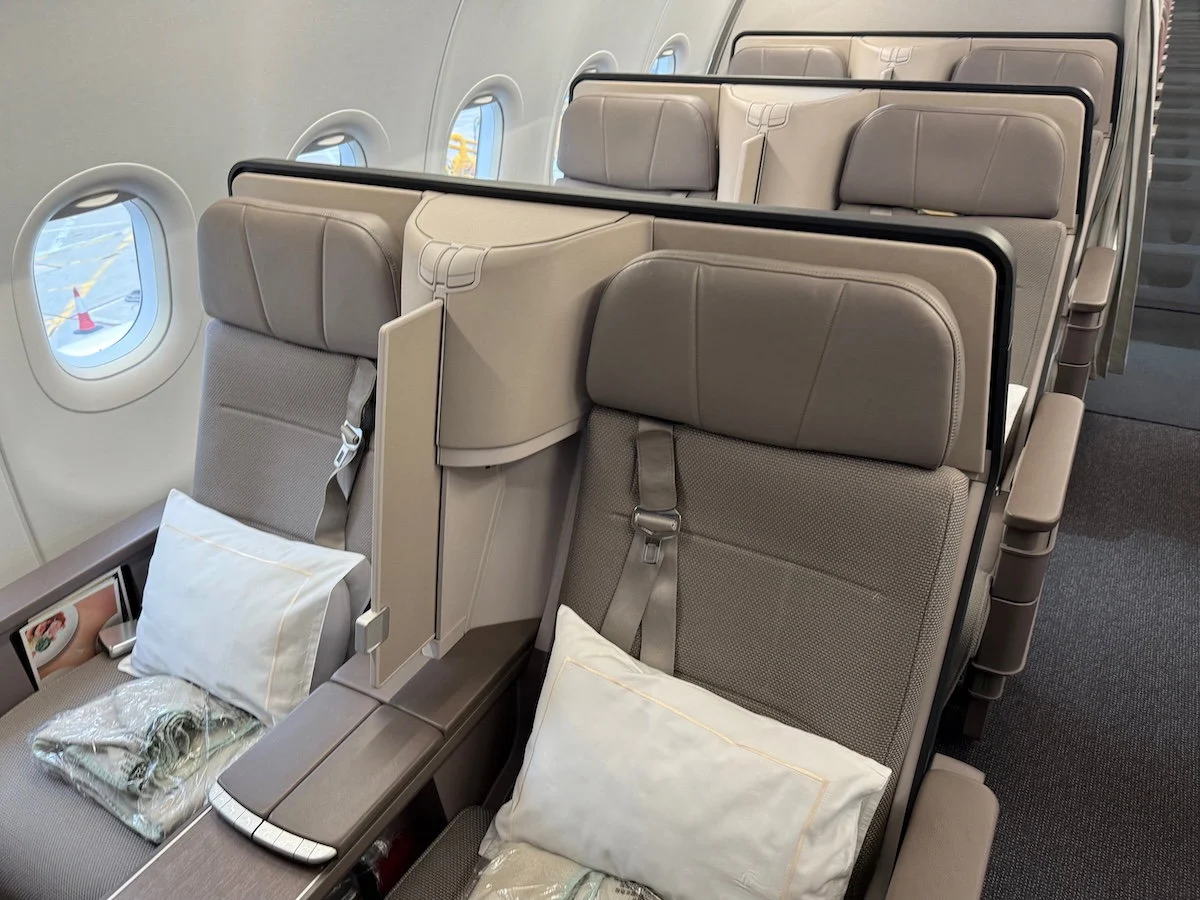
In an era where the airline industry is characterized by "densification"—the practice of squeezing as many seats as possible into an aircraft to maximize revenue per square inch—Cathay Pacific is bucking the trend. The Hong Kong-based flag carrier has officially announced a significant reconfiguration project for its Airbus A321neo fleet, prioritizing passenger comfort, cabin flow, and crew efficiency over raw seat count.
While industry observers have grown accustomed to the "shrinkage" of seat pitch and the addition of slimline seats, Cathay Pacific’s decision to remove seven seats per aircraft is a refreshing, if surprising, departure from the status quo. This strategic shift reflects a broader commitment to maintaining the airline’s premium brand identity, even on shorter regional routes where competitors often cut corners.
The Genesis of the Fleet: From Cathay Dragon to Mainline Integration
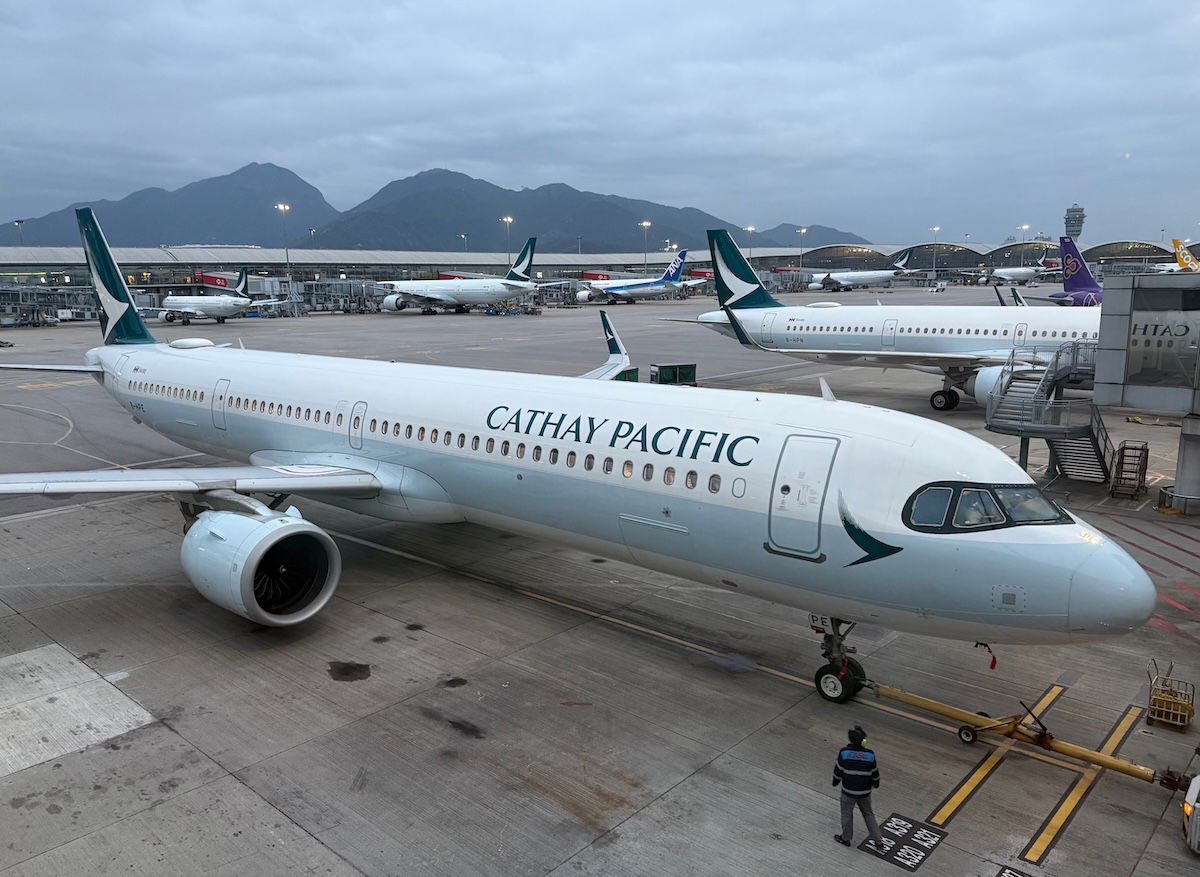
To understand the significance of this cabin overhaul, one must first look at the unique lineage of the A321neo within the Cathay Pacific group. The aircraft were originally ordered for Cathay Dragon, the group’s regional subsidiary, which was shuttered in the wake of the global pandemic. When the decision was made to merge the regional brand into the mainline Cathay Pacific fleet, these narrow-body aircraft transitioned into a new role, serving as the backbone of the airline’s short-haul network.
Initially, the A321neo cabin was configured with 202 seats, prioritizing high-density transit. However, as these aircraft became central to the mainline experience, passenger feedback and operational data revealed that the cabin environment required a more premium touch to align with the rest of the long-haul fleet. Recognizing that the A321neo is the only narrow-body aircraft in its current lineup, Cathay Pacific has opted to invest heavily in a "hard product" upgrade to ensure brand consistency for travelers transiting from international wide-body flights to regional connections.
The Reconfiguration: What’s Changing Under the Hood?
The core of the project involves a total reduction in seat count from 202 to 195. While a decrease of seven seats may seem marginal in isolation, the architectural implications are profound.
Seat Allocation and Cabin Layout
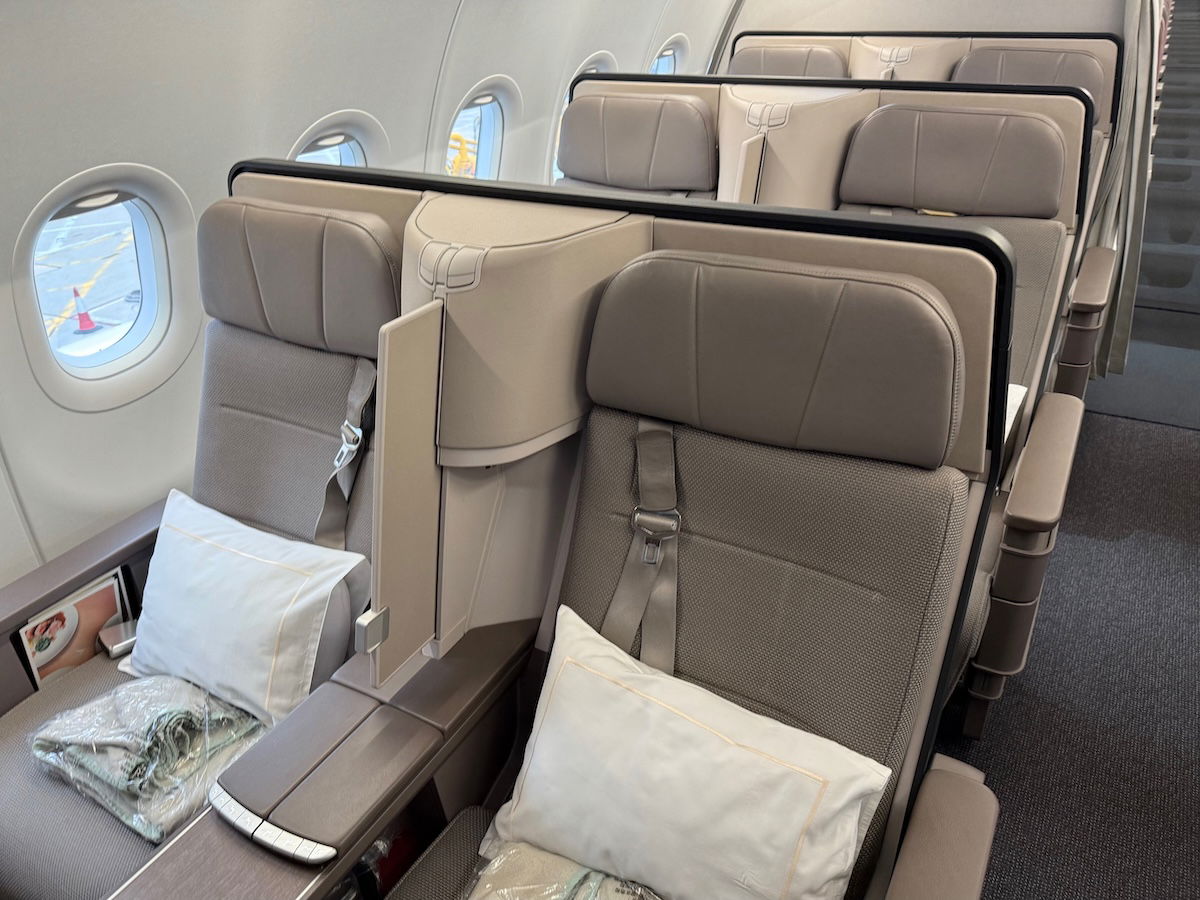
The new configuration will maintain the existing 12-seat business class cabin. Despite calls from frequent flyers for flat-bed business class products—similar to those offered by regional competitors like Singapore Airlines or China Airlines—Cathay Pacific has confirmed that the current recliner-style business seats will remain. While this may disappoint some, the airline is clearly prioritizing the economy class experience, where the bulk of the structural changes are occurring.
The economy cabin will be reduced from 190 to 183 seats. This reduction facilitates:
- Increased Seat Pitch: Passengers will benefit from more legroom, a critical factor for comfort on regional routes that can still span several hours.
- Enhanced Lavatory Space: The rear of the aircraft will see more spacious lavatory facilities, addressing a common pain point for passengers on high-capacity narrow-body jets.
- Expanded Galley Areas: By reclaiming space, the airline is providing crew members with more room to manage in-flight services, which directly translates to faster and more efficient meal and beverage delivery.
Structural Efficiency: The Exit Row Overhaul
Perhaps the most significant technical change is the reconfiguration of the emergency exit rows. The original layout featured one set of mid-cabin exits and one set of rear exits. The updated design introduces a second set of mid-cabin exit rows. This change not only improves passenger boarding and deplaning efficiency but also allows for a more logical distribution of seating tiers throughout the cabin.
Furthermore, the airline is implementing a comprehensive renumbering of rows. This subtle adjustment is designed to mirror the row numbering conventions found on Cathay’s long-haul wide-body fleet (such as the Airbus A350 or Boeing 777), reducing confusion for passengers connecting between different aircraft types.
A Chronological Roadmap for Implementation
The rollout of these changes is being executed with characteristic precision. Cathay Pacific currently operates a fleet of 16 A321neos. The 17th aircraft, which is slated for delivery in the coming weeks, will serve as the "prototype" for the new interior, arriving fresh from the Airbus factory with the updated layout pre-installed.
Following the integration of this 17th aircraft, the airline will commence an aggressive retrofit program for the existing 16 jets. By prioritizing fleet consistency, Cathay Pacific aims to ensure that by the end of 2026, the entire A321neo fleet will offer a uniform passenger experience. This rapid timeline is an ambitious undertaking, requiring careful coordination with maintenance, repair, and overhaul (MRO) facilities to minimize aircraft downtime.
Supporting Data: Why Density Isn’t Always the Answer
Industry analysts often argue that the "race to the bottom" in terms of seat pitch is unsustainable. Cathay Pacific’s data-driven approach to this retrofit suggests that they have identified a "sweet spot" where the loss of seven seats per plane is offset by gains in brand loyalty, operational efficiency, and decreased maintenance costs associated with better-designed cabin flow.
In the aviation sector, the A321neo is highly valued for its range and fuel efficiency. However, because it is a single-aisle aircraft, passenger comfort is inherently more constrained than on wide-body jets. By optimizing the galley and lavatory placements, Cathay is effectively "de-stressing" the cabin environment. For an airline that prides itself on service excellence, this is an investment in the "soft product" as much as the "hard product"—giving the crew the space they need to perform their roles more effectively leads to a better service experience for the passenger.
Official Stance and Industry Implications
While Cathay Pacific has not issued a formal press release detailing the specific dollar cost of the retrofit, the move is widely viewed by industry experts as a proactive defensive measure. With regional competition intensifying in the Asia-Pacific market, Cathay Pacific is positioning itself as the "premium" choice for regional travel.
In internal communications, the airline has emphasized that the goal is to bridge the gap between their short-haul and long-haul experiences. A passenger flying from London to Hong Kong in a world-class business class cabin should not feel a jarring drop-off in comfort when connecting to an A321neo for a short hop to Taipei or Manila. By standardizing row numbering and upgrading the cabin environment, Cathay is reinforcing its status as a premium network carrier.

The Future of Regional Narrow-Body Travel
Cathay Pacific’s decision stands as a bold rebuke to the industry trend of adding seats at all costs. While some observers may point to the lack of flat-bed seats as a missed opportunity, the reality is that the operational economics of short-haul narrow-body flights rarely justify the weight and space requirements of fully flat beds.
By focusing on the "fundamentals"—legroom, efficient movement through the cabin, and better-appointed amenities—Cathay Pacific is making a calculated bet that its customers value comfort over the superficial luxury of a bed on a two-hour flight.
As the retrofit program progresses through 2026, the aviation world will be watching closely. If Cathay Pacific succeeds in improving customer satisfaction scores while maintaining profitability on these routes, it could trigger a shift in how other major carriers approach their regional fleets.
Ultimately, this is a customer-friendly move that recognizes a fundamental truth: the modern traveler is increasingly sophisticated and capable of discerning the difference between a high-density "bus in the sky" and a thoughtfully configured cabin. For Cathay Pacific, this is not just about changing seats; it is about protecting the integrity of a premium brand in a market that often threatens to commoditize it.
The upcoming months, as the first retrofitted aircraft take to the skies, will be the true test of this strategy. For now, passengers can look forward to a more spacious, intuitive, and comfortable experience aboard the backbone of Cathay’s regional fleet.