








By Sarah Brady, National Foundation for Credit Counseling (NFCC)
Published: September 14, 2026
Main Facts
In an era defined by economic fluctuations and a persistent, high cost of living, American households face unprecedented financial strain. However, while the civilian population struggles to keep pace with inflation, active-duty service members, veterans, and their families often bear the heaviest burdens. Frequent relocations, spousal underemployment, and the unique stressors of military service compound these financial challenges, leaving many households in a state of chronic vulnerability.
According to the 2025 Financial Literacy and Preparedness Survey conducted by the National Foundation for Credit Counseling (NFCC) and The Harris Poll, a staggering 50% of active-duty service members reported that they are merely "just getting by financially." Furthermore, the survey revealed that 42% of veterans feel they lack adequate information regarding the financial resources, benefits, and relief programs to which their service entitles them.
Despite the widespread availability of support networks—ranging from branch-specific relief societies to specialized Department of Veterans Affairs (VA) housing programs and spousal career initiatives—a significant information gap persists. Many military families remain unaware of the lifelines designed specifically to guide them through economic hardship. This comprehensive report outlines the critical support systems available to service members and veterans, detailing how to access emergency relief, housing assistance, educational benefits, and professional credit counseling to achieve long-term financial stability.
Chronology of Modern Military Financial Relief
Understanding the landscape of military financial assistance requires examining how these support systems have evolved over decades to meet the changing needs of service members.
- Mid-20th Century (Establishment of Relief Societies): Historically, each branch of the United States Armed Forces recognized the unique economic vulnerabilities of its personnel. This led to the creation of independent, branch-specific relief organizations designed to offer emergency financial assistance independent of bureaucratic military channels.
- The Post-9/11 Era: As the operational tempo increased following the events of September 11, 2001, deployments became longer and more frequent. This shift placed immense strain on military marriages and family finances, prompting federal agencies and private foundations to ramp up spousal employment initiatives and educational support programs.
- June 2026 (Launch of the VA Partial Claim Program): In a major regulatory update aimed at curbing post-pandemic and inflation-driven foreclosures, the Department of Veterans Affairs officially launched the VA Partial Claim Program. This initiative introduced a vital new tool for homeowners holding VA-backed mortgages who fall behind on their payments, providing a structured runway to avoid home loss.
- Present Day (Integrated Support and Credit Counseling): Today, financial readiness is viewed not just as a personal matter, but as a critical component of national security. Organizations like the NFCC, alongside federal agencies, utilize digital tools, certified counselors, and modernized outreach platforms to bridge the awareness gap highlighted by the 2025 survey data.
Supporting Data and Financial Metrics
The reality of military financial health is illuminated by hard data collected from recent surveys, federal reports, and economic assessments.
The 2025 NFCC and Harris Poll Findings
- 50%: The proportion of active-duty service members who self-identify as "just getting by financially."
- 42%: The percentage of veterans who express a need for better information and education regarding available financial resources.
- 1: The number of comprehensive annual surveys dedicated to tracking the baseline financial literacy and preparedness of the U.S. military community.
Housing and Economic Pressures
Housing costs represent the single largest monthly expense for most households. For military families, frequent Permanent Change of Station (PCS) moves can disrupt housing stability, often resulting in temporary double-housing costs, unexpected deposits, and the challenge of navigating volatile local real estate markets. When mortgage delinquencies occur on VA-backed loans, historical data shows that targeted intervention—such as loan modifications and partial claims—drastically reduces the rate of catastrophic foreclosures among veterans.
Spousal Employment Gaps
Military spouses face an unemployment rate historically significantly higher than their civilian counterparts, driven largely by frequent relocations that disrupt career trajectories. Programs that foster remote work opportunities, professional networking, and portable professional licenses are directly correlated with improved household income and diminished reliance on emergency debt.
Official Responses and Available Resources
When military families encounter financial turbulence, a vast ecosystem of official organizations, government programs, and nonprofit agencies stands ready to intervene. Navigating these options effectively requires understanding the specific mandate and qualification criteria of each resource.
1. Branch-Specific Military Relief Organizations
Each branch of the U.S. military maintains its own dedicated, non-profit relief organization. These entities provide confidential financial assistance—typically in the form of zero-interest loans, grants, or a combination of both—to help families weather unexpected emergencies such as medical bills, car repairs, or basic living expenses during deployment transitions.
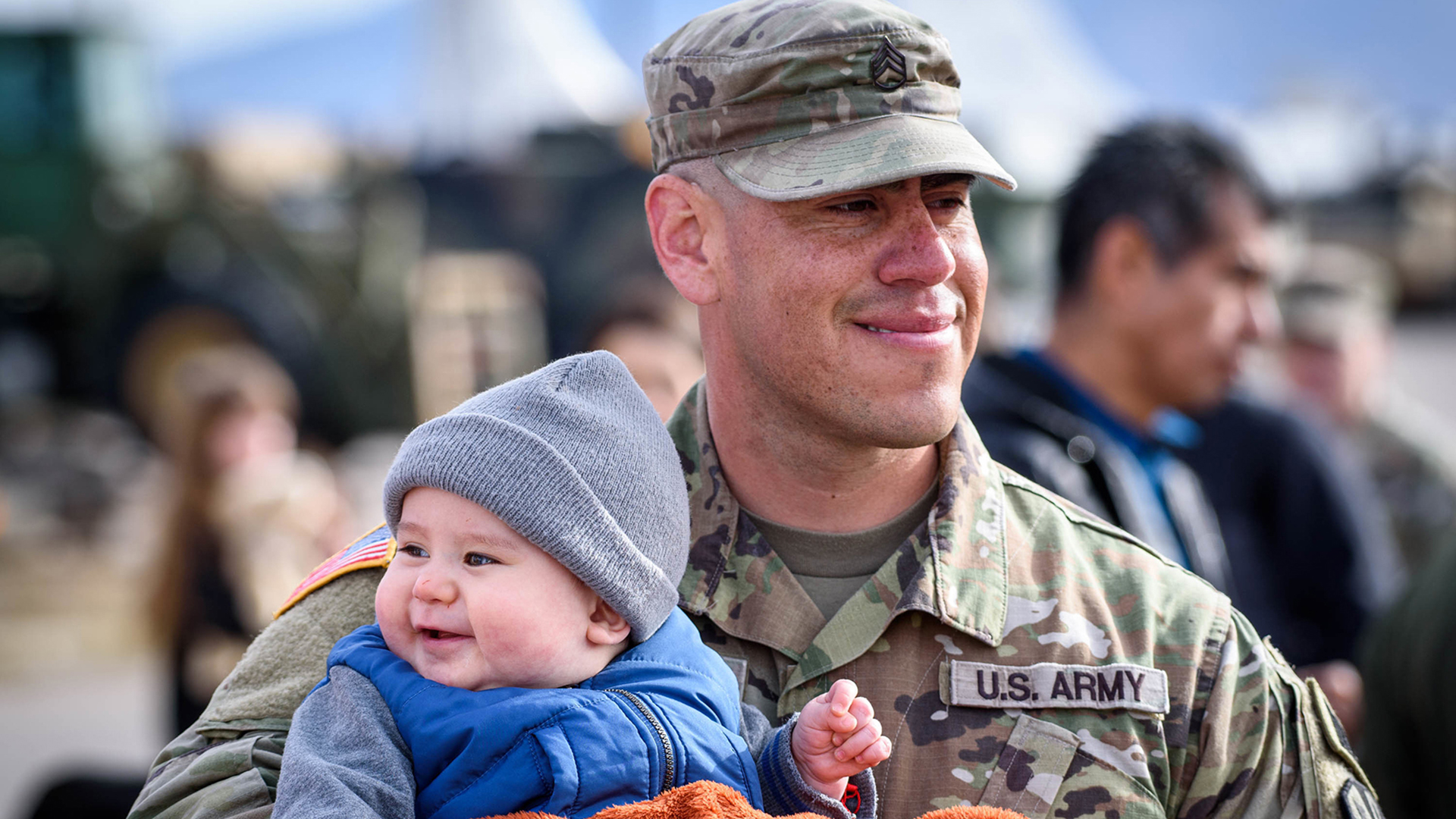
- Army Emergency Relief (AER): Serves soldiers and their families.
- Navy-Marine Corps Relief Society (NMCRS): Supports sailors, marines, and their families.
- Air Force Aid Society (AFAS): Provides assistance to airmen, guardians, and their dependents.
- Coast Guard Mutual Assistance (CGMA): Dedicated to the Coast Guard community.
2. VA Mortgage Assistance and Foreclosure Prevention
For veterans struggling to keep up with their mortgage payments, the VA offers several dedicated foreclosure-prevention programs designed to protect homeownership.
- Loan Modifications: Homeowners can work with their loan servicers and the VA to adjust the terms of their mortgage—such as lowering interest rates or extending the loan term—to achieve a more manageable monthly payment.
- The VA Partial Claim Program (Launched June 2026): This innovative program provides a safety net for eligible veterans. Borrowers enter a three-month trial payment plan to demonstrate their capacity to handle future monthly obligations. Once successfully completed, the loan servicer covers the overdue mortgage balance through a partial claim. The homeowner repays this balance only at the end of the full mortgage term or upon the sale of the home, effectively preventing immediate foreclosure without forcing an immediate out-of-pocket lump sum payment.
3. Employment Programs for Military Spouses
Recognizing that dual-income stability is often essential for modern military families, federal and private initiatives have stepped up to support spousal career development.
- SpouseWorks: A government-backed initiative offering tailored career opportunities, educational support, and professional development resources designed specifically to accommodate the mobile lifestyle of military spouses.
- Hiring Our Heroes (HOH): A U.S. Chamber of Commerce Foundation program that extends comprehensive career counseling, digital networking events, resume reviews, and targeted training directly to veterans, transitioning service members, and military spouses.
4. Student Loan Benefits and Protections
Service members holding federal or private student loans are entitled to powerful statutory protections and repayment benefits.
- Servicemembers Civil Relief Act (SCRA): Caps the interest rate on all pre-service debts, including student loans, at 6% per year during active-duty service.
- Public Service Loan Forgiveness (PSLF): Active-duty service time often counts toward the 120 qualifying monthly payments required for federal loan forgiveness, as military service is considered public service.
- Private Loan Forbearance: Private lenders frequently offer military service forbearance options to temporarily pause payments during active deployments or financial hardship.
5. Supplemental Relief Agencies and Veterans Service Centers
Beyond major institutional programs, a vast network of community charities, food assistance programs, and utility relief funds exist to support veterans. Navigating these local options can be simplified by visiting a local Veterans Service Center (VSC), where trained personnel help families evaluate their benefits, file claims, and connect with regional emergency aid.
Implications for Military Readiness and Financial Health
The financial wellness of a service member is inextricably linked to national security and operational readiness. When a soldier, sailor, airman, marine, or coast guardsman is consumed by financial anxiety, their focus on mission execution can be compromised. Financial distress is a leading cause of security clearance revocations, chronic stress, and family dissolution within the armed forces.
The Value of Nonprofit Credit Counseling
When debt accumulates and financial stress reaches a tipping point, turning to professional, independent guidance is often the most effective remedy. Nonprofit credit counseling agencies—such as those operating within the National Foundation for Credit Counseling (NFCC) network—provide essential, unbiased support tailored to the realities of military life.
Certified credit counselors offer a suite of free and low-cost services designed to restore order to household finances:
- Comprehensive Budgeting and Financial Assessments: Helping families map out income and expenses to identify unnecessary outflows and build realistic savings buffers.
- Debt Management Plans (DMPs): In many cases, nonprofit credit counselors can negotiate directly with creditors to lower interest rates, waive late fees, and consolidate multiple payments into a single, predictable monthly amount.
- Credit Report Reviews: Assisting veterans and service members in understanding their credit scores, identifying errors, and developing strategies to rebuild credit health after periods of hardship.
Moving Forward
The 2025 survey data serves as both a warning and a call to action. While 42% of veterans report a lack of awareness regarding available resources, the infrastructure for relief, recovery, and empowerment is robust and expanding. By proactively utilizing branch relief societies, VA housing safeguards, spousal career networks, statutory student loan protections, and certified credit counseling, military families can break the cycle of financial stress.
Professionals are ready to assist. Service members, veterans, and military spouses seeking to regain control of their financial futures are encouraged to reach out to certified agencies—such as scheduling an appointment with an NFCC-certified credit counselor—to take the first step toward lasting economic security.