







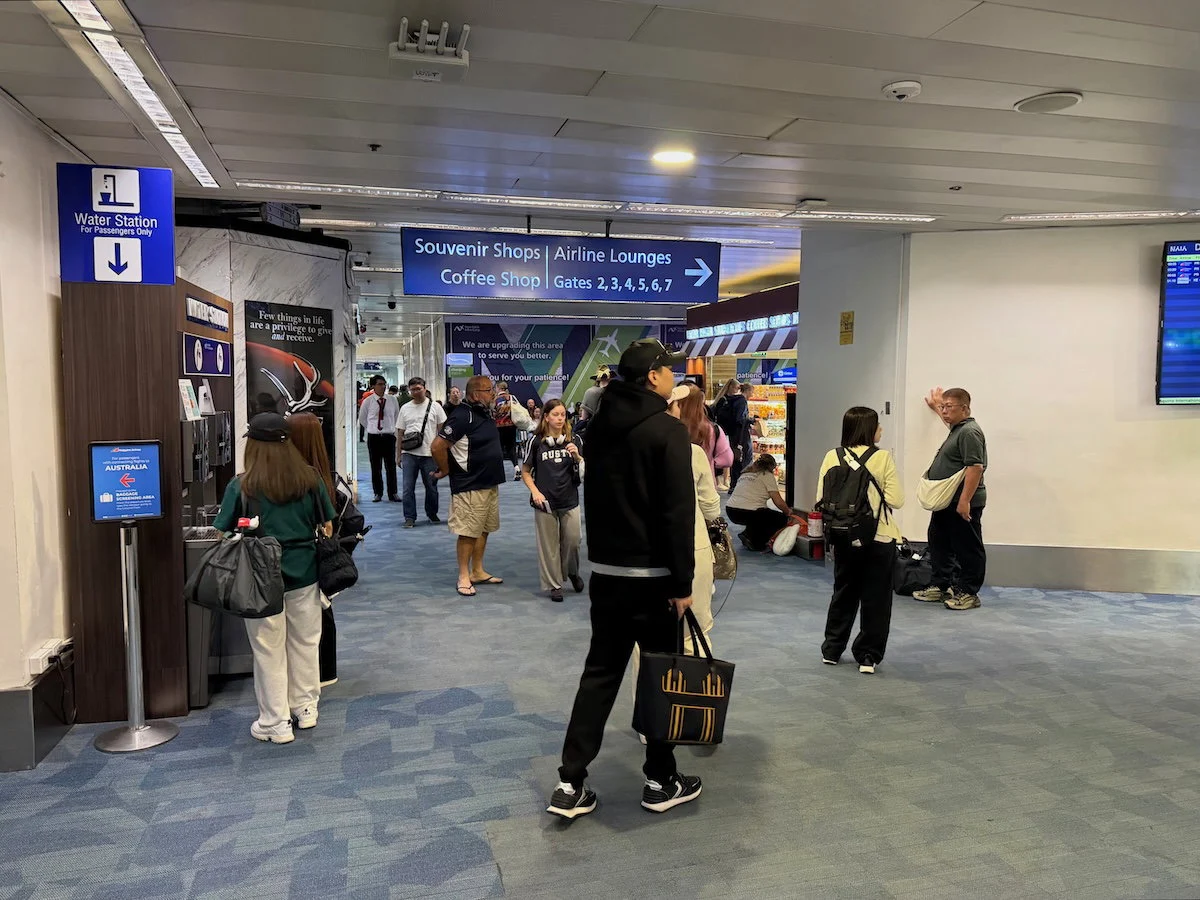
The promise of a seamless connection is the bedrock of any major international airline’s hub strategy. For Philippine Airlines (PAL), currently navigating a period of aggressive growth and network expansion, the Manila Ninoy Aquino International Airport (MNL) acts as the central nervous system of its global operations. However, recent reports from frequent travelers and industry observers suggest that the ground experience at MNL is failing to keep pace with the airline’s ambitions, creating a significant friction point for transit passengers.
This report examines the systemic challenges facing international travelers transiting through Manila’s Terminal 1, the operational limitations of the carrier’s flagship lounge, and the broader implications for the Philippine aviation sector as it attempts to compete on the global stage.
The Chronology of a Transit Failure
The modern transit experience should be characterized by efficiency and ease. For a passenger arriving at Manila on a Philippine Airlines international flight, the reality is starkly different.

The ordeal typically begins immediately upon deplaning. Rather than a streamlined flow into a transit-only zone, passengers are funneled into a bottleneck that frequently mirrors the density of peak-hour immigration queues. The transit security checkpoint serves as the primary choke point; during recent observations, a single metal detector and a solitary X-ray scanner were tasked with processing a full wide-body aircraft’s worth of passengers.
This bottleneck resulted in a 40-minute wait just to clear security—a duration that effectively neutralizes the time-saving benefits of a "tight" connection. Beyond the congestion, the physical infrastructure imposes its own challenges. Post-security, passengers are often forced to navigate sets of stairs with carry-on luggage, as elevators are notably absent or restricted. While wheelchair assistance exists for those with documented mobility needs, the lack of universal accessibility for elderly or encumbered travelers represents a significant oversight in modern airport design.
Infrastructure and Signage: A Case Study in Confusion
Once past the initial security hurdle, the journey to the Philippine Airlines "Mabuhay" lounge provides little relief. Navigating the concourse requires patience and a keen eye, as signage is both sparse and poorly optimized.

In the terminal, directional markers for airline lounges are minimal. Even when found, the signage is frequently misleading. In a notable instance, a prominent sign highlights the word "MABUHAY" in large, bold letters, while the descriptor "lounge" is relegated to a microscopic font size below. This design choice leads to significant confusion, with many passengers mistaking the lounge entrance for gate areas or service centers for specific flight routes.
The final ascent to the lounge is equally discouraging. The facility is accessed via an elevator that appears to have bypassed modern maintenance standards. This physical degradation serves as a poor preamble to what is intended to be a premium experience.
The Mabuhay Lounge: Technical and Atmospheric Shortfalls
If the transit process is the first point of frustration, the Mabuhay lounge—intended to be the sanctuary for premium passengers—often compounds the issue. During peak travel windows, the lounge frequently reaches maximum capacity, leaving passengers to compete for seating. While high occupancy is a common byproduct of post-pandemic travel, the secondary issues within the facility are more concerning.

The Connectivity Paradox
Perhaps the most perplexing issue reported by travelers is the failure of the lounge’s Wi-Fi infrastructure to support international devices. When faced with connectivity issues, staff have reportedly informed guests that the network is incompatible with laptops originating from certain foreign countries. This explanation—that a local network would be technically incapable of recognizing international hardware—defies standard IT architecture and highlights a lack of technical support or infrastructure investment. The irony remains that the public, airport-wide Wi-Fi, which does not reach the lounge, functions perfectly with the same devices.
Atmospheric Chaos
Beyond technical failures, the lounge suffers from a "live auction" ambiance. Frequent, high-volume boarding announcements are broadcast at a frequency that renders relaxation impossible. Rather than a "no-announcement" policy—a standard in high-end global lounges—the Mabuhay lounge utilizes a repetitive, verbose script that consumes the entire space. These announcements often include unnecessary instructional filler and repetitive reminders, turning a premium lounge into a cacophonous environment that eventually drives passengers to seek the relative quiet of the general gate areas.
Official Stance and Structural Realities
It is important to distinguish between the failures of the airline and the constraints of the airport authority. Philippine Airlines, as a tenant, is beholden to the infrastructure managed by the Manila International Airport Authority (MIAA). The limitations regarding security throughput, elevator placement, and terminal signage are largely systemic issues governed by the state-run airport operator.

However, the airline’s internal management of its lounge product remains its own responsibility. The presence of QR-coded survey stations throughout the lounge suggests that the airline is at least ostensibly collecting data on the passenger experience. The promptness with which the airline acts on this data—specifically regarding Wi-Fi compatibility, staff training on boarding announcements, and physical maintenance—remains to be seen.
Implications for the Philippine Aviation Sector
The current state of the transit experience in Manila has significant implications for the long-term viability of the Philippines as a regional transit hub.
- Brand Perception: For an airline like Philippine Airlines, which is attempting to elevate its reputation to match world-class carriers, a sub-par ground experience acts as a "brand anchor." Passengers rarely separate the airline’s service from the airport’s infrastructure; they associate the collective misery of a transit day with the carrier they booked.
- Competitiveness: Manila is competing with regional powerhouses like Singapore (Changi), Bangkok (Suvarnabhumi), and Hong Kong (HKIA). These airports have turned transit into a competitive advantage, offering seamless connectivity, luxury amenities, and efficient processes. By failing to provide a basic, stress-free transit environment, Manila risks being downgraded by travelers who will intentionally book connections through competing hubs to avoid the "Manila experience."
- Infrastructure Investment Needs: The situation underscores the urgent need for the ongoing privatization and modernization projects at Ninoy Aquino International Airport. Without a fundamental overhaul of terminal capacity and passenger flow management, even the most modern aircraft—such as the incoming A350-1000s—will be undermined by the lack of ground-side efficiency.
Conclusion
The current transit experience at Manila Airport represents a significant bottleneck for Philippine Airlines. While the airline is not solely responsible for the systemic failures of the airport’s infrastructure, the issues within their own flagship lounge—ranging from bizarre technical limitations to an aggressive and exhausting announcement policy—suggest that there is significant room for internal improvement.

For the traveler, the current advice remains: manage expectations. While the prospect of flying on modern wide-body aircraft with the Philippines’ national carrier is appealing, the ground experience remains a hurdle that requires patience, tolerance for minor chaos, and a healthy dose of realistic preparation. As the country moves toward airport privatization and expansion, the hope remains that the transit experience will eventually align with the aspirations of the airline itself. Until then, the "heart of the Filipino" is unfortunately often obscured by the frustration of the terminal floor.